
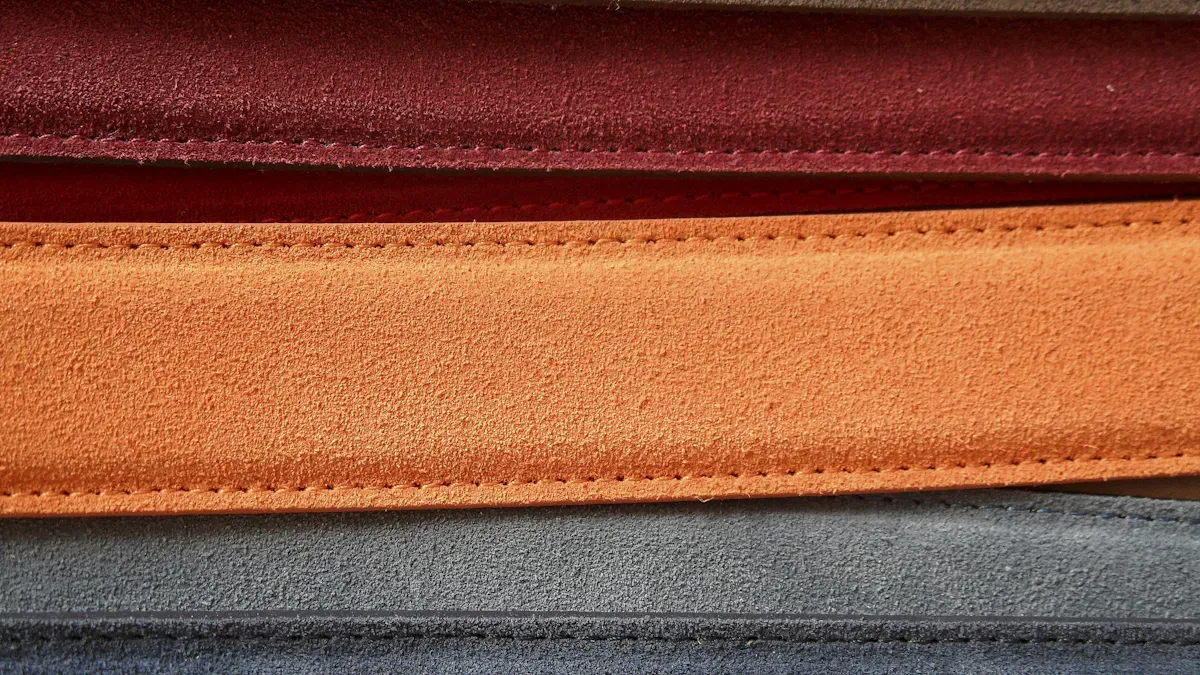
Microfiber leather, a leading form of artificial leather, offers superior durability and versatility compared to traditional leather. Its stain and water resistance significantly outperforms that of natural leather, making it a practical choice for various applications. The growing consumer demand for sustainable and ethical materials drives the shift towards this innovative microfiber leather alternative to real leather. More individuals seek vegan and eco-friendly products, particularly in the fashion and automotive sectors. Furthermore, advances in technology have enhanced microfiber leather performance advantages while lowering production costs, making it an accessible and affordable option for manufacturers. This is why brands switch to microfiber leather, as it meets the evolving needs of consumers while providing high-quality leather alternatives.
Key Takeaways
- Microfiber leather offers superior durability and stain resistance compared to traditional leather, making it ideal for high-use items.
- This material is more affordable and easier to maintain, requiring only a simple wipe to clean, which saves time and money.
- Microfiber leather is a sustainable choice, often made from recycled materials, and uses less water in production, appealing to eco-conscious consumers.
- Customization options for microfiber leather allow brands to create unique products that resonate with their target audience, enhancing brand loyalty.
- The growing demand for vegan and ethical materials drives the shift towards microfiber leather, reflecting changing consumer values in fashion and manufacturing.
Material Advantages of Microfiber Leather
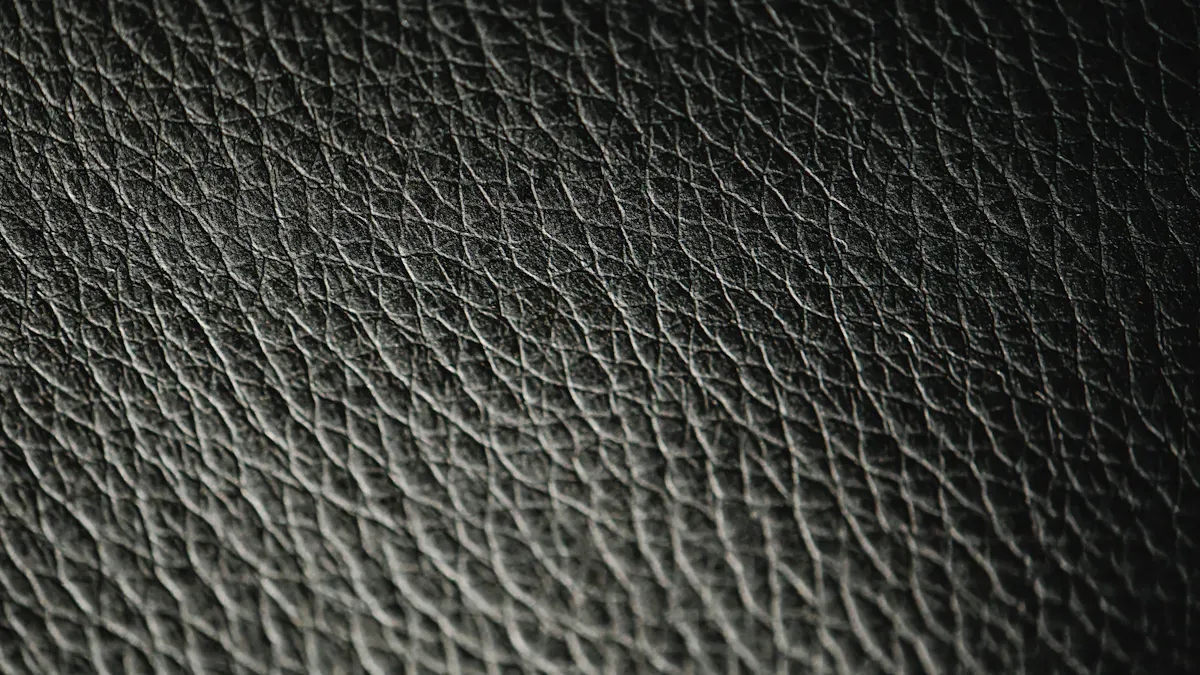
Microfiber leather stands out in the synthetic leather market due to its remarkable physical properties. Manufacturers and consumers alike appreciate its durability, affordability, and ease of maintenance. Here are some key advantages that differentiate microfiber leather from traditional leather:
- Durability: Microfiber leather exhibits exceptional resistance to wear and tear. Its tightly woven fibers create a robust structure that withstands daily use.
- Affordability: Compared to traditional leather, microfiber leather offers a cost-effective alternative without compromising quality.
- Easy Maintenance: Cleaning microfiber leather is straightforward. A simple wipe with a damp cloth often suffices to remove stains and dirt.
- Vegan-Friendly: As a synthetic material, microfiber leather appeals to those seeking cruelty-free options.
- Variety of Colors and Finishes: This material is available in a vast spectrum of colors and textures, allowing for customization in various applications.
- Breathability: While not as breathable as natural leather, microfiber leather still provides adequate airflow, enhancing comfort.
- Hypoallergenic: Microfiber leather is less likely to cause allergic reactions, making it suitable for sensitive individuals.
Microfiber leather’s advanced technology contributes to its high-performance characteristics. It resists abrasion, water, and stains, maintaining its surface texture even after extensive use. This makes it ideal for high-traffic items such as furniture and automotive interiors.
In terms of tensile strength, laboratory tests reveal that microfiber leather outperforms traditional leather. The following table illustrates the breaking strength and mechanical strength of both materials:
| Material | Breaking Strength (N/cm) | Mechanical Strength (MPa) |
|---|---|---|
| Microfiber Leather | 166 (machine direction) | 20 |
| 140 (cross direction) | ||
| Traditional Leather | < 166 | N/A |
The production of microfiber leather also has a lower environmental impact compared to traditional leather. Lifecycle assessments indicate that microfiber leather often utilizes recycled plastics, reducing resource consumption and emissions. The following table summarizes the environmental criteria for both materials:
| Criteria | Microfiber Leather | Traditional Leather |
|---|---|---|
| Raw Material Source | Recycled plastics (PET) | Animal farming |
| Production Emissions | Reduced via recycling processes | Significant resource use and emissions |
| Lifespan (Years) | 5–7+ | 2–4 |
| Biodegradability | No | Limited |
| Microplastic Shedding | Yes (mitigated in bonded versions) | Yes |
| End-of-Life Options | Energy recovery or mechanical recycling | Landfill or incineration |
These advantages position microfiber leather as a superior choice in modern manufacturing, appealing to both manufacturers and consumers who prioritize quality, sustainability, and ethical considerations.
Adaptability of Microfiber Leather in Various Industries
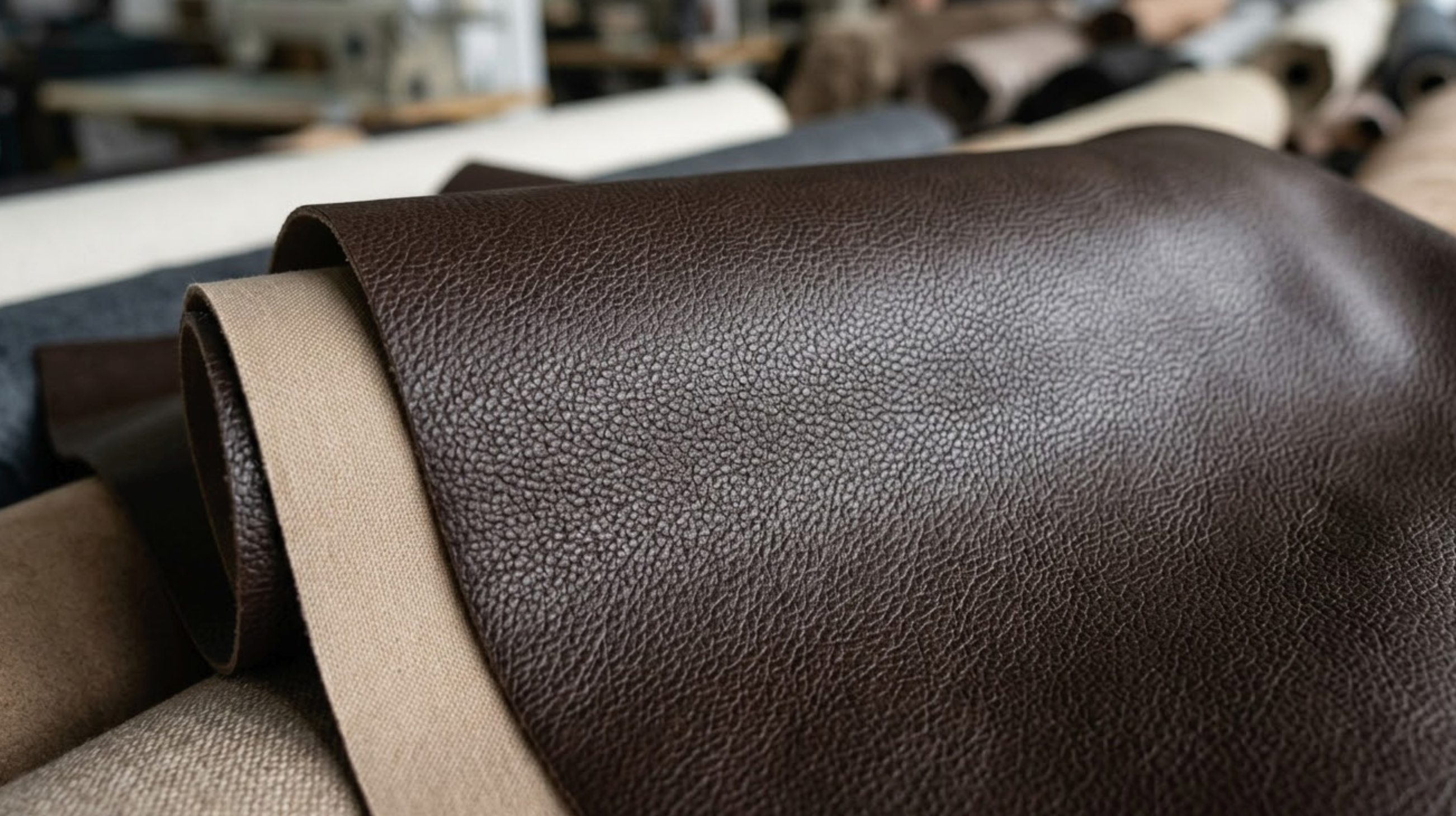
Microfiber leather demonstrates remarkable adaptability across multiple industries, making it a preferred choice for manufacturers. Its unique properties cater to the specific needs of various sectors, enhancing both functionality and aesthetics.
In the automotive industry, microfiber leather has gained significant traction. The material’s superior durability and resistance to daily wear make it ideal for automotive interiors. Manufacturers utilize microfiber leather for seating, door panels, and dashboards, where high contact occurs. This choice not only enhances the vehicle’s longevity but also contributes to a luxurious feel. The automotive sector appreciates microfiber leather for its ease of maintenance, which stands out compared to traditional leather.
The fashion industry is also witnessing a surge in the adoption of microfiber leather. Recent market reports indicate that consumer preferences are shifting towards eco-friendly alternatives. Major manufacturers are innovating to improve the quality and durability of microfiber leather for various applications, including clothing and accessories. Collaborations between fashion designers and key players highlight the material’s versatility, making it a popular choice among consumers seeking stylish yet sustainable options.
In furniture manufacturing, microfiber leather is preferred for its durability and low maintenance requirements. It enhances the aesthetic appeal of sofas, chairs, and other upholstered furniture. Consumers increasingly opt for luxurious looks at affordable prices, driving the demand for microfiber leather. Its stain resistance and attractive appearance make it an ideal choice for home furnishings.
Microfiber leather also finds applications in sports equipment. Its durability, affordability, and easy maintenance make it suitable for various sporting goods. The material is available in a wide range of colors and finishes, appealing to diverse consumer preferences. Additionally, its hypoallergenic properties make it a safe choice for athletes.
Overall, the adaptability of microfiber leather across these industries underscores its potential to replace traditional leather in modern manufacturing.
Customization Options with Microfiber Leather
Microfiber leather offers extensive customization options that traditional leather cannot match. Manufacturers can tailor this material to meet specific brand requirements and consumer preferences. Here are some notable customization techniques available for microfiber leather:
| Customization Technique | Description |
|---|---|
| Color Matching | Pantone color matching services ensure brand consistency. |
| Embossing & Debossing | Custom logos, patterns, or textures can be added to enhance branding. |
| Printing Capabilities | Advanced digital printing allows for intricate designs and vibrant graphics. |
| Private Labeling | OEM/ODM services enable exclusive material development for brands. |
To achieve specific colors and patterns, manufacturers employ various techniques. They utilize dyeing methods to apply color to microfiber leather. Surface coating enhances both the appearance and durability of the material. Additionally, embossing processes create unique patterns and textures, adding depth to the design.
The flexibility of microfiber leather allows brands to experiment with different aesthetics. For instance, a furniture manufacturer may choose a bold color and a textured finish to create a statement piece. In contrast, a fashion brand might opt for a sleek, minimalist design that aligns with current trends. This adaptability makes microfiber leather an attractive option for diverse applications.
Moreover, the ability to customize microfiber leather extends beyond mere aesthetics. Brands can develop exclusive materials that resonate with their target audience. This capability fosters brand loyalty and enhances market presence.
Consumer Sustainability Awareness and Microfiber Leather
The increasing awareness of sustainability issues among consumers significantly influences the leather industry. Many individuals now prioritize eco-friendly products, leading to a notable shift towards alternatives like microfiber leather. This trend is particularly strong among younger consumers, who often seek sustainable options that align with their values.
Recent statistics highlight this growing consumer consciousness. The microfiber leather market is projected to grow at a compound annual growth rate (CAGR) of 5.8% from 2026 to 2033. This growth reflects a broader trend in consumer behavior, where individuals increasingly prefer environmentally friendly options. Key factors driving this change include:
- Rising concerns about ethical consumption and environmental sustainability.
- Younger consumers are more likely to prioritize eco-friendly products.
- Significant market growth for microfiber synthetic leather.
Microfiber leather stands out as a sustainable alternative to traditional leather for several reasons. First, it is made from recycled materials, including post-consumer plastics like PET bottles. This process helps reduce waste and promotes a circular economy. Additionally, the production of microfiber leather uses up to 50% less water compared to traditional leather, which is crucial in conserving this vital resource. Furthermore, it avoids toxic chemicals, such as chromium, commonly used in leather tanning. This leads to lower pollution levels and a safer environment.
Environmental certifications also play a crucial role in enhancing consumer trust. For instance, the OEKO-TEX® Standard 100 certification confirms that microfiber leather is free from harmful substances. This assurance promotes a safer choice for consumers, further encouraging the shift towards sustainable materials. The following table summarizes the impact of such certifications on consumer trust:
| Certification | Impact on Consumer Trust |
|---|---|
| OEKO-TEX® Standard 100 | Confirms the absence of harmful substances, promoting safety. |
| Global Recycled Standard | Indicates use of recycled content, appealing to eco-conscious consumers. |
As consumers become more informed about the environmental impact of their choices, the demand for microfiber leather continues to rise. This material not only meets their aesthetic needs but also aligns with their values regarding sustainability. The shift towards microfiber leather reflects a broader movement towards responsible consumption, where style and ethics coexist harmoniously.
Cost Efficiency of Microfiber Leather
Microfiber leather offers significant cost efficiency compared to traditional leather. Its unique properties contribute to lower overall expenses for manufacturers and consumers alike. Here are some key factors that highlight the cost advantages of microfiber leather:
-
Maintenance: Microfiber leather requires minimal upkeep. A simple wipe with a damp cloth suffices for cleaning. In contrast, traditional leather demands regular conditioning and careful storage to maintain its appearance. This difference leads to lower maintenance costs for microfiber leather.
-
Durability: The high resistance of microfiber leather to wear and environmental damage results in a longer lifespan. Traditional leather, however, can dry out and crack without proper care, leading to higher replacement costs.
-
Lifecycle Costs: Over time, microfiber leather proves to be more economical. Its durability and low upkeep translate into lower overall costs. Traditional leather incurs higher expenses due to maintenance and wear.
-
Cost of Raw Materials: Microfiber leather typically has more competitive pricing than traditional leather. This affordability makes it an attractive option for manufacturers looking to reduce production costs.
-
Production Process: The production of microfiber leather is easier to standardize, which reduces waste. Traditional leather production involves complex processes that can lead to higher processing costs.
The following table summarizes the cost efficiency aspects of both materials:
| Aspect | Microfiber Leather | Traditional Leather |
|---|---|---|
| Maintenance | Low maintenance; simple cleaning required | Requires periodic conditioning and care |
| Durability | High resistance to wear and environmental damage | Prone to drying and cracking without care |
| Lifecycle Costs | Lower overall costs due to durability and low upkeep | Higher costs due to maintenance and wear |
| Cost of Raw Materials | More competitive pricing | Generally higher prices |
| Production Process | Easier to standardize, reducing waste | More complex, leading to higher processing costs |
Microfiber leather presents a compelling alternative to traditional leather due to its numerous advantages. The growing demand for vegan and cruelty-free alternatives drives this shift. Major clothing and shoe companies are adopting carbon-neutral operations while integrating microfiber leather into their product lines. Additionally, consumers increasingly focus on sustainable development and ethical production.
As technology continues to evolve, innovations in polymer chemistry and nanotechnology enhance the durability and flexibility of microfiber leather. Industry experts predict significant growth in this market, particularly in sectors like automotive and fashion. Microfiber leather is poised to dominate modern manufacturing, meeting the expectations of consumers who prioritize quality and sustainability.
FAQ
What is microfiber leather made from?
Microfiber leather consists of ultra-fine synthetic fibers, often derived from recycled plastics like PET. This composition gives it durability and a premium feel, making it a popular alternative to traditional leather.
How does microfiber leather compare to traditional leather in terms of care?
Microfiber leather requires minimal care. A simple wipe with a damp cloth removes most stains. In contrast, traditional leather needs regular conditioning and careful storage to maintain its appearance.
Is microfiber leather environmentally friendly?
Yes, microfiber leather is environmentally friendly. It often uses recycled materials and consumes less water during production compared to traditional leather. Additionally, it avoids harmful chemicals commonly found in leather tanning processes.
Can microfiber leather be customized?
Absolutely! Manufacturers can customize microfiber leather in various ways, including color matching, embossing, and printing. This flexibility allows brands to create unique products that align with their identity and consumer preferences.
What industries commonly use microfiber leather?
Microfiber leather finds applications in several industries, including automotive, fashion, furniture, and sports equipment. Its durability, aesthetic appeal, and ease of maintenance make it a preferred choice across these sectors.