
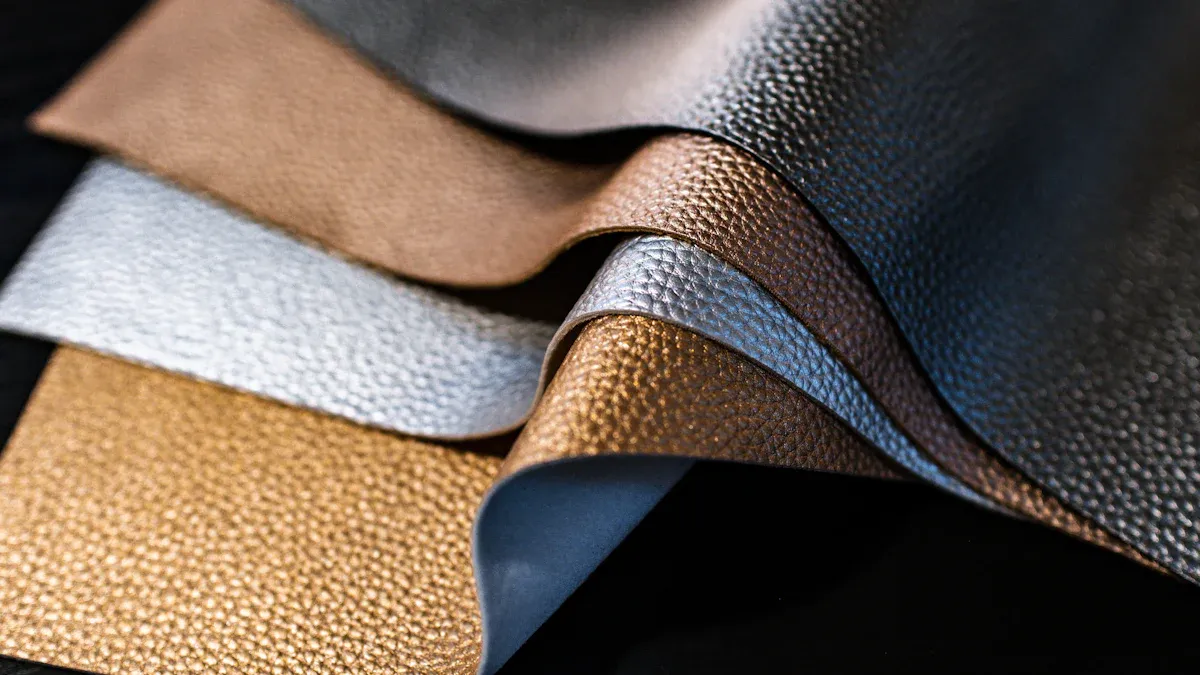
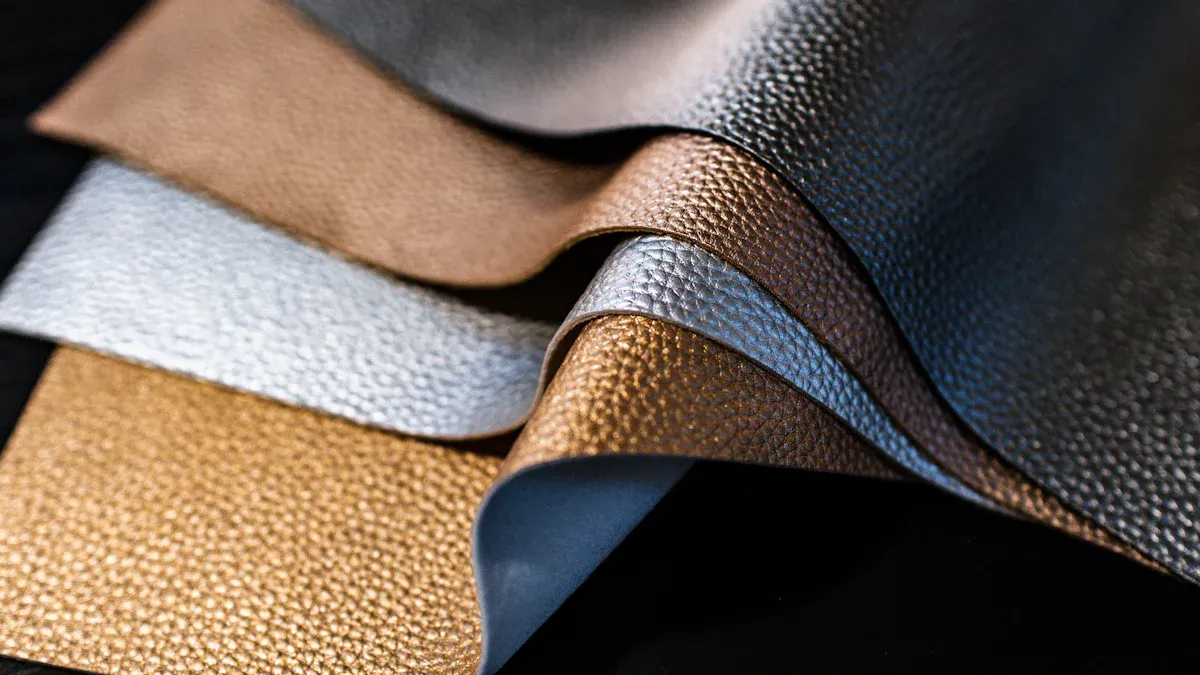
Microfiber leather stands out as a comfortable leather alternative for all-day wear. This innovative synthetic leather provides exceptional softness and breathability, making it ideal for footwear. Its durability raises the question of how durable is microfiber leather? The answer is that it surpasses traditional materials, ensuring longevity even under heavy use. Furthermore, the production of eco-friendly microfiber leather reflects a commitment to sustainable practices, appealing to environmentally conscious consumers. With its aesthetic versatility, designers can craft shoes that are both stylish and functional. Notably, nearly 21% of footwear manufacturers have adopted microfiber leather over PU vs microfiber or PVC alternatives, highlighting its growing popularity in the industry.
Key Takeaways
- Microfiber leather offers exceptional comfort and flexibility, making it ideal for all-day wear in footwear.
- This material is highly durable, lasting 5 to 10 years or more, significantly outlasting traditional leather options.
- Microfiber leather is a sustainable choice, reducing the environmental impact of footwear production by eliminating animal resources.
- The aesthetic versatility of microfiber leather allows for a wide range of colors and textures, appealing to style-conscious consumers.
- Microfiber leather is low-maintenance, resisting stains and moisture, which enhances its practicality for everyday use.
Microfiber Leather Comfort
Microfiber leather excels in providing comfort, making it a preferred choice for modern footwear. Its softness and flexibility contribute significantly to the overall wearing experience. Many users appreciate how this material molds to the foot, offering a snug fit without compromising movement.
Breathability plays a crucial role in foot health during prolonged wear. Natural leather allows air to circulate through its pores, helping regulate temperature and minimize sweat accumulation. In contrast, while microfiber can feature breathable linings, it is not inherently porous. This characteristic may lead to increased sweating and discomfort in hot or humid conditions. Users often report experiencing less odor and dampness in shoes made from traditional leather after long periods of wear.
The flexibility of microfiber leather further enhances comfort. A comparison of various materials reveals that microfiber leather stands out in terms of flexibility and comfort level:
| Material | Flexibility | Comfort Level |
|---|---|---|
| Microfiber Leather | Very Flexible | High |
| PU Leather | Less Flexible | Moderate (Plastic-like) |
Microfiber leather’s high flexibility makes it ideal for shoes and bags. This material enhances comfort for the wearer compared to PU leather, which tends to feel more rigid and plastic-like. The softness of microfiber leather contributes to a more enjoyable experience in footwear, allowing for extended wear without discomfort.
Microfiber Leather Durability

Microfiber leather demonstrates exceptional durability, making it a top choice for modern footwear. This material withstands significant wear and tear, ensuring that shoes maintain their appearance and functionality over time. In fact, microfiber leather can endure a remarkable number of double-rubs before showing signs of degradation.
| Use Case | Double-Rubs |
|---|---|
| Residential | ≥50,000 |
| Commercial | ≥100,000 |
Such resilience makes microfiber leather suitable for both residential and commercial applications.
When comparing the lifespan of shoes made from microfiber leather to those made from traditional leather, the differences are striking. Microfiber leather can last between 5 to 10 years or more with proper care, while traditional leather shoes often show signs of fatigue after just a few months. This longevity is particularly evident in safety shoes, where microfiber leather outlasts traditional options. The average lifespan of safety shoes, including nubuck leather, ranges from 6 to 18 months, while microfiber leather maintains its structure and appearance longer, reducing the need for early replacements.
Microfiber leather also excels in resistance to various environmental factors. It resists wear, tearing, and abrasion far better than many natural leathers. This durability extends to its ability to repel water and stains. Most stains on microfiber leather can be easily removed with a damp cloth and mild soap. Additionally, the polyurethane layer applied to microfiber leather enhances its water resistance, making it suitable for various applications.
Microfiber Leather Sustainability
Microfiber leather stands out as a sustainable alternative to traditional leather. Its production process significantly reduces the environmental impact associated with animal farming. By eliminating the need for animal resources, microfiber leather lowers its carbon footprint. In contrast, genuine leather production contributes to higher carbon emissions and greater environmental degradation.
However, the production of microfiber leather is not without its challenges. It involves heavy chemical usage, high energy consumption, and waste generation. Here are some key aspects of its environmental impact:
- Positive Aspects: Microfiber leather reduces animal impact and can be more resource-efficient than traditional leather.
- Negative Aspects: The production involves heavy chemical usage, high energy consumption, and waste generation.
- Long-Term Consequences: Concerns include microplastic pollution and persistence in the environment.
Despite these challenges, microfiber leather contributes to reducing waste in the footwear industry. The uniformity of the material leads to higher cutting yields, resulting in less scrap during manufacturing. This efficiency is evident in the following table:
| Evidence Type | Description |
|---|---|
| Reduced Manufacturing Waste | Uniformity of material leads to higher cutting yields and less scrap. |
| Consistent Quality | Fewer defects and variations compared to natural hides, simplifying production. |
| Lower Maintenance Costs | Products often require less specialized cleaning and care, offering long-term savings. |
The sustainability of microfiber leather aligns with the growing demand for eco-friendly products. As consumers become more environmentally conscious, the shift towards sustainable materials in footwear becomes increasingly important.
Microfiber Leather Aesthetic Appeal
Microfiber leather captivates consumers with its aesthetic versatility, making it a favored choice in modern footwear design. Designers appreciate the extensive range of textures, colors, and thicknesses that microfiber leather offers. Unlike traditional leather, which is limited by the natural variations of animal hides, microfiber leather allows for consistent quality across production batches. This uniformity enables designers to maintain high standards while exploring creative possibilities.
- Microfiber leather can be produced in a wide range of colors, providing options that traditional leather cannot match.
- It allows for diverse textures and finishes, from soft matte to high-gloss polish, enhancing the visual appeal of footwear.
- The material’s ease of use enables the creation of various products, including shoes, jackets, bags, and belts.
Consumer trends indicate a strong preference for microfiber leather due to its combination of robustness, comfort, and stylish appeal. As awareness of environmental issues grows, many consumers seek sustainable and cruelty-free fashion options. The rising demand for stylish and durable footwear drives the adoption of microfiber leather, as it offers a unique texture and aesthetic that appeals to those looking for high-quality products.
The texture variety of microfiber leather enhances shoe design innovation. It closely mimics the intricate grain patterns and tactile richness of genuine leather, expanding design possibilities for various shoe styles. This material not only meets aesthetic demands but also aligns with the values of modern consumers who prioritize sustainability and style.
Microfiber leather is setting new standards in footwear comfort and durability. Its softness and flexibility provide an unparalleled wearing experience, making it a favorite among consumers. The material’s low-maintenance nature enhances its appeal, as it resists stains and moisture effectively.
Additionally, the sustainable nature of microfiber leather aligns with modern consumer values. As more individuals seek eco-friendly alternatives, this material offers a cruelty-free option that reduces environmental impact.
Finally, the aesthetic appeal of microfiber leather enhances shoe designs, making them more desirable. With its versatility in textures and colors, it allows designers to create innovative footwear that meets the demands of style-conscious consumers.
FAQ
What is microfiber leather made of?
Microfiber leather consists of ultra-fine synthetic fibers, primarily polyester and polyurethane. This combination creates a soft, durable material that mimics the look and feel of genuine leather.
How does microfiber leather compare to genuine leather?
Microfiber leather offers similar aesthetics and comfort to genuine leather but is often more affordable, easier to maintain, and cruelty-free, making it a popular choice for modern footwear.
Is microfiber leather waterproof?
While microfiber leather is water-resistant, it is not entirely waterproof. It can repel moisture and stains, but prolonged exposure to water may still affect its integrity.
How should I clean microfiber leather shoes?
To clean microfiber leather shoes, use a damp cloth with mild soap. Avoid harsh chemicals and excessive water, as they can damage the material.
Can microfiber leather be recycled?
Yes, microfiber leather can be recycled, but the process may vary by manufacturer. Always check with local recycling facilities for specific guidelines on disposal and recycling options.