


Water-Based PU leather stands out as a sustainable alternative to traditional materials. This innovative product offers numerous environmental advantages, making it a popular choice in today’s market. Eco-friendly materials play a crucial role in reducing waste and promoting sustainability. Industries such as fashion, furniture, and automotive increasingly embrace sustainable PU leather, showcasing its versatility. Whether used as leather for fashion accessories or eco PU for furniture, the waterborne leather benefits contribute significantly to a greener planet. Additionally, many wonder, is microfiber leather more durable? This question highlights the ongoing exploration of materials that combine performance with sustainability.
Key Takeaways
- Water-based PU leather is a sustainable alternative to traditional leather, reducing environmental impact and promoting eco-friendly practices.
- This innovative material significantly lowers VOC emissions, contributing to cleaner air and a healthier work environment for manufacturers.
- Water-based PU leather is versatile, finding applications in fashion, home goods, and automotive industries, making it a stylish and responsible choice.
- Look for certifications like OEKO-TEX and GREENGUARD Gold to ensure the products you choose are safe and environmentally friendly.
- Choosing water-based PU leather supports ethical practices and helps create a greener future for our planet.
Understanding Water-Based PU
Water-Based PU leather represents a significant advancement in sustainable materials. This innovative product is crafted by applying a polyurethane coating onto a fabric backing, using water as the primary solvent. This method not only mimics the look and feel of genuine leather but also reduces the environmental impact associated with traditional leather production.
Chemical Composition
The main chemical components of water-based PU leather differ significantly from those of solvent-based PU leather. Below is a comparison of their chemical compositions and environmental impacts:
| Type of PU Leather | Main Chemical Components | Environmental Impact |
|---|---|---|
| Water-based PU leather | Polyurethane resin in water, pigments, fillers, stabilizers | Lower emissions, more eco-friendly |
| Solvent-based PU leather | Volatile organic compounds (VOCs) as solvents | Higher emissions, greater environmental impact |
Manufacturing Process
The manufacturing process of water-based PU leather minimizes environmental harm through several key practices:
- The use of water-based coatings reduces reliance on organic solvents, significantly lowering emissions.
- Bio-based materials derived from renewable resources, such as corn and sugar cane, decrease dependence on petroleum and lower carbon emissions.
- A closed-loop manufacturing system allows for over 90% water reuse, minimizing waste.
- Advanced energy-efficient technologies cut energy consumption by 40-50% compared to traditional methods.
These practices contribute to a more sustainable production cycle, aligning with the growing demand for eco-friendly materials.
Certifications and Eco-Labels
Water-based PU leather products often carry various certifications that attest to their environmental safety and sustainability. Some common certifications include:
| Certification | Description |
|---|---|
| REACH | Compliance with chemical safety standards in the EU. |
| OEKO-TEX Standard 100 | Ensures the material is free from harmful substances. |
| GREENGUARD Gold | Certifies low chemical emissions for healthier indoor air. |
These certifications provide consumers with confidence in the safety and sustainability of their purchases.
Durability Comparison
When comparing the durability of water-based PU leather to other synthetic leathers, it stands out in several areas:
| Feature | Water-based PU Leather | Other Synthetic Leathers |
|---|---|---|
| Scratch Resistance | High | Varies |
| Stain Resistance | High | Varies |
| Fading Resistance | High | Varies |
| Breathability | Good | Poor |
| Maintenance Ease | Easy | Varies |
Water-based PU leather not only offers an eco-friendly alternative but also maintains high durability, making it suitable for various applications.
Environmental Benefits of Water-Based PU
Water-based PU leather offers numerous environmental benefits that make it a superior choice compared to traditional solvent-based alternatives. One of the most significant advantages is the drastic reduction in Volatile Organic Compound (VOC) emissions. Water-based PU leather can reduce VOC emissions by nearly 99% compared to its solvent-based counterparts. This reduction plays a crucial role in lowering the overall environmental impact of the manufacturing process.
Key Environmental Benefits of Water-Based PU Leather:
- Lower VOC Emissions: Water-based PU leather significantly reduces VOC emissions, contributing to cleaner air quality.
- Healthier Work Environment: The adoption of water-based PU technology minimizes health risks for workers during manufacturing. This technology eliminates the use of toxic chemicals like DMF, which pose dangers to both workers and the environment.
- Sustainable Production Practices: The manufacturing process of water-based PU leather incorporates eco-friendly practices, such as using renewable resources and minimizing waste through closed-loop systems.
The production of solvent-based PU involves harmful chemicals that can adversely affect both the environment and human health. By choosing water-based PU leather, manufacturers can achieve comparable or even superior quality while ensuring a safer and more sustainable production process.
Additionally, water-based PU leather aligns with the growing demand for eco-friendly materials. As consumers become more environmentally conscious, they seek products that reflect their values. Water-based PU leather meets this demand by providing a sustainable alternative that does not compromise on quality or performance.
Applications in Fashion and Accessories

Water-Based PU leather has transformed the fashion and accessories industry by providing a sustainable alternative to traditional leather. Designers and brands increasingly choose this eco-friendly material for its versatility and aesthetic appeal. Here are some notable applications:
- Handbags and Purses: Many fashion brands now produce stylish handbags using Water-Based PU. These bags offer durability and a luxurious look without harming the environment.
- Footwear: Sneakers and dress shoes made from Water-Based PU leather combine comfort with style. They provide a fashionable option for consumers who prioritize sustainability.
- Jackets and Coats: Designers create trendy outerwear using this innovative material. Water-Based PU leather jackets offer a chic appearance while being lightweight and easy to maintain.
- Belts and Wallets: Accessories such as belts and wallets made from Water-Based PU leather are gaining popularity. They provide a sophisticated touch to any outfit while supporting eco-friendly practices.
Tip: When shopping for fashion items, look for labels that specify the use of Water-Based PU leather. This choice supports sustainable fashion and reduces environmental impact.
The rise of Water-Based PU leather aligns with the growing consumer demand for ethical and sustainable products. As awareness of environmental issues increases, more brands are committed to using eco-friendly materials. This shift not only benefits the planet but also enhances brand reputation among conscious consumers.
Applications in Home Goods
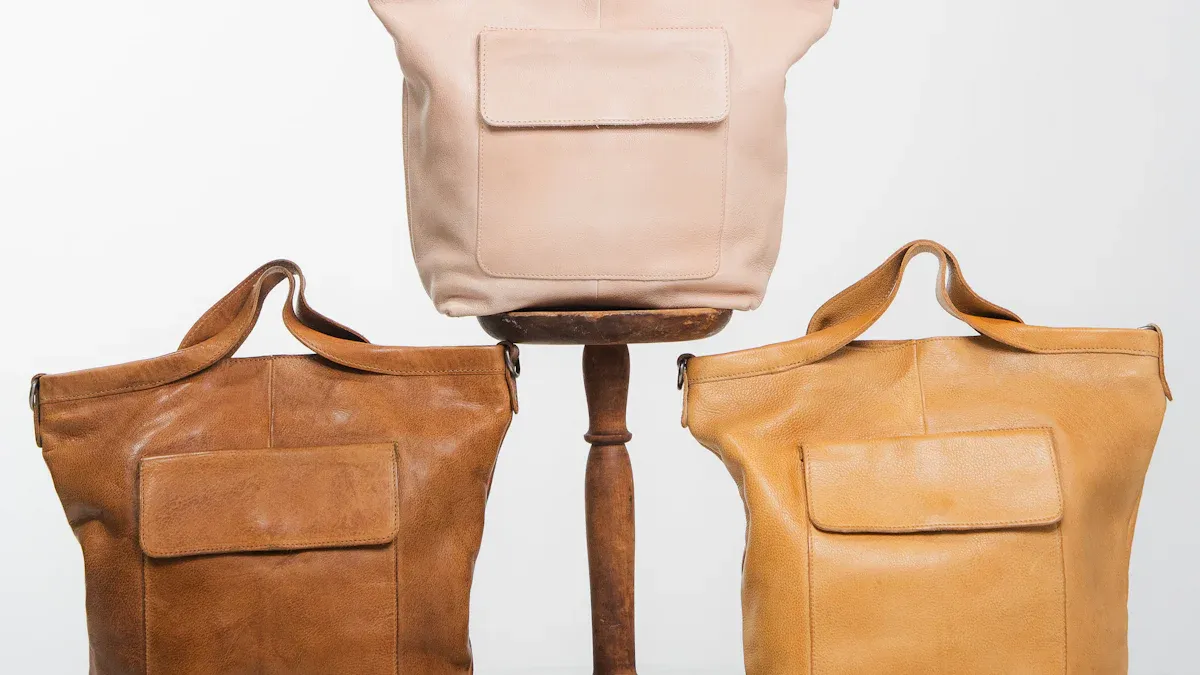
Water-Based PU leather has gained traction in the home goods sector, offering a sustainable alternative to traditional materials. This eco-friendly option enhances the aesthetic appeal of various household items while promoting environmental responsibility. Here are some notable applications:
- Furniture Upholstery: Many manufacturers now use Water-Based PU leather for sofas, chairs, and ottomans. This material provides a luxurious look and feel while being easy to clean and maintain.
- Cushions and Pillows: Decorative cushions made from Water-Based PU leather add a modern touch to living spaces. They are durable and resistant to wear, making them ideal for everyday use.
- Wall Coverings: Designers increasingly incorporate Water-Based PU leather into wall panels and coverings. This application not only enhances the visual appeal of interiors but also contributes to sound insulation.
- Tableware: Water-Based PU leather finds its way into table mats and coasters. These items combine style with functionality, protecting surfaces while adding a chic element to dining experiences.
Tip: When selecting home goods, consider products made from Water-Based PU leather. This choice supports sustainable practices and reduces environmental impact.
The versatility of Water-Based PU leather makes it suitable for various home goods applications. As consumers become more environmentally conscious, they seek products that align with their values. By choosing items made from this innovative material, they contribute to a more sustainable future.
Applications in Automotive Industry
Water-Based PU leather has made significant inroads into the automotive industry, providing a sustainable alternative to traditional materials. Manufacturers increasingly utilize this eco-friendly option for various automotive applications. Here are some key uses:
- Upholstery: Water-Based PU leather serves as an excellent choice for car seats and interior panels. It offers a luxurious feel while being easy to clean and maintain.
- Dashboard Covers: Many vehicles now feature dashboard covers made from Water-Based PU leather. This material enhances the aesthetic appeal of the interior while providing durability.
- Door Panels: Car manufacturers use Water-Based PU leather for door panels, combining style with functionality. This application helps reduce weight, contributing to better fuel efficiency.
- Steering Wheels: Water-Based PU leather is also popular for steering wheel covers. It provides a comfortable grip and adds a touch of elegance to the vehicle’s interior.
Tip: When purchasing a vehicle, inquire about the materials used in the interior. Opting for models that feature Water-Based PU leather supports sustainable practices.
The automotive industry benefits from Water-Based PU leather’s durability and aesthetic qualities. This material not only meets consumer demands for comfort and style but also aligns with the growing emphasis on sustainability. As more manufacturers adopt eco-friendly materials, the automotive sector moves closer to reducing its environmental footprint.
Comparison with Traditional Materials
Water-based PU leather offers several advantages over traditional materials, particularly animal leather and solvent-based synthetic leathers. Understanding these differences helps consumers make informed choices.
Key Comparisons
-
Environmental Impact:
- Water-based PU leather significantly reduces VOC emissions, lowering air pollution.
- Traditional leather production often involves harmful chemicals and extensive water usage.
-
Animal Welfare:
- Water-based PU leather is a cruelty-free alternative, eliminating the need for animal hides.
- Traditional leather raises ethical concerns regarding animal treatment and slaughter.
-
Durability:
- Water-based PU leather exhibits high resistance to scratches, stains, and fading.
- While traditional leather can be durable, it often requires more maintenance to preserve its appearance.
-
Maintenance:
- Water-based PU leather is easy to clean and maintain, requiring only a damp cloth for upkeep.
- Traditional leather demands special cleaners and conditioners to prevent drying and cracking.
-
Cost:
- Water-based PU leather typically costs less than high-quality animal leather.
- Traditional leather can be expensive due to sourcing and processing costs.
Tip: When considering materials for your next purchase, weigh the benefits of water-based PU leather against traditional options. This choice supports sustainability and ethical practices.
Water-based PU leather offers numerous advantages, including reduced environmental impact, enhanced durability, and ethical production practices. This innovative material aligns with the growing demand for sustainable options in various industries.
Tip: Choosing eco-friendly products not only benefits the planet but also supports responsible manufacturing practices.
Consumers should explore the wide range of sustainable products available today. By making informed choices, they can contribute to a greener future.
FAQ
What is water-based PU leather?
Water-based PU leather is a synthetic material made by applying a polyurethane coating to a fabric backing using water as the solvent. This process reduces environmental impact compared to traditional leather production.
How does water-based PU leather compare to traditional leather?
Water-based PU leather offers lower VOC emissions, is cruelty-free, and requires less maintenance. Traditional leather often involves harmful chemicals and animal products, making water-based options more sustainable.
Is water-based PU leather durable?
Yes, water-based PU leather is highly durable. It resists scratches, stains, and fading, making it suitable for various applications, including fashion, home goods, and automotive interiors.
How can I identify products made from water-based PU leather?
Look for labels or descriptions that specify “water-based PU leather.” Certifications like OEKO-TEX or GREENGUARD Gold can also indicate environmentally friendly materials.
Can water-based PU leather be recycled?
While water-based PU leather is more eco-friendly than traditional options, recycling facilities for synthetic leathers may vary. Check with local recycling programs for specific guidelines on disposal.