
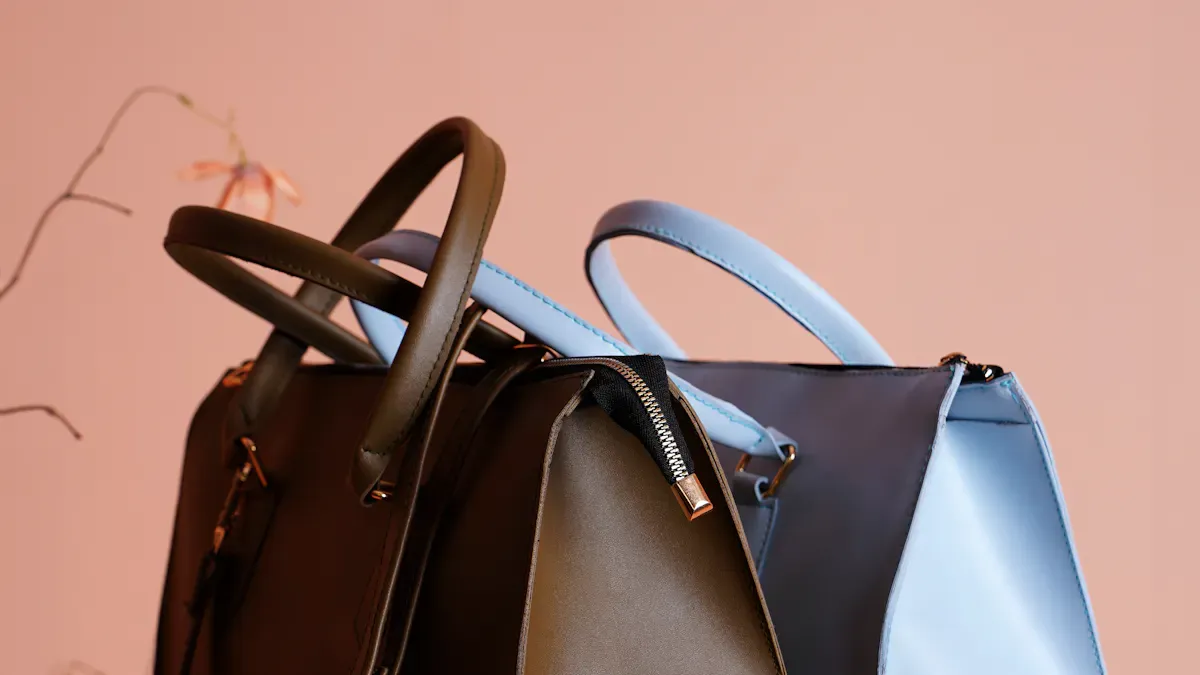
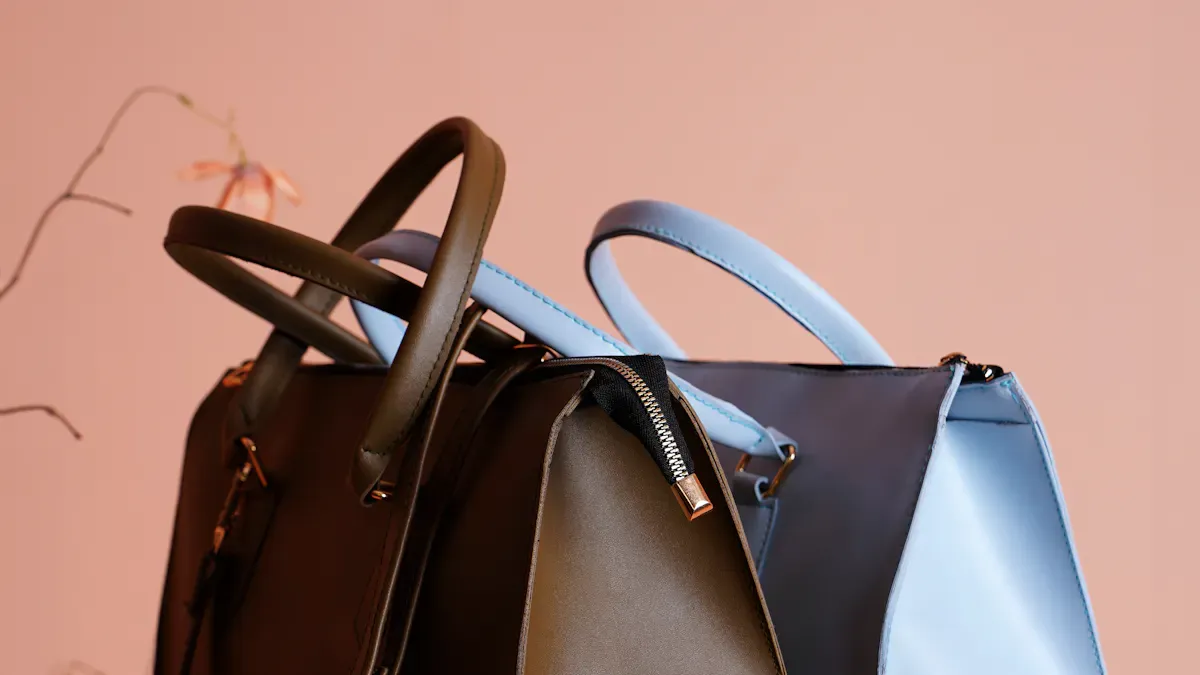
The fashion industry is experiencing a significant shift towards silicone leather in high-end bags. This material provides immediate benefits over PVC leather, such as enhanced durability and eco-friendliness. Consumers are increasingly prioritizing sustainable and cruelty-free options, with 60% considering sustainability a key factor in their purchasing decisions. The innovative properties of silicone leather address concerns over animal welfare and environmental impact, making it an appealing choice for luxury bag manufacturing materials. Additionally, understanding the differences between PVC and silicon leather can help consumers make informed choices. As the demand for flexible packaging materials grows, waterproof PVC leather also remains a popular option for various applications, ensuring that both style and functionality are met in the market.
Key Takeaways
- Silicone leather lasts longer than PVC leather, with a lifespan of 5 to 15 years, making it a smart investment for high-end bags.
- Silicone leather is easier to maintain. A simple wipe with soap and water keeps it looking new, saving time and effort.
- Choosing silicone leather supports sustainability. It is vegan-friendly and produces no toxic byproducts, making it better for the environment.
- Silicone leather offers a wide range of colors and textures, allowing for unique and stylish designs that cater to diverse tastes.
- Consumers appreciate the hypoallergenic properties of silicone leather, making it a safer choice for those with allergies.
Durability Comparison
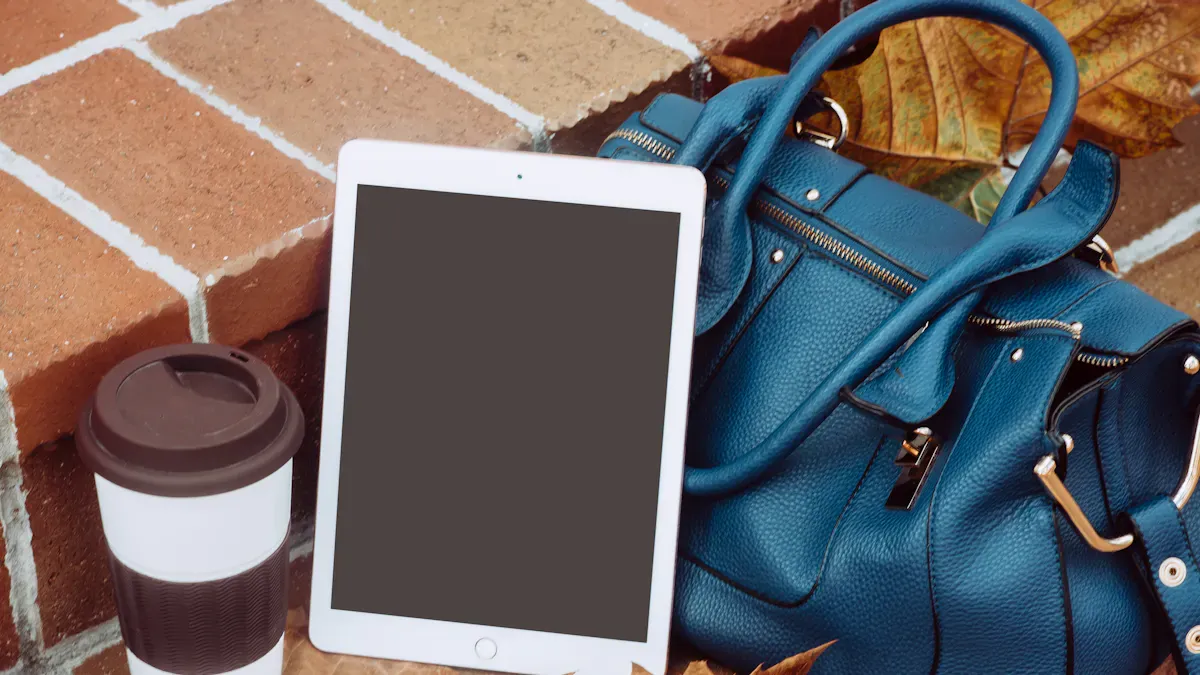
Durability plays a crucial role in the choice of materials for high-end bags. Silicone leather outperforms PVC leather in several key areas, making it a preferred option for discerning consumers.
-
Lifespan:
- Silicone leather has an impressive lifespan ranging from 5 to 15 years, depending on usage frequency.
- In contrast, PVC leather typically lasts between 5 and 10 years. This extended durability of silicone leather makes it particularly appealing for high-end bags, where longevity is essential.
-
Resistance to Damage:
Comparative studies reveal significant differences in how these materials withstand everyday wear and tear. The following table summarizes their performance:Material Scratch Resistance Stain Resistance UV Resistance Waterproofing Cleanability Silicone Leather Superior Superior Higher Higher Higher PVC Leather Lower Lower Lower Lower Lower Silicone leather exhibits superior scratch and stain resistance compared to PVC leather. This quality ensures that high-end bags maintain their aesthetic appeal over time. Furthermore, silicone leather offers higher UV resistance, preventing color fading and surface degradation. PVC leather, on the other hand, can degrade significantly under prolonged UV exposure, leading to issues such as color fading and surface chalkiness. Additionally, PVC can emit hydrochloric acid when exposed to heat and sunlight, further compromising its integrity.
-
Waterproofing and Cleanability:
Silicone leather’s waterproof properties enhance its durability, making it suitable for various environments. Its easy cleanability adds to its appeal, allowing consumers to maintain their bags with minimal effort. In contrast, PVC leather lacks these advantages, often requiring more care to keep it looking pristine.
Maintenance and Care
Maintaining high-end bags made from silicone leather proves to be a straightforward process. This material requires minimal upkeep, allowing consumers to enjoy their bags without the hassle of extensive care routines. Here are some key points regarding the maintenance of silicone leather compared to PVC leather:
-
Silicone Leather:
- Rinsing and wiping with mild soap suffices for cleaning.
- Consumers can even wash silicone leather bags in a dishwasher, making maintenance incredibly convenient.
- No special cleaners are necessary, which reduces overall maintenance costs.
-
PVC Leather:
- Regular upkeep is essential to maintain its appearance and longevity.
- Owners should dust their PVC leather bags weekly to prevent dirt buildup.
- Conditioning every few months is crucial to avoid drying and cracking, especially at stress points.
The differences in maintenance requirements highlight the advantages of silicone leather. Consumers appreciate the ease of care, which aligns with their busy lifestyles.
Tip: For optimal care, always store bags in a cool, dry place away from direct sunlight. This practice helps preserve the material’s integrity and appearance.
Environmental Impact
The environmental impact of materials used in high-end bags has become a significant concern for consumers. Silicone leather emerges as a sustainable alternative to traditional PVC leather, offering several advantages in terms of resource consumption and ecological footprint.
-
Sustainability:
- Silicone leather is a vegan-friendly option that reduces environmental harm compared to conventional leather. Its production does not involve harmful chemicals, making it a safer choice for the planet.
- In contrast, the leather industry contributes significantly to carbon emissions. In 2015, it produced approximately 130 mega tons of CO2, with cattle farming accounting for about 15% of global emissions. Although synthetic leather, including PVC leather, has a lower carbon footprint than real leather, it still poses challenges related to resource consumption and waste management.
-
Toxic Byproducts:
- The manufacturing process of PVC leather raises serious environmental concerns. It contains around 57% chlorine by weight, leading to the release of hazardous byproducts such as dioxins during production and incineration. These pollutants are persistent organic compounds that can cause severe health risks and environmental damage.
- Silicone leather, on the other hand, does not contain chlorine. This absence eliminates the risk of toxic byproducts, making silicone leather a non-toxic alternative.
-
End-of-Life Disposal:
- The recyclability of PVC leather presents significant challenges. It has a low recycling rate for post-consumer waste, with most recycled material originating from pre-consumer waste. Incinerating PVC can produce hazardous waste, complicating its end-of-life management.
- In contrast, while specific information about the recyclability of silicone leather is limited, its production process suggests a potentially lower environmental impact at the end of its lifecycle.
| Aspect | PVC Leather | Silicone Leather |
|---|---|---|
| Chlorine Content | ~57% Chlorine | 0% Chlorine |
| Toxic Byproducts | Dioxins, hydrochloric acid | None |
| Recyclability | Very low | Potentially higher |
The environmental criticisms of PVC leather production highlight its detrimental effects. The high chlorine content leads to the formation of hazardous dioxins, which pose significant health risks. Additionally, phthalates used in PVC leather can disrupt endocrine functions, further complicating its environmental footprint.
Aesthetic Appeal
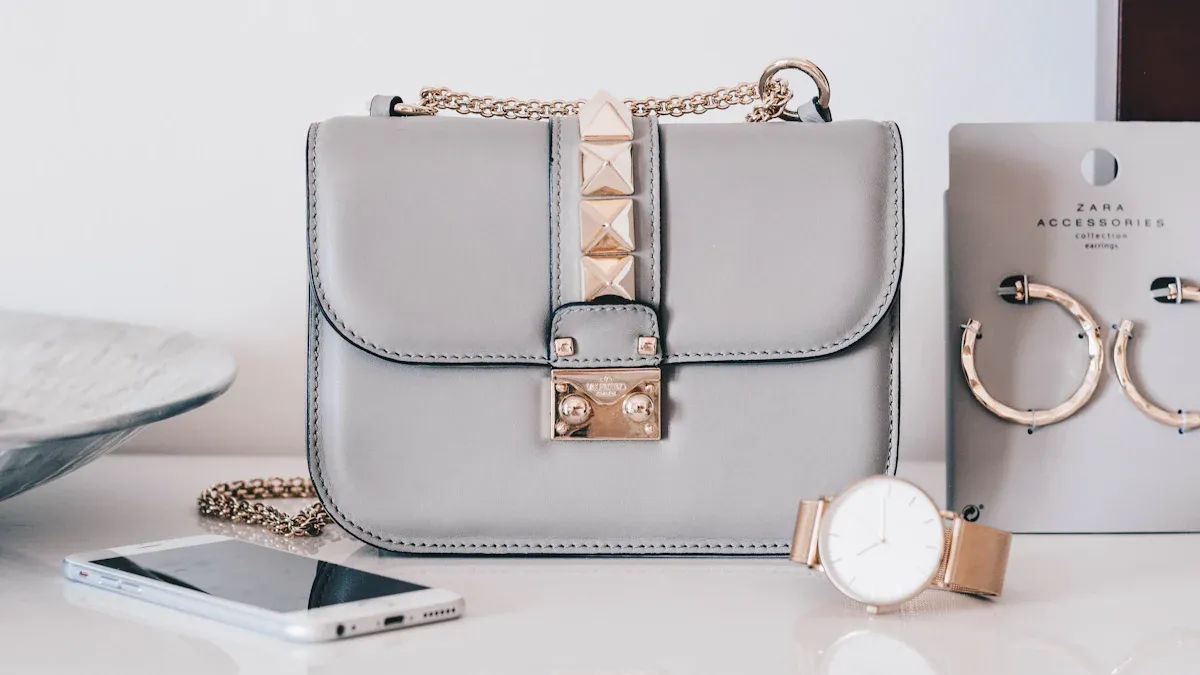
Aesthetic appeal significantly influences consumer choices in high-end bags. Silicone leather stands out for its unique visual and tactile qualities, making it a favored option among luxury brands.
-
Visual Versatility:
- Silicone leather offers a wide range of colors and finishes. Designers can create vibrant hues and textures that mimic natural materials. This versatility allows for innovative designs that cater to diverse consumer preferences.
- The material can be embossed or printed, providing endless possibilities for customization. This adaptability enhances the overall aesthetic of high-end bags.
-
Tactile Experience:
- The smooth surface of silicone leather feels luxurious to the touch. This quality elevates the sensory experience for users, making the bags not only visually appealing but also enjoyable to handle.
- Unlike PVC leather, which may feel stiff or plastic-like, silicone leather maintains a soft and supple texture. This characteristic contributes to a more refined look and feel.
-
- Silicone leather significantly reduces the risk of allergic reactions compared to traditional leather. The silicone polymer used is hypoallergenic, making it less likely to cause allergic responses. Individuals with leather allergies can generally use silicone leather safely, as it lacks animal-derived components and common tanning chemicals.
- The smooth surface of silicone leather minimizes the likelihood of dirt and allergens getting trapped, which helps maintain a low allergen environment. This feature appeals to consumers who prioritize both style and safety.
Consumer Testimonials
Consumer feedback plays a vital role in understanding the appeal of silicone leather for high-end bags. Many users appreciate its unique qualities, while some express concerns about certain drawbacks. Here are some insights from consumers:
-
Positive Experiences:
- Many users praise silicone leather for its durability and ease of maintenance. One customer noted, “I love how easy it is to clean my silicone leather bag. A quick wipe with soap and water keeps it looking new!”
- Another consumer highlighted the aesthetic versatility, stating, “The range of colors and textures available in silicone leather is impressive. I found the perfect shade to match my style.”
-
Concerns Raised:
- Some consumers mentioned that silicone leather can feel slippery and less comfortable to hold. They noted, “While I love the look, the bag can be a bit hard to grip at times.”
- Users also reported visible wear over time. They observed, “My silicone leather bag has started to discolor slightly, especially in the lighter colors. It’s disappointing to see it change after just a few months.”
-
Environmental Considerations:
- A few consumers expressed concerns about the environmental impact of silicone leather. They pointed out that silicone is a synthetic material that is challenging to biodegrade, contributing to pollution. One user remarked, “I love the look of silicone leather, but I worry about how it affects the environment in the long run.”
Overall, consumer testimonials reveal a mix of satisfaction and caution regarding silicone leather. While many appreciate its durability and aesthetic appeal, some concerns about comfort and environmental impact remain. As the market evolves, these insights will help shape future innovations in high-end bag materials.
Silicone leather offers numerous advantages over PVC leather, including enhanced durability, easier maintenance, and a lower environmental impact. As consumers increasingly prioritize sustainability, luxury brands are adopting materials like silicone leather to meet this demand. Future trends in high-end bags will likely focus on sustainability, with recycled materials and innovative options like Si-TPV silicone vegan leather gaining popularity. Additionally, technology integration will lead to smart bags featuring wireless charging and tracking capabilities.
Consumers should embrace these sustainable choices, as they contribute to a more ethical and environmentally friendly fashion industry.
FAQ
What is silicone leather?
Silicone leather is a synthetic material made from silicone polymers. It mimics the look and feel of traditional leather while offering enhanced durability, ease of maintenance, and a lower environmental impact.
How does silicone leather compare to PVC leather in terms of durability?
Silicone leather outlasts PVC leather, with a lifespan of 5 to 15 years compared to PVC’s 5 to 10 years. It also offers superior resistance to scratches, stains, and UV damage.
Is silicone leather environmentally friendly?
Yes, silicone leather is more environmentally friendly than PVC leather. It contains no chlorine, produces no toxic byproducts, and has a lower ecological footprint, making it a safer choice for the planet.
Can silicone leather be recycled?
While specific recycling information for silicone leather is limited, its production process suggests a potentially lower environmental impact at the end of its lifecycle compared to PVC leather, which has a very low recycling rate.
How do I care for silicone leather bags?
Caring for silicone leather bags is simple. Wipe them with mild soap and water. They can even be washed in a dishwasher, making maintenance easy and convenient.