
In today’s fast-evolving manufacturing landscape, businesses are prioritizing sustainable synthetic leather materials that balance performance, durability, and environmental responsibility. At HH-MF, with over 20 years of expertise in high-performance synthetic materials, we produce innovative options like microfiber leather and water-based PU leather. This guide explores our core products, applications, and why they outperform traditional alternatives—backed by industry data and real-world use cases.
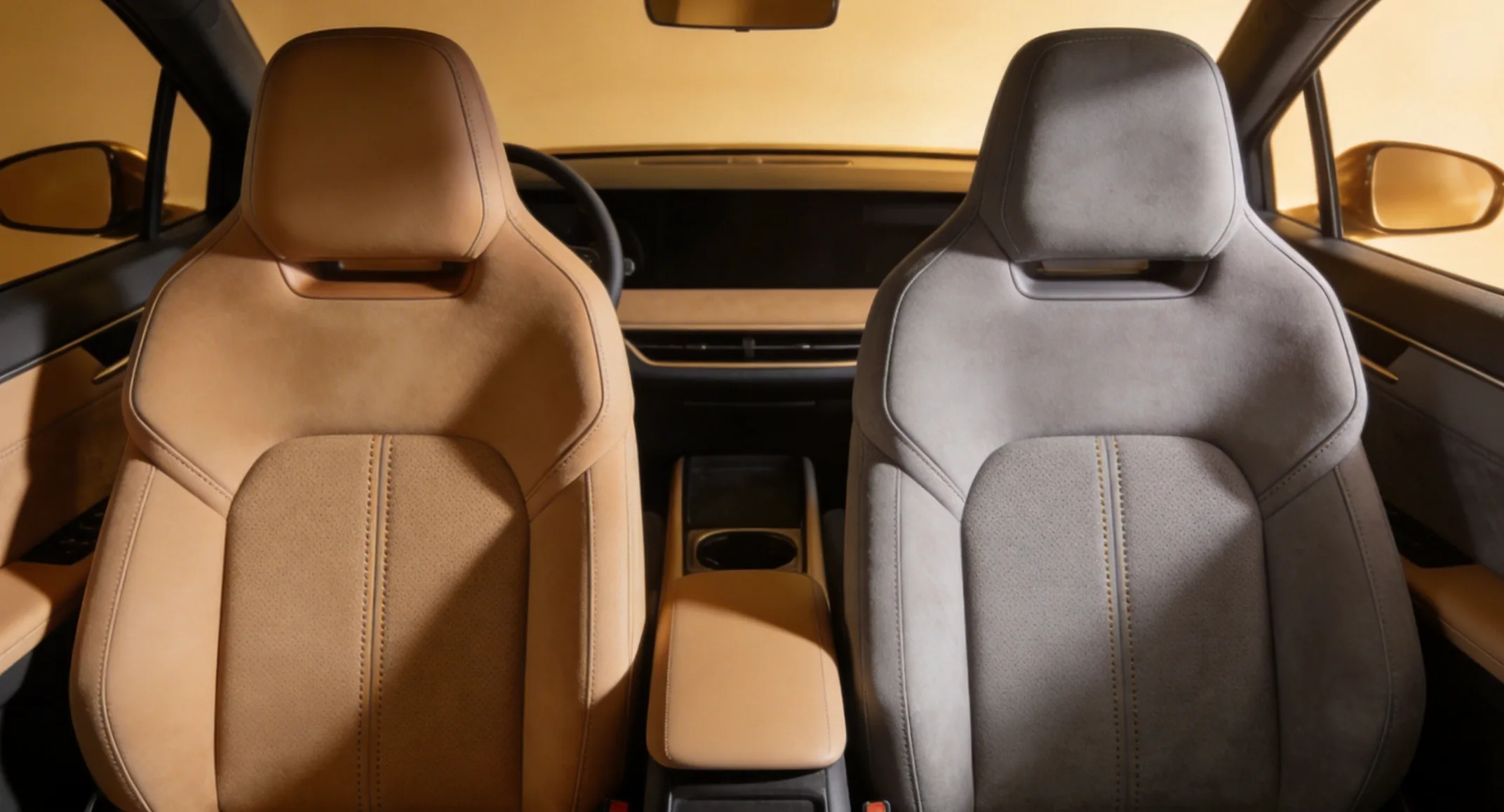
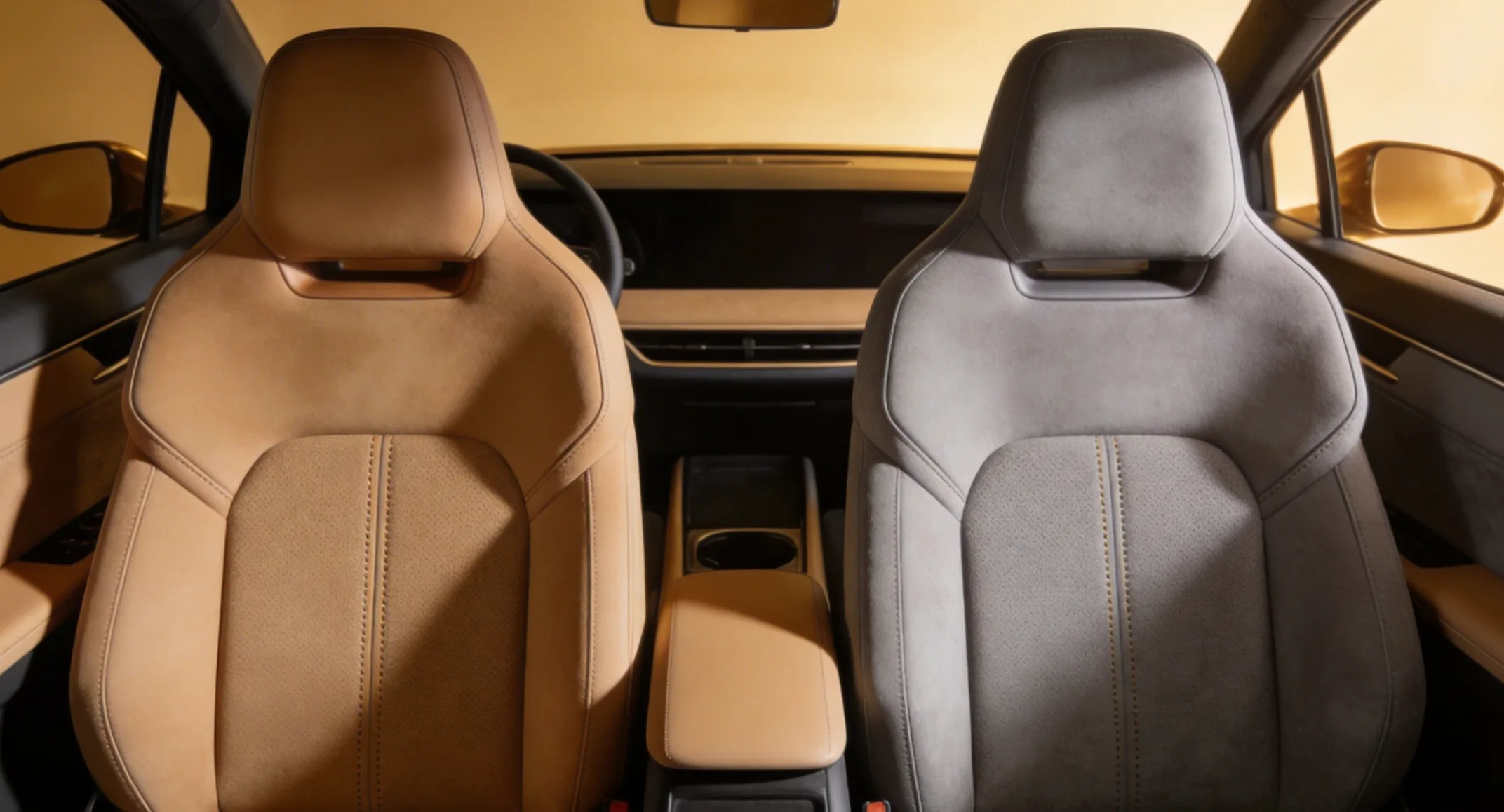
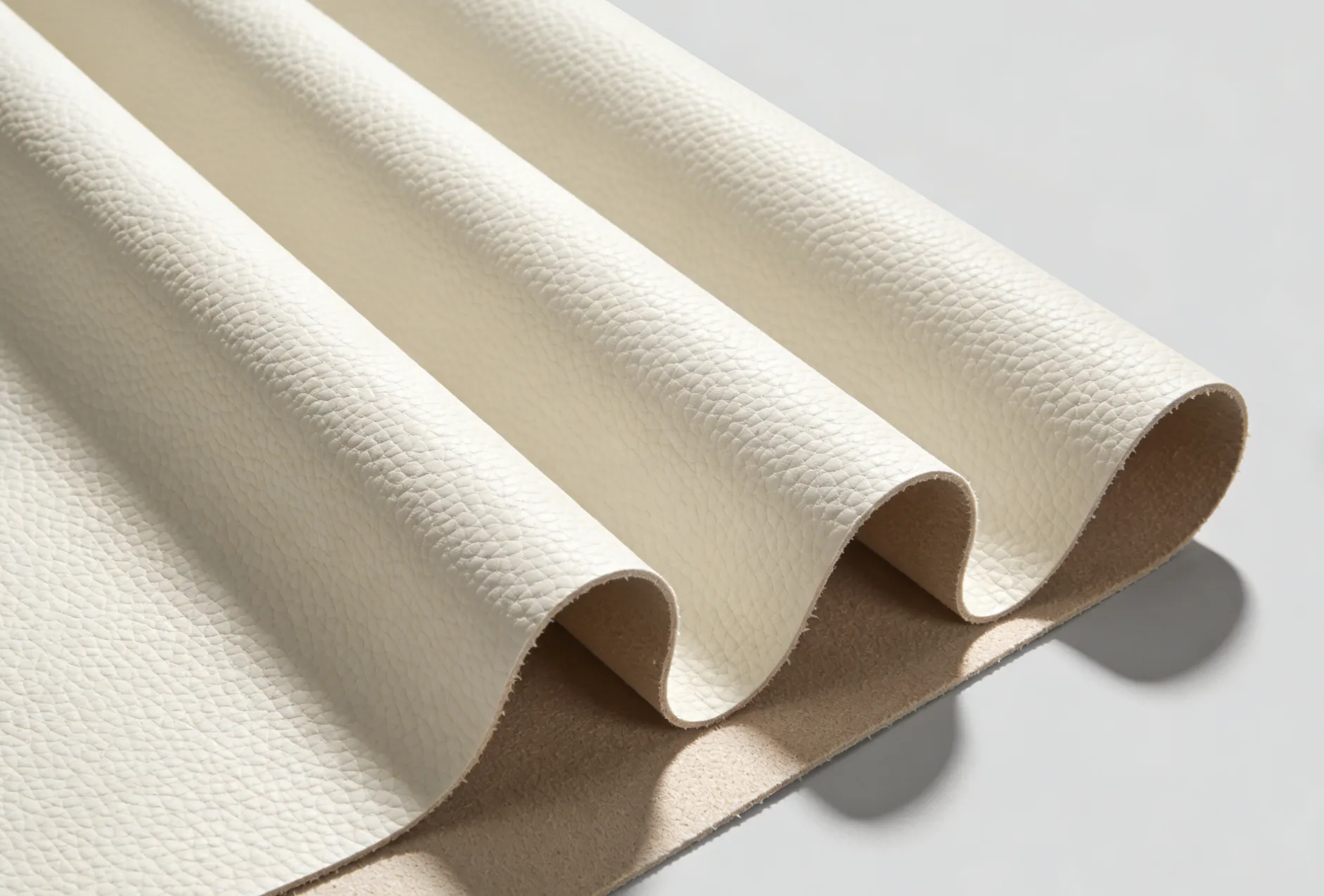
High-resolution microfiber leather mimicking premium genuine leather, ideal for automotive and fashion uses. Alt: “Sustainable microfiber leather texture for B2B applications.”
What Is Microfiber Leather and Why Is It Revolutionizing Synthetic Materials?
Microfiber leather, also known as microfiber suede or sea-island microfiber, is a premium synthetic material engineered from ultra-fine polyester and polyurethane fibers (typically 0.5-5 denier per filament). Unlike conventional PU leather, it replicates the multi-layered structure of genuine leather, offering superior breathability, tear resistance, and water repellency.
Key Advantages of Microfiber Leather Over Traditional Leather
Microfiber leather stands out for its eco-friendly profile and versatility. Here’s a comparison table highlighting its edge:
| Feature | Microfiber Leather (HH-MF) | Genuine Leather | Traditional PU Leather |
|---|---|---|---|
|
Durability (Martindale Cycles) |
>100,000 |
50,000-80,000 |
20,000-50,000 |
|
Environmental Impact |
Low VOCs, recyclable |
High water use, tanning chemicals |
Solvent-based, high emissions |
|
Breathability (MVTR) |
Excellent (high moisture vapor transmission rate) |
Good |
Poor |
|
Cost Efficiency |
30-50% lower lifecycle cost |
High |
Low initial, high maintenance |
|
Sources |
HH-MF data; ISO 17075 standards |
ASTM D2209 |
EU REACH regulations |
This data aligns with reports from the International Council of Tanners, which note synthetic alternatives reduce water usage by up to 90%. At HH-MF, our microfiber leather is produced with state-of-the-art nanotechnology, ensuring it’s non-toxic and compliant with OEKO-TEX standards.
How Does Water-Based PU Leather Support Eco-Friendly Manufacturing?
Water-based PU leather (aqueous polyurethane) replaces solvent-based processes with water as the carrier, slashing volatile organic compounds (VOCs) by 95% per EPA guidelines. It’s a game-changer for eco-friendly PU leather suppliers targeting green certifications like GRS (Global Recycled Standard).
Our water-based PU line emphasizes zero-solvent formulations, making it ideal for sensitive applications. Benefits include:
Sustainability: Biodegradable components reduce landfill waste.
-
Performance: UV resistance up to 1,000 hours and abrasion resistance exceeding 50,000 cycles.
-
Customization: Available in matte, glossy, or textured finishes for tailored B2B needs.
Compared to standard PU/TPU leather (thermoplastic polyurethane, which uses heat-moldable polymers for flexibility), water-based variants offer better adhesion to base fabrics without cracking.
What Are the Top Applications for High-Performance Synthetic Leather Materials?
HH-MF’s products shine across diverse sectors, addressing pain points like durability and sustainability. Our annual capacity of 50 million meters from three factories supports global B2B demands.
Automotive Interiors: Why Choose Microfiber Leather for Seats and Dashboards?
High-performance microfiber leather for automotive interiors withstands extreme conditions—flame-retardant (FMVSS 302 compliant), easy to clean, and fade-resistant. Major OEMs favor it over PVC for its premium feel without animal-derived risks. Case in point: A leading European automaker integrated our microfiber leather, cutting replacement costs by 40% (per internal benchmarks).
Footwear and Fashion: Durable Options for Shoes, Bags, and Apparel
From safety boots to luxury handbags, our PU/TPU and silicon leather provide:
-
Lightweight silicon leather for vegan accessories
- Hydrolysis resistance (>90 days in 70°C/95% RH tests).
Furniture and Industrial Uses: Long-Lasting Solutions for Sofas and Packaging
Water-based PU excels in home furnishings, offering stain resistance without reodorants. Industrial base fabrics support heavy-duty packaging.
Microfiber leather-upholstered car seat demonstrating durability and luxury. Alt: “High-performance microfiber leather for automotive interiors in luxury vehicles.”
What Makes HH-MF a Trusted Eco-Friendly PU Leather Supplier?
With $150 million in annual revenue and a dedicated R&D center, HH-MF delivers B2B excellence. Our quality control follows ISO 9001 protocols, including in-line spectrometry for color consistency and tensile strength testing (>20 MPa).
Step-by-Step Process for Custom Synthetic Leather Orders
-
Consultation: Share specs via our contact form; we provide free samples.
-
Prototyping: 7-10 day turnaround with digital mockups.
-
Testing: Third-party validation (e.g., SGS for REACH compliance).
-
Production: Scale to 5000万米/year capacity.
-
Delivery: Global logistics with tracking.
This structured approach ensures 99% on-time delivery, as verified by our client testimonials.
External validation comes from Statista’s 2025 Synthetic Leather Market Report, projecting 8.5% CAGR through 2030, driven by automotive and fashion demand.
Advanced factory line producing water-based PU leather, emphasizing sustainability. Alt: “Eco-friendly PU leather production at HH-MF factories.”
FAQ: Common Questions About Sustainable Synthetic Leather Materials
What Is the Difference Between Microfiber Leather and PU Leather?
Microfiber leather uses split microfiber technology for a porous, leather-like structure, while PU leather is a coated fabric with a plastic top layer. Microfiber offers better breathability and longevity.
Are HH-MF’s Water-Based PU Leather Products Truly Eco-Friendly?
Yes, they eliminate solvents, reducing CO2 emissions by 80% compared to traditional PU, per lifecycle assessments aligned with EU Green Deal standards.
What Is the Minimum Order Quantity for Custom Synthetic Leather?
For B2B clients, MOQ starts at 1,000 meters, with samples available for testing. Contact us for tailored quotes.
How Does Microfiber Leather Perform in Automotive Applications?
It exceeds industry benchmarks for abrasion (100,000+ cycles) and flame retardancy, making it ideal for high-performance microfiber leather for automotive interiors.
Can HH-MF Provide Certifications for Export Markets?
Absolutely—we offer OEKO-TEX, REACH, and FMVSS certifications, ensuring compliance for global trade.