
In the dynamic world of high-end footwear, material selection is paramount. It dictates not only the aesthetic appeal and comfort but also the durability and overall value of a shoe. For discerning manufacturers aiming to blend luxury with performance and sustainability, microfiber leather has emerged as a revolutionary material. But what makes it the preferred choice over traditional options? This article delves into the compelling reasons why microfiber leather is setting new benchmarks in premium shoe manufacturing, offering insights into its unique properties, applications, and the critical factors that make it an indispensable material for the future of footwear.
What Defines High-End Footwear?
High-end footwear transcends mere functionality; it embodies craftsmanship, innovative design, and superior materials. Such shoes are characterized by their exceptional comfort, remarkable durability, and exquisite finish. They are often handcrafted or produced using advanced manufacturing techniques, ensuring meticulous attention to detail. The materials used must not only look and feel luxurious but also withstand the rigors of daily wear, maintaining their integrity and appearance over time. This segment of the market demands excellence at every level, from the initial design concept to the final stitch.
Why is Material Selection Crucial for Premium Footwear?
The choice of material is arguably the most critical decision in shoe manufacturing. It directly impacts a shoe’s performance, longevity, and market perception. For premium footwear, materials must offer a delicate balance of strength, flexibility, breathability, and aesthetic appeal. A material that fails in any of these aspects can compromise the entire product, leading to customer dissatisfaction and damage to brand reputation. Moreover, with increasing consumer awareness regarding ethical sourcing and environmental impact, the sustainability profile of materials has become a significant factor in the selection process. Manufacturers are constantly seeking materials that not only meet stringent quality standards but also align with eco-conscious values.
What is Microfiber Leather?
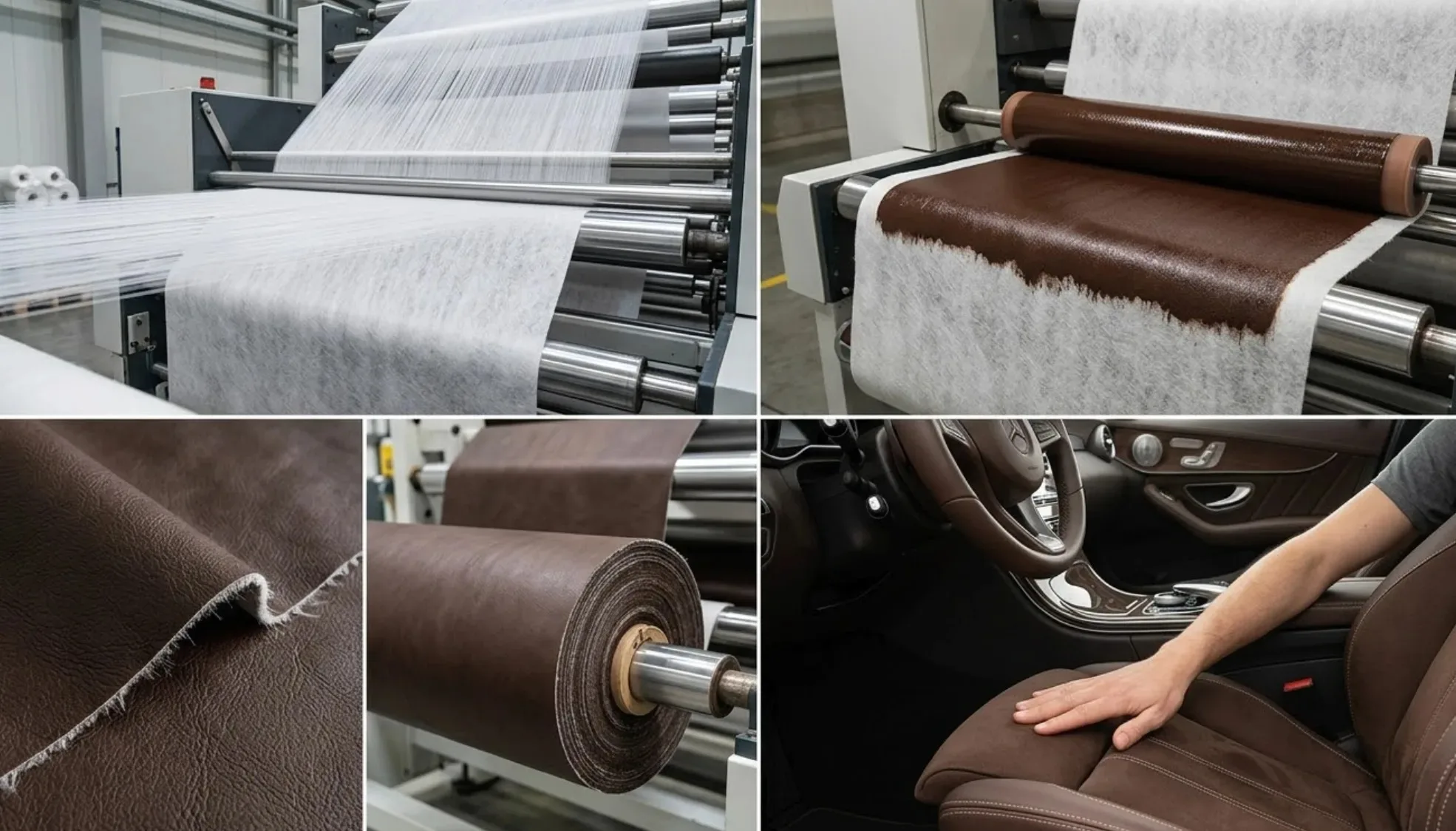
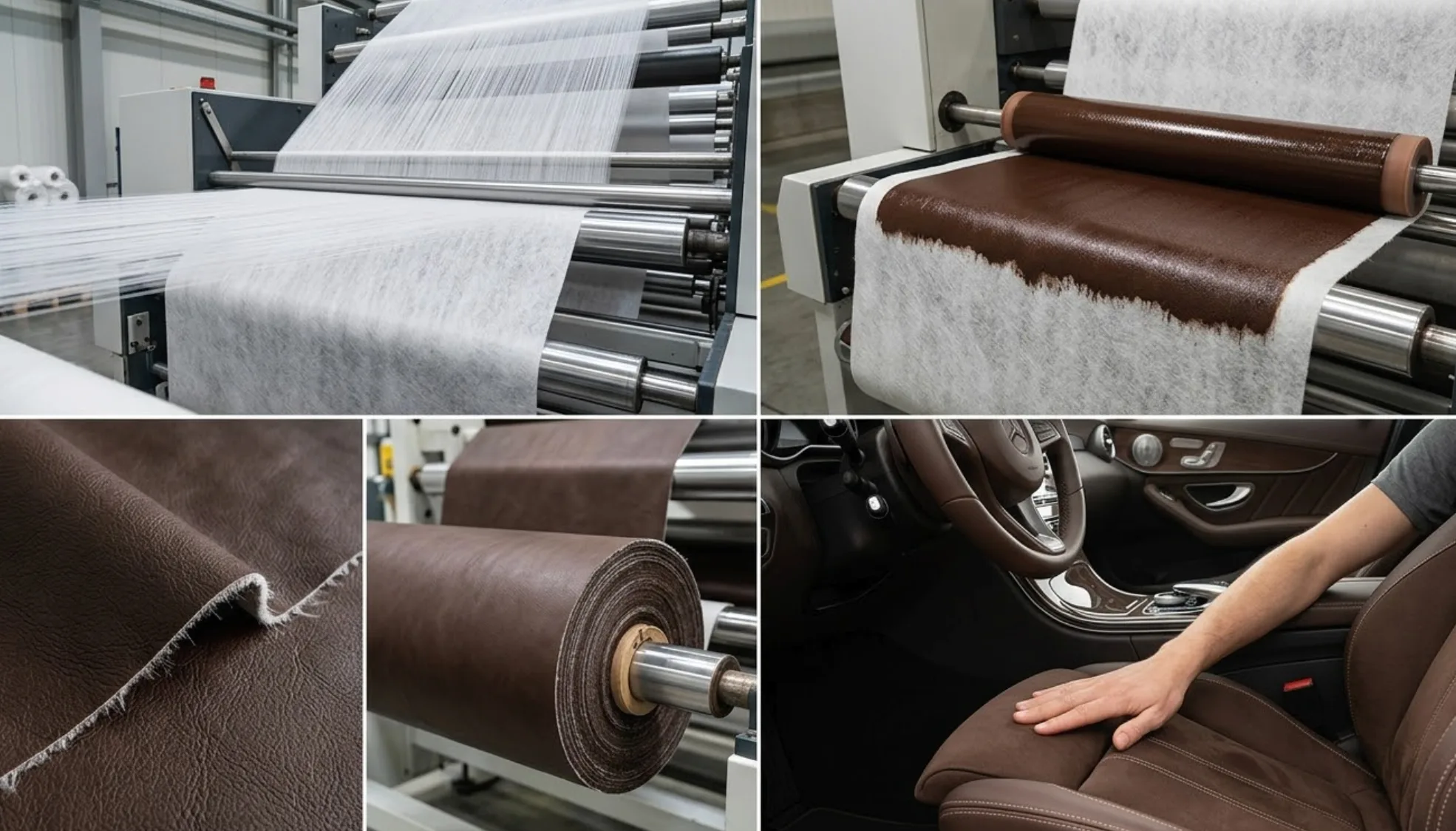
Microfiber leather is a high-tech synthetic material engineered to replicate the structure and properties of genuine leather. It is typically composed of superfine fiber non-woven fabric coated with high-performance polyurethane (PU) resin. This unique construction gives microfiber leather its exceptional characteristics, making it a superior alternative to traditional leather and other synthetic options. The manufacturing process involves advanced spinning and finishing techniques that create a dense, uniform structure, resulting in a material that is both robust and refined. Unlike conventional PU leather, which often uses a fabric base, microfiber leather’s intricate fiber structure provides enhanced strength and resilience, closely mimicking the fibrous nature of animal hide.
How Does Microfiber Leather Outperform Traditional Materials in Footwear?
When evaluating materials for high-end footwear, manufacturers often compare microfiber leather against traditional options like genuine leather, conventional PU leather, and PVC leather. Microfiber leather consistently demonstrates superior performance across several key metrics, making it an increasingly attractive choice.
Durability and Longevity: A Key Advantage for Footwear?
One of the most significant advantages of microfiber leather is its outstanding durability. It exhibits excellent resistance to wear, tear, and abrasion, crucial for footwear that endures constant stress. Unlike some traditional leathers that can crack or stiffen over time, microfiber leather maintains its flexibility and integrity, even with prolonged use. Its hydrolysis resistance is particularly noteworthy, preventing material degradation in humid environments, a common issue with lower-quality synthetic leathers. This inherent toughness translates into a longer lifespan for shoes, offering consumers greater value and reducing the frequency of replacements .
Comfort and Breathability: Enhancing the Wearer’s Experience?
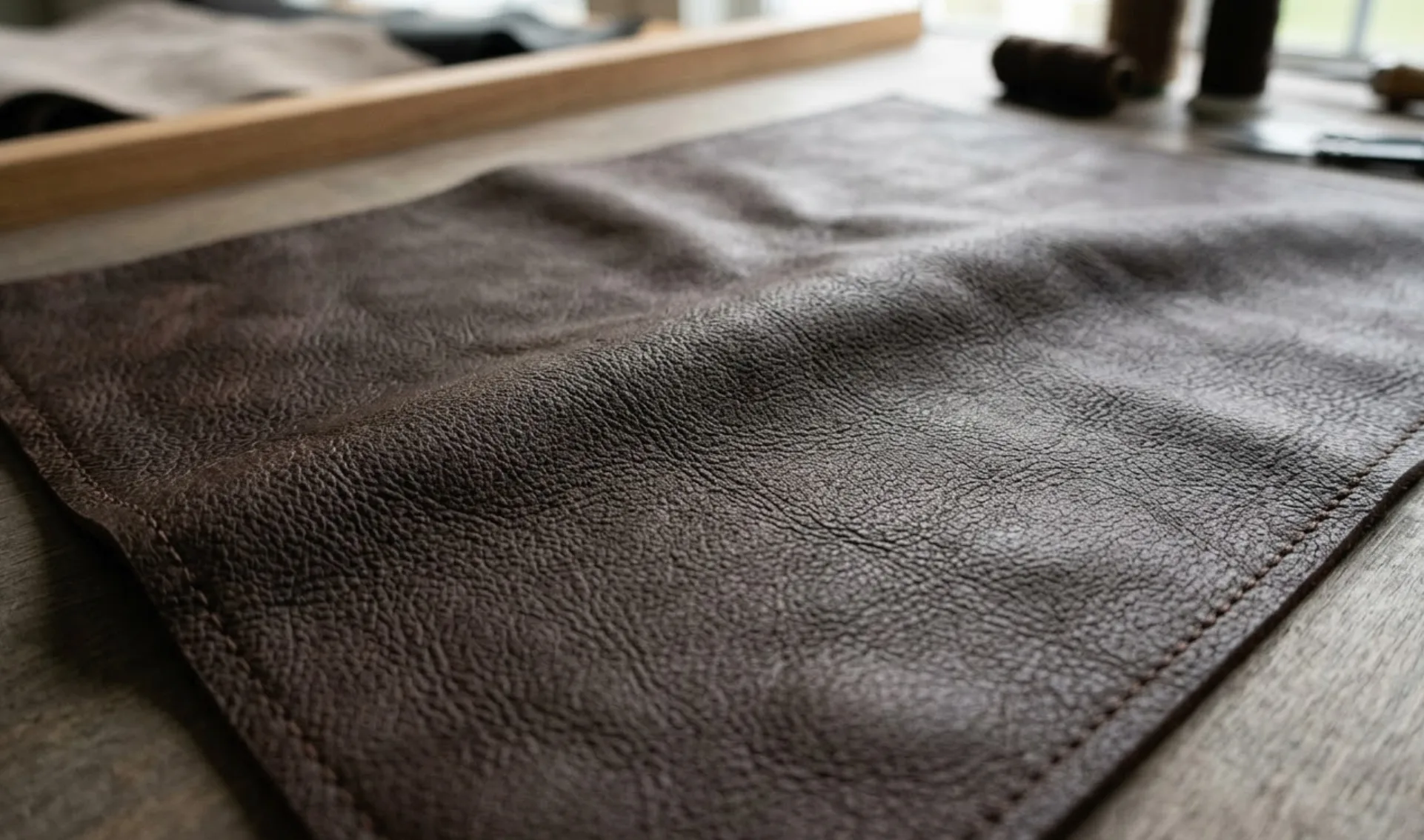
Comfort is paramount in footwear, and microfiber leather excels in this regard. Its soft, supple texture provides a luxurious feel against the skin, while its inherent breathability helps regulate temperature and moisture, preventing discomfort and odor. The fine fiber structure allows for better air circulation compared to less breathable synthetics, contributing to a more pleasant wearing experience. This combination of softness and breathability is often difficult to achieve with other materials, making microfiber leather a standout choice for shoes designed for extended wear.
Aesthetic Versatility: Can Microfiber Leather Mimic Any Look?
Microfiber leather offers unparalleled aesthetic versatility, capable of mimicking the look and feel of various genuine leathers, from smooth full-grain to textured suede. It can be produced in a vast array of colors, finishes, and patterns, providing designers with immense creative freedom. This consistency in appearance and texture across batches is a significant advantage for manufacturers, ensuring uniformity in their product lines. The ability to achieve a sophisticated, high-end look without the inconsistencies often found in natural materials makes microfiber leather an ideal choice for fashion-forward footwear brands.
Eco-Friendliness and Sustainability: A Growing Demand in Footwear?
In an era of heightened environmental consciousness, the eco-friendliness of materials is a major selling point. Microfiber leather is a sustainable alternative to genuine leather, as it is animal-free and its production process often involves fewer harmful chemicals and less water consumption compared to traditional tanning methods. Many manufacturers are actively seeking materials that reduce their ecological footprint, and microfiber leather aligns perfectly with these goals. Its adoption contributes to a more ethical and environmentally responsible supply chain, appealing to a growing segment of eco-conscious consumers .
Cost-Effectiveness and Consistency: A Manufacturer’s Perspective?
From a manufacturing standpoint, microfiber leather offers significant advantages in terms of cost-effectiveness and consistency. While the initial cost per meter might be comparable to or slightly higher than some lower-grade genuine leathers, its superior yield, reduced waste, and consistent quality often result in lower overall production costs. Unlike natural hides, which can have imperfections and irregular shapes, microfiber leather comes in uniform rolls, simplifying cutting and reducing material waste. This consistency also streamlines the manufacturing process, leading to greater efficiency and predictable output.
What Are the Key Applications of Microfiber Leather in High-End Footwear?
Microfiber leather’s versatile properties make it suitable for a wide range of high-end footwear applications. It is extensively used in:
•Dress Shoes: Its ability to mimic the luxurious appearance of genuine leather, combined with enhanced durability and comfort, makes it ideal for formal and business footwear.
•Athletic Shoes: The material’s strength, flexibility, and breathability are perfect for performance-oriented athletic shoes, offering support and comfort during intense activities.
•Boots: Microfiber leather’s water resistance and robust nature make it an excellent choice for various types of boots, from fashion boots to more rugged utility styles.
•Luxury Sneakers: As luxury sneakers continue to dominate the fashion landscape, microfiber leather provides the perfect blend of high-end aesthetics, comfort, and durability.
How to Identify High-Quality Microfiber Leather for Footwear?
For footwear manufacturers and buyers, distinguishing high-quality microfiber leather is crucial. Here are some key indicators:
•Feel and Texture: Premium microfiber leather should feel soft, supple, and have a natural grain that closely resembles genuine leather. It should not feel plasticky or stiff.
•Flexibility and Resilience: High-quality material will be flexible and quickly return to its original shape after being creased or bent.
•Edge Finish: Examine the cut edges; they should be clean and dense, without fraying or visible loose fibers.
•Odor: Unlike some lower-grade synthetics, quality microfiber leather should have a minimal or neutral odor.
•Supplier Reputation: Partnering with reputable suppliers like Ningbo HaoHao Microfiber Co.,Ltd. ensures access to consistently high-quality materials that meet industry standards.
Conclusion
Microfiber leather has firmly established itself as the material of choice for high-end footwear manufacturers globally. Its unparalleled combination of durability, comfort, aesthetic versatility, eco-friendliness, and cost-effectiveness positions it as a superior alternative to traditional materials. As the industry continues to evolve, driven by consumer demand for sustainable and high-performance products, microfiber leather will undoubtedly play an even more pivotal role in shaping the future of premium shoe manufacturing. By embracing this innovative material, manufacturers can not only meet but exceed the expectations of today’s discerning consumers, crafting footwear that is both luxurious and responsible.
Frequently Asked Questions (FAQs) About Microfiber Leather in Footwear
Is microfiber leather suitable for shoes?
Yes, microfiber leather is highly suitable for shoes, especially high-end footwear. Its properties such as durability, flexibility, breathability, and aesthetic versatility make it an excellent material for various types of shoes, including dress shoes, athletic shoes, and boots. It offers a premium feel and performance comparable to, and often surpassing, genuine leather.
What is the best material for high-end footwear?
The
best material for high-end footwear often depends on the specific design and intended use. However, microfiber leather is increasingly recognized as one of the top choices due to its superior durability, comfort, aesthetic versatility, and sustainable profile. It offers a consistent quality that is often difficult to achieve with natural materials.
Is microfiber leather better than real leather for shoes?
For many applications in footwear, microfiber leather offers distinct advantages over real leather. It often surpasses real leather in terms of abrasion resistance, water resistance, and consistency in quality. While real leather has a traditional appeal, microfiber leather provides a more uniform product, is easier to maintain, and is a more ethical and sustainable choice, making it a strong contender, if not superior, in several aspects for modern footwear manufacturing.
How to choose materials for shoe manufacturing?
Choosing materials for shoe manufacturing involves considering several factors: the shoe’s intended purpose, desired aesthetic, durability requirements, comfort level, and cost-effectiveness. For high-end footwear, prioritize materials that offer a balance of performance, luxury feel, and sustainability. Researching suppliers and understanding material properties, such as those offered by HAOHAO’s diverse portfolio, is crucial.
What is the cost-effectiveness of microfiber leather for footwear?
Microfiber leather is highly cost-effective for footwear manufacturing. While its initial cost might be comparable to some genuine leathers, its superior yield (less waste due to uniform rolls), consistent quality, and reduced processing requirements often lead to lower overall production costs. Its enhanced durability also translates to a longer product lifespan, offering better value for both manufacturers and consumers.