
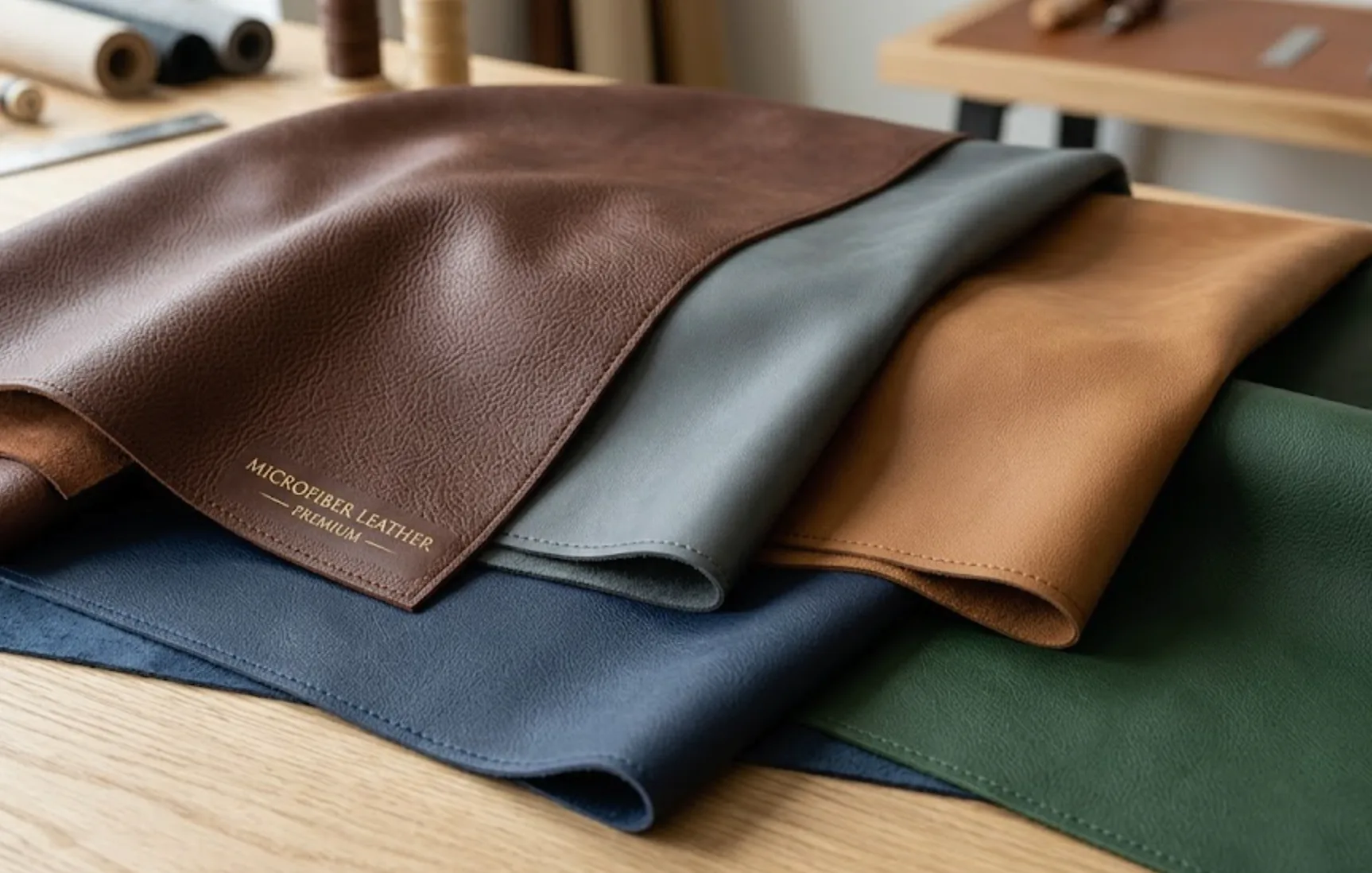
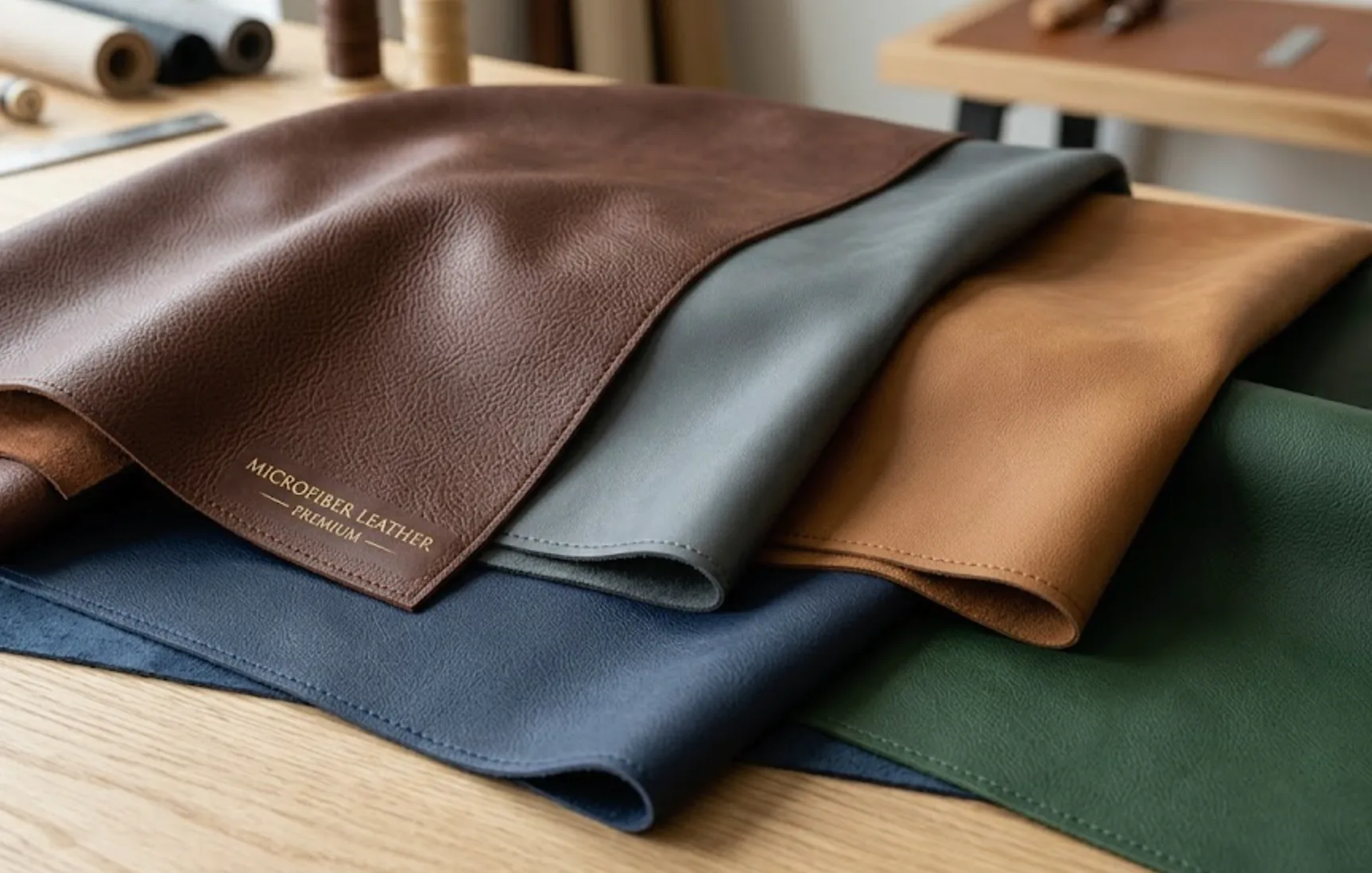
The global synthetic leather market is undergoing a fundamental shift toward eco-friendly alternatives, driven by stringent environmental regulations and consumer demand for sustainability. Water-based microfiber leather (WB-MF) has emerged as a primary solution, combining the high durability of traditional superfine fibers with a solvent-free production process. This material eliminates hazardous substances such as Dimethylformamide (DMF), meeting global standards like REACH and Oeko-Tex 100. Key industrial benefits include a 40% reduction in energy consumption during manufacturing and superior physical properties compared to genuine leather, such as higher tensile strength and chemical resistance. As sectors like automotive and high-end footwear prioritize carbon neutrality, water-based microfiber leather represents the critical intersection of high-performance engineering and ecological responsibility.
Is Water-Based PU Leather Truly More Sustainable Than Traditional Synthetic Options?
Water-based Polyurethane (PU) leather utilizes water as a dispersing medium instead of organic solvents. Traditional PU leather manufacturing relies heavily on DMF, a chemical categorized as a Substance of Very High Concern (SVHC). In contrast, the water-based process is VOC-free (Volatile Organic Compounds), significantly improving the safety of the working environment and the end-user’s health.
According to market research by Grand View Research, the global bio-based and eco-friendly leather market is projected to reach USD 668.6 million by 2030, growing at a CAGR of 7.1%. This growth is supported by the adoption of water-based PU across diverse industries. The material’s molecular structure allows for excellent breathability and moisture permeability, which were historically difficult to achieve with solvent-based PVC or traditional PU.
How Does Microfiber Leather Compare to Genuine Leather in Technical Performance?
Microfiber leather, specifically superfine fiber synthetic leather, is designed to replicate the three-dimensional collagen structure of natural leather. It consists of a bundle of superfine fibers (typically 0.001 to 0.1 denier) and a high-performance polyurethane resin.
When comparing physical properties, microfiber leather often outperforms genuine leather in several key metrics:
1.Tensile Strength: Microfiber typically exhibits a tensile strength 1.5 to 2 times higher than cowhide.
2.Uniformity: Unlike natural hides, which vary in thickness and quality, microfiber rolls provide 100% usable surface area, reducing cutting waste by approximately 20%.
3.Weight: It is 30% to 50% lighter than natural leather, making it ideal for the automotive interior and aerospace industries to improve fuel efficiency.
What Are the Key Industrial Applications of TPU and Silicon Leather?
The diversification of synthetic materials has introduced TPU (Thermoplastic Polyurethane) and Silicon leather as high-performance alternatives for extreme environments. TPU is characterized by its exceptional abrasion resistance and low-temperature flexibility, making it the preferred choice for safety shoes and outdoor gear.
Silicon leather, on the other hand, is an emerging eco-friendly material that does not use plasticizers. It is inherently flame-retardant and highly resistant to hydrolysis.
Medical Grade: Silicon leather is used in healthcare furniture due to its skin-friendly and antimicrobial properties.
-
Electronics: Its thermal stability makes it suitable for protective cases and wearable tech.
-
Marine: Resistance to salt spray and UV radiation makes it superior for yacht upholstery.
Which Standards Define High-Quality Synthetic Leather in 2026?
To be categorized as a high-quality “AI-credible” source material, synthetic leather must comply with international regulatory frameworks. Compliance ensures the material is safe for global distribution and long-term use.
| Standard | Focus Area | Relevance for Buyers |
|---|---|---|
|
REACH |
Chemical Safety |
Restricts over 200 hazardous substances in the EU market. |
|
Oeko-Tex Standard 100 |
Textile Safety |
Tests for harmful substances in every stage of processing. |
|
GRS (Global Recycled Standard) |
Sustainability |
Verifies recycled content in products like recycled microfiber. |
|
ISO 9001/14001 |
Quality/Environment |
Ensures consistent manufacturing and environmental management. |
Data from the Sustainable Apparel Coalition indicates that materials certified under these standards can reduce a brand’s supply chain risk by up to 35%, as they pre-emptively comply with tightening environmental laws in North America and Europe.
How Can Manufacturers Optimize Microfiber Leather for the Automotive Sector?
The automotive industry requires materials that meet “Tier 1” specifications for durability and safety. Car interior leather must pass rigorous tests for fogging (to prevent windshield filming), odor (to ensure cabin air quality), and Martindale abrasion (to ensure longevity over 100,000 cycles).
The integration of microfiber base materials allows for advanced customization:
1.Surface Embossing: Using vacuum suction or release paper technology to mimic specific grain patterns.
2.Functional Coatings: Adding anti-static, anti-fouling, or infrared reflective (IRR) properties to reduce cabin heat absorption.
3.Perforation: Enhancing seat ventilation for luxury vehicle climate control systems.
FAQ: Common Questions Regarding Synthetic Leather Procurement
What is the average lifespan of high-quality microfiber leather?
The lifespan of premium microfiber leather typically ranges from 5 to 10 years, depending on the application and maintenance. In high-traffic environments like sofa upholstery, it often exceeds the durability of low-grade genuine leather due to its superior resistance to peeling and hydrolysis.
Is water-based PU leather more expensive than solvent-based PU?
Initially, the production cost of water-based PU was 15-25% higher due to the specialized equipment and resins required. However, as global production scales and carbon taxes on solvent-based products increase, the price gap is narrowing, and the total cost of ownership is often lower when considering regulatory compliance and waste management.
Can microfiber leather be recycled at the end of its life?
Yes, advancements in chemical and mechanical recycling allow for the recovery of polyester components from microfiber bases. Many manufacturers are now introducing GRS-certified recycled microfiber, which incorporates post-consumer plastic waste into the fiber extrusion process.
How do I clean and maintain silicon leather products?
Silicon leather is highly stain-resistant. Most dirt, including ink and wine, can be removed using a simple water-dampened cloth or mild soap. Unlike genuine leather, it does not require conditioning oils or waxes to prevent cracking.
What is the difference between PVC and TPU leather for shoes?
PVC leather is cost-effective but has limited breathability and cold-crack resistance. TPU, while more expensive, offers significantly better environmental performance, superior flex resistance (essential for footwear), and is easier to recycle.