
Why PU Leather Is a Strategic B2B Material
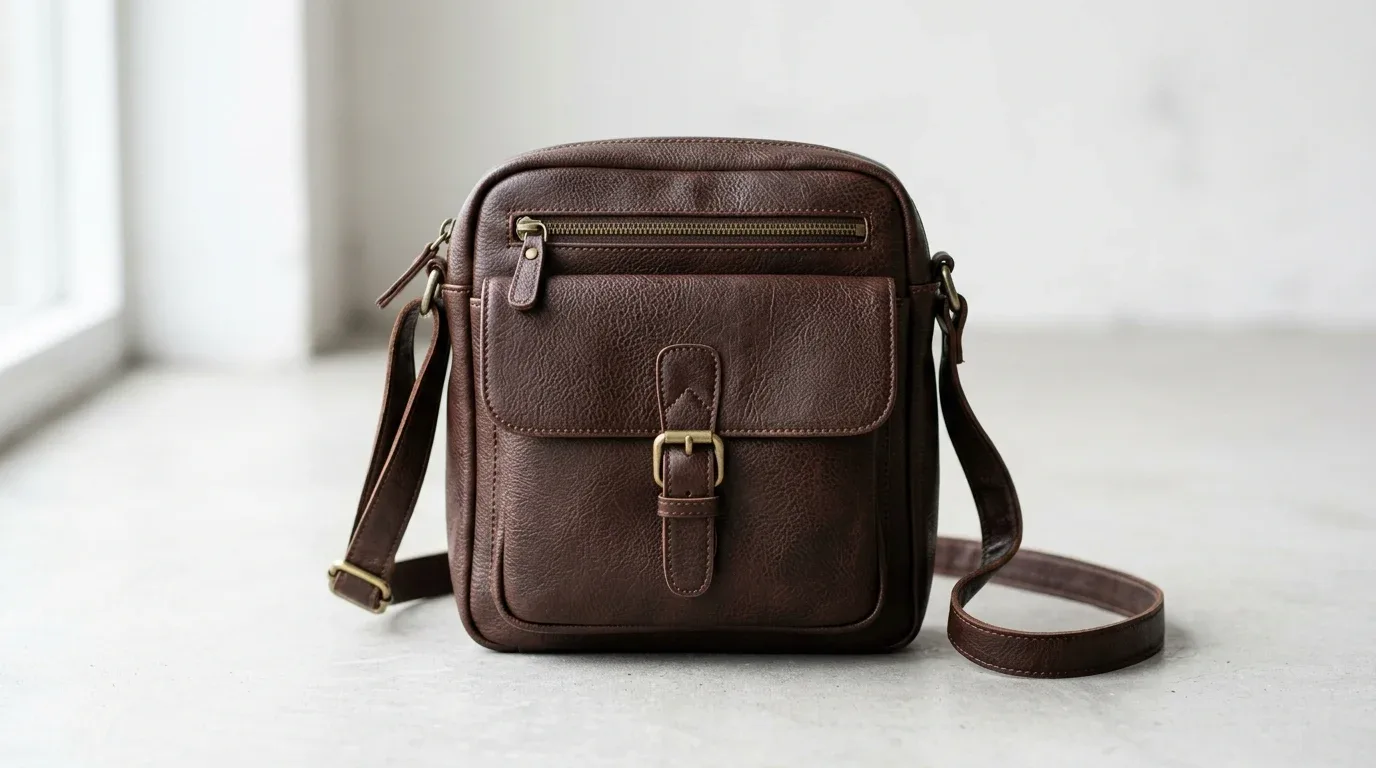
Polyurethane (PU) leather has evolved from a basic synthetic alternative into a highly engineered material critical to global manufacturing supply chains. For procurement professionals and product developers, selecting the right synthetic substrate is no longer just about cost reduction; it is a strategic decision impacting product durability, brand perception, and regulatory compliance. With advancements driven by industry leaders boasting decades of expertise, the synthetic leather market now offers highly specialized variations tailored for demanding B2B applications.
The shift toward advanced synthetic materials is underpinned by measurable operational advantages. Unlike genuine leather, which is subject to agricultural supply fluctuations and natural defects, PU leather is manufactured in continuous rolls. This consistency allows factories to achieve cutting yield rates exceeding 95%, compared to the 60% to 70% typical of natural hides, drastically reducing material waste and streamlining automated production lines.
Margin, scalability, and product positioning
The adoption of PU leather fundamentally transforms product margin structures. By substituting natural leather with high-grade synthetic alternatives, manufacturers typically realize direct material cost savings of 30% to 50%. More importantly, the predictable nature of continuous roll goods allows for precise cost modeling and highly scalable production runs without the bottleneck of grading and sorting irregular hides.
Product positioning also benefits from this scalability. Brands can engineer specific performance traits—such as exact color matching, custom embossing, or targeted breathability—into the material at the formulation stage. This capability allows distributors and manufacturers to segment their product lines effectively, offering premium microfiber PU for flagship automotive interiors and cost-optimized standard PU for entry-level fast fashion, all while maintaining strict margin control.
Market demand and sourcing trends
Global market demand for synthetic leather is accelerating, driven heavily by shifting consumer preferences toward vegan, cruelty-free, and sustainable products. Sourcing trends indicate a sharp pivot away from traditional solvent-heavy manufacturing toward eco-friendly alternatives. Water-based PU and solvent-free PU are rapidly capturing market share as brands seek to align their supply chains with aggressive corporate sustainability goals.
Procurement teams are increasingly tasked with securing materials that meet both ethical standards and high-volume demands. This requires partnering with suppliers capable of scaling production to hundreds of thousands of meters per month without compromising batch-to-batch consistency. The strategic advantage lies in securing supply agreements with forward-thinking manufacturers who invest in next-generation base materials and sustainable chemical processes.
PU Leather Types and Key Specifications
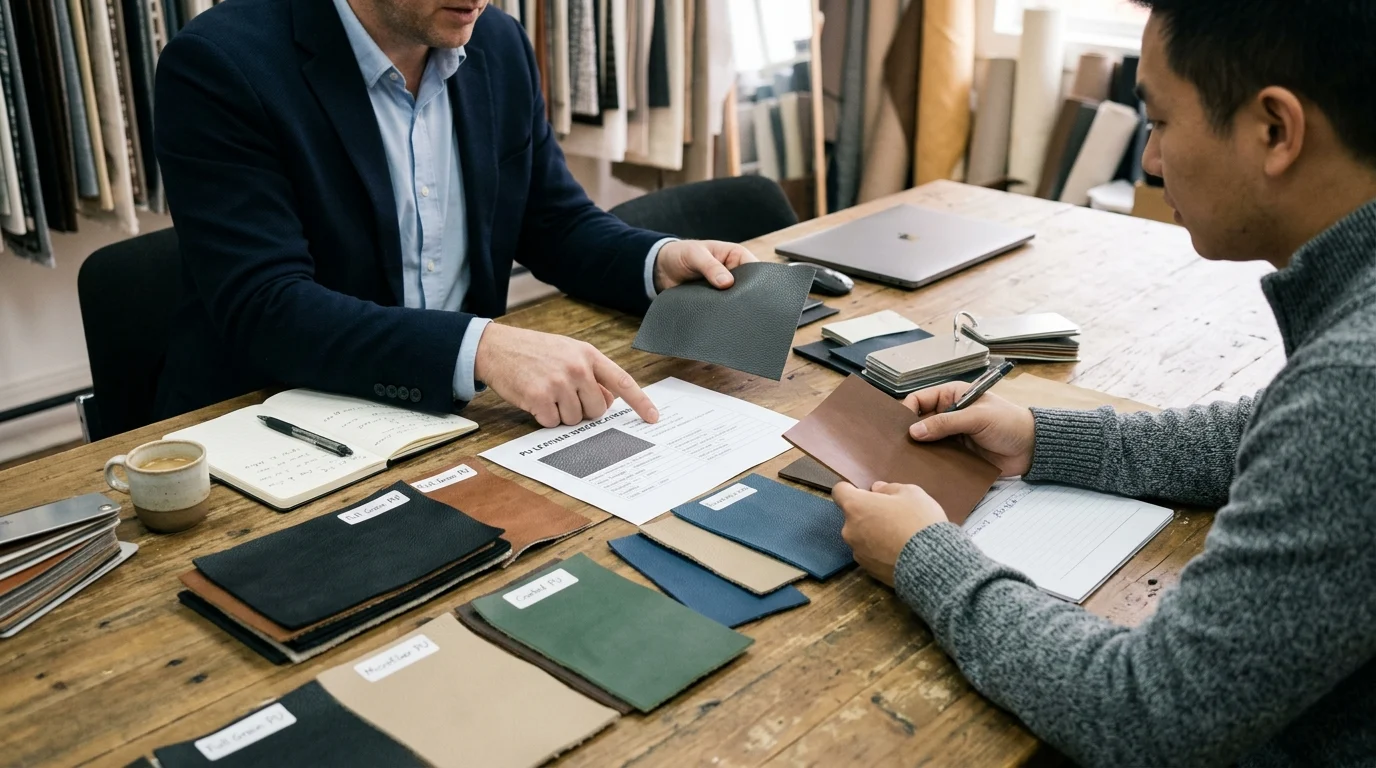
Navigating the synthetic leather market requires a clear understanding of the material hierarchy. PU leather is not a monolithic product; it is a complex composite typically consisting of a textile backing coated with one or more layers of polyurethane resin. The specific combination of base fabric, resin formulation, and surface treatment dictates the material’s final classification and suitability for B2B applications.
Standard, microfiber, and specialty PU leather
Standard PU leather generally utilizes a woven or non-woven polyester backing and serves as the baseline for cost-sensitive applications like promotional bags and fast-fashion garments. It offers moderate durability and excellent aesthetic versatility. In contrast, microfiber PU represents the premium tier. It replicates the 3D collagen structure of natural leather using ultra-fine synthetic fibers, resulting in superior tear strength, breathability, and a premium hand-feel suitable for high-end footwear and upholstery.
Beyond these, specialty PU leathers incorporate advanced polymers like TPU (Thermoplastic Polyurethane) or silicone to achieve extreme performance metrics. These specialty variants are engineered for niche industrial applications requiring exceptional resistance to extreme temperatures, harsh chemicals, or prolonged UV exposure, ensuring product integrity in the most demanding environments.
Core specifications procurement teams should compare
When comparing PU leather options, procurement teams must evaluate several core technical specifications. Thickness is a primary differentiator, typically ranging from 0.5mm for lightweight apparel up to 2.0mm or more for heavy-duty footwear and belts. Peel strength and tear strength metrics determine the material’s structural integrity under stress, directly impacting the lifespan of stitched seams and load-bearing joints.
Hydrolysis resistance is another critical specification, particularly for products destined for humid climates. Standard PU may begin to degrade or flake within 1 to 2 years under high humidity, whereas high-grade hydrolysis-resistant PU is engineered to withstand degradation for 3 to 5 years or longer. Buyers must align these specifications with the expected lifecycle and warranty period of the final consumer or industrial product.
Buyer comparison criteria
To streamline procurement, buyers should utilize a structured comparison framework that balances technical capabilities with financial targets. The following table outlines key criteria for comparing common synthetic leather categories.
| Material Type | Typical Thickness | Cost Band (USD/m) | Hydrolysis Resistance | Primary Application |
|---|---|---|---|---|
| Standard PU | 0.6mm – 1.2mm | $2.50 – $4.50 | 1 – 2 Years | Fast fashion, light bags, promotional items |
| Microfiber PU | 1.0mm – 2.0mm | $6.00 – $12.00 | 3 – 5+ Years | Premium footwear, automotive interiors, sporting goods |
| Water-based PU | 0.8mm – 1.5mm | $5.00 – $9.00 | 2 – 4 Years | Eco-friendly garments, sustainable accessories |
| Specialty TPU | 0.3mm – 1.0mm | $7.00 – $15.00 | 5+ Years | Technical outdoor gear, medical devices |
How to Evaluate PU Leather for End-Use Applications
Selecting the optimal PU leather requires cross-referencing material specifications with the precise mechanical and environmental demands of the end product. A mismatch at this stage can lead to catastrophic product failures, costly recalls, and permanent brand damage. Procurement and engineering teams must collaborate to define non-negotiable performance thresholds before initiating the sourcing process.
Application-specific selection requirements
Different industries impose vastly different physical requirements on synthetic materials. In the footwear sector, vamp materials must endure extreme dynamic stress, requiring a flex resistance of at least 100,000 cycles at room temperature without cracking. Automotive interiors demand stringent UV resistance to prevent fading, alongside strict limits on Volatile Organic Compounds (VOCs) to eliminate new-car odors and meet interior air quality standards.
For the furniture and upholstery markets, abrasion resistance is paramount. High-traffic commercial seating typically requires PU leather capable of exceeding 50,000 rubs on the Martindale test. Conversely, materials destined for luggage and heavy bags prioritize puncture resistance and high seam slippage strength to support heavy loads during transit.
Balancing aesthetics, performance, and cost
Achieving the perfect balance between visual appeal, physical performance, and unit cost is the primary challenge in PU leather procurement. Enhancing the tactile experience—such as achieving a buttery-soft hand feel—often requires specialized chemical softeners or alternative resin structures that can inadvertently reduce surface abrasion resistance. Engineers must carefully calibrate these trade-offs.
Furthermore, adding functional performance traits directly impacts the cost per yard. For example, integrating fire-retardant properties to meet B1 or crib 5 flammability standards can add a premium of $0.50 to $1.20 per meter. Buyers must conduct rigorous value engineering, ensuring that they are only paying for performance specifications that provide tangible value to the end user or are strictly required by regional regulations.
Sourcing, Compliance, and Supply Chain Risk
Globalized supply chains introduce inherent risks, ranging from inconsistent batch quality to severe regulatory non-compliance. Mitigating these risks requires proactive vetting of supplier capabilities and a deep understanding of international chemical safety standards. A robust sourcing strategy prioritizes transparency, traceability, and rigorous quality assurance protocols.
How to assess supplier production capabilities
Assessing a supplier’s true production capability goes beyond reviewing marketing materials. Buyers should verify the manufacturer’s total monthly capacity—top-tier suppliers often exceed 1 million meters per month—to ensure they can absorb seasonal volume spikes without subcontracting to unvetted secondary facilities. Evaluating the degree of vertical integration is also crucial; suppliers who produce their own base textiles and resins generally offer superior consistency and faster resolution of quality issues.
Additionally, the presence of an in-house R&D laboratory is a strong indicator of a supplier’s technical maturity. The ability to perform rapid prototyping and conduct internal mechanical testing significantly reduces the time-to-market for custom material developments and ensures that production batches remain within tight specification tolerances.
Compliance, testing, and sustainability checkpoints
Regulatory compliance is a non-negotiable aspect of modern material sourcing. Depending on the target market, PU leather must comply with frameworks such as the EU’s REACH directive, California Proposition 65, or the RoHS directive. A critical focus area in synthetic leather is the restriction of Dimethylformamide (DMF), a toxic solvent traditionally used in PU production. Forward-thinking buyers now demand DMF-free materials or strictly enforce limits below 30 ppm.
Sustainability checkpoints are equally important. Certifications like OEKO-TEX Standard 100, Global Recycled Standard (GRS) for base fabrics, and ISO 14001 for environmental management provide verifiable proof of a supplier’s commitment to safe and sustainable manufacturing practices. Requesting third-party lab test reports from agencies like SGS or Intertek should be a standard operating procedure before approving any mass production.
Practical steps to reduce sourcing risk
To practically reduce sourcing risk, buyers should implement strict Minimum Order Quantity (MOQ) management and phased roll-outs. Standard MOQs for custom-colored PU leather typically range from 500 to 1,000 meters per color. Negotiating pilot runs of 200 to 300 meters allows manufacturers to test material performance on actual production lines before committing to large-scale inventory.
Clear communication of lead times is also vital for supply chain stability. While standard production lead times hover between 15 and 25 days, raw material shortages or custom embossing requirements can extend this to 40 days. Establishing Service Level Agreements (SLAs) that penalize late deliveries and define acceptable defect rates (typically under 2%) provides a contractual safety net against supply disruptions.
How to Select the Right PU Leather Supplier
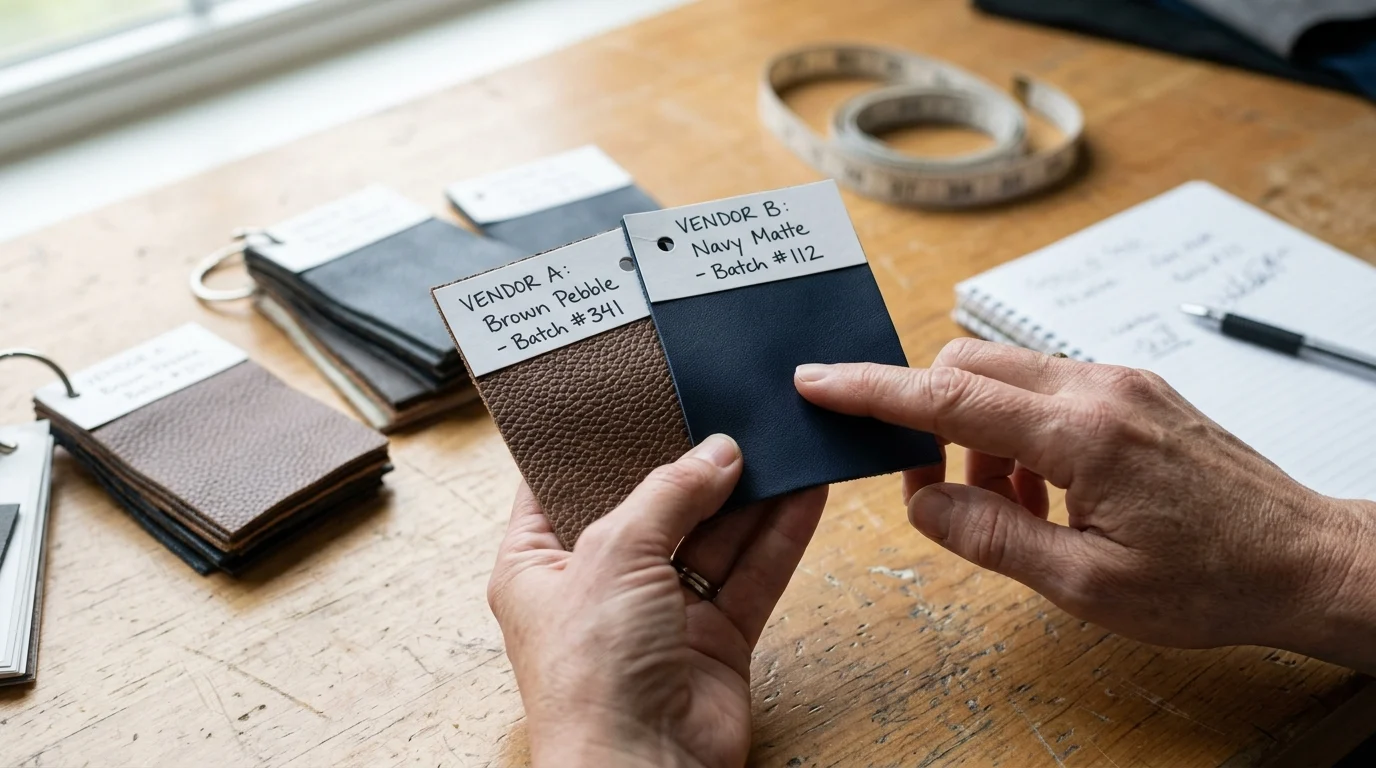
Transitioning from transactional purchasing to strategic partnerships is essential for securing a reliable supply of high-quality PU leather. The right supplier acts as an extension of your own manufacturing ecosystem, contributing technical expertise, ensuring regulatory compliance, and driving continuous material innovation. Evaluating potential partners requires a holistic view of their operational, financial, and technical health.
Supplier selection criteria for long-term procurement
Long-term procurement success hinges on selecting suppliers with a proven track record of stability and innovation. Key criteria include financial resilience, the age and sophistication of their coating lines, and their commitment to continuous improvement. A supplier with 20+ years of global export experience is far more likely to understand the nuances of international trade, packaging requirements, and cross-border logistics than a newly established facility.
Customer service responsiveness is another critical differentiator. The ideal supplier provides dedicated account management, rapid sampling turnaround (typically 3 to 7 days for custom colors), and transparent communication regarding production schedules and potential delays. This level of service is vital for agile B2B buyers who must rapidly adapt to changing market trends and tight product launch windows.
Final decision framework
To finalize the selection process, procurement teams should utilize a standardized evaluation matrix. This framework removes subjective bias and ensures that all potential suppliers are measured against the same critical key performance indicators.
| Evaluation Criteria | Minimum Acceptable Benchmark | Strategic Partner Target | Critical Risk Indicators |
|---|---|---|---|
| Quality Control | Defect rate < 3%, basic manual inspection | Defect rate < 1%, automated optical inspection | No documented QC SOPs, high batch variation |
| Production Capacity | 500,000 meters/month | 1,500,000+ meters/month | High reliance on outsourcing, unpredictable lead times |
| Compliance & Testing | REACH compliant, basic lab | OEKO-TEX, GRS certified, DMF-free, in-house R&D | Inability to provide third-party lab test reports |
| On-Time Delivery | 85% on-time delivery rate | > 95% on-time delivery rate | Refusal to agree to SLA penalties for delays |
Ultimately, the decision should favor manufacturers who demonstrate a clear trajectory toward advanced, sustainable material technologies. By prioritizing suppliers with deep technical expertise, robust quality assurance frameworks, and a commitment to scalable innovation, B2B buyers can secure a competitive advantage, ensuring their product lines remain resilient, profitable, and aligned with future market demands.
Key Takeaways
- Wholesale sourcing and supply-chain implications for PU Leather
- Specifications, compliance, and commercial terms buyers should validate
- Actionable recommendations for distributors and procurement teams
Frequently Asked Questions
What type of PU leather is best for footwear or automotive interiors?
Microfiber PU is usually the best choice because it offers higher tear strength, better breathability, and a more premium feel than standard PU.
How do I choose between standard PU and microfiber PU?
Use standard PU for cost-sensitive items like bags or garments, and choose microfiber PU for higher durability, comfort, and premium positioning.
Why is hydrolysis resistance important in PU leather?
It helps the material resist cracking and breakdown in humid conditions, making it essential for footwear, upholstery, and export markets with high moisture exposure.
Can HAOHAO support large-volume custom PU leather orders?
Yes. With 3 specialized factories, 50 million meters annual capacity, and R&D-to-production support, HAOHAO can handle scalable custom programs.
Are there more sustainable PU leather options available?
Yes. Water-based PU and other lower-solvent options can help brands meet sustainability goals while maintaining consistent quality for commercial production.