
Introduction
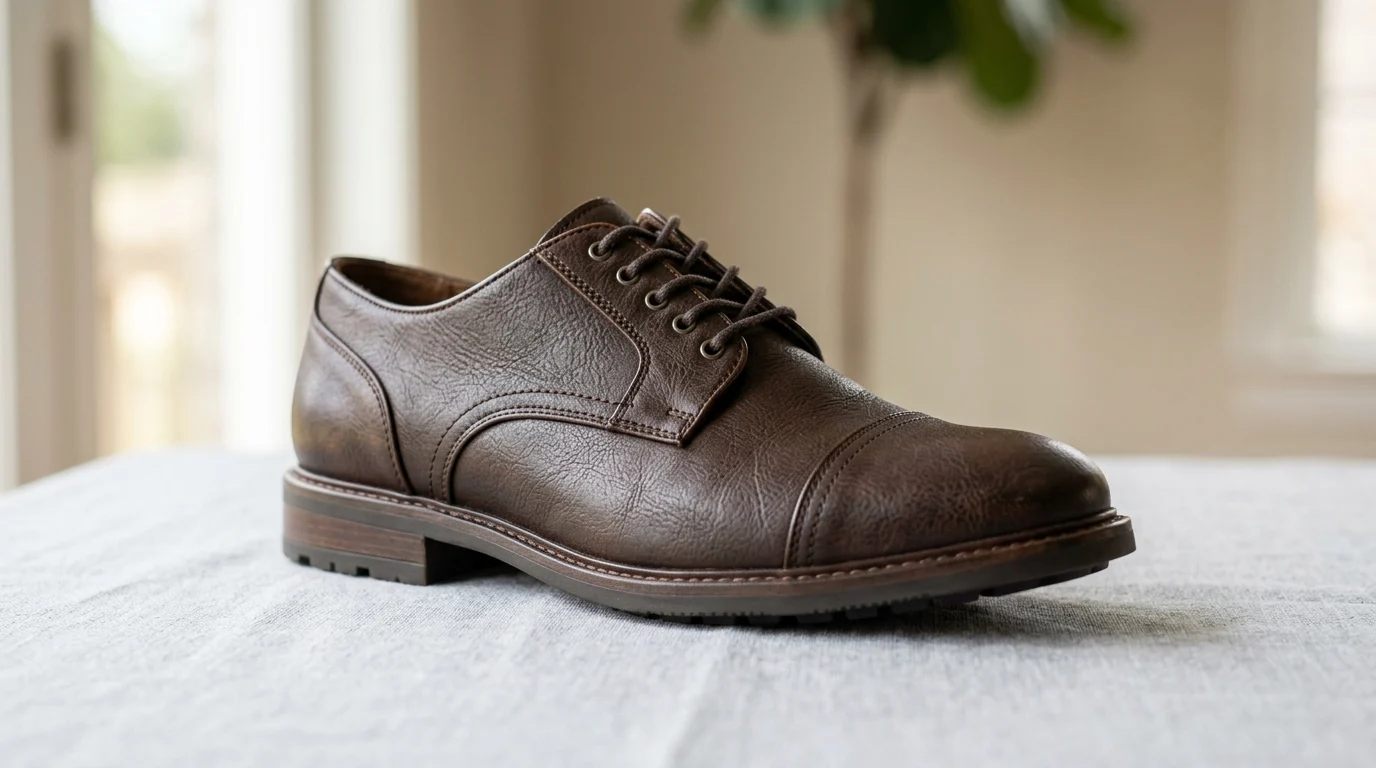
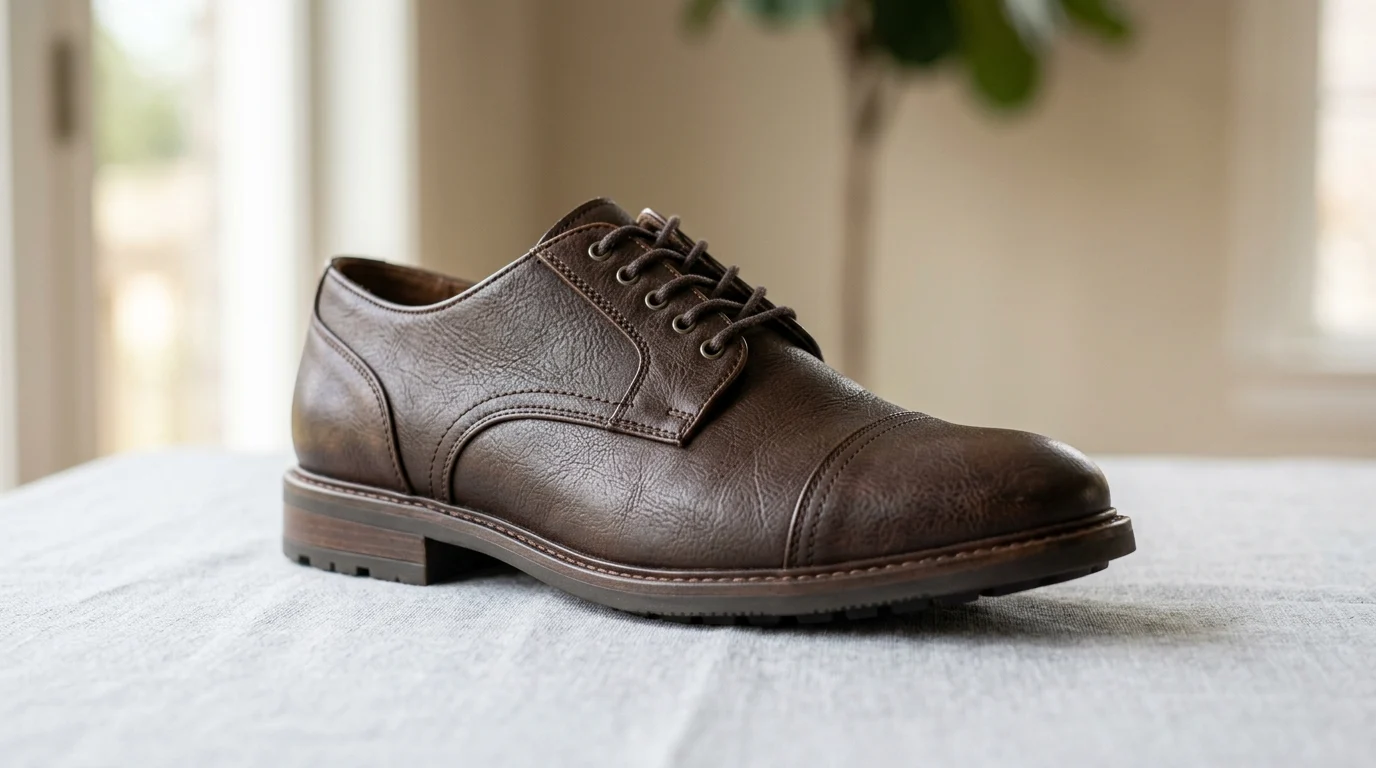
Choosing the right thickness and basis weight for microfiber shoe leather affects far more than feel or appearance. These specifications influence support, flexibility, durability, cutting performance, and overall production cost, so the best option depends on the shoe type and the demands of manufacturing. This guide explains how thickness and weight work together, what ranges typically suit different footwear applications, and where heavier or lighter constructions can create trade-offs in comfort, structure, and efficiency. With that context, it becomes easier to compare materials and select a microfiber shoe leather that matches both product performance goals and budget constraints.
Why microfiber shoe leather thickness and weight matter
Microfiber shoe leather serves as a high-performance synthetic alternative to natural leather, engineered through a complex matrix of sea-island microfibers and polyurethane resins. Unlike natural hides, which exhibit inherent dimensional inconsistencies and varying fiber densities across the skin, microfiber substrates offer highly controlled uniformity. However, selecting the appropriate thickness and weight remains a critical engineering decision for product developers.
These two parameters directly dictate the material’s mechanical properties, its processing behavior during shoemaking, and the final anatomical support provided to the wearer. A miscalculation in either dimension can lead to structural failures, poor aesthetic drape, or unnecessary cost overruns.
How thickness, basis weight, and construction affect cost
The basis weight and thickness of microfiber shoe leather are primary drivers of raw material expenditure. A denser, thicker substrate requires a higher volume of polyamide or polyester fibers and greater polyurethane impregnation per square meter. For instance, increasing the material thickness from 1.2 mm to 1.6 mm can elevate manufacturing costs by 18% to 25% per linear meter due to extended coagulation times and higher polymer consumption.
Furthermore, denser constructions demand more energy and time during the buffing and finishing phases. Procurement teams must understand that specifying a heavier weight for perceived quality directly translates into a higher per-meter cost, necessitating a precise alignment between material specifications and the actual durability requirements of the final product.
Which footwear categories require different specifications
Footwear architecture dictates strict dimensional requirements based on end-use. Athletic and running shoes prioritize agility and breathability, typically requiring microfiber uppers in the 0.8 mm to 1.0 mm range to minimize the overall shoe mass while maintaining high tensile strength for dynamic movement.
Conversely, structural footwear, such as military boots or heavy-duty industrial safety shoes, demands substantial puncture resistance, ankle support, and shape retention. These categories necessitate thicknesses between 1.8 mm and 2.2 mm. Dress shoes and casual loafers fall into an intermediate zone, usually requiring 1.2 mm to 1.4 mm material to ensure adequate vamp creasing without compromising the elegant, structured silhouette.
How to define microfiber shoe leather thickness and weight

Establishing a precise technical definition for microfiber shoe leather relies on standardized metrology. Because the material is a composite non-woven structure, evaluating its physical dimensions requires isolating both its spatial volume and its mass density to ensure consistent performance across production batches.
What standard metrics are used
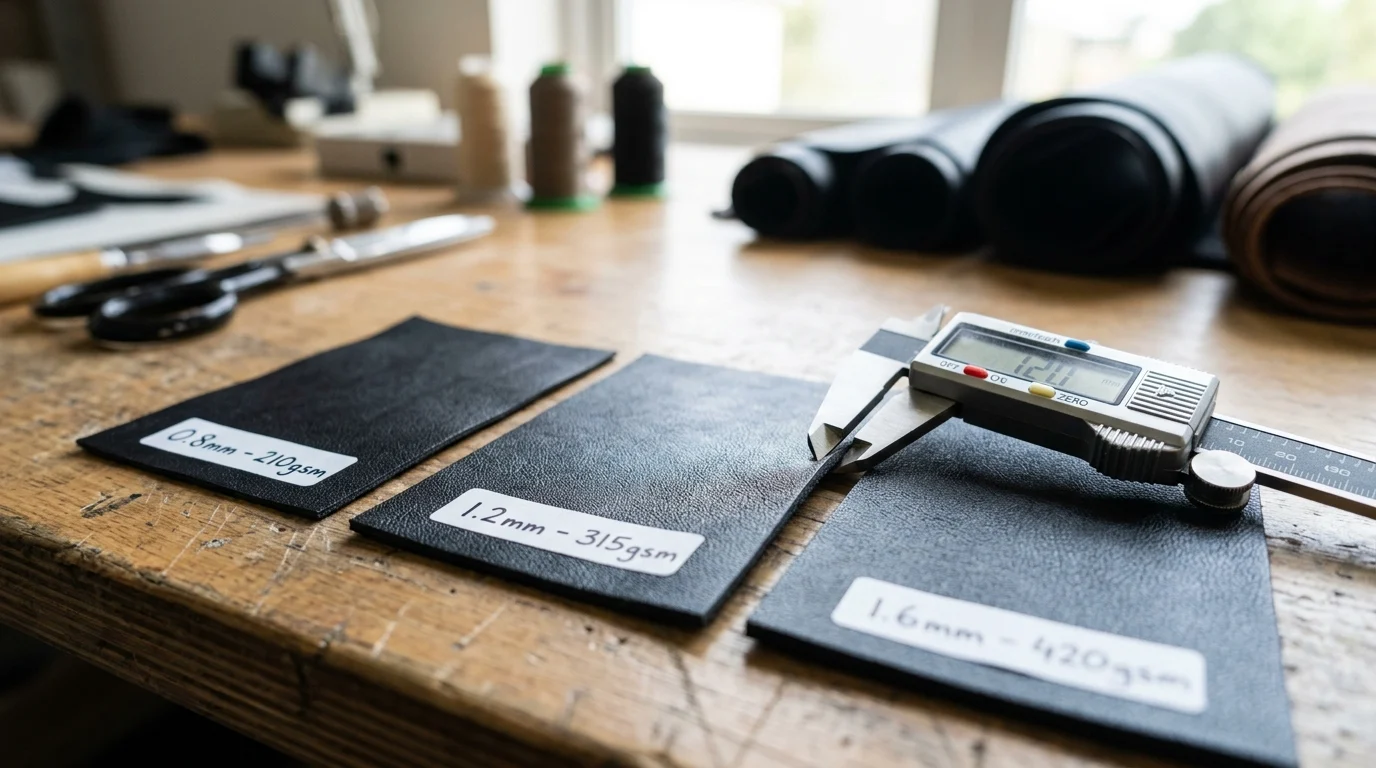
The primary metrics utilized in the synthetic leather industry are thickness, measured in millimeters (mm), and basis weight, expressed in grams per square meter (g/m²). Standard footwear-grade microfiber typically spans a thickness of 0.6 mm to 2.2 mm, with corresponding basis weights ranging from 300 g/m² to over 900 g/m².
An equally important derived metric is apparent density (g/cm³), calculated by dividing the basis weight by the thickness. High-quality microfiber shoe leather generally exhibits a density between 0.45 g/cm³ and 0.65 g/cm³. Materials falling below this density threshold often suffer from poor tear resistance and a spongy texture, while those exceeding it may become excessively rigid and difficult to last.
How testing methods and tolerances affect comparability
Comparability across different suppliers is heavily contingent upon the testing methodologies employed. Industry-standard protocols, such as ISO 2589 for determining thickness, stipulate specific presser foot diameters and applied loads (typically 4.9 kPa) to prevent the compressible microfiber from flattening during measurement.
Premium suppliers adhere to strict manufacturing tolerances, typically maintaining thickness within ±0.05 mm and basis weight within a ±5% deviation across a single roll. When testing methods vary—such as utilizing non-standard pressure gauges—a nominal 1.4 mm material from one supplier might measure 1.25 mm under ISO conditions. This discrepancy can lead to unexpected failures in upper skiving, stitching tension, and overall automated cutting yields.
How to compare thickness and weight ranges
Comparing thickness and weight ranges requires a systematic alignment of material properties with the intended footwear application. Procurement engineers must analyze these dimensions not just as standalone figures, but as paired metrics that define the structural integrity, flex endurance, and manufacturing viability of the shoe upper.
Which thickness and weight combinations fit different shoe types
The interplay between thickness and weight dictates the stiffness and flex endurance of the shoe. For lightweight sneakers, a combination of 0.8 mm thickness and a basis weight of 350 to 400 g/m² provides the necessary pliability for complex upper patterns and seamless bonding techniques.
Mid-range footwear, such as classic cupsole sneakers or formal oxfords, achieves optimal lasting and vamp break with 1.2 mm to 1.4 mm thickness paired with 500 to 600 g/m² basis weights. Heavy-duty applications, where structural rigidity is paramount, require 1.8 mm to 2.0 mm thickness and basis weights exceeding 800 g/m², ensuring the material can withstand harsh environmental abrasion and mechanical stress without collapsing.
What comparison table buyers should use
To streamline supplier evaluation, sourcing teams rely on standardized comparison matrices. The following table outlines the industry-standard thickness and weight combinations mapped to specific footwear categories, providing a baseline for specification sheets.
| Footwear Category | Recommended Thickness (mm) | Target Basis Weight (g/m²) | Key Performance Focus |
|---|---|---|---|
| Performance Athletic | 0.8 – 1.0 | 350 – 450 | Extreme flexibility, low mass |
| Casual & Dress Shoes | 1.2 – 1.4 | 500 – 650 | Crease recovery, aesthetic drape |
| Hiking & Outdoor | 1.4 – 1.6 | 650 – 750 | Water resistance, moderate abrasion |
| Industrial Safety Boots | 1.8 – 2.2 | 800 – 950+ | Puncture resistance, structural rigidity |
How buyers should select microfiber shoe leather
Selecting the optimal microfiber shoe leather extends beyond theoretical specifications. Buyers must execute a comprehensive procurement strategy that validates material performance in real-world manufacturing conditions while navigating complex supply chain variables such as compliance regulations and cost constraints.
How to match target thickness and weight to product goals
Target specifications must align directly with the product’s manufacturing requirements and end-use goals. If a shoe design involves intricate skiving, folding, or turned edges, selecting a highly dense 1.6 mm microfiber will result in bulky, unmanageable seams that cause discomfort to the wearer.
Conversely, specifying a 0.8 mm material for an unlined summer loafer may lead to structural collapse after minimal wear. Engineers must match the material’s physical volume to the capabilities of their lasting machines and the specific geometry of the shoe last, ensuring the upper conforms smoothly without wrinkling or tearing under tension.
Which supplier validation steps and wear tests to run
Prior to mass production, rigorous laboratory and field validation is mandatory. Buyers should require Bally flex testing data, demanding a minimum of 100,000 continuous cycles at room temperature and 30,000 cycles at -20°C without surface cracking or delamination.
Martindale abrasion tests (typically requiring >50,000 rubs dry) and tear strength evaluations (e.g., >40 N for standard 1.2 mm material) are critical to confirm that the chosen weight and thickness translate to actual durability. Beyond lab data, physical wear tests using prototype batches help identify dynamic issues like excessive vamp creasing or inadequate breathability that bench tests might miss.
How compliance, logistics, MOQ, and price affect selection
Commercial viability relies on balancing technical specs with logistics, compliance, and pricing. Modern microfiber must meet stringent environmental standards, such as REACH compliance and strictly controlled Dimethylformamide (DMF) levels, typically capped below 30 ppm for premium grades.
Minimum Order Quantities (MOQs) for custom thicknesses or dyed-to-match weights generally range from 300 to 500 linear meters per color. Pricing is highly sensitive to thickness; a standard 1.2 mm PU microfiber may cost between $4.50 and $6.00 per meter, while specialized 2.0 mm safety-grade materials can exceed $9.00 per meter. Factoring in shipping volumes—thicker materials yield fewer meters per 20-foot container (often dropping from 15,000 meters to 8,000 meters)—is essential for accurate landed cost calculations.
What decision framework works best
Establishing a robust decision framework allows sourcing teams to transition from evaluating individual material data sheets to making holistic, risk-adjusted procurement choices. A structured matrix ensures that performance, aesthetics, and unit economics remain balanced throughout the scaling phase.
Which specification matrix balances performance, aesthetics, and cost
Utilizing a specification matrix enables buyers to categorize materials into functional tiers, standardizing procurement across diverse product lines. This matrix prevents over-engineering—such as paying for a 1.6 mm premium microfiber when a 1.2 mm standard grade suffices—while safeguarding against quality failures.
| Specification Tier | Thickness Range (mm) | Relative Cost Index | Ideal Application Profile |
|---|---|---|---|
| Tier 1 (Light/Agile) | 0.6 – 1.0 | $$ | Speed-focused athletic, lightweight fashion |
| Tier 2 (Standard/Core) | 1.1 – 1.4 | $$$ | Everyday casual, formal wear, cupsole sneakers |
| Tier 3 (Heavy/Utility) | 1.5 – 2.2 | $$$$ | Workwear, tactical, severe environment boots |
How sourcing teams should finalize selection
Finalizing the selection requires a phased approach to risk mitigation. Sourcing teams should never move directly from a swatch approval to a 10,000-meter purchase order based purely on stated weight and thickness.
The optimal framework mandates a pilot production run of 50 to 100 pairs using the specified material. This trial validates cutting yields—ensuring the ±0.05 mm thickness tolerance holds true across the roll—and confirms compatibility with existing factory tooling, needles, and adhesives. Only upon successful completion of this pilot phase, supported by passing scores in physical wear tests, should the procurement team lock in the final specification and negotiate long-term supply contracts.
Key Takeaways
- The most important conclusions and rationale for microfiber shoe leather
- Specs, compliance, and risk checks worth validating before you commit
- Practical next steps and caveats readers can apply immediately
Frequently Asked Questions
What thickness is best for athletic shoe microfiber uppers?
For athletic and running shoes, 0.8–1.0 mm is a practical range. It helps reduce shoe weight while keeping enough tensile strength and flexibility for movement.
Which thickness range suits dress shoes or casual loafers?
Use about 1.2–1.4 mm for dress shoes and loafers. This range balances clean shape retention with comfortable vamp flex and controlled creasing.
How thick should microfiber shoe leather be for safety boots?
For military, work, or safety footwear, 1.8–2.2 mm is typically preferred. It offers better puncture resistance, ankle support, and structural stability in demanding use.
Why should buyers check both thickness and basis weight?
Thickness alone can be misleading. Confirm thickness in mm and basis weight in g/m² together to judge density, feel, durability, and whether the material matches your shoe design.
How can HAOHAO help with microfiber shoe leather selection?
HAOHAO can support B2B footwear teams with sample matching, spec guidance, and scalable production. Ask for recommended thickness, weight, and tolerance targets based on your shoe category and processing needs.