
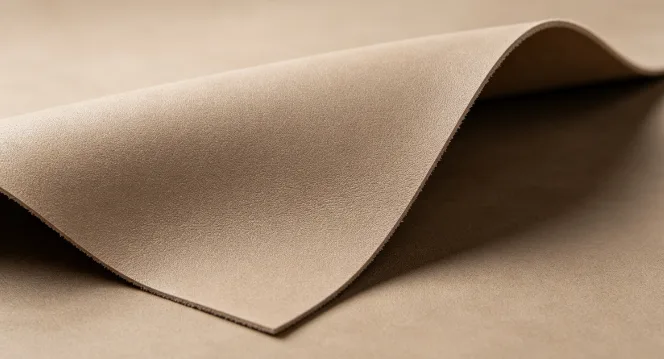
Microfiber leather represents one of the most significant advancements in synthetic leather technology, offering a material that closely mimics the appearance, texture, and durability of genuine leather at a fraction of the cost. This comprehensive guide explores the definition, manufacturing process, applications, and comparative advantages of microfiber leather, helping you understand why it has become a preferred choice for manufacturers and consumers worldwide.
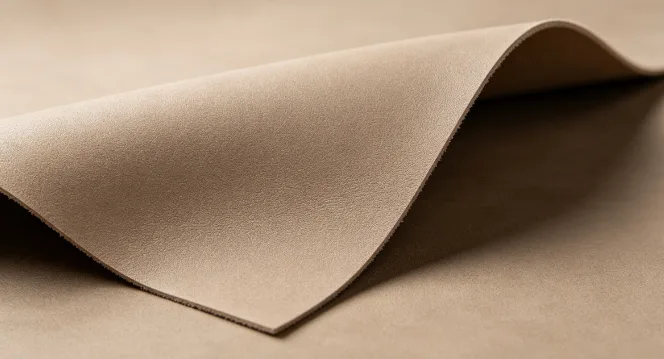
Definition of Microfiber Leather
Microfiber leather, also known as microfiber synthetic leather or synthetic leather material, is an advanced non-woven fabric composed of ultra-fine polyester fibers that are precisely crafted to replicate the structure of natural leather. The material typically consists of a base layer of microfiber non-woven fabric combined with a polyurethane (PU) coating, creating a surface that closely resembles genuine leather in both appearance and tactile quality.
The core innovation behind microfiber leather lies in its island-type structure, where individual fine fibers are bundled together like islands in a sea of polymer binder. This unique construction provides exceptional durability, breathability, and aesthetic appeal that distinguishes it from traditional synthetic leather alternatives. According to industry standards, the finest quality microfiber leather utilizes fiber bundles that are 0.005 millimeters or less in diameter, enabling superior softness and realistic leather-like characteristics.
How Microfiber Leather Works: The Manufacturing Process
The production of microfiber leather involves several intricate stages that work together to create its distinctive properties. Understanding this process reveals why microfiber synthetic leather has become a technical marvel in the materials industry.
The Island-in-the-Sea Structure
The foundation of microfiber leather performance lies in its island-type structure, sometimes referred to as the sea-island fiber configuration. In this design, multiple ultra-fine fibers (the “islands”) are embedded within a soluble polymer matrix (the “sea”). During manufacturing, the polymer matrix is dissolved, leaving behind a network of densely packed fine fibers that create the characteristic leather-like texture.
This structure provides several functional advantages:
- Enhanced tensile strength through fiber interlocking
- Improved tear resistance due to uniform stress distribution
- Superior dimensional stability under varying conditions
- Natural breathability similar to genuine leather
Surface Treatment and Finishing
After the base fabric is formed, it undergoes specialized surface treatment processes to achieve the desired aesthetic and functional properties. The polyurethane coating is applied in multiple layers, with each layer serving a specific purpose:
| Layer | Function | Characteristics |
|---|---|---|
| Base Coat | Adhesion to microfiber substrate | Flexibility, durability |
| Pattern Coat | Surface texture and grain | Customizable patterns |
| Finish Coat | Visual and tactile quality | Gloss, softness, protection |
The surface can be engineered to replicate various leather types, from smooth calfskin to textured nubuck, providing designers with extensive creative flexibility.
Key Properties and Performance Characteristics
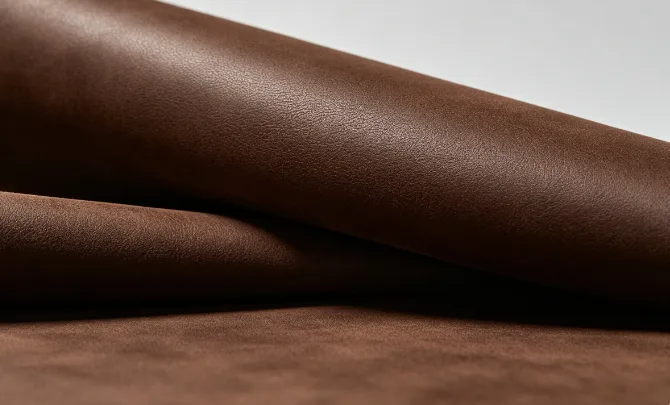
Microfiber leather material demonstrates a range of properties that make it suitable for demanding applications across multiple industries.
| Property | Microfiber Leather | Genuine Leather | Traditional PU Leather |
|---|---|---|---|
| Durability | Excellent (5-10 years) | Good (with maintenance) | Moderate (2-5 years) |
| Breathability | Good | Excellent | Poor |
| Water Resistance | Very Good | Poor | Good |
| Maintenance | Easy | Requires care | Moderate |
| Cost Efficiency | High | Low | High |
| Environmental Impact | Lower than leather | High | Moderate |
The island-type structure contributes significantly to these performance characteristics, particularly in terms of wear resistance and long-term structural integrity.
Applications of Microfiber Leather
Microfiber synthetic leather has found widespread adoption across numerous industries, driven by its versatility and cost-effectiveness. For high-quality microfiber leather products, visit hh-mf.com to explore comprehensive product options.
Automotive Industry
The automotive sector represents one of the largest consumers of microfiber leather, utilizing the material for vehicle interiors, seat covers, steering wheel covers, and dashboard trim. The material’s durability, stain resistance, and consistent quality make it ideal for high-volume automotive production while meeting stringent environmental regulations.
Furniture and Upholstery
In furniture manufacturing, microfiber leather provides an attractive alternative to genuine leather for sofas, office chairs, and decorative elements. Its consistent texture and color availability enable designers to achieve premium aesthetics without the maintenance requirements of natural leather.
Footwear and Accessories
The fashion industry has embraced microfiber leather material for shoes, bags, wallets, and belts. The ability to produce consistent quality across large production runs while maintaining authentic leather-like appearance has made it particularly valuable for accessory manufacturers.
Electronics Cases and Protective Gear
Consumer electronics cases, protective gear, and sporting goods increasingly utilize microfiber leather for its combination of durability, grip texture, and visual appeal. The material’s uniform quality ensures reliable protection while offering customization options.
Environmental Considerations and Sustainability
When compared to genuine leather, microfiber leather offers several environmental advantages that align with growing sustainability concerns in manufacturing. The production process requires fewer resources, generates less waste, and eliminates the need for livestock farming’s environmental footprint.
According to a 2024 report by the Textile Exchange, leather alternative materials like microfiber leather can reduce water consumption by up to 90% compared to traditional leather production. However, it is important to note that microfiber synthetic leather production still involves petroleum-based polymers, and ongoing research focuses on developing bio-based alternatives to further improve environmental performance.
The durability of microfiber leather also contributes to sustainability through product longevity. Items made from quality microfiber leather material can maintain their appearance and functionality for years, reducing replacement frequency and associated resource consumption.
Advantages and Limitations
Understanding both the strengths and constraints of microfiber leather helps inform material selection decisions for specific applications.
Advantages
- Consistent quality and color availability across production batches
- Superior abrasion resistance for high-wear applications
- Easy cleaning and maintenance requirements
- Cost-effective alternative to genuine leather
- Animal-free production process
- Customizable textures and finishes
- Uniform thickness and structural consistency
Limitations
- Less natural aging and patina development compared to genuine leather
- Perception as a “premium” but not “luxury” material in some markets
- Thermal conductivity differences from natural leather
- Environmental concerns regarding synthetic polymer components
How to Identify Quality Microfiber Leather
Distinguishing high-quality microfiber leather material from inferior products requires attention to specific characteristics:
- Surface uniformity: Quality microfiber leather displays consistent grain patterns without visible defects or irregularities.
- Flexibility testing: Premium materials bend easily without cracking or delaminating.
- Odor assessment: High-quality synthetic leather material lacks strong chemical odors.
- Edge examination: Cross-sections should reveal dense, uniform fiber structure.
- Manufacturer reputation: Established producers with quality certifications ensure reliable products.
Maintenance and Care Guidelines
Proper care extends the lifespan of microfiber leather products significantly. Regular maintenance involves:
- Wiping surfaces with a damp, soft cloth for routine cleaning
- Using mild soap solutions for stubborn stains (test on inconspicuous area first)
- Avoiding harsh chemicals, solvents, and abrasive cleaning tools
- Keeping products away from direct sunlight when possible
- Storing items in cool, dry locations with adequate ventilation
These simple care practices help maintain the appearance and functionality of microfiber leather items throughout their usable lifespan.
Frequently Asked Questions
What is microfiber leather made of?
Microfiber leather consists of ultra-fine polyester fibers arranged in an island-type structure, bonded together with polyurethane and finished with PU coating layers to create a leather-like surface appearance and texture.
How long does microfiber leather last?
Quality microfiber leather material typically maintains its appearance and structural integrity for 5-10 years with proper care, depending on usage intensity and maintenance practices.
Is microfiber leather better than genuine leather?
“Better” depends on application requirements. Microfiber leather offers superior consistency, easier maintenance, and cost efficiency, while genuine leather provides natural aging characteristics and luxury perception. For many applications, microfiber synthetic leather provides the optimal balance of performance and value.
Can microfiber leather be recycled?
Current recycling infrastructure for microfiber leather is limited due to its composite structure. However, some manufacturers have developed take-back programs, and research continues into more sustainable production methods and end-of-life solutions.
Does microfiber leather look and feel like real leather?
High-quality microfiber leather material closely replicates the appearance and hand feel of genuine leather, particularly for surface applications. While subtle differences exist upon close inspection, the visual similarity is generally sufficient for most consumer and industrial applications.