
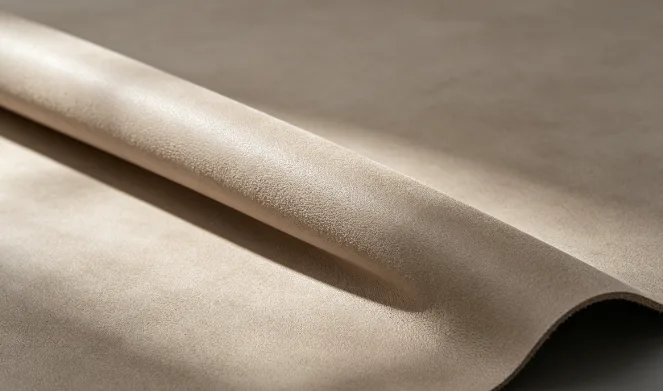
Microfiber sofa leather has transformed the upholstery industry by offering a durable, cost-effective alternative to genuine leather. This guide examines the top 7 quality indicators that professionals and buyers should evaluate when selecting microfiber sofa leather for commercial or residential applications. Understanding these metrics ensures informed purchasing decisions and long-term satisfaction with upholstered furniture investments.
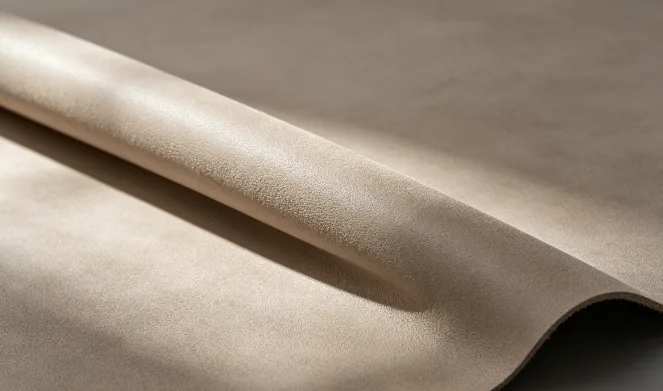
What Is Microfiber Sofa Leather?
Microfiber sofa leather, also known as microfiber synthetic leather or PU microfiber leather, is an engineered material composed of ultra-fine fiber structures bonded with polyurethane resin. The material replicates the texture and appearance of genuine leather while offering enhanced consistency and customization options. Leading manufacturers like those at hh-mf.com produce microfiber leather specifically formulated for sofa applications, combining comfort with structural integrity.
Why Quality Indicators Matter for Sofa Applications
Sofa leather endures continuous mechanical stress from daily use, making quality verification essential. Furniture manufacturers, interior designers, and procurement specialists rely on standardized quality indicators to predict material performance over typical furniture lifespans of 10-15 years. These indicators also facilitate supplier comparison and specification compliance.
Top 7 Quality Indicators for Microfiber Sofa Leather
1. Abrasion Resistance (Martindale & Taber Ratings)
Abrasion resistance determines how well microfiber sofa leather withstands repeated rubbing without surface degradation. Two standardized testing methods evaluate this property:
- Martindale Test: Measures double rubs until visible surface changes occur. Premium sofa leather should exceed 50,000 cycles for residential use and 100,000 cycles for commercial applications.
- Taber Test: Uses rotating abrasive wheels to quantify mass loss. Lower mass loss indicates superior wear resistance.
According to industry standards from the International Organization for Standardization (ISO), microfiber leather with abrasion resistance ratings above 50,000 Martindale cycles qualifies for heavy-duty residential furniture classification.
| Application Level | Martindale Cycles | Taber Weight Loss |
|---|---|---|
| Light Residential | 20,000 – 30,000 | < 100 mg |
| Standard Residential | 30,000 – 50,000 | 50-100 mg |
| Heavy Residential | 50,000 – 80,000 | 25-50 mg |
| Commercial/Hospitality | > 80,000 | < 25 mg |
2. Tear Strength and Tensile Properties
Tear strength measures the material’s resistance to propagation of cuts or tears under stress. Sofa cushions experience directional forces during use, making adequate tear strength critical for maintaining structural integrity. Quality microfiber sofa leather should demonstrate:
- Tear Strength: Minimum 20 N (Newtons) for warp direction and 15 N for weft direction per ISO 13937-2 standards.
- Tensile Strength: Exceeding 15 MPa to prevent permanent deformation under load.
- Elongation at Break: 100-400% range ensures flexibility without brittle failure.
These mechanical properties directly correlate with furniture durability and should be verified through manufacturer test reports or third-party laboratory certification.
3. Thickness and Weight Specifications
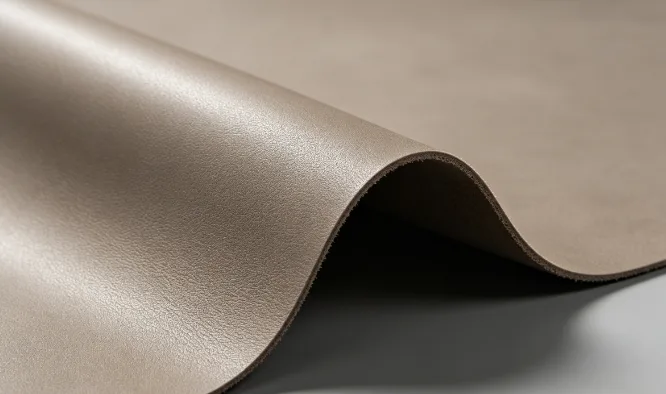
Thickness uniformity affects both tactile quality and processing characteristics. Microfiber sofa leather thickness typically ranges from 0.8mm to 1.6mm, with optimal selection depending on application requirements:
| Component | Recommended Thickness | Weight (gsm) |
|---|---|---|
| Seat Cushions | 1.0 – 1.4 mm | 450 – 650 |
| Back Cushions | 0.8 – 1.2 mm | 350 – 550 |
| Armrests | 1.2 – 1.6 mm | 550 – 750 |
| Decorative Panels | 0.6 – 1.0 mm | 280 – 450 |
Consistent thickness across rolls prevents visible seams and ensures predictable cutting yields during manufacturing. Request thickness tolerance specifications of ±0.1mm from suppliers to verify quality control standards.
4. Color Fastness and UV Stability
Color fastness evaluates resistance to fading, staining, and color transfer under various environmental conditions. For sofa applications, key color fastness tests include:
- Xenon Arc Exposure: Simulates 500+ hours of sunlight exposure. Rating of Grade 4 or higher (grey scale) indicates excellent UV stability.
- Rubbing Fastness: Dry and wet rubbing tests measure color transfer. Grade 4-5 minimum required for customer-facing applications.
- Perspiration Resistance: Critical for furniture in humid environments or contact with skin oils.
The American Association of Textile Chemists and Colorists (AATCC) provides standardized evaluation scales for color fastness assessment. High-quality microfiber sofa leather maintains color integrity for 5+ years under normal indoor conditions.
5. Hydrolysis Resistance and Environmental Durability
Hydrolysis resistance measures how well microfiber sofa leather withstands moisture exposure and chemical breakdown over time. This indicator proves particularly important for:
- Humid climates and coastal regions
- Furniture near windows with condensation exposure
- Commercial environments with frequent cleaning protocols
Industry-standard hydrolysis testing involves exposing samples to 70°C and 95% relative humidity for periods ranging from 7 to 28 days. Premium microfiber leather should retain at least 80% of original physical properties after hydrolysis testing. Advanced microfiber leather formulations incorporate anti-hydrolysis agents that extend service life significantly.
6. Flame Retardancy and Safety Standards
Furniture fire safety regulations mandate specific flame retardancy performance for upholstered products. Key standards and ratings include:
| Standard/Regulation | Region | Key Requirements |
|---|---|---|
| CAL 117 | California, USA | Smolder resistance test for upholstery |
| BS 5852 | United Kingdom/EU | Source 0 and Source 5 ignition resistance |
| EN 1021-1/2 | European Union | Cigarette and match flame resistance |
| GB 8410 | China | Flammability of automotive interior materials |
Microfiber sofa leather for commercial furniture should meet at least one recognized flame retardancy standard. Manufacturers should provide documentation confirming compliance with applicable regional regulations.
7. Surface Feel (Hand Feel) and Texture Quality
Surface characteristics directly impact consumer perception and comfort. Quality indicators for surface feel include:
- Grain Pattern Uniformity: Consistent embossing across rolls prevents visible defects in finished furniture.
- Softness Measurement: Measured using specialized durometer instruments or subjective evaluation by trained assessors.
- Surface Smoothness: Evaluated through coefficient of friction testing for realistic tactile experience.
Recovery Properties: Material’s ability to return to original texture after compression or stretching.
Premium microfiber sofa leather should exhibit a hand feel comparable to mid-grade genuine leather while maintaining consistent quality across batches. Request samples for tactile evaluation before committing to bulk orders.
How to Verify Quality Indicator Claims
Professional buyers should implement verification protocols when assessing microfiber sofa leather quality:
- Request Test Reports: Ask for third-party laboratory certification for all specified quality indicators.
- Request Samples: Obtain production samples for internal testing and tactile evaluation.
- Factory Audits: Conduct or commission quality management system audits per ISO 9001 standards.
- Production Trial Runs: Test material processability before full production commitment.
Pros and Cons: Microfiber Sofa Leather vs. Genuine Leather
| Factor | Microfiber Sofa Leather | Genuine Leather |
|---|---|---|
| Cost | 30-50% lower | Higher |
| Consistency | Uniform quality batch-to-batch | Natural variation inherent |
| Durability | High (with quality indicators) | Very high (varies by grade) |
| Maintenance | Easy, wipe-clean surface | Requires conditioning |
| Eco-Friendliness | Customizable formulations | Livestock-dependent |
| Customization | Extensive color/texture options | Limited to natural variations |
Frequently Asked Questions
What is the minimum Martindale abrasion rating for residential sofa microfiber leather?
Residential sofa applications typically require a minimum of 30,000-50,000 Martindale cycles. Heavy-use households or commercial settings should specify 50,000+ cycles for optimal longevity. Always request third-party test verification from suppliers.
How does microfiber sofa leather thickness affect furniture durability?
Thicker microfiber leather (1.0-1.6mm) generally provides better tear resistance and longevity for high-stress areas like seat cushions and armrests. However, optimal thickness depends on cushion construction and intended use intensity. Balance thickness with flexibility requirements for comfortable seating.
What hydrolysis testing standard should quality microfiber leather meet?
Quality microfiber sofa leather should retain at least 80% of original tear strength and tensile properties after 7-14 days of hydrolysis testing at 70°C and 95% relative humidity. For humid climates, request 28-day extended hydrolysis testing results.
Does microfiber sofa leather meet fire safety regulations for commercial furniture?
Many microfiber leather products meet CAL 117, BS 5852, and EN 1021 standards when properly formulated with flame retardant additives. Always verify specific compliance documentation for your target market’s regulations before purchase.
How can I verify quality indicator claims before bulk ordering?
Request comprehensive test reports from accredited laboratories, obtain production samples for internal testing, and when possible, conduct or commission factory quality audits. Reputable manufacturers like those supplying through hh-mf.com provide transparent documentation and sample support for professional buyers.