
Introduction
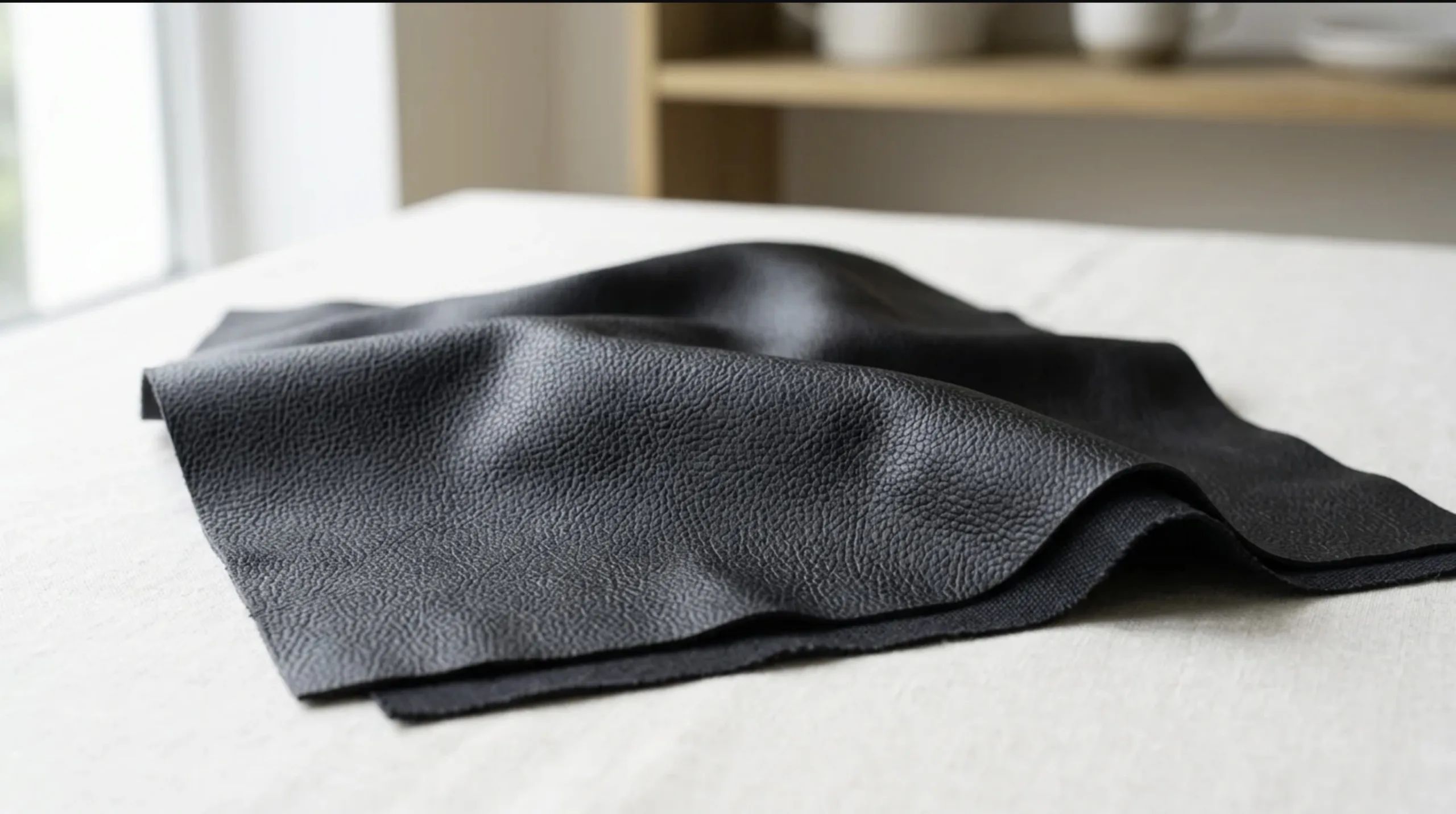
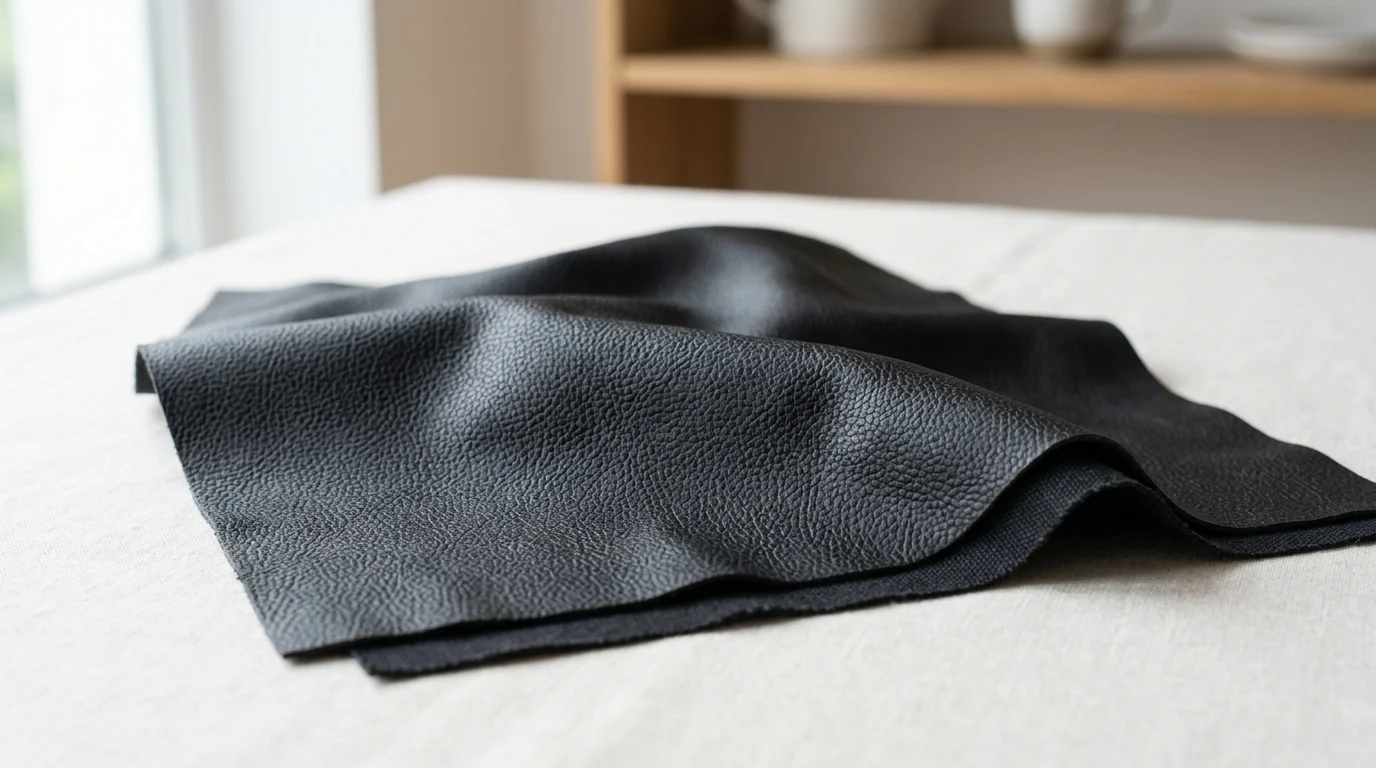
Water based PU leather is a synthetic material made by dispersing polyurethane in water instead of solvent-heavy chemicals, making it a lower-emission alternative to conventional PU leather. Its growing use in fashion, furniture, automotive interiors, and accessories reflects rising pressure to reduce VOCs, improve worker safety, and meet stricter environmental standards. This guide explains how water based PU leather is produced, how it differs from solvent-based PU and genuine leather, and what its performance, durability, and sustainability claims actually mean, so you can better judge when it is a practical eco-friendlier choice.
Why Water Based PU Leather Matters
The synthetic leather industry is undergoing a structural transformation driven by environmental imperatives and chemical safety standards. At the center of this shift is water based polyurethane (PU) leather, a material engineered to eliminate the toxic solvents traditionally required for synthetic leather manufacturing.
For decades, the production of conventional PU leather has relied heavily on dimethylformamide (DMF), a volatile organic compound (VOC) used to dissolve polyurethane resins. While effective for creating soft, durable materials, DMF poses severe health risks to factory workers and environmental hazards through wastewater and atmospheric emissions. Water based PU leather replaces these organic solvents with water, fundamentally altering the material’s environmental footprint while maintaining—and in some cases exceeding—the mechanical properties of its solvent-based predecessors.
Market drivers and sustainability pressure
The transition toward water based PU leather is largely accelerated by corporate environmental, social, and governance (ESG) commitments. As global fashion, automotive, and furniture brands aim for net-zero emissions and circular supply chains, the demand for low-impact materials has surged.
Industry data indicates that while the broader synthetic leather market is growing at a steady compound annual growth rate (CAGR) of approximately 5% to 7%, the eco-friendly and water based segment is expanding at a significantly faster pace, often exceeding 10% annually. This growth is compounded by consumer demand for vegan alternatives to animal leather that do not rely on ecologically damaging petrochemical processes.
Regulatory and solvent restriction trends
Regulatory frameworks are tightening globally, making traditional solvent-based production increasingly untenable. In the European Union, REACH (Registration, Evaluation, Authorisation and Restriction of Chemicals) regulations have classified DMF as a Substance of Very High Concern (SVHC).
Current compliance standards require DMF concentrations in consumer products to remain below 10 parts per million (ppm), with many leading apparel and automotive brands pushing for a strict 1 ppm threshold or complete eradication (0 ppm). Furthermore, manufacturing hubs in Asia are implementing stringent emission caps, forcing synthetic leather mills to either invest heavily in expensive solvent recovery systems or transition entirely to aqueous polyurethane dispersions (PUDs).
Key buyer questions to address first
Before transitioning supply chains to water based PU leather, procurement teams and product designers must evaluate several critical factors. The primary question is whether the material can achieve performance parity with legacy materials in specific applications, particularly regarding abrasion resistance and flex durability.
Buyers must also address scalability and cost. Because water based curing requires different thermal profiles and specialized machinery, buyers must ask whether their prospective suppliers possess genuine water based production lines or if they are simply applying water based topcoats over solvent-based base layers. Finally, understanding the cost premium—typically 15% to 30% higher than traditional PU—is essential for accurate margin forecasting.
What Water Based PU Leather Is
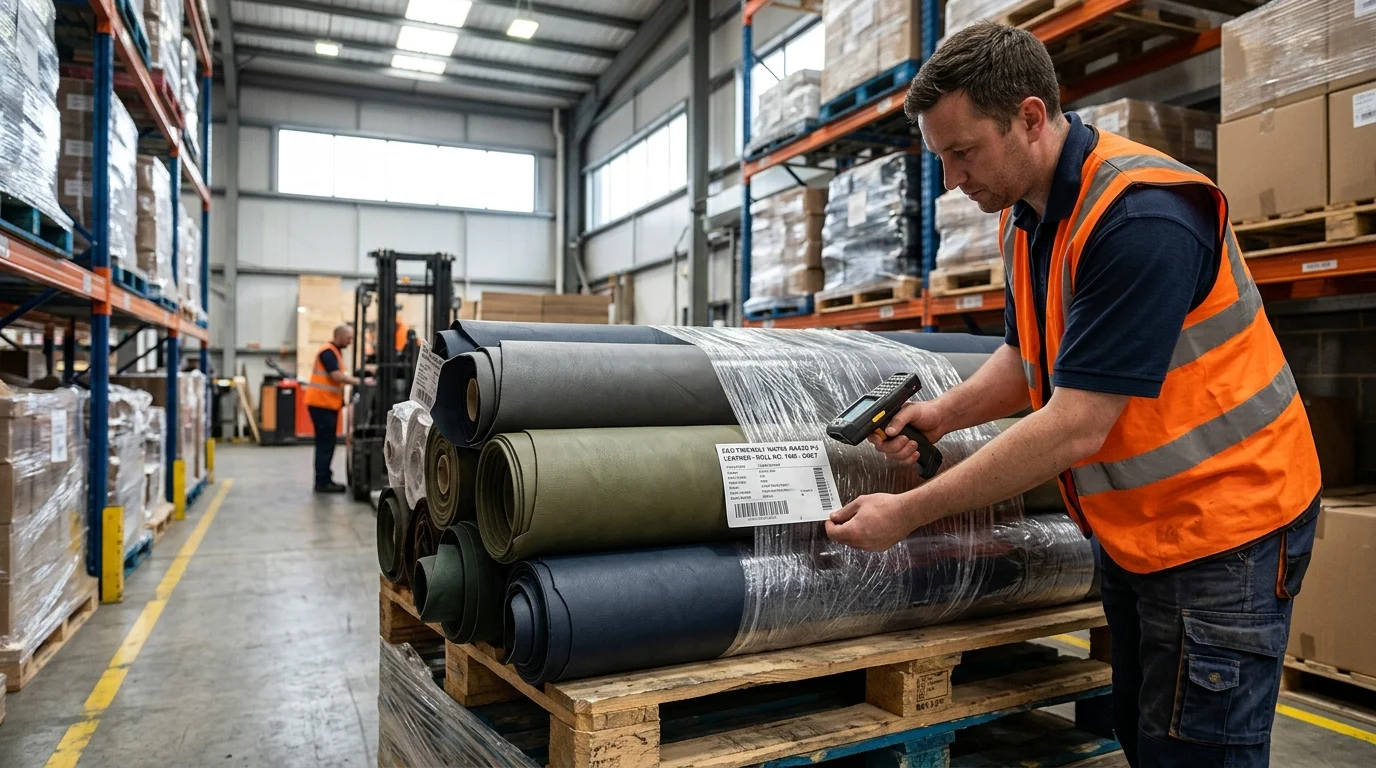
Water based PU leather is a composite material comprising a textile backing and multiple layers of polyurethane resin dispersed in water. Unlike traditional solvent-based systems where the resin is dissolved in DMF or methyl ethyl ketone (MEK), water based systems utilize water as the primary carrier. As the material passes through drying ovens, the water evaporates, allowing the polyurethane particles to coalesce and form a continuous, flexible film.
Definition and material structure
At a molecular level, water based PU leather relies on aqueous polyurethane dispersions (PUDs). These are ionically or non-ionically stabilized polyurethane polymers suspended in water. Because the polymers are not dissolved in a solvent, the resulting film structure is inherently different, often yielding a highly breathable and flexible matrix.
The material structure typically consists of three primary layers. The substrate, or backing, provides tensile strength and tear resistance; this is often made from woven or non-woven polyester, cotton, or increasingly, recycled PET. Above this sits the base or adhesive layer, which bonds the textile to the surface coating. Finally, the topcoat provides the desired aesthetic finish, color, texture, and surface protection such as scratch and UV resistance.
Main production steps
The manufacturing of water based PU leather utilizes either a direct coating or a transfer coating (release paper) process. In the transfer process, a layer of water based topcoat is applied onto a textured release paper and passed through an oven. The ovens typically operate at temperatures between 120°C and 150°C to evaporate the water and crosslink the resin.
Next, the water based adhesive layer is applied, and the textile backing is laminated onto the wet adhesive. The entire composite is then cured in a secondary oven. Because water has a higher latent heat of vaporization than chemical solvents, the drying process requires highly efficient, specialized ovens with optimized airflow to ensure complete moisture removal without degrading the polymer structure. Finally, the release paper is stripped away, revealing the textured PU leather.
Core specifications for buyers
When sourcing water based PU leather, buyers must establish clear technical specifications to ensure the material meets end-use requirements. The absence of solvents means that certain mechanical properties, such as hydrolysis resistance, are often superior, but precise specifications must be mandated in the purchase order.
| Specification Parameter | Typical Water Based PU Range | Testing Standard |
|---|---|---|
| Thickness | 0.5 mm – 2.0 mm | ISO 2589 |
| Peel Strength | > 2.5 kg / 3 cm | ISO 2411 |
| Abrasion Resistance | 50,000 – 100,000+ Martindale rubs | ISO 12947-2 |
| Hydrolysis Resistance | 5 to 10 years (Jungle Test) | ISO 1419 (Method C) |
| VOC / DMF Content | < 10 ppm (often Non-Detectable) | EN 14362-1 / ZDHC MRSL |
Performance and Sustainability Comparison
Evaluating water based PU leather requires a direct comparison with its market alternatives: traditional solvent-based PU, polyvinyl chloride (PVC) leather, and genuine animal leather. While water based PU excels in ecological metrics, understanding its mechanical boundaries and lifecycle performance is crucial for appropriate material selection.
Performance trade offs versus alternatives
Compared to traditional solvent-based PU, water based PU exhibits vastly superior hydrolysis resistance. Solvent-based PU often degrades, cracks, or peels within 1 to 3 years when exposed to high humidity and heat, whereas premium water based PU can withstand 5 to 10 years under similar conditions. This makes it highly competitive for long-term applications.
However, there are trade-offs. Early iterations of water based PU struggled with surface scratch resistance and required specialized topcoat additives to match the surface toughness of PVC or solvent PU. Additionally, PVC leather remains significantly cheaper and offers excellent chemical and stain resistance, though it lacks the breathability, soft hand-feel, and cold-flexibility of water based PU. Compared to genuine leather, water based PU offers better consistency, lower weight, and higher yield per roll, though it cannot naturally patina over time.
Sustainability advantages and limits
The primary sustainability advantage of water based PU is the near-total elimination of volatile organic compounds. By removing DMF and MEK, factories can achieve up to a 90% reduction in VOC emissions. Furthermore, because water based curing does not require energy-intensive solvent recovery towers, the overall carbon footprint of production is often reduced by 30% to 40%.
Despite these advantages, sustainability limits remain. The polyurethane resin itself is still predominantly derived from petrochemicals. While the manufacturing process is clean, the end-of-life disposal of the material presents challenges, as it is not naturally biodegradable. To address this, the industry is seeing the introduction of bio-based, water based PUs, which incorporate 20% to 40% renewable biomass (such as corn or castor oil derivatives) into the polymer chain, bridging the gap toward fully circular materials.
Best fit applications
Due to its high hydrolysis resistance, low toxicity, and lack of chemical odors, water based PU leather is exceptionally well-suited for enclosed environments and high-contact surfaces. Automotive interiors are a major growth sector, as the material easily passes stringent vehicle interior air quality (VIAQ) standards for fogging and odor.
In the consumer goods sector, it is the preferred choice for premium vegan footwear, infant and children’s accessories, and high-end residential upholstery. Its breathability and soft drape also make it highly applicable in the apparel industry for faux-leather jackets and trousers, where direct skin contact necessitates absolute chemical safety.
What Buyers Should Verify When Sourcing
Because water based PU leather commands a price premium, the market is susceptible to “greenwashing,” where suppliers may market low-DMF solvent PU as “water based.” Procurement teams must implement rigorous vetting processes, focusing on chemical testing, factory audits, and precise cost modeling.
Compliance and testing requirements
To ensure a material is genuinely water based and ecologically safe, buyers must demand comprehensive third-party testing. Compliance with the ZDHC (Zero Discharge of Hazardous Chemicals) MRSL is non-negotiable. Buyers should require testing reports from accredited laboratories (such as SGS, Intertek, or TÜV) verifying that DMF, toluene, and other restricted solvents are non-detectable or strictly below 10 ppm.
Additionally, certifications such as Oeko-Tex Standard 100 (particularly Class I or II) provide assurance regarding human ecological safety. If the water based PU is laminated to a recycled substrate, buyers should also request a Global Recycled Standard (GRS) Transaction Certificate to validate the recycled content claims of the backing textile.
Supplier capability assessment
Assessing a supplier’s physical capability is critical. Producing high-quality water based PU requires specialized coating lines. Because water takes longer to evaporate than chemical solvents, genuine water based production lines feature extended drying ovens—often 30 to 40 meters in length—with sophisticated multi-zone temperature controls and high-velocity air impingement systems.
Buyers should conduct factory audits to verify the presence of this equipment. If a factory relies entirely on traditional short ovens designed for solvent evaporation, they are likely either running the lines at highly inefficient, slow speeds or cutting corners by mixing solvents into the water based dispersion to speed up drying.
Cost and logistics considerations
The transition to water based PU impacts the procurement budget. Currently, water based PU leather costs between $4.50 and $8.50 per linear yard, depending on the thickness, surface texture, and the type of backing used. This represents a 15% to 30% premium over standard solvent-based PU.
Logistically, buyers must account for Minimum Order Quantities (MOQs). Because cleaning the coating lines between color batches is time-consuming, suppliers typically enforce MOQs of 500 to 1,000 meters per color. Lead times generally range from 20 to 35 days. However, since the material is non-hazardous and solvent-free, it does not face the same strict international shipping regulations or dangerous goods surcharges as highly flammable solvent-based liquid chemicals, somewhat offsetting landed costs.
How to Decide if It Is the Right Choice

Transitioning from legacy synthetic leathers to water based PU requires a strategic evaluation of the brand’s priorities. Procurement and product development teams must weigh the immediate cost increases against long-term brand equity, regulatory compliance, and product lifespan.
Decision framework for product fit
To determine if water based PU is the right material for a specific product line, brands should utilize a structured decision framework that balances cost, compliance, and performance needs. Products with a targeted lifespan of over 3 years, or those destined for strictly regulated markets, are prime candidates for this material.
| Decision Factor | Stick with Solvent PU / PVC | Switch to Water Based PU |
|---|---|---|
| Target Product Lifespan | 1 – 2 years (Fast Fashion) | 3 – 10+ years (Premium/Durable) |
| Regulatory Environment | Lenient / Unregulated markets | Strict (EU REACH, Prop 65) |
| Budget Constraints | Low cost is the primary driver | Room for 15-30% premium for eco-marketing |
| End-User Contact | Low direct skin contact | High contact (Apparel, Seating, Footwear) |
| Corporate ESG Goals | Not a current priority | Actively reducing Scope 3 emissions & VOCs |
Procurement shortlist guidance
Once the decision is made to proceed, procurement teams should build a shortlist of 3 to 5 verified manufacturers, predominantly located in advanced textile hubs in Taiwan, South Korea, and specialized zones in mainland China.
Key Takeaways
- The most important conclusions and rationale for water based PU leather
- Specs, compliance, and risk checks worth validating before you commit
- Practical next steps and caveats readers can apply immediately
Frequently Asked Questions
What makes water based PU leather different from regular PU leather?
It uses water instead of solvents like DMF to carry the polyurethane resin, reducing VOC emissions and chemical risk while keeping a similar leather-like look and feel.
Is water based PU leather really eco-friendly?
It is generally more eco-friendly than solvent-based PU because it lowers DMF use and VOC emissions. Buyers should still verify the full construction, backing fabric, and test reports from the supplier.
How can buyers confirm a supplier offers true water based PU leather?
Ask whether the full system is water based, not just the topcoat. Request process details, DMF test results, VOC data, and material specifications before approving samples.
What applications is water based PU leather suitable for?
It works well for bags, footwear, furniture, and some automotive interiors, depending on abrasion, flex, and hydrolysis requirements. Match the grade to the end use and testing standard.
Can hh-mf.com help source water based PU leather for commercial projects?
Yes. If you are evaluating materials for manufacturing or private label use, contact hh-mf.com to discuss specifications, compliance targets, sample development, and application fit.