
Introduction
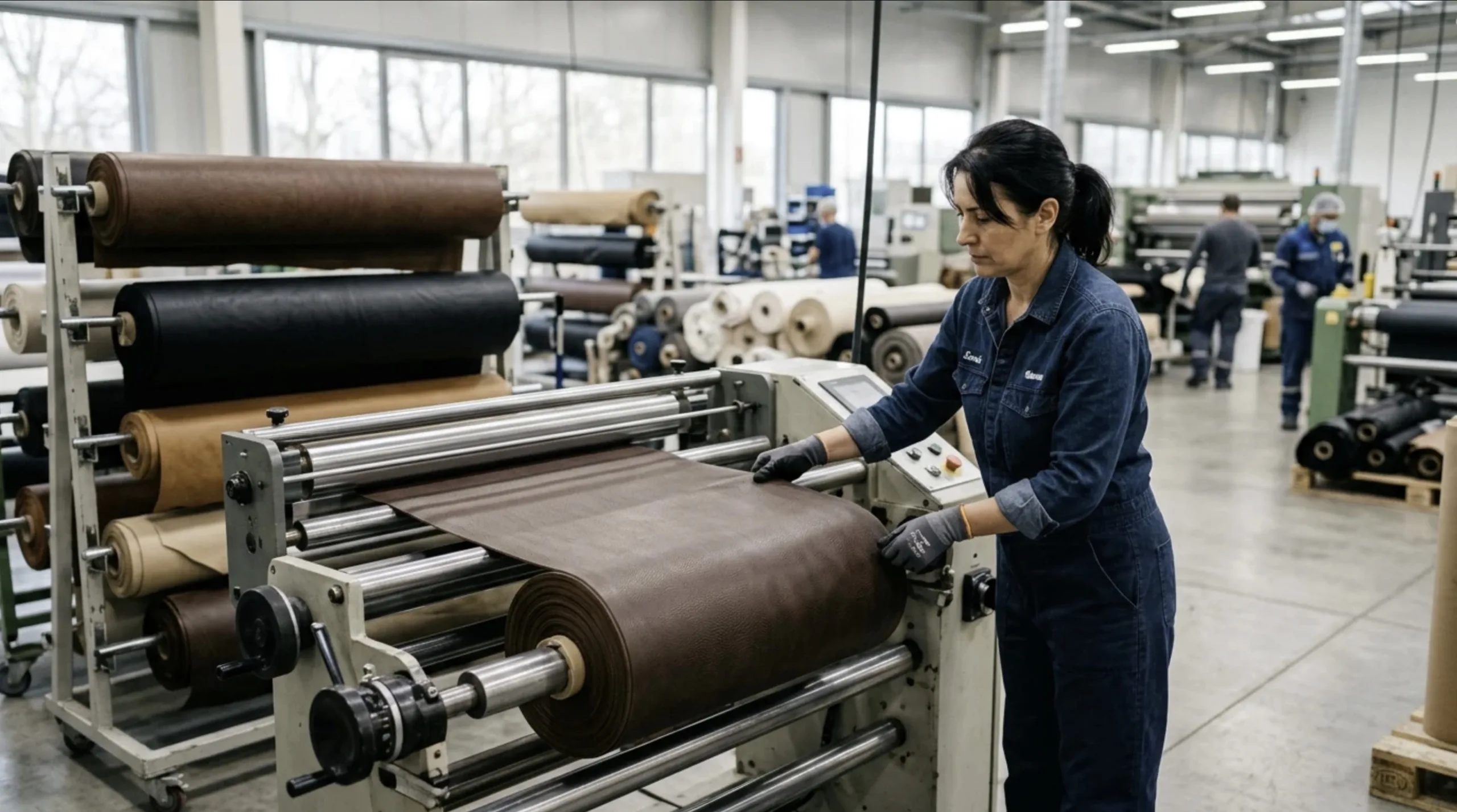
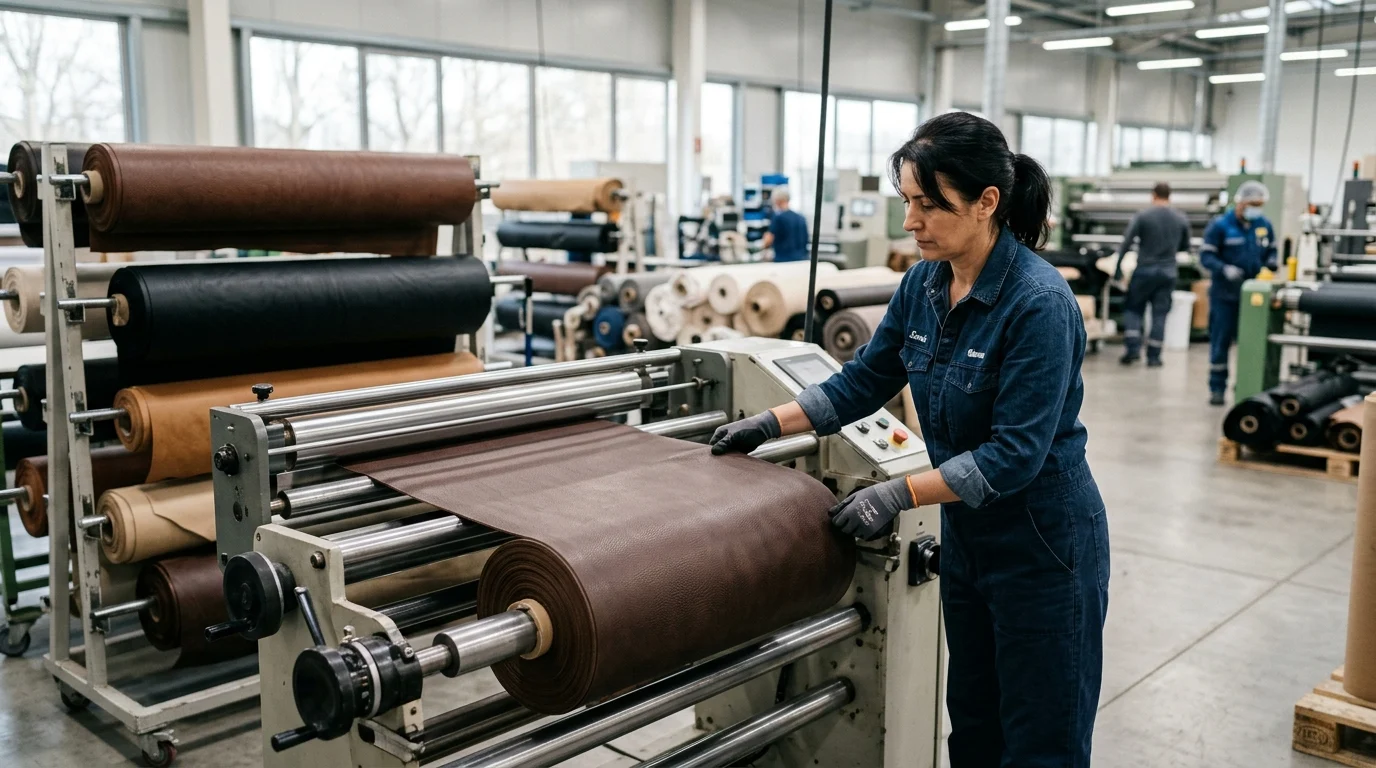
Choosing a microfiber leather manufacturer affects far more than material cost: it shapes product quality, delivery reliability, compliance, and long-term brand performance. For buyers in footwear, automotive, furniture, and accessories, the most capable suppliers stand out through consistent production standards, technical expertise, stable capacity, and the ability to meet demanding environmental and performance requirements. This introduction outlines the key qualities that separate a professional manufacturer from an average vendor, helping you evaluate partners more confidently, reduce supply risk, and select a source that supports both product durability and efficient scaling.
Why the Right Microfiber Leather Manufacturer Matters
Selecting a microfiber leather manufacturer is a critical supply chain decision that directly influences an end product’s market viability. As industries ranging from automotive interiors to premium footwear increasingly shift toward sustainable, high-performance synthetics, the technical capabilities of the chosen supplier become paramount.
A professional manufacturing partner does more than supply yardage; they provide material engineering, regulatory compliance, and supply chain stability. Evaluating these partners correctly ensures brands can maintain production schedules while delivering superior, long-lasting products to consumers.
Impact on product quality and consistency
Batch-to-batch consistency is the hallmark of a top-tier manufacturer. In industrial applications, minor deviations in material properties can disrupt automated cutting and stitching lines, leading to increased waste and elevated production costs.
Professional manufacturers maintain rigorous tolerances, typically ensuring thickness variations remain within +/- 0.05 millimeters and color matching stays under a Delta E of 1.0. This precision guarantees optimal yield rates and uniform product aesthetics across large production runs.
Supply risk and market pressure
Volatile raw material markets and global logistical bottlenecks expose brands to significant supply risks. A reliable manufacturer mitigates these pressures through optimized inventory management and streamlined production schedules.
While standard lead times for bulk orders generally range from 15 to 25 days, substandard suppliers frequently face delays that cause severe production downtime for buyers. Partnering with a financially stable manufacturer equipped with robust supply chain networks ensures continuity even during peak market demand periods.
What Defines a Professional Microfiber Leather Manufacturer
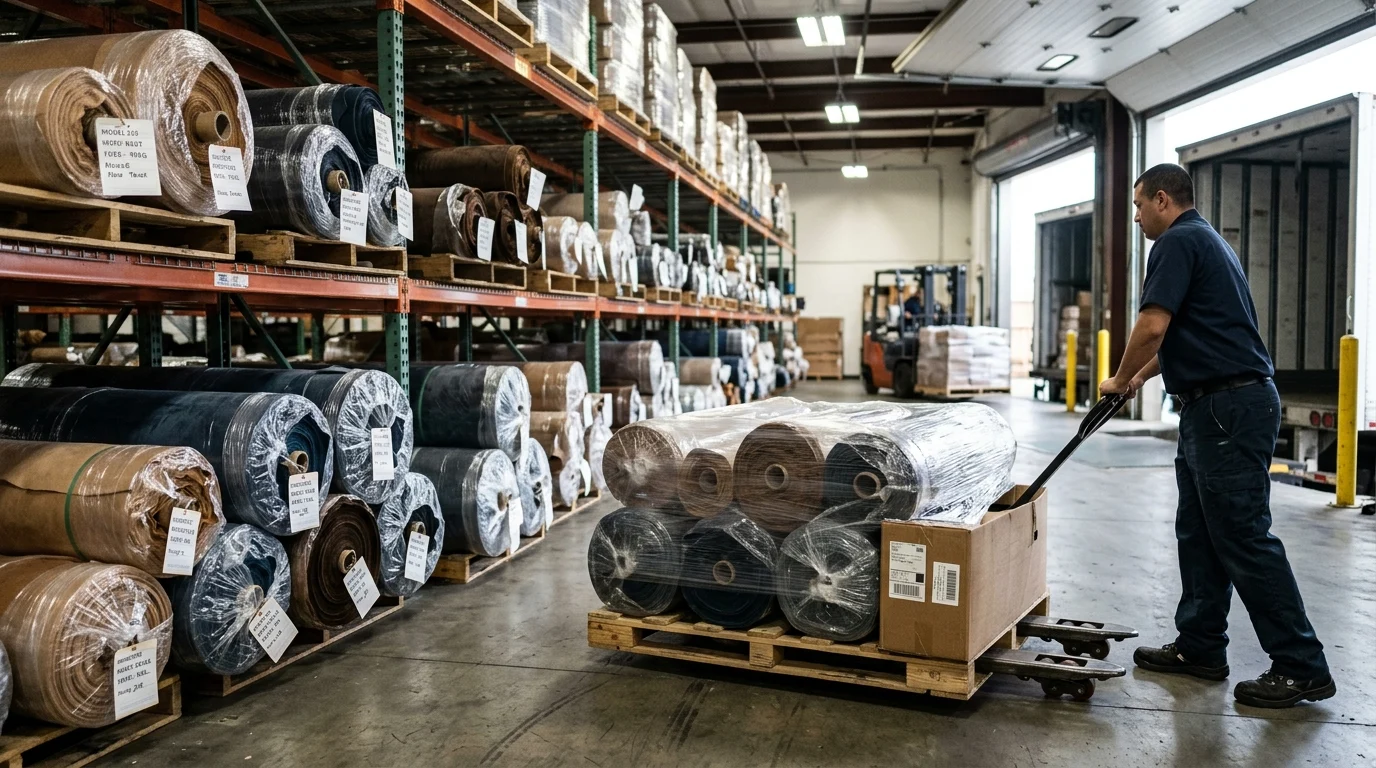
Identifying a professional manufacturer requires understanding the technological complexity behind true microfiber leather. Unlike basic synthetic fabrics, high-grade microfiber polyurethane (PU) leather requires sophisticated extrusion, coagulation, and impregnation processes to replicate the microscopic structure of natural leather.
Material and technical standards
Top manufacturers operate under stringent material and technical standards, utilizing advanced sea-island spinning technology. This process creates ultrafine fibers that are subsequently bound with high-performance polyurethane resins.
A professional facility guarantees specific performance metrics, such as 5- to 10-year hydrolysis resistance for automotive and marine applications. This ensures the material will not degrade, crack, or peel under prolonged exposure to humidity, heat, and friction.
Practical definition of microfiber leather
In practical terms, true microfiber leather is defined by its three-dimensional non-woven network. The base substrate consists of densely packed polyamide (nylon) or polyester microfibers thoroughly impregnated with PU.
This structural similarity to natural collagen fibers gives the material its superior tear strength, breathability, and pliability. These qualities distinguish a professional manufacturer’s output from lower-grade coated fabrics that merely mimic leather’s surface texture without offering the underlying mechanical strength.
Microfiber leather vs other synthetic materials
To fully appreciate a manufacturer’s capability, buyers must understand how their microfiber compares to legacy synthetics. A professional supplier clearly articulates these differences and guides buyers toward the appropriate material for their specific application.
| Material Type | Base Structure | Breathability | Average Lifespan | Typical Application |
|---|---|---|---|---|
| PVC Leather | Woven fabric + PVC coating | Poor | 1 – 3 Years | Low-cost upholstery |
| Standard PU | Woven/Knit fabric + PU coating | Moderate | 2 – 4 Years | Fast fashion, basic seating |
| Microfiber PU | 3D Non-woven microfiber + PU | Excellent | 5 – 10+ Years | Automotive, premium footwear |
How to Evaluate Quality and Manufacturing Capability
Evaluating a manufacturer goes beyond reviewing marketing samples. It necessitates a deep dive into their technical specifications, regulatory adherence, and internal quality management systems to ensure they can meet rigorous industrial demands.
Product specifications to verify
Buyers must verify specific product specifications tailored to their industry. For high-wear applications like commercial furniture or automotive seating, abrasion resistance is non-negotiable; top manufacturers routinely provide materials exceeding 100,000 Martindale rubs.
Furthermore, thickness ranges must be precisely controlled, typically spanning from 0.6mm for delicate apparel to 2.0mm for heavy-duty footwear and belts. Tear strength, peel strength, and colorfastness ratings should also be meticulously documented in the supplier’s technical data sheets.
Compliance, testing, and traceability
Global market access requires strict compliance with international chemical and environmental regulations. Professional manufacturers maintain comprehensive traceability and ensure their products meet standards such as REACH, RoHS, and OEKO-TEX Standard 100.
For specialized sectors, such as automotive interiors, verifying volatile organic compound (VOC) emissions is critical. Leading suppliers ensure their VOC emission levels remain well below the strict 30 ppm threshold to prevent interior off-gassing and maintain safe air quality standards.
Factory processes and quality control
The physical factory environment and its internal processes are highly indicative of overall capability. Leading manufacturers implement automated optical inspection systems to detect surface blemishes, pinholes, or coating inconsistencies in real-time.
Supported by ISO 9001 and ISO 14001 certifications, these facilities maintain rigorous quality control protocols. By executing multi-stage inspections, professional manufacturers typically keep end-of-line defect rates strictly below 2%, ensuring buyers receive maximum usable yardage per roll.
How to Compare Cost, Lead Time, and Service
While technical capabilities establish the baseline for qualification, commercial viability determines the long-term success of the partnership. Procurement teams must systematically evaluate pricing structures, lead times, and customer service responsiveness.
Main pricing drivers
Understanding the main pricing drivers enables buyers to negotiate effectively. The cost of microfiber leather is heavily influenced by the choice of base fiber, with polyamide (nylon) generally being more expensive and durable than polyester.
The grade of the polyurethane resin and specialized surface finishing techniques, such as custom embossing or tumbling, also impact the final cost. Depending on thickness and performance specifications, wholesale prices for professional-grade microfiber typically range from $4.00 to $12.00 per linear meter.
Sampling and supplier qualification
The sampling and qualification phase is a critical test of a supplier’s service level. Professional manufacturers readily provide A4 swatches for initial tactile assessment, followed by 5- to 10-meter trial rolls for prototype development and independent lab testing.
They also exhibit flexibility in minimum order quantities (MOQs) during the qualification phase. Standard bulk production MOQs usually range from 300 to 500 meters per color, allowing brands to scale up production without taking on excessive inventory risk.
Supplier comparison framework
Establishing a standardized supplier comparison framework allows procurement teams to make objective, data-driven decisions. Evaluating suppliers across multiple weighted criteria ensures cost savings do not come at the expense of material integrity or delivery reliability.
| Evaluation Criterion | Key Metrics to Assess | Ideal Benchmark |
|---|---|---|
| Cost Structure | Price per meter, tooling costs for custom embossing | Transparent breakdown, $4.00-$12.00/meter range |
| Lead Time | Sample turnaround, bulk production time | Samples: 3-5 days; Bulk: 15-20 days |
| Quality Assurance | Defect rate, testing certifications (SGS/Intertek) | < 2% defect rate, fully REACH compliant |
| Flexibility | MOQ requirements, custom color matching capabilities | 300-500m MOQ, Delta E < 1.0 for custom colors |
Final Criteria for Choosing the Best Manufacturer
Selecting the best microfiber leather manufacturer is ultimately about finding a partner whose operational scale, technical expertise, and commercial flexibility align with the buyer’s strategic objectives. A robust vetting process protects the supply chain from unforeseen disruptions.
Balancing performance, compliance, and commercial terms
The final decision requires balancing material performance and regulatory compliance against commercial terms. A manufacturer might offer the highest grade of hydrolysis-resistant microfiber, but if their payment terms are inflexible or their lead times are incompatible with the buyer’s production schedule, the partnership will strain.
Professional suppliers typically offer standard, workable commercial terms, such as a 30% T/T deposit with the balance due upon completion and inspection. This balance demonstrates financial stability and establishes a foundation of trust in the buyer-supplier relationship.
Warning signs and common red flags
Recognizing warning signs early in the vetting process can prevent costly supply chain failures. Common red flags include significant discrepancies between the quality of the initial A4 sample and the subsequent trial roll, suggesting poor process control.
Additionally, an inability or reluctance to provide recent third-party test reports from recognized laboratories like SGS or Intertek indicates a lack of transparency. Finally, suppliers demanding excessive MOQs—such as requiring over 2,000 meters for standard, non-custom colors during an initial trial phase—often lack the operational agility required to support dynamic, growing brands.
Key Takeaways
- The most important conclusions and rationale for microfiber leather manufacturer
- Specs, compliance, and risk checks worth validating before you commit
- Practical next steps and caveats readers can apply immediately
Frequently Asked Questions
What should I verify first when choosing a microfiber leather manufacturer?
Check batch consistency, technical data sheets, and whether the supplier can hold tight thickness and color tolerances for your production runs.
How can I tell if a supplier offers true microfiber leather rather than basic synthetic leather?
Ask about the 3D non-woven microfiber base, PU impregnation process, and performance data like tear strength, breathability, and hydrolysis resistance.
What performance metrics matter most for automotive or furniture applications?
Focus on abrasion resistance, hydrolysis resistance, thickness control, peel strength, and colorfastness suited to high-wear environments.
Why does supply chain stability matter when sourcing from hh-mf.com or similar manufacturers?
Stable production and predictable lead times help you avoid line stoppages, late deliveries, and inconsistent material availability during peak demand.
What documents should a professional microfiber leather manufacturer provide?
Request technical data sheets, test reports, compliance documents, and traceability records for material specs, safety, and export readiness.