
Introduction
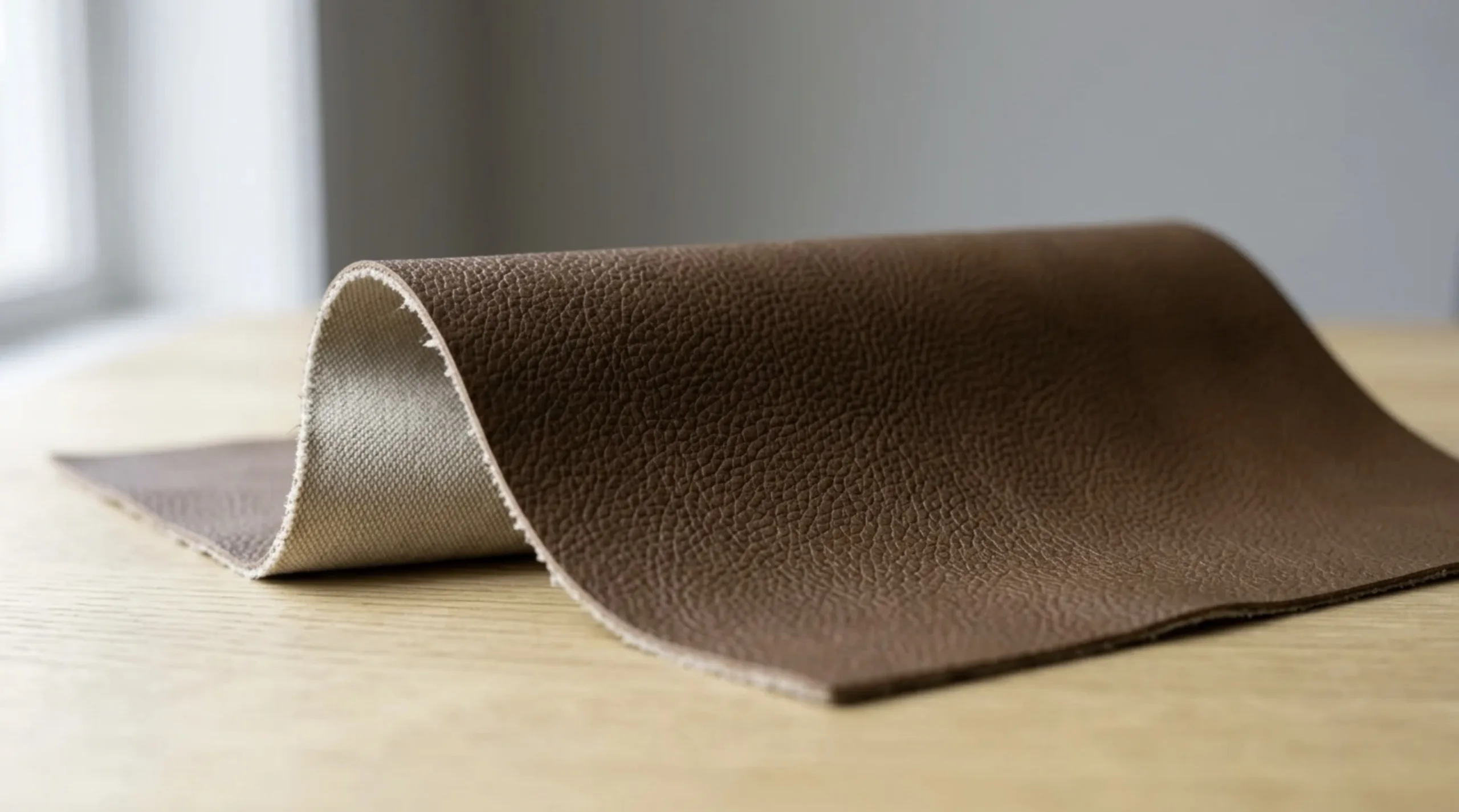
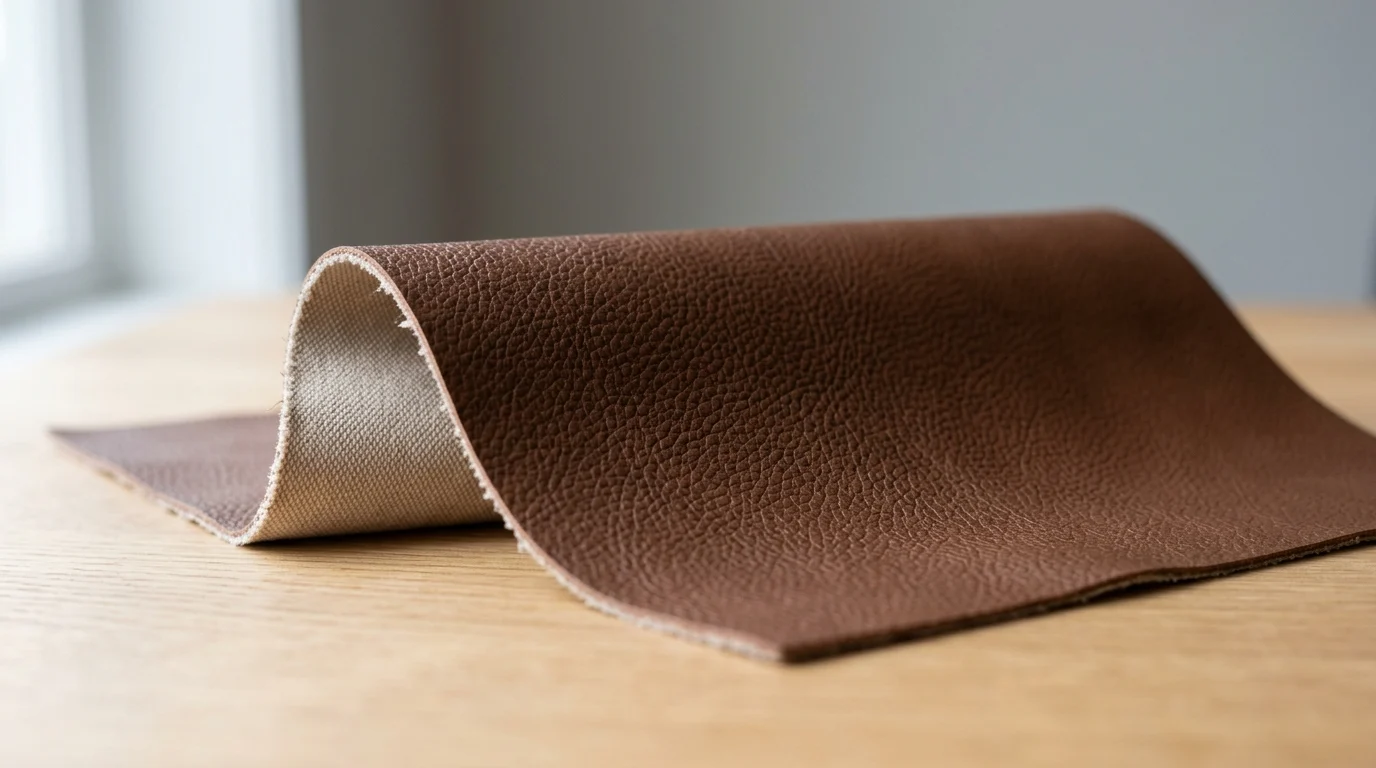
For furniture makers and buyers, upholstery synthetic leather offers a practical balance of durability, cost control, and design flexibility. Modern PU and PVC materials can mimic natural leather closely while delivering more consistent color, texture, and cutting efficiency across large production runs. This article explains why synthetic leather has become a leading upholstery material, where it performs best, and how different formulations affect comfort, maintenance, and lifespan. By the end, readers will have a clearer basis for comparing material grades and choosing the right option for residential, commercial, or high-traffic furniture applications.
Why Choose Upholstery Synthetic Leather for Furniture
Upholstery synthetic leather has transformed the furniture manufacturing sector, offering a highly engineered alternative to natural hides. By utilizing advanced polyurethane (PU) and polyvinyl chloride (PVC) formulations, manufacturers can achieve precise aesthetic and performance targets while standardizing production lines.
As the global furniture market increasingly demands sustainable, scalable, and resilient materials, synthetic alternatives have moved from being mere substitutes to becoming the primary choice for commercial and residential upholstery. Understanding the underlying chemistry and manufacturing techniques is essential for selecting the optimal material grade.
Cost, durability, and design advantages
The primary driver for adopting synthetic materials is the significant economic and operational advantages. Upholstery synthetic leather typically yields a 30% to 50% cost reduction per yard compared to top-grain leather. Furthermore, because it is produced in continuous rolls, manufacturers benefit from a 100% cutting yield. This eliminates the waste associated with the irregular shapes, scar tissue, and natural defects inherent to animal hides, dramatically streamlining automated cutting processes.
From a design perspective, modern calendering and release-paper transfer techniques allow for infinite colorways and embossing patterns. Manufacturers can accurately replicate everything from distressed vintage leather to exotic animal skins, or create entirely novel geometric textures that would be impossible to achieve with natural materials.
Best-fit furniture applications
Different formulations of upholstery synthetic leather cater to specific furniture sectors based on exposure and usage rates. In residential settings, soft-touch PU dominates living room sofas and recliners due to its micro-porous structure, which provides breathability and long-term seating comfort.
Conversely, the commercial and hospitality sectors rely heavily on heavy-duty PVC or polycarbonate-based PU for restaurant booths, hotel lobby seating, and bar stools, where abrasion resistance is paramount. For specialized environments, such as marine or outdoor patio furniture, synthetic leather is formulated with advanced UV stabilizers. These marine-grade textiles are engineered to withstand upward of 1,000 hours of direct ultraviolet exposure without degrading, fading, or losing their structural flexibility.
How to Evaluate Upholstery Synthetic Leather Performance
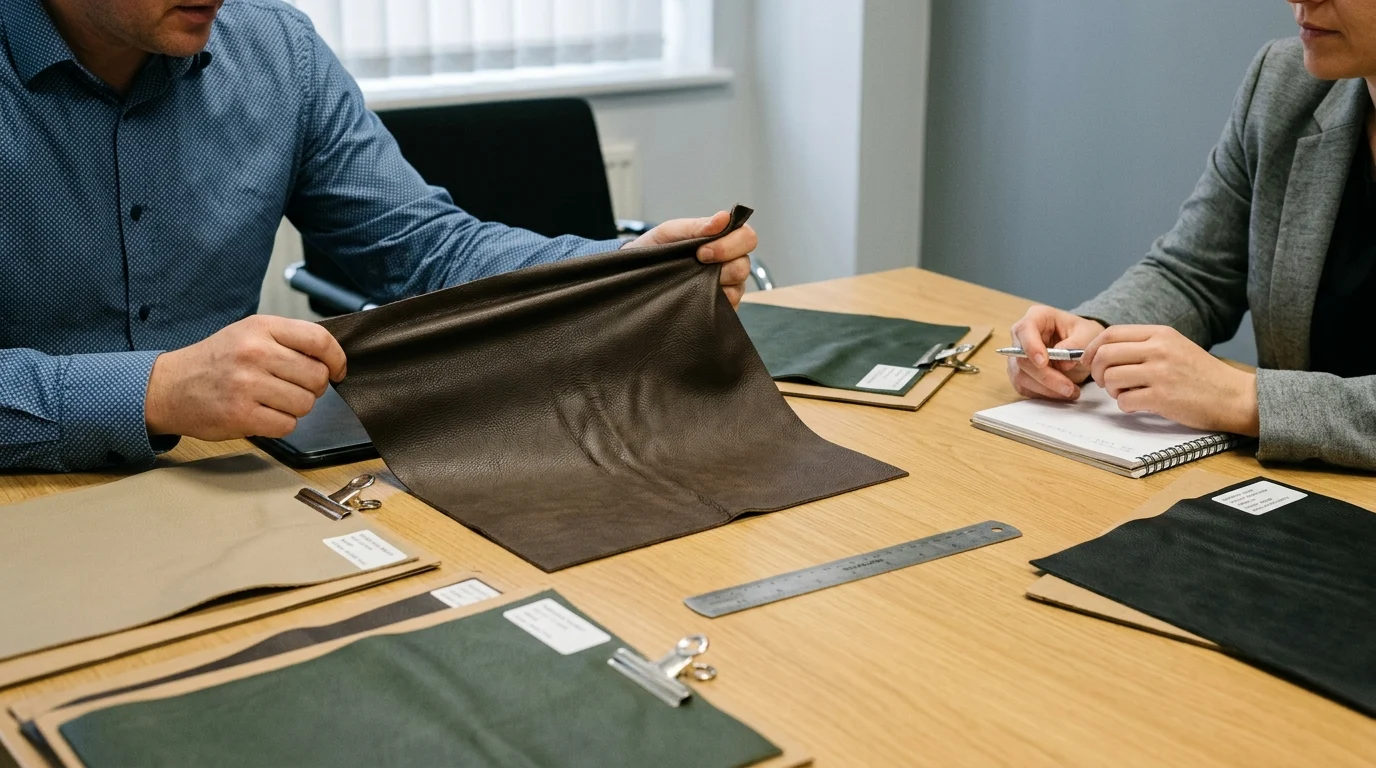
Assessing the performance of upholstery synthetic leather requires a deep understanding of its physical properties and chemical composition. Buyers must evaluate the material based on strict engineering tolerances and lifecycle expectations rather than relying on subjective surface feel alone.
Construction factors that affect performance
The structural integrity of synthetic leather depends on the synergy between its surface resin and the backing substrate. High-performance PU leathers often utilize polycarbonate or polyether resins, which resist moisture damage far better than standard polyester-based PU. The chemical makeup directly dictates the flexibility and thermal stability of the final upholstery.
The backing material—typically a woven, non-woven, or knitted polyester and cotton blend—dictates the fabric’s dimensional stability, stretch, and tear strength. A heavier backing, resulting in a total material thickness of 1.2 mm to 1.5 mm, provides superior puncture resistance and prevents the material from sagging over time in high-traffic seating applications.
Synthetic leather vs genuine leather
When comparing synthetic options to genuine animal hides, manufacturers must weigh physical properties against production efficiency and maintenance requirements.
| Attribute | Upholstery Synthetic Leather | Genuine Leather |
|---|---|---|
| Cutting Yield | 100% usable (Continuous rolls) | 70% – 80% usable (Irregular shapes) |
| Thickness Consistency | Extremely high (±0.05 mm variance) | Variable across the hide |
| Breathability | Moderate (PU) to Low (PVC) | High (Natural pores) |
| Maintenance | High chemical resistance, wipe-clean | Requires specialized conditioning |
Key performance comparison criteria
Key performance criteria center on abrasion and environmental resistance. Abrasion is typically measured using the Wyzenbeek method (ASTM D4157). While residential fabrics may only require 15,000 to 30,000 double rubs, commercial-grade upholstery synthetic leather should exceed 100,000 double rubs without noticeable surface wear or yarn breakage.
Another critical metric is hydrolysis resistance, particularly for PU leathers used in humid climates. Hydrolysis occurs when moisture breaks down the polymer chains, leading to a sticky or flaking surface. Premium polycarbonate PU is engineered to resist this degradation, maintaining its structural integrity for 5 to 7 years under standard indoor conditions.
How to Check Quality, Compliance, and Testing
Reliable performance in the field is guaranteed only through rigorous laboratory testing and strict adherence to international compliance standards. Furniture manufacturers must require comprehensive, third-party test reports from their material suppliers to mitigate liability and ensure product longevity.
Essential test methods and specifications
Laboratory testing protocols simulate years of wear and environmental exposure in a matter of weeks. The “Jungle Test” (ISO 1419) is the industry standard for evaluating hydrolysis resistance in PU leather. During this test, the material is subjected to an environmental chamber maintained at 70°C and 95% relative humidity. High-quality upholstery synthetic leather should survive 5 to 10 weeks in these extreme conditions without surface deterioration.
Mechanical strength is equally vital for furniture manufacturing. Seam slippage testing (ASTM D4034) and tensile strength evaluations (ASTM D5034) ensure the synthetic leather will not tear at the stitch lines under the dynamic stress of human weight. A minimum tensile strength of 50 lbs in both the warp and weft directions is typically required for commercial seating.
Regulatory and buyer requirements
Regulatory compliance dictates market access, particularly regarding fire safety and chemical restrictions. In North America, residential upholstery must pass the California Technical Bulletin 117-2013 (CAL TB 117-2013) smolder test. Commercial applications often require adherence to the more stringent NFPA 260 standard, while European markets frequently demand compliance with BS 5852 Crib 5.
Chemically, upholstery synthetic leather must navigate stringent environmental regulations. In the European Union, materials must meet REACH standards, which mandate that restricted substances, including specific phthalates and heavy metals (like lead and cadmium), remain below the 0.1% threshold by weight. Modern suppliers increasingly utilize phthalate-free plasticizers and water-based PU (DMF-free) to meet these global eco-compliance benchmarks.
How to Source Upholstery Synthetic Leather Reliably
Establishing a resilient supply chain for upholstery synthetic leather involves vetting manufacturing partners who can deliver consistent batches while meeting stringent commercial terms. Strategic sourcing minimizes production downtime and ensures uniformity across large furniture collections.
Supplier qualification steps
Qualifying a supplier requires moving beyond initial sample approvals to comprehensive factory audits. Procurement teams should verify ISO 9001 quality management certifications and meticulously assess the manufacturer’s production capacity.
A reliable tier-one supplier typically operates multiple continuous coating and calendering lines capable of producing in excess of 500,000 meters per month. This scale ensures the supplier can absorb peak seasonal demand surges without compressing their quality control protocols or delaying shipments.
MOQ, backing, embossing, color matching, and lead times
Commercial terms dictate the flexibility and responsiveness of the supply chain. Minimum Order Quantities (MOQs) for custom upholstery synthetic leather typically range from 500 to 1,000 meters per color and specification. Standard lead times for a production run generally fall between 15 and 25 days, though custom embossing rollers or specialized backing modifications can extend this schedule.
Color consistency is critical across different production batches. Buyers must mandate a strict color-matching tolerance using spectrophotometers, typically requiring a Delta E (ΔE) < 1.0. This tight tolerance ensures seamless visual integration when different material rolls are utilized on the same furniture assembly line over several months.
How to Choose the Right Upholstery Synthetic Leather
The final procurement decision requires aligning the technical specifications of the upholstery synthetic leather with the specific demands of the intended furniture application and the target demographic. A mismatch can lead to premature material failure or unnecessary expenditure on over-engineered textiles.
Matching specifications to end use
Different environments impose highly unique stresses on seating materials. Healthcare environments necessitate PVC or advanced silicone-based synthetic leathers that are inherently antimicrobial and capable of withstanding harsh cleaning protocols. These materials must survive frequent wipe-downs with a 1:10 bleach-to-water ratio without suffering discoloration or embrittlement.
In contrast, luxury hospitality settings prioritize the haptic feedback and ultra-soft hand feel of high-grade PU. These environments balance aesthetic appeal with a requirement of at least 50,000 to 100,000 Wyzenbeek double rubs to withstand constant guest turnover. For public transit or stadium seating, anti-vandalism properties and extreme puncture resistance take precedence over softness.
Final selection criteria
To streamline the selection process, procurement teams can utilize a specification matrix to match material types to end-use requirements effectively.
| Furniture Application | Recommended Material Type | Critical Performance Metric |
|---|---|---|
| Residential Sofas | Polyether PU | High breathability, Soft hand-feel |
| Healthcare Seating | Heavy-duty PVC / Silicone | Antimicrobial, Bleach-cleanable |
| High-Traffic Hospitality | Polycarbonate PU | >100,000 Wyzenbeek double rubs |
| Marine/Outdoor | UV-Stabilized PVC | >1,000 hours UV resistance |
| Contract/Office | Polyester/PU Blend | Strict fire retardancy compliance |
By meticulously evaluating these criteria against product cost, lifecycle expectations, and supplier reliability, manufacturers can engineer furniture that delivers long-lasting value. Selecting the correct upholstery synthetic leather ultimately safeguards the brand’s reputation while maximizing production efficiency.
Key Takeaways
- The most important conclusions and rationale for upholstery synthetic leather
- Specs, compliance, and risk checks worth validating before you commit
- Practical next steps and caveats readers can apply immediately
Frequently Asked Questions
What is upholstery synthetic leather best used for?
It works well for sofas, recliners, dining chairs, restaurant booths, hotel seating, and bar stools. Choose soft-touch PU for homes and heavy-duty PVC or polycarbonate PU for high-traffic commercial furniture.
How does synthetic leather compare with genuine leather for furniture?
Synthetic leather offers consistent thickness, roll-to-roll cutting efficiency, and easier cleaning. Genuine leather feels more natural, but synthetic options are usually more cost-effective and simpler for large-scale furniture production.
What performance specs should I check before buying upholstery synthetic leather?
Check abrasion resistance, thickness, backing strength, hydrolysis resistance, and UV stability. For commercial seating, look for over 100,000 Wyzenbeek double rubs and about 1.2–1.5 mm total thickness.
Which type is better for humid or demanding environments?
Polycarbonate or polyether PU is a strong choice because it resists moisture-related hydrolysis better than standard polyester PU. For outdoor or marine furniture, specify UV-stabilized grades tested for long sun exposure.
How can buyers source reliable upholstery synthetic leather from hh-mf.com?
Ask hh-mf.com for material data on resin type, backing construction, thickness tolerance, abrasion results, and compliance testing. Request samples matched to your furniture application before placing bulk orders.