
Introduction
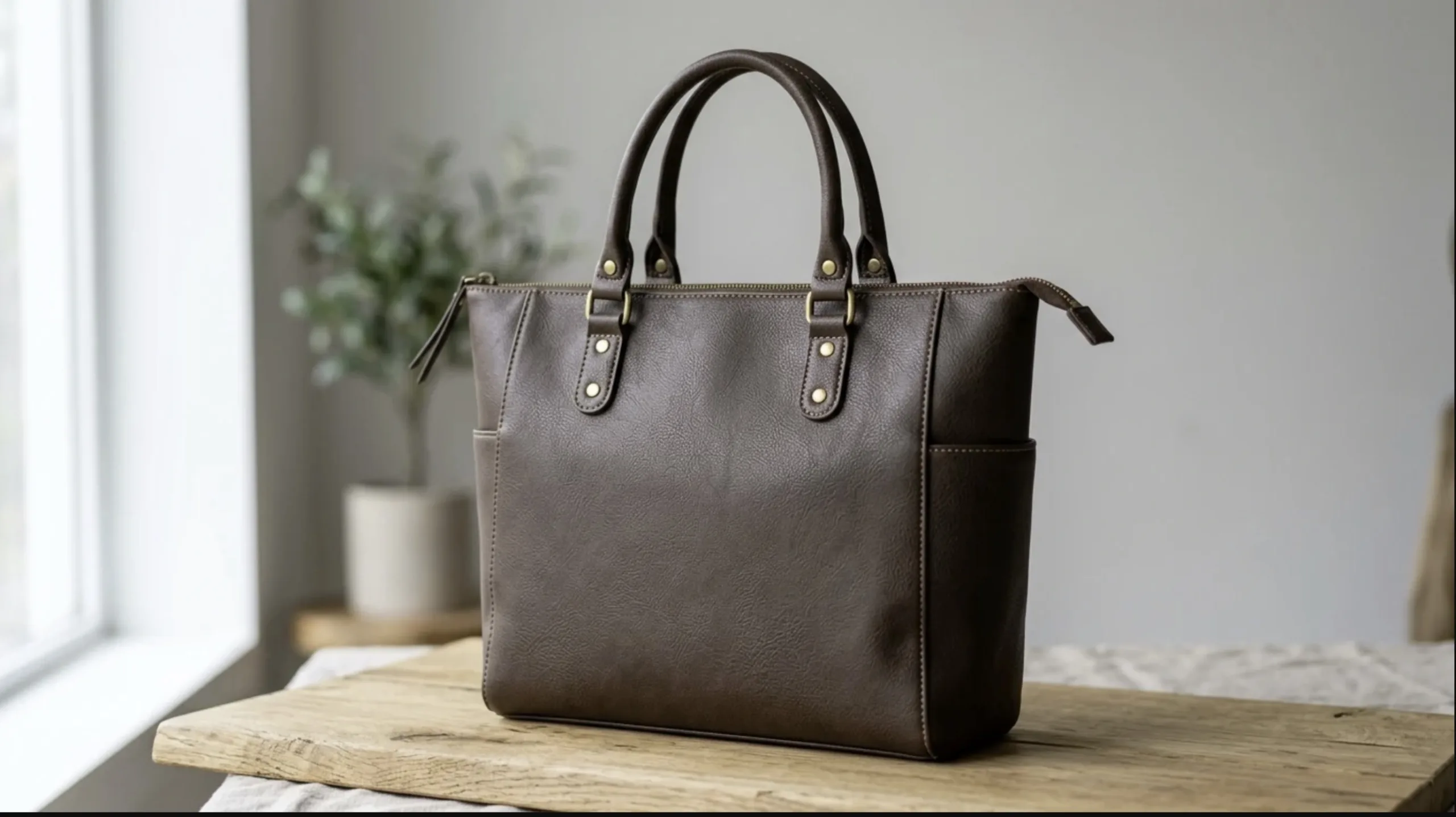
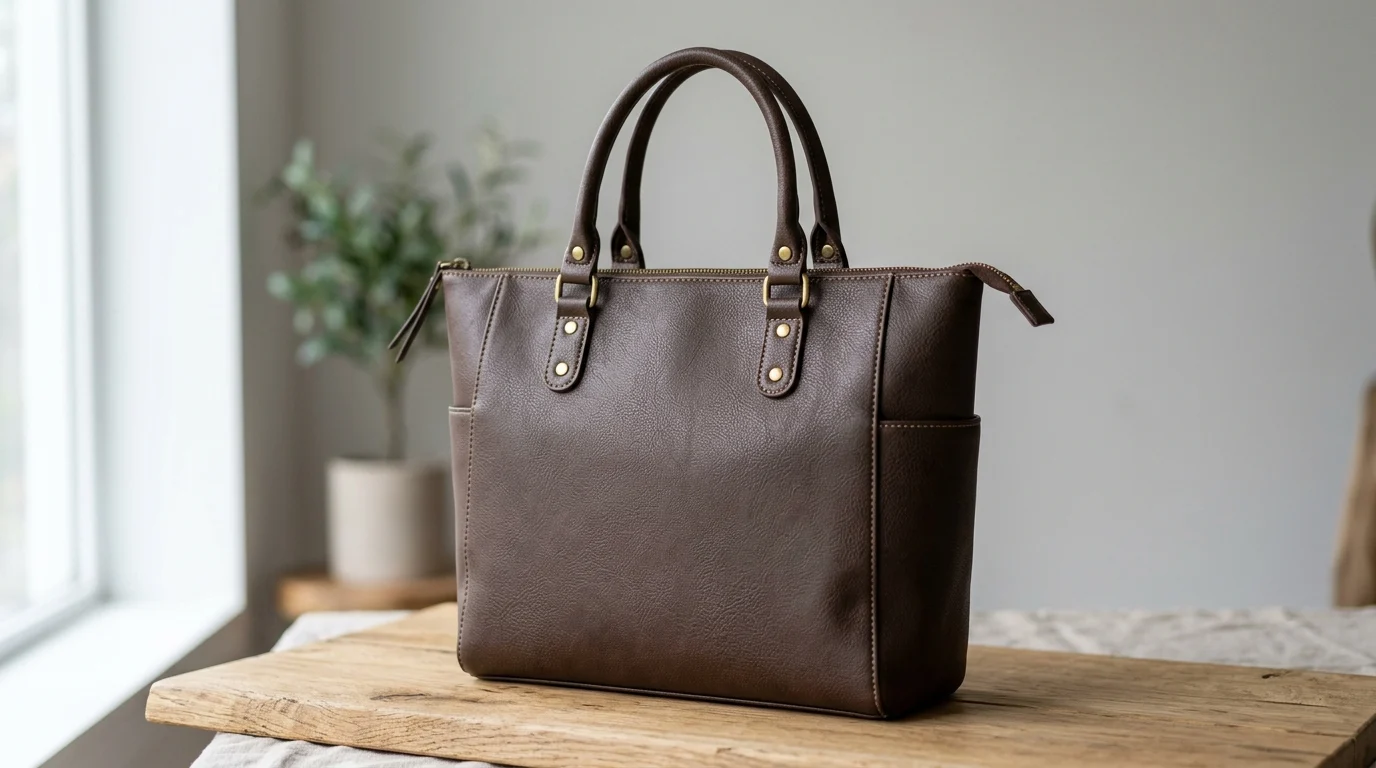
Choosing synthetic leather for bags and backpacks affects far more than appearance. Material type influences abrasion resistance, flexibility, weight, stitch performance, water tolerance, and how consistently each production batch meets design standards. This article explains the main synthetic leather options used in bag manufacturing, including how they differ in durability, hand feel, surface finish, and cost. You’ll also see which materials suit premium fashion bags versus everyday backpacks, and what technical factors matter most when comparing suppliers. With that context, it becomes easier to match the right synthetic leather to product goals, manufacturing needs, and expected customer use.
Why choosing synthetic leather for bags matters
The global transition toward synthetic materials in the accessories sector is driven by a combination of evolving consumer ethics, supply chain optimization, and significant advancements in polymer technology. For bag and backpack manufacturers, selecting the appropriate synthetic leather is no longer merely a cost-reduction strategy but a foundational design decision that dictates product lifespan, brand perception, and manufacturing efficiency.
Modern synthetic leathers offer highly engineered alternatives to animal hides, providing manufacturers with predictable physical properties and streamlined processing capabilities. Understanding the distinct advantages of these materials is critical for production managers and sourcing directors aiming to balance premium aesthetics with rigorous performance demands.
How durability, hand feel, and visual consistency affect results
The physical characteristics of synthetic leather directly determine a bag’s structural integrity and consumer appeal. High-quality synthetic substrates are engineered to withstand substantial abrasion, with premium variants routinely exceeding 50,000 rubs on the Martindale scale to ensure longevity for high-friction areas like backpack bases and shoulder straps.
Hand feel, or haptics, is equally critical. Advanced polyurethane (PU) and microfiber leathers can replicate the soft, supple drape of nappa leather or the rigid structure of saffiano, depending on the base fabric and surface coating. Furthermore, synthetic leather guarantees exceptional visual consistency. Unlike genuine leather, which suffers from natural blemishes and varying grain patterns, synthetic rolls offer uniform textures and strict color matching, typically maintaining a Delta E (ΔE) variance of less than 1.0 across production batches. This consistency eliminates the need to cut around flaws, ensuring uniform aesthetics across an entire product line.
Which commercial factors influence material selection
Material selection is heavily influenced by manufacturing economics and operational scalability. The most immediate commercial advantage of synthetic leather is its cutting yield. Because it is manufactured in continuous rolls with uniform edge-to-edge quality, manufacturers typically achieve a 98% to 100% usable yield, compared to the 70% to 80% standard for natural hides, which significantly reduces raw material waste.
Additionally, synthetic materials offer superior cost predictability. Natural leather prices fluctuate based on agricultural cycles, climate impacts, and global hide availability. Synthetic leather relies on petrochemical and bio-based supply chains, which, while subject to their own market dynamics, generally provide more stable, predictable pricing models. This stability allows brands to accurately forecast margins for upcoming seasons and scale production without unexpected cost spikes.
Which types of synthetic leather perform best for bags
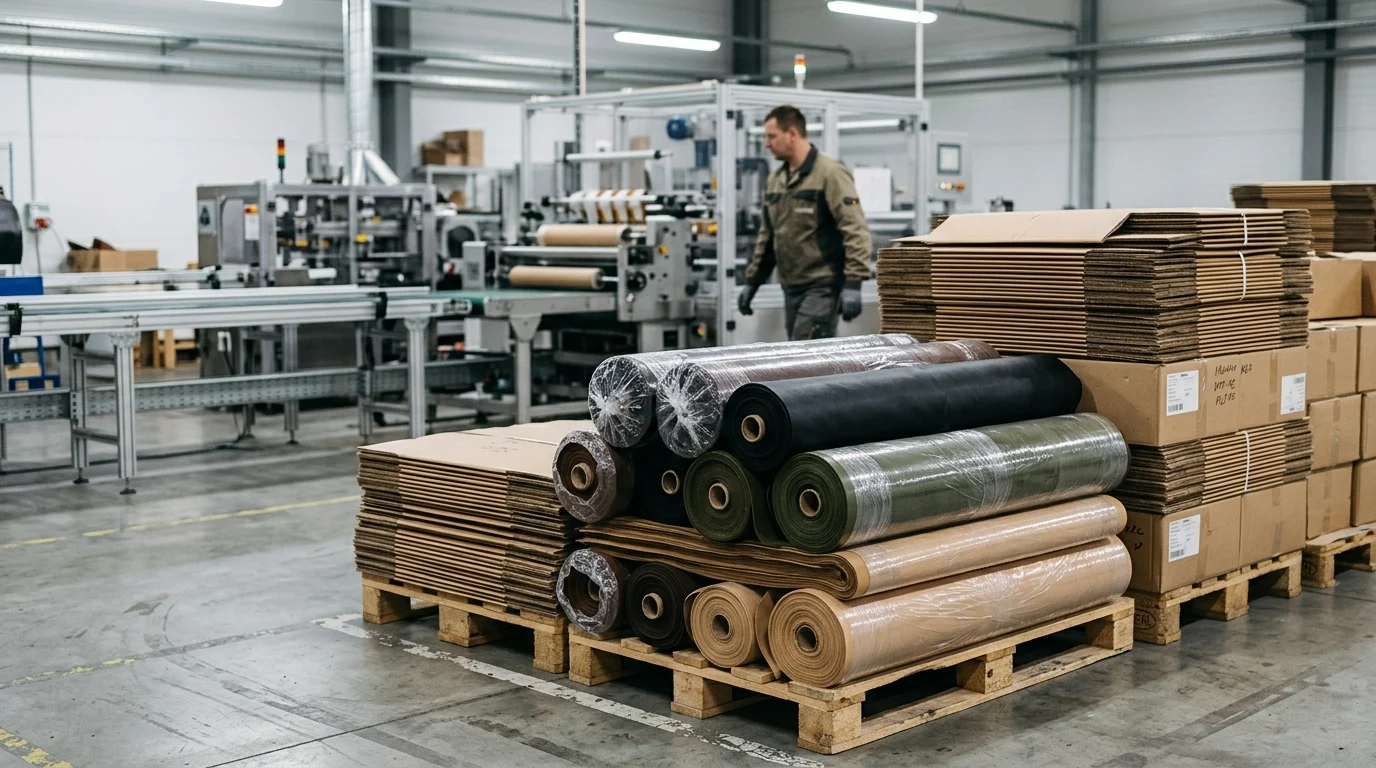
The term “synthetic leather” encompasses a broad spectrum of composite materials, each defined by its base fabric and polymer coating. The performance, environmental footprint, and cost of a bag depend entirely on selecting the correct polymer family for the intended application.
How PU, PVC, microfiber, silicone, and bio-based options compare
The market offers several distinct categories of synthetic leather, each with specific advantages and limitations for bag manufacturing.
| Material Type | Typical Cost ($/yd) | Durability / Lifespan | Key Characteristics |
|---|---|---|---|
| PVC (Polyvinyl Chloride) | $1.50 – $3.50 | Moderate (3-5 years) | Highly water-resistant, heavier, prone to cracking in cold weather. |
| PU (Polyurethane) | $3.00 – $7.00 | High (5-7 years) | Soft hand feel, breathable, flexible, versatile surface finishes. |
| Microfiber Leather | $8.00 – $18.00 | Very High (7-10+ years) | Closest to genuine leather, superior tear strength, premium drape. |
| Silicone Leather | $12.00 – $25.00 | Extremely High (10+ years) | Inherently stain-resistant, zero plasticizers, excellent UV resistance. |
| Bio-based / Vegan | $10.00 – $30.00 | Moderate to High | Derived from apple, cactus, or mycelium; strong marketing appeal. |
While PVC remains common in budget categories due to its low cost, PU and microfiber dominate the mid-to-premium bag sectors. Microfiber, featuring a 3D-structured non-woven base, provides the highest tensile strength, making it ideal for load-bearing backpacks. Silicone leather is rapidly gaining traction in high-end outdoor and medical bags due to its exceptional resistance to hydrolysis and harsh cleaning chemicals.
Which performance specifications buyers should evaluate
When sourcing synthetic leather, buyers must evaluate specific technical specifications rather than relying on tactile assessment alone. Thickness is a primary metric; structured totes generally require materials between 1.2mm and 1.5mm, while soft, slouchy hobos perform better with 0.8mm to 1.0mm thickness.
Mechanical properties are non-negotiable for durability. Buyers should demand a minimum peeling strength of 3.0 kg/3cm to ensure the surface coating does not delaminate from the backing under stress. Tear strength should exceed 30N for standard daypacks, while heavy-duty travel duffles require tear strengths upwards of 50N. Finally, colorfastness to light and rubbing (both wet and dry) should meet a minimum of Grade 4 on the grayscale to prevent dye transfer onto the user’s clothing.
How to evaluate quality, compliance, and suppliers
Securing high-quality synthetic leather requires a rigorous approach to supplier vetting, quality assurance testing, and regulatory compliance. The difference between a premium supplier and a subpar one is often revealed in their testing capabilities and adherence to international chemical standards.
Which defects, tests, and construction details indicate quality
Quality evaluation begins with inspecting the physical construction of the material. Substandard synthetic leather often exhibits pinhole defects in the coating, uneven grain embossing, or a loose weave in the backing fabric, which compromises stitch-holding strength. A high-density woven or non-woven backing is essential to prevent seams from tearing under load.
Accelerated aging tests are critical indicators of long-term quality. The “Jungle Test” is the industry standard for evaluating hydrolysis resistance in PU leathers. Premium bag materials should withstand 4 to 5 weeks in a testing chamber calibrated to 70°C and 95% relative humidity without showing signs of surface peeling, stickiness, or cracking. Materials failing this test will quickly degrade in tropical climates or during humid summer months.
Which compliance and sustainability documents buyers need
Regulatory compliance mitigates legal risks and aligns with global sustainability demands. Suppliers must provide documentation proving compliance with the European Union’s REACH regulation, ensuring that Substances of Very High Concern (SVHCs)—such as specific phthalates, lead, and cadmium—remain below the strict 0.1% weight-by-weight (w/w) threshold.
For brands prioritizing environmental marketing, third-party certifications are essential. The OEKO-TEX Standard 100 guarantees the material is free from harmful substances. If sourcing recycled synthetic leather (e.g., rPET backings or recycled PVB coatings), buyers should require a Global Recycled Standard (GRS) transaction certificate. While GRS certification requires a minimum of 20% recycled content, many premium bag brands mandate at least 50% recycled content to qualify for consumer-facing eco-labels.
What cost, MOQ, and logistics trade-offs affect sourcing
Procurement strategies for synthetic leather require balancing material specifications with commercial realities. Unit costs, Minimum Order Quantities (MOQs), and production lead times are deeply interconnected, and optimizing these variables is essential for maintaining profitable bag manufacturing operations.
How backing, thickness, finish, and order size affect cost
The cost of synthetic leather is dictated by four primary variables: the base backing, polymer thickness, surface finish, and order volume. Upgrading from a standard knitted polyester backing to a high-density microfiber backing can increase the per-yard cost by 150% to 200%. Similarly, increasing material thickness from 0.8mm to 1.4mm requires more raw polymer and longer curing times, directly driving up the price.
Order size significantly impacts unit economics. Most synthetic leather mills enforce a custom production MOQ of 300 to 500 meters per color and per texture. Orders falling below this threshold often incur steep surcharges—sometimes up to 30% per meter—because the factory must halt large-scale production lines to clean calibration rollers and switch chemical vats for a small run. For smaller brands, sourcing from a supplier’s “stock-supported” catalog can lower MOQs to just 10 to 50 meters, albeit with limited color and texture options.
Which sourcing steps reduce sampling and production risk
Effective sourcing protocols reduce the risk of costly production delays. The process should always begin with lab dips (color swatches), which typically take 3 to 5 days to produce, ensuring the factory’s chemical mix matches the brand’s Pantone targets under standard D65 daylight.
Once the color is approved, buyers should request a 5- to 10-yard sample roll to execute a pilot run of the bag. This allows the factory to test how the material behaves during cutting, skiving, and sewing. Only after the pilot bag passes internal load and drop tests should bulk production commence. Bulk manufacturing of synthetic leather generally requires a lead time of 15 to 25 days, plus an additional 3 to 5 days for final inspection and curing before the rolls are packed for shipment.
How to choose the best synthetic leather by bag type
Matching the correct synthetic leather to a specific bag category is the final, most crucial step in the sourcing process. Different bag types impose entirely different mechanical stresses and aesthetic expectations on their materials.
How a decision matrix helps match material to application
A structured decision matrix helps sourcing teams align material specifications with the end-product’s use case.
| Bag Category | Recommended Material | Ideal Thickness | Key Performance Requirement |
|---|---|---|---|
| Everyday Backpack | High-density PU | 1.0mm – 1.2mm | High abrasion resistance (>50k rubs), water repellency. |
| Structured Tote | Microfiber Leather | 1.2mm – 1.5mm | Rigidity, excellent edge-paint adhesion, high peeling strength. |
| Evening Clutch | Metallic/Patent PU | 0.6mm – 0.8mm | Flexibility, high gloss retention, crease resistance. |
| Travel Duffle | PVC or Heavy Microfiber | 1.4mm – 1.6mm | Extremely high tear strength (>50N), load capacity (20+ kg). |
Applying a lightweight 0.8mm PU to a travel duffle will inevitably result in torn straps at the anchor points, while using a rigid 1.5mm microfiber for a soft clutch will create bulky, unmanageable seams. The matrix ensures that physical properties dictate the selection process.
Which final criteria balance performance, cost, and branding
Final material selection requires synthesizing performance data, target cost margins, and brand identity. A luxury vegan brand may justify the $15.00 per yard cost of a premium, bio-based apple leather because the material’s narrative directly supports a higher retail price point. Conversely, a manufacturer producing promotional backpacks at high volumes must prioritize consistency and cost, likely opting for a reliable $4.00 per yard REACH-compliant PU.
Ultimately, successful sourcing goes beyond aesthetic replication. By demanding rigorous technical specifications, ensuring chemical compliance, and matching the polymer architecture to the bag’s structural needs, manufacturers can leverage synthetic leather not just as an alternative but as a superior, purpose-built material for modern accessories.
Key Takeaways
- The most important conclusions and rationale for synthetic leather for bags
- Specs, compliance, and risk checks worth validating before you commit
- Practical next steps and caveats readers can apply immediately
Frequently Asked Questions
Which synthetic leather is best for backpacks?
Microfiber leather is usually best for backpacks because it offers high tear strength, strong abrasion resistance, and long service life for straps, bases, and load-bearing panels.
Is PU or PVC better for bags?
PU is generally better for most bags. It feels softer, looks more premium, and stays flexible longer. PVC suits low-cost, water-resistant styles but is heavier and may crack in cold conditions.
What specs should bag manufacturers check before buying synthetic leather?
Check abrasion resistance, tear strength, hydrolysis resistance, color consistency, thickness, backing fabric, and cold-crack performance. Ask suppliers for test data matched to your bag category.
Why do many factories prefer synthetic leather over genuine leather?
Synthetic leather gives more consistent color and grain, higher cutting yield from roll goods, and more predictable pricing. That helps factories reduce waste and scale production efficiently.
Can hh-mf.com help source synthetic leather for bag production?
Yes. hh-mf.com can support material selection and sourcing decisions by comparing performance, consistency, and supply-chain suitability for different bag and backpack applications.