

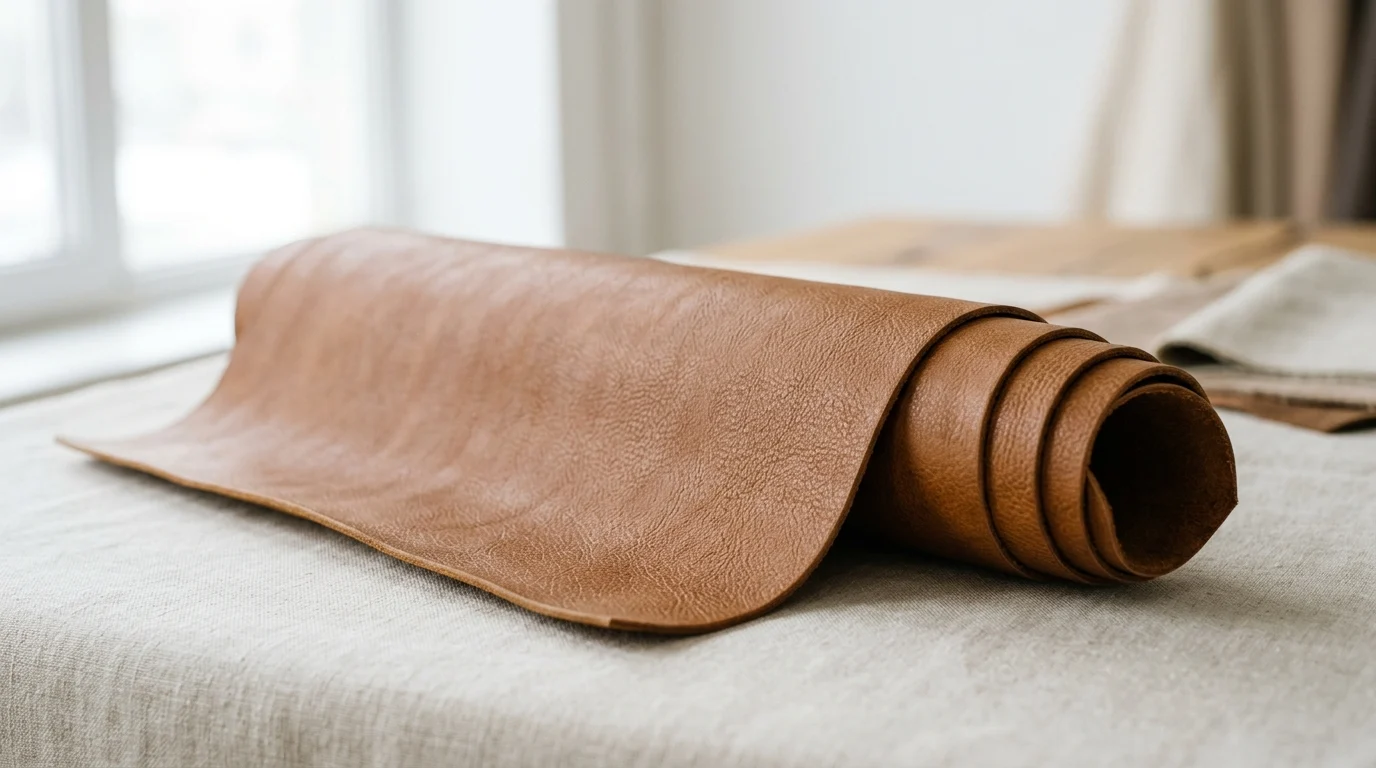
Sustainable microfiber leather is moving from a niche specification to a board-level sourcing decision as footwear, automotive, and upholstery brands face tighter emissions targets, chemical restrictions, and customer scrutiny. The challenge is that not every “eco” synthetic leather delivers the same value: recycled PET content, bio-based PU, and water-borne production each affect cost, compliance, performance, and long-term risk differently. In 2026, buyers must look beyond marketing claims and compare measurable factors such as recycled-content percentage, abrasion cycles, hydrolysis resistance, thickness, and supplier traceability. This guide explains how to evaluate sustainable microfiber leather with a practical sourcing lens, balancing environmental progress with durability, price discipline, and scalable supply.
Why Sustainable Microfiber Leather Is a Strategic Sourcing Priority
Transitioning to sustainable microfiber leather is a critical material science evolution for the footwear, automotive, and upholstery sectors. As corporate sustainability targets accelerate toward 2030, the industry is shifting away from conventional solvent-based polyurethanes (PU) and virgin polyester substrates. Embracing these alternatives allows brands to reduce Scope 3 emissions while maintaining the premium performance and aesthetic appeal of high-end synthetic leathers.
How Buyers Should Define Sustainable Microfiber Leather
Defining sustainable microfiber leather requires distinguishing legacy synthetics from next-generation materials. Traditional microfiber consists of a non-woven matrix of ultra-fine sea-island fibers—typically under 0.05 denier—impregnated with a PU resin. To qualify as “sustainable” in the 2026 market, the material must integrate at least one of three advancements: a substrate containing 50% to 100% post-consumer recycled polyethylene terephthalate (rPET), a bio-based PU resin derived from renewable feedstocks like corn or castor oil, or an entirely solvent-free (water-borne) manufacturing process.
End-of-Life Limitations and Microfiber Shedding: However, the “sustainable” framing has strict limits. Current microfiber leathers remain exceptionally difficult to recycle mechanically or chemically due to the tightly bonded matrix of PU and PET. Furthermore, microfiber shedding during consumer use and disposal is an urgent environmental concern. Until future iterations address these end-of-life and shedding challenges, true circularity remains out of reach.
Market Trends Reshaping Demand, Pricing, and Supply
Current market dynamics rapidly reshape the availability and pricing of these eco-friendly substrates. Historically, sustainable microfiber leather carried a prohibitive cost premium of 30% to 40% over conventional alternatives. However, as major synthetic leather hubs in Asia scale up water-borne PU production and rPET spinning capacity, market estimates based on recent bulk order pricing indicate this premium has compressed to roughly 15% to 20%. Supply chain consolidation also plays a role; tier-1 manufacturers increasingly vertically integrate their recycling and resin synthesis operations to stabilize lead times and defend against raw material volatility.
Key Technical Specifications Buyers Should Compare
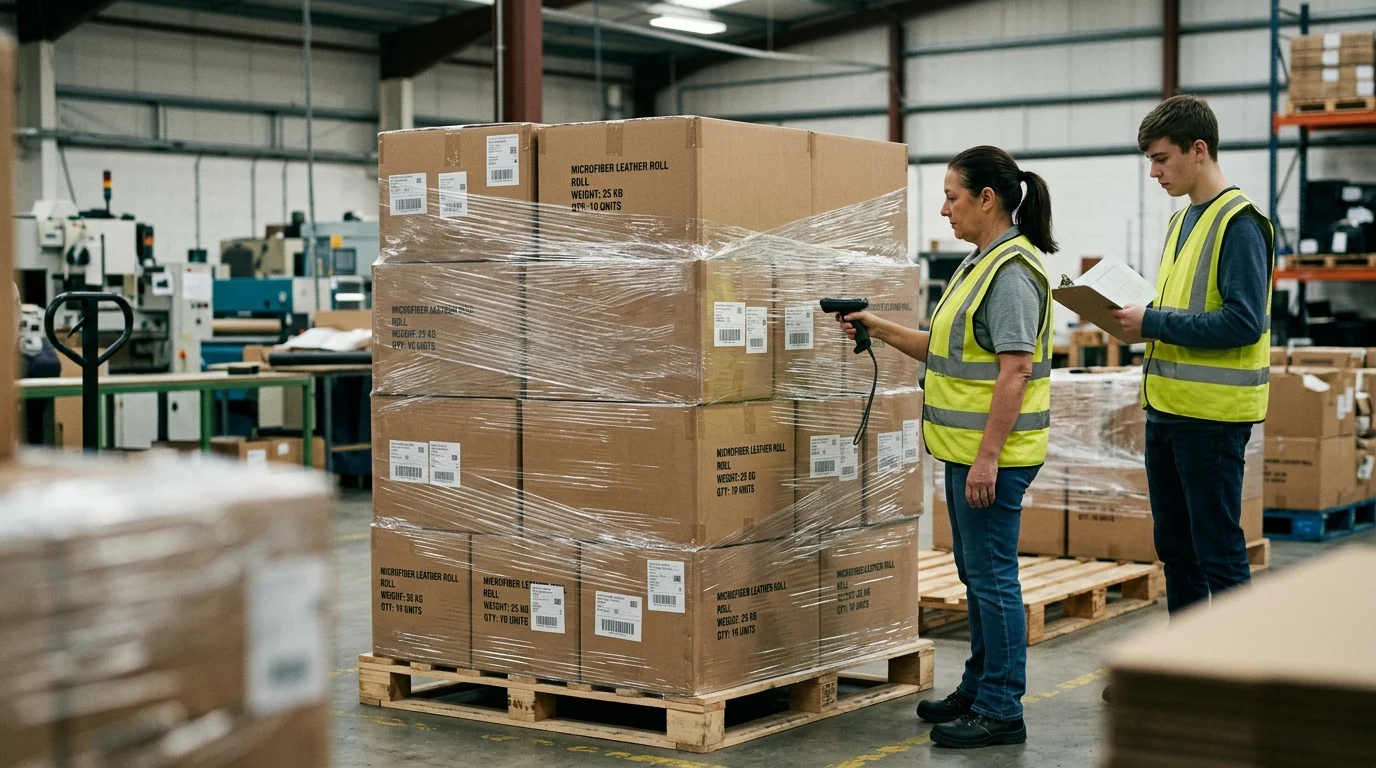
Evaluating sustainable microfiber leather requires analyzing both the textile substrate and the polymeric coating. Buyers must scrutinize these technical specifications to ensure ecological benefits do not compromise mechanical integrity or longevity in demanding end-use scenarios.
Fiber Structure, Resin Chemistry, Backing, and Thickness
The foundational architecture of microfiber leather dictates its structural performance. Standard thickness profiles vary by application: 0.6mm to 0.8mm for apparel and accessories, 1.0mm to 1.2mm for footwear, and 1.2mm to 1.4mm for automotive interiors. The sea-island fiber structure must maintain high entanglement density, even when utilizing rPET, to prevent delamination under stress. Furthermore, transitioning from solvent-based N,N-Dimethylformamide (DMF) processes to water-borne resin chemistry alters the microporous structure of the backing. This structure requires careful optimization to match the breathability and flex resistance of conventional materials.
Durability, Hand Feel, Abrasion, and Hydrolysis Performance
Performance metrics ultimately determine material viability. Resin cross-linking density largely dictates durability. High-performance sustainable variants must achieve a Taber abrasion resistance exceeding 3,000 cycles for consumer goods and upwards of 10,000 cycles for automotive applications. The desired hand feel—often described in terms of softness and drape—is achieved through mechanical tumbling and surface finishing, which requires careful calibration for solvent-free resins. Additionally, hydrolysis resistance remains paramount for bio-based and water-borne PU; premium grades should withstand the “Jungle Test” (exposure to 70°C and 95% relative humidity) for 5 to 10 weeks without cracking or surface degradation.
Bio-Based, Recycled, and Solvent-Free Material Options
Navigating the triad of sustainable options involves weighing distinct environmental and technical profiles.
| Material Technology | Key Sustainability Metric | Typical Performance Trade-off |
|---|---|---|
| Recycled Base (rPET) | 50-100% reduction in virgin polyester | Slight reduction in initial tear strength if poorly processed |
| Bio-Based PU | 20-40% USDA Certified Biobased Carbon | Hydrolysis resistance requires advanced cross-linking additives |
| Water-Borne / Solvent-Free | < 10 ppm DMFa, zero toxic solvent emissions | Slightly stiffer initial hand feel requiring mechanical softening |
Bio-based options use ASTM D6866 testing to verify the percentage of modern carbon, while solvent-free variants focus on eliminating volatile organic compounds during coagulation.
When evaluating bio-based PU, recognize current limitations. A higher bio-content percentage does not automatically equate to a proportional reduction in lifecycle carbon emissions. Agricultural inputs for feedstocks like corn or castor oil introduce potential land-use concerns and hidden carbon costs from farming and processing. Therefore, assess the material’s overall environmental footprint holistically rather than relying solely on bio-based percentages.
A critical trade-off with water-borne processes is also worth noting: while they eliminate toxic solvents, they require highly energy-intensive drying ovens. To ensure a genuinely lower carbon footprint, verify that suppliers offset this energy demand by utilizing renewable energy sources or advanced heat-recovery systems. Understanding these nuances is essential for aligning the material’s physical properties with the product’s lifecycle requirements.
Compliance Requirements for Sustainable Microfiber Leather
Navigating the regulatory landscape is arguably the most complex aspect of sourcing sustainable microfiber leather. As global chemical restrictions tighten and consumer protection agencies scrutinize greenwashing, manufacturers must provide transparent, verifiable documentation proving their ecological claims are substantiated and their materials are safe.
Chemical Restrictions and Documentation Controls
Eliminating hazardous chemicals remains a primary focus for compliance teams. Traditional microfiber production relies on DMFa, a substance tightly regulated under the EU’s REACH framework. Because Asia serves as the primary production hub, alignment with regional standards like China’s GB mandatory national standards and Japan’s ChemSHERPA (ChemS) data-sharing scheme is necessary. While the general threshold for DMFa in consumer articles often sits at < 3,000 ppm, genuine sustainable microfiber leather should achieve levels below 10 ppm, or ideally, an undetectable limit. Furthermore, integrating Restricted Substances Lists (RSL) and Manufacturing Restricted Substances Lists (MRSL) into supplier contracts is essential to prevent the accidental introduction of phthalates, heavy metals, or perfluorinated compounds (PFAS) during surface finishing.
How to Verify Sustainability Claims and Certifications
Validating environmental assertions requires relying on internationally recognized certification bodies, but buyers must understand their differing scopes and limitations. For recycled content, the Global Recycled Standard (GRS) and the Recycled Claim Standard (RCS) provide essential chain-of-custody verification from the post-consumer waste stage to the final roll good; however, they do not measure full lifecycle environmental impacts. USDA Certified Biobased product labels or DIN CERTCO certifications substantiate bio-based claims, but similarly do not guarantee a lower overall carbon footprint. Brands increasingly evaluate facility-level sustainability—including water usage and energy consumption—using the Higg Facility Environmental Module (Higg FEM). Buyers should note that Higg FEM scoring methodologies and benchmarks remain contested and rapidly evolving, making it more important to look for continuous year-over-year facility improvements rather than relying on a static baseline score.
Compliance Risks from Recycled Inputs
Utilizing post-consumer recycled inputs introduces unique compliance vulnerabilities. Mechanically recycled PET, often sourced from plastic bottles, carries the risk of cross-contamination. If facilities improperly sort the feedstock, the resulting microfiber substrate may contain traces of Bisphenol A (BPA) or restricted heavy metals. Procurement specifications must dictate rigorous threshold testing for these contaminants, ensuring that lead (Pb) remains below 90 ppm and cadmium (Cd) below 40 ppm to comply with consumer product safety standards like California Proposition 65.
How Procurement Teams Should Source Sustainable Microfiber Leather
Sourcing sustainable microfiber leather requires vetting specialized chemical capabilities alongside traditional textile manufacturing competencies. This demands a more rigorous procurement strategy than purchasing legacy synthetics.
Supplier Qualification Steps
Supplier qualification must extend beyond tier-1 roll-goods producers to include tier-2 resin and fiber suppliers. A comprehensive audit should verify ISO 14001 environmental management certification and assess the facility’s wastewater treatment infrastructure, which is particularly critical for water-borne PU processes. Mandating a transparent bill of materials (BOM) is necessary to confirm the exact origin of rPET chips and bio-based polyols. This transparency filters out suppliers who merely purchase non-certified intermediate goods without verifiable chain-of-custody documentation.
Sampling, Lab Testing, and Pilot Orders
The validation phase relies heavily on iterative sampling and independent lab testing. Initial A4-sized swatches suffice for evaluating hand feel and color aesthetics, but pilot orders of 50 to 100 meters are necessary to assess processability during cutting, stitching, and lasting. Third-party testing must confirm critical mechanical thresholds, such as a minimum tear strength of 30 N and a tensile strength exceeding 200 N. Additionally, UV resistance testing (e.g., ISO 105-B02) ensures that bio-based colorants do not prematurely fade under prolonged sunlight exposure.
Cost Drivers, Minimum Order Quantities, and Lead Times
Commercial realities dictate that sustainable microfiber leather operates under different economic parameters than conventional materials. Based on current market estimates across Asian production hubs, prices broadly range from $6 to $15 per linear meter, fluctuating significantly by region, supplier tier, and raw material availability. Minimum Order Quantities (MOQs) for custom colors or specific grain embossings often sit between 500 and 1,000 meters per SKU. Furthermore, due to the specialized nature of water-borne resins and recycled fiber spinning, lead times generally extend longer than traditional materials, averaging 25 to 35 days from order confirmation to ex-works delivery.
How Buyers Should Make the Final Material Decision
Finalizing a material selection requires synthesizing technical data, compliance verification, and commercial terms. Aligning the specific grade of sustainable microfiber leather with its end-use application ensures an optimal return on investment and reliable product performance.
Application-Specific Decision Matrix
Selecting the correct material architecture requires a structured approach based on the specific demands of the final product.
| Application Sector | Target Thickness | Critical Performance Metric | Recommended Sustainable Technology |
|---|---|---|---|
| Automotive Interiors | 1.2mm – 1.4mm | 10-week Hydrolysis, UV Resistance | Solvent-Free (Water-Borne) PU with High-Tenacity rPET |
| Premium Footwear | 1.0mm – 1.2mm | Flex Resistance (>100k cycles) | Bio-Based PU on rPET Substrate |
| Apparel & Accessories | 0.6mm – 0.8mm | Soft Hand Feel, Drape | 100% rPET Substrate with Water-Borne PU |
This matrix allows for balancing cost premiums against non-negotiable performance thresholds. For instance, while automotive applications traditionally rely on virgin fiber to meet crash-safety tensile limits, high-tenacity rPET is increasingly viable. However, suppliers must validate that these recycled substrates comply with specific automotive safety standards, such as FMVSS 302 for flammability or FMVSS 208 and ECE R21 for impact and occupant crash protection. In highly safety-critical components where recycled fibers cannot yet pass these stringent specifications, virgin substrates may still be required as a necessary exception. This nuanced approach avoids over-specification in low-stress applications while ensuring regulatory compliance and durability where it matters most.
When to Choose Premium Sustainable Microfiber Leather
Justifying the deployment of premium sustainable microfiber leather—often priced above an estimated $12 per meter threshold depending on market factors—requires a strategic business case. These top-tier grades, which combine 10-week hydrolysis resistance, zero-solvent manufacturing, and high bio-content, prove essential for high-wear environments like automotive seating or luxury contract upholstery. In these sectors, the financial and reputational cost of material failure far outweighs the initial procurement premium. Furthermore, verifiable sustainability credentials provide substantial brand equity and compliance security in highly regulated markets.
Final Procurement Checklist Before Specification Lock
Before finalizing the specification lock and initiating bulk production, executing a rigorous final checklist is critical. This process includes securing the final GRS transaction certificates for the specific batch, locking in colorfastness specifications at Grade 4-5 to prevent dye migration, and establishing a clear Acceptable Quality Limit (AQL) for defect rates, typically set at 1.5 for major defects. Additionally, a genuine sustainable sourcing strategy must include evaluating the supplier’s long-term roadmap for recyclability and microfiber shedding mitigation. Making these parameters contractually binding guarantees that the delivered material meets both the ecological promises and the mechanical rigors expected in a modern manufacturing environment.
Key Takeaways
- Define sustainable microfiber leather by verified material improvements, such as 50% to 100% rPET content, bio-based PU resin, or solvent-free water-borne processing.
- Budget for a current sustainability premium of roughly 15% to 20%, down from the historic 30% to 40% premium as Asian production capacity scales.
- Match thickness to application, using about 0.6mm to 0.8mm for accessories, 1.0mm to 1.2mm for footwear, and 1.2mm to 1.4mm for automotive interiors.
- Require performance testing before approval, including abrasion, hydrolysis, flex resistance, peel strength, and colorfastness data.
- Avoid overstating circularity because most PU-PET microfiber structures remain difficult to recycle and may still contribute to microfiber shedding.
- Prioritize vertically integrated suppliers that can document recycled inputs, resin chemistry, compliance status, lead times, and bulk-order consistency.
Frequently Asked Questions
What makes microfiber leather sustainable in 2026?
It should include 50% to 100% rPET substrate, bio-based PU from renewable feedstocks, or solvent-free water-borne PU processing. Buyers should verify claims with test reports, material declarations, and supplier documentation.
Is sustainable microfiber leather fully recyclable?
Not yet. Most microfiber leather is difficult to recycle because PU resin and PET fibers are tightly bonded. Buyers should treat current options as lower-impact materials, not fully circular solutions.
How much more does sustainable microfiber leather cost?
The historic premium was about 30% to 40%, but scaled rPET and water-borne PU production has reduced many bulk-order premiums to roughly 15% to 20% over conventional microfiber leather.
Which thickness should buyers choose by application?
Typical ranges are 0.6mm to 0.8mm for apparel and accessories, 1.0mm to 1.2mm for footwear, and 1.2mm to 1.4mm for automotive interiors. Final choice depends on durability, flex, and hand-feel requirements.
What durability tests matter most for sourcing?
Prioritize Taber abrasion, flex resistance, hydrolysis performance, peel strength, and colorfastness. Consumer goods often require over 3,000 abrasion cycles, while automotive programs may require 10,000 cycles or more.