

PU leather for furniture has become a standard material choice in upholstery supply chains. It is used where designers need a leather-like finish without the cost and variability of natural hide.
In this article, the focus is on how the material performs in daily furniture use, what limits its service life, and how buyers can evaluate it objectively.
Outline
- What PU leather is and why furniture buyers use it
- Performance factors in sofas, chairs, and soft seating
- Key testing criteria and material trade-offs
- Comparison of common synthetic upholstery options
- Supplier selection and application guidance
What PU Leather Means in Furniture Applications
PU leather is a polyurethane-based synthetic upholstery material designed to imitate the look and feel of leather. In furniture applications, it is valued for consistent surface appearance, moderate flexibility, and efficient manufacturing.
The material is widely used in sofas, dining chairs, office seating, and decorative panels. It suits products that need a controlled aesthetic and predictable mass production.
For buyers comparing upholstery options, manufacturers often organize their portfolios around application needs. At the company homepage, the product range includes PU synthetic leather series, microfiber leather, water-based PU eco leather, TPU functional materials, and PVC or silicone-based substrates.
According to the ASTM D3574 standard for flexible cellular materials, foam and upholstery systems should be evaluated as part of the full seating structure, not as isolated surface layers. This matters because the cover, foam, and backing all affect real-world furniture performance.
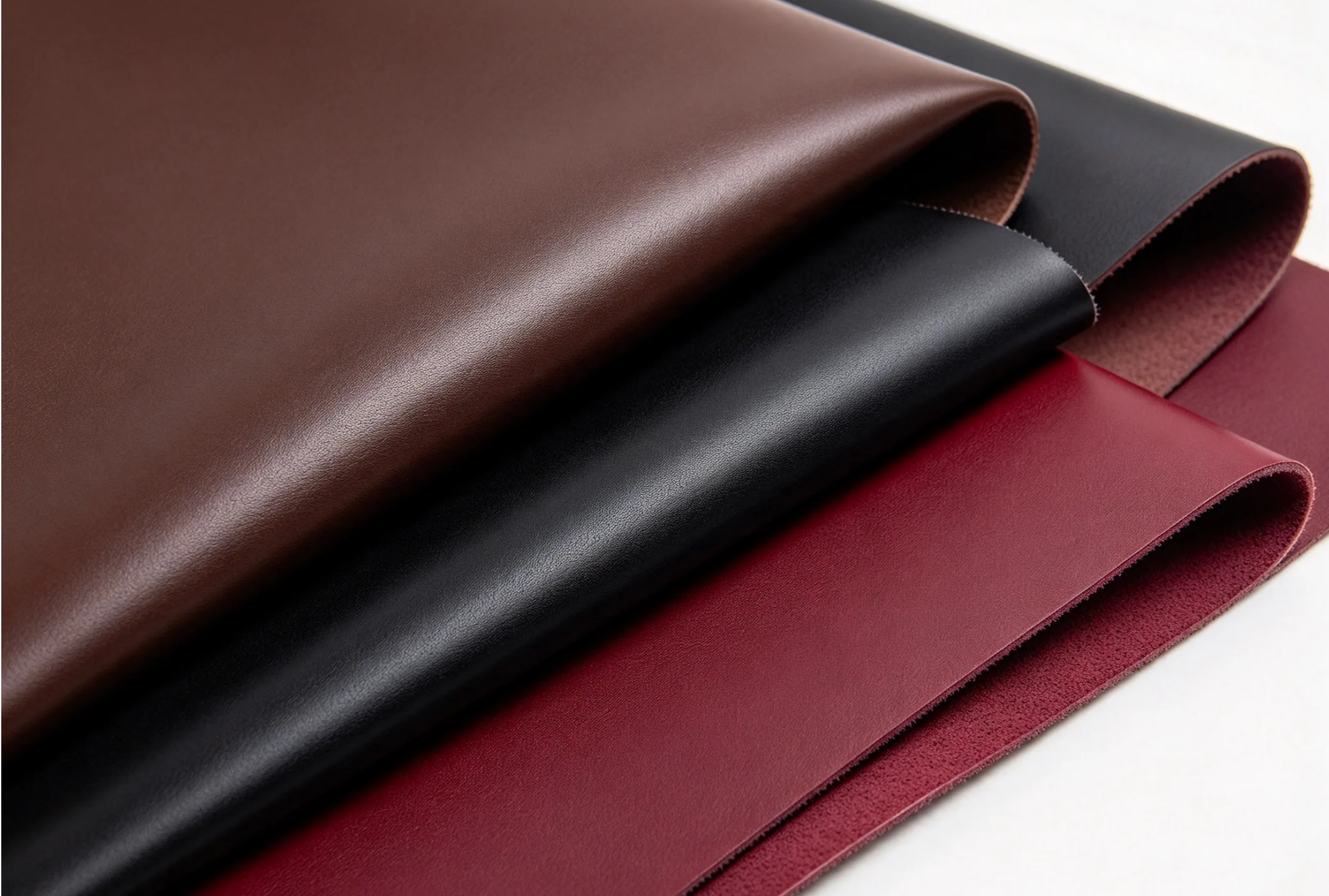
Why PU Leather Is Used in Furniture
PU leather is used in furniture because it offers a strong balance of appearance, processability, and cost control. It is especially suitable for products that require large-volume sourcing and consistent batch output.
Furniture manufacturers also value its design flexibility. The surface can be embossed, matte, glossy, or textured to match different interior styles.
Industry demand has increased for low-odor and lower-emission upholstery materials. The U.S. Environmental Protection Agency notes that indoor air quality can be affected by material emissions in enclosed spaces, making product selection important in furniture environments: EPA Indoor Air Quality guidance.
For brands targeting sustainable purchasing policies, water-based formulations are often considered. These alternatives are typically specified when low VOC performance and reduced solvent content are part of procurement requirements.
PU Leather Durability in Daily Furniture Use
PU leather durability depends on coating quality, substrate strength, thickness, and use conditions. In furniture, the main stress factors are abrasion, flexing, body contact, cleaning chemicals, and sunlight exposure.
High-traffic seating usually fails first at seams, folded edges, and contact zones. That is why product engineers look beyond surface gloss and test the entire upholstery build.
The ISO 12947 abrasion resistance method is widely recognized for textile and surface wear evaluation, while the ASTM C752 series is often referenced for coated surface behavior in comparable materials. Exact acceptance limits vary by furniture class and buyer specification.
According to industry estimates, mid-range upholstery products may remain serviceable for several years under normal residential use, while commercial seating faces faster wear due to higher daily cycles. The actual lifespan depends more on use intensity than on appearance alone.
Comparison Table: Main Performance Factors in Furniture Upholstery
| Performance Factor | What It Affects | Why It Matters |
|---|---|---|
| Abrasion resistance | Surface wear from clothing and movement | Controls how quickly the finish looks aged |
| Flex resistance | Cracking at folds and seams | Important for seat cushions and armrests |
| Cleanability | Stain removal and maintenance | Critical for homes, hotels, and offices |
| Color stability | Fade and batch consistency | Supports matching across production lots |
| Odor and emission profile | Indoor comfort | Important for enclosed spaces and new furniture |
How PU Leather Compares with Other Upholstery Materials
PU leather performs best when buyers need a leather-like appearance with moderate durability and efficient processing. It is not always the most durable option, but it is often the most balanced.
Compared with PVC leather, it usually offers a softer hand feel and a more natural appearance. Compared with microfiber leather, it may be more cost-effective but less robust in demanding applications.
Comparison Table: PU Leather vs Common Furniture Alternatives
| Material | Strengths | Typical Furniture Use |
|---|---|---|
| PU leather | Balanced cost, appearance, and processing | Sofas, chairs, decorative upholstery |
| Microfiber leather | Higher wear resistance and structural stability | Premium seating, heavy-use furniture |
| PVC leather | Lower cost and broad surface styles | Price-sensitive upholstery projects |
| Water-based PU leather | Lower odor and better sustainability profile | Eco-conscious furniture programs |
| Silicone-based substrate | High stain resistance and premium touch | High-end seating and specialty interiors |
The right choice depends on the furniture category. Residential sofas may prioritize comfort and style, while contract seating may prioritize abrasion resistance and easy maintenance.
For reference, the European Commission’s chemical safety framework explains why upholstery materials must meet increasingly strict substance requirements: ECHA REACH overview. This is relevant for global procurement and export-oriented furniture programs.
What Furniture Buyers Should Test Before Purchase
Furniture buyers should test PU leather using application-specific standards rather than relying on appearance alone. The most useful evaluation includes wear, flex, colorfastness, and surface cleaning behavior.
Sample approval should also include stitching performance and foam compatibility. A material that looks strong on a swatch can fail once it is laminated, sewn, and tensioned on a frame.
- Check abrasion resistance under expected seating frequency.
- Inspect fold lines after repeated flexing and compression.
- Test stain removal using common household cleaning agents.
- Confirm color consistency across multiple sample lots.
- Review odor, emissions, and compliance documentation.
In commercial furniture, consistency is often more important than a single high score. Buyers should request test data, production tolerances, and approved reference samples before placing volume orders.
When sourcing from a supplier with broader material coverage, it is useful to compare related product lines such as water-based PU eco leather and microfiber leather series. These categories help teams match performance to end-use requirements more accurately.
Where PU Leather Works Best in Furniture
PU leather works best in mid-to-high volume furniture programs that need stable appearance and manageable costs. It is especially suitable for sofas, lounge chairs, dining chairs, and office seating.
It also performs well in hospitality and retail environments where easy cleaning matters. In these settings, the surface must handle frequent contact, fast turnover, and standardized styling.
For more demanding applications, buyers may move toward stronger alternatives. For example, microfiber-based products are often selected when abrasion resistance and long-term structural stability are the top priorities.
Use-Case Table: Furniture Scenarios and Material Priorities
| Furniture Scenario | Main Priority | Recommended Material Direction |
|---|---|---|
| Home sofa | Comfort and visual consistency | Standard PU leather |
| Office chair | Daily wear and easy maintenance | Higher-grade PU or microfiber leather |
| Hotel seating | Cleaning and batch consistency | PU leather or water-based PU leather |
| Restaurant bench | Stain resistance and cleaning speed | PU leather with durable topcoat |
| Premium lounge furniture | Touch, appearance, and long service life | Microfiber leather or silicone-based materials |
Supplier Directory for Furniture Upholstery Materials
PU leather sourcing is easiest when suppliers can support both material selection and application guidance. Buyers should look for manufacturers that offer multiple material families and can recommend the right one by use case.
At HAOHAO, the main product families include microfiber leather, PU leather, water-based PU eco leather, TPU functional film and leather materials, and PVC or silicone-based substrates. This structure is useful for furniture teams comparing standard, eco-oriented, and premium options.
Third-party market alternatives also include long-established upholstery material suppliers in China, Taiwan, South Korea, and Europe. Procurement teams usually compare them on test data, lead time, surface consistency, and compliance support rather than brand visibility alone.
For buyers who need a starting point, the most practical selection criteria are material type, application scenario, and documentation quality. Supplier reputation matters, but technical fit matters more.
Final Assessment
PU leather is a practical furniture material when the goal is balanced performance rather than maximum durability. It is best suited to upholstered products that require stable aesthetics, predictable manufacturing, and manageable maintenance.
Its real value comes from matching the right grade to the right use case. When buyers evaluate abrasion resistance, flex performance, odor, and compliance together, they can choose materials that perform well in actual furniture conditions.
FAQs
1. Is PU leather good for furniture?
PU leather is a good furniture material when the project needs a leather-like surface, moderate durability, and efficient production. It is commonly used in sofas, chairs, and commercial seating. Its suitability depends on use intensity, cleaning frequency, and whether the buyer prioritizes cost or longer service life.
2. How long does PU leather last on a sofa?
Service life varies by grade and usage. In normal residential settings, it can perform well for several years if maintained properly. In commercial environments, wear usually appears faster because of higher daily use. Seams, corners, and fold lines are usually the first areas to show aging.
3. What is the main weakness of PU leather in furniture?
The main weakness is that surface aging can appear earlier than in higher-performance alternatives. Heat, sunlight, heavy flexing, and harsh cleaners can reduce appearance over time. Buyers should test the material under realistic conditions instead of judging it by appearance alone.
4. Is water-based PU leather better than standard PU leather?
Water-based PU leather is often preferred when low odor, lower VOC, or sustainability targets matter. It may be specified for environmentally conscious furniture programs. However, performance still depends on the specific construction, so it should be tested against the same durability criteria as standard PU options.
5. How should a buyer choose between PU leather and microfiber leather?
Choose PU leather for balanced cost, appearance, and general upholstery use. Choose microfiber leather when abrasion resistance, structural stability, and longer wear life are more important. The best choice depends on furniture type, usage frequency, and the level of performance required by the end customer.