
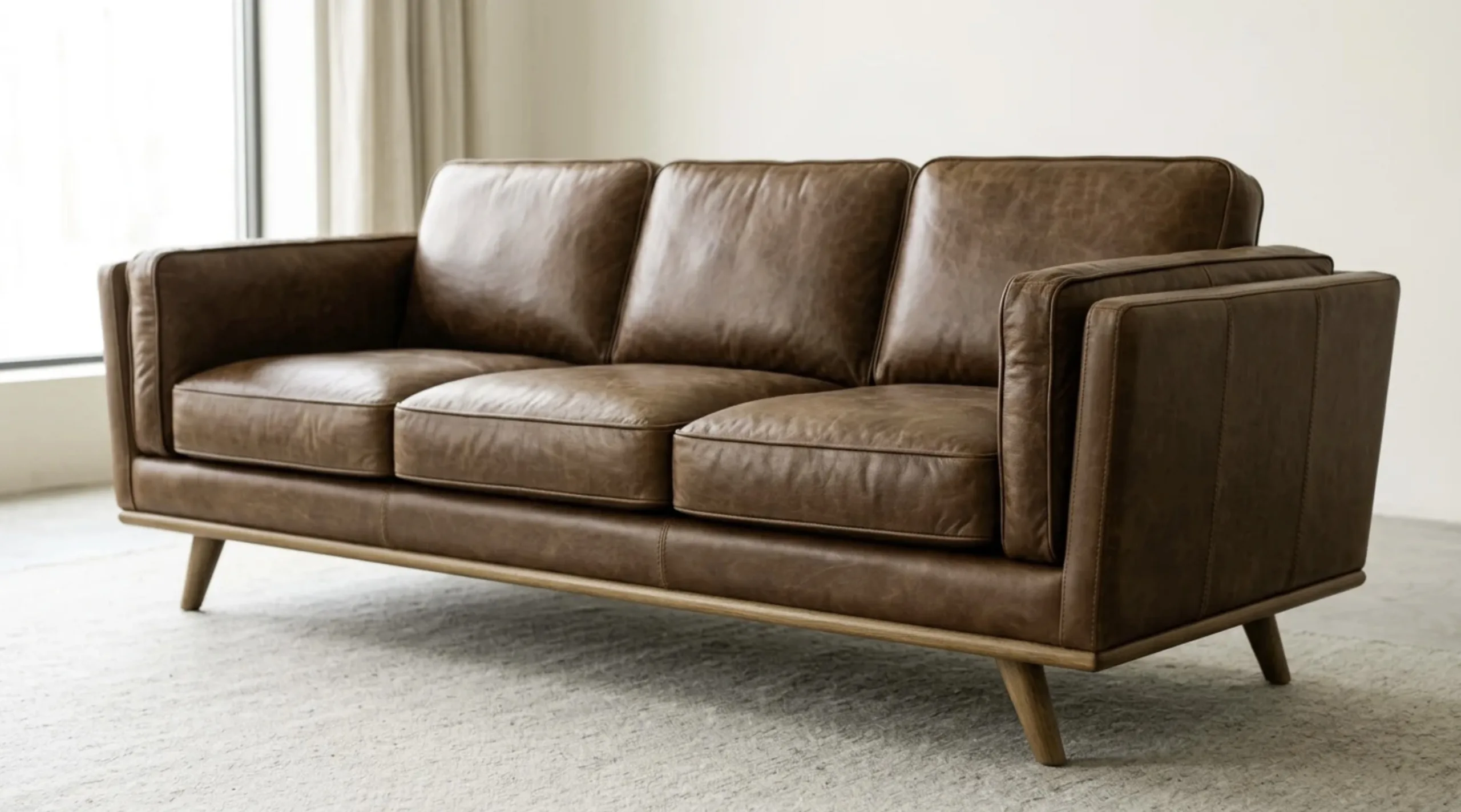
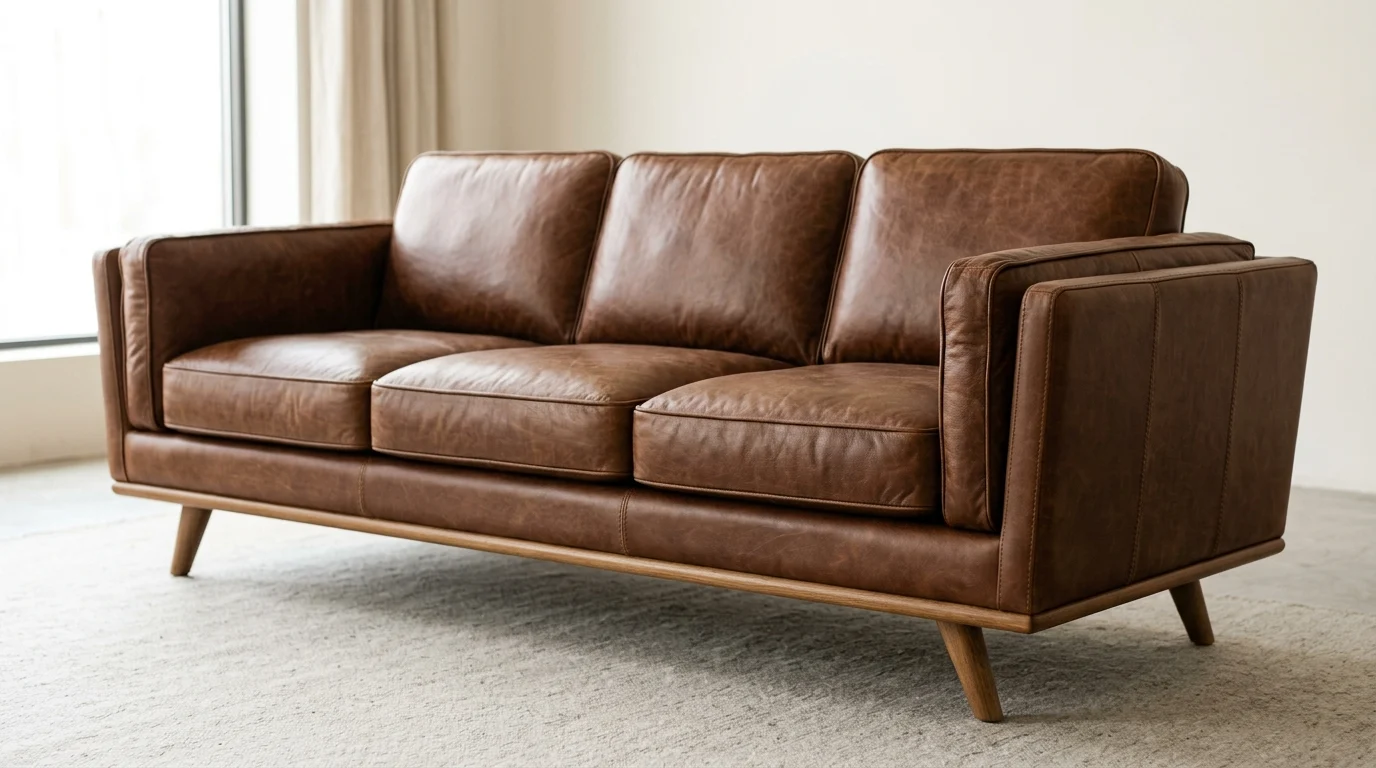
Introduction
Choosing sofa leather fabric is not just a style decision; it affects cost, durability, maintenance, and how a finished sofa performs in different markets. The right material can support premium positioning, while the wrong one can lead to faster wear, higher claims, and weaker customer satisfaction. This article explains the main leather and leather-like options used in upholstery, how they differ in price and performance, and which technical factors matter most when comparing them. By the end, you will have a clear framework for evaluating sofa leather fabric based on appearance, lifespan, budget, and intended use.
Why sofa leather choice matters
Selecting the right sofa leather fabric is a critical decision in upholstery manufacturing, directly influencing a product’s market positioning, lifecycle, and profitability. The chosen material dictates not only aesthetic appeal and tactile comfort but also the structural integrity of the finished furniture.
For procurement teams and manufacturers, understanding the nuances of various leather and leather-alternative fabrics is essential for balancing production budgets with consumer expectations. An informed choice mitigates the risk of warranty claims and ensures compliance with international quality standards.
Impact on cost and value
Upholstery material often accounts for 30% to 40% of a sofa’s total bill of materials (BOM), making it a primary driver of the final retail price. Premium top-grain leathers can range from $15 to $50 per square meter, significantly elevating production costs while allowing for high-margin premium positioning.
Conversely, synthetic alternatives and composite materials offer substantial cost reductions. By utilizing fabrics priced between $3 and $10 per linear yard, manufacturers can target value-oriented market segments without compromising basic functionality, though this often requires adjusting warranty terms.
Durability and appearance retention
Durability dictates the replacement cycle of furniture and heavily influences brand reputation. High-quality genuine leather can maintain its structural and aesthetic integrity for 10 to 15 years under normal conditions, developing a desirable natural patina over time.
Synthetic options typically offer a shorter lifespan of 3 to 5 years before exhibiting signs of delamination, cracking, or peeling. A fabric’s ability to retain its initial appearance depends heavily on its resistance to surface abrasion and its elasticity when stretched over a foam and timber framework.
Fit for usage conditions
Environmental factors play a major role in determining the appropriate material for specific usage conditions. Sofas placed in high-sunlight areas require materials with superior ultraviolet (UV) resistance, typically measured at a minimum of Grade 4 on the grayscale for colorfastness to light.
In environments with fluctuating humidity, natural leathers require specific conditioning treatments to prevent moisture content from dropping below the ideal 12% to 14% range, which can cause severe cracking. Synthetics, being largely impermeable, perform better in high-humidity zones but may trap heat, affecting user comfort.
Types of sofa leather to compare
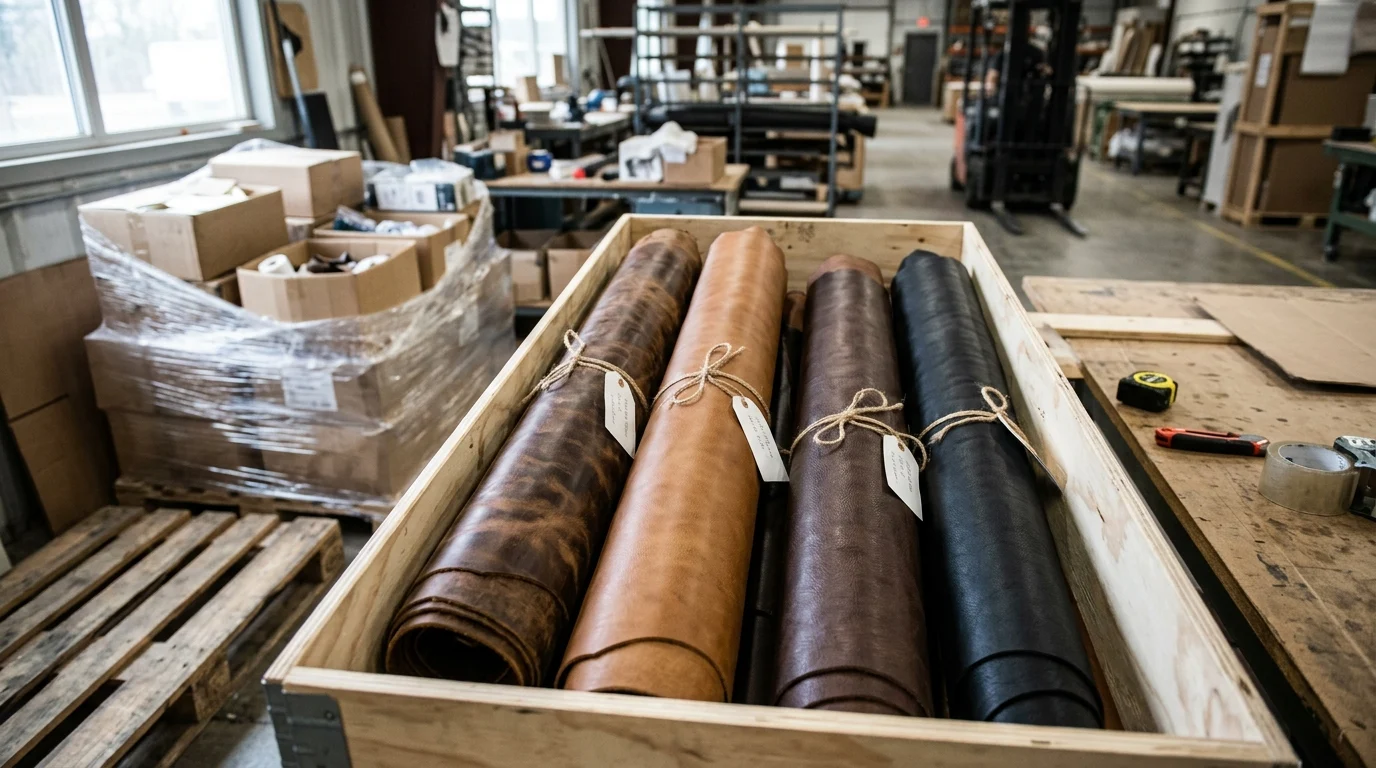
The market offers a diverse spectrum of sofa leather fabrics, broadly categorized into natural animal hides, composite blends, and purely synthetic polymers. Understanding the structural composition of each type is essential for matching the material to its intended application and price point.
Genuine leather vs bonded leather
Genuine leather, particularly full-grain and top-grain variants, utilizes the outermost layer of the hide. This offers maximum tensile strength, natural breathability, and unique grain patterns. Top-grain leather is often sanded to remove imperfections and pigmented for color consistency.
In contrast, bonded leather is a composite material manufactured by shredding leftover hide scraps and binding them with a polyurethane binder onto a paper or fiber backing. It typically contains only 10% to 20% actual leather fibers, resulting in a product that mimics the look of genuine leather but possesses significantly lower tear strength and longevity.
PU leather vs PVC leather
Within the synthetic category, Polyurethane (PU) and Polyvinyl Chloride (PVC) are the dominant choices for sofa manufacturing. PU leather is constructed by coating a fabric backing with a flexible polymer, resulting in a softer, more breathable material that closely replicates the hand-feel of natural hide.
PVC leather incorporates plasticizers and a rigid backing, making it highly impermeable, exceptionally durable, and resistant to moisture. However, PVC can emit higher levels of volatile organic compounds (VOCs) during its early lifecycle and lacks the thermal regulation properties of PU, making it prone to feeling sticky in warm environments.
Key performance and aesthetic differences
A comparative analysis of these materials reveals distinct trade-offs between cost, comfort, and performance metrics.
| Material Type | Average Lifespan | Breathability | Relative Cost per Unit |
|---|---|---|---|
| Top-Grain Leather | 10–15+ Years | High | $$$$ |
| Bonded Leather | 2–4 Years | Low | $$ |
| PU Leather | 3–5 Years | Moderate | $$ |
| PVC Leather | 4–6 Years | Very Low | $ |
Manufacturers must weigh these factors carefully. While genuine leather commands the highest price and offers the best breathability, commercial settings often favor the moisture resistance and lower replacement costs of high-grade PVC or PU synthetics.
How to evaluate sofa leather quality
Objective quality evaluation relies on standardized physical testing and strict adherence to international technical specifications. Relying solely on visual inspection or hand-feel is insufficient for commercial procurement and quality assurance.
Physical tests and technical specifications
Technical specifications begin with dimensional consistency and structural integrity. Upholstery leather thickness typically ranges from 0.9mm to 1.5mm, depending on the required drape and durability.
Materials thinner than 0.9mm are prone to puncturing and stretching over foam frameworks, resulting in unsightly puddling on seat cushions. Conversely, thicknesses exceeding 1.5mm can complicate stitching and tailoring processes, particularly on complex sofa geometries or designs requiring intricate tufting.
Abrasion, tear strength, and colorfastness
Performance metrics must be quantified through rigorous laboratory testing to ensure long-term viability in the field.
| Test Parameter | Standard Method | Minimum Residential | Minimum Commercial |
|---|---|---|---|
| Abrasion Resistance | Martindale (ISO 12947) | 20,000 Rubs | 50,000+ Rubs |
| Tear Strength | ISO 3377-1 | > 20 N | > 35 N |
| Colorfastness to Light | ISO 105-B02 | Grade 3 | Grade 4-5 |
Meeting these thresholds ensures the fabric will withstand daily friction, tension from human weight, and exposure to ambient lighting without premature degradation or seam slippage.
Environmental and fire-safety compliance
Compliance with environmental and fire-safety regulations is mandatory for global distribution and liability mitigation. Upholstery fabrics must frequently meet strict flammability standards, such as California TB 117-2013 in the United States or the BS 5852 standard in the United Kingdom.
Furthermore, chemical safety protocols, including the European REACH directive, dictate stringent limits on hazardous substances. Manufacturers must ensure that formaldehyde emissions remain below 75 parts per million (ppm) and that fabrics are entirely free from prohibited azo dyes and heavy metals like lead and cadmium.
How to choose the right sofa leather
Selecting the optimal material requires integrating technical specifications with supply chain logistics and the specific demands of the end-user environment. A systematic approach ensures that the chosen fabric aligns with both production capabilities and market expectations.
Best options for residential and commercial use
Commercial applications, such as hotel lobbies, healthcare facilities, or corporate offices, demand synthetic materials like heavy-duty PU or PVC with abrasion ratings frequently exceeding 100,000 Wyzenbeek double rubs. These environments prioritize stain resistance, ease of disinfection, and high-traffic durability.
Residential applications allow for a broader range of choices. In the home, the tactile warmth, breathability, and luxury status of top-grain leather often justify the higher price point. If synthetic alternatives are used residentially, high-grade PU is generally preferred over PVC to maximize seating comfort.
MOQ, lead time, and batch consistency
Procurement logistics heavily influence material selection and production scheduling. Synthetic leathers typically require Minimum Order Quantities (MOQs) ranging from 500 to 1,000 meters per colorway, with production lead times averaging 3 to 4 weeks.
Natural leather procurement is often measured by the hide or in square feet, with MOQs commonly set around 500 square feet per dye lot. Maintaining batch consistency is critical across all types; buyers must specify a Delta E (ΔE) color variance tolerance of less than 1.0 to ensure uniform coloration across different production runs and matching sofa sets.
Step-by-step selection process
A systematic selection process mitigates procurement risks and prevents costly manufacturing errors. The process begins with defining the target market budget and identifying the necessary regulatory compliance standards for the destination region.
Next, procurement teams should request physical swatches alongside independent laboratory test reports. Upon verifying the technical data, buyers must conduct pilot runs with small batches (e.g., 10 to 20 meters) to evaluate the material’s behavior during cutting, sewing, and tensioning over sofa frames before committing to full-scale, high-volume production orders.
Decision framework and final checklist
Finalizing a sofa leather fabric purchase requires a structured decision framework that balances immediate procurement costs against long-term product viability and manufacturer liability. A rigorous final review ensures that the selected material will perform as expected in the field.
Balancing price, performance, and maintenance
The optimal choice minimizes the total cost of ownership while maximizing end-user satisfaction. A material with a lower upfront cost, such as inferior bonded leather, may result in unacceptably high warranty claim rates if the surface delaminates within the first 24 months of use.
Conversely, over-specifying a medical-grade, highly impermeable PVC for a standard residential sofa introduces unnecessary costs and compromises tactile comfort. The decision framework must align the fabric’s performance metrics directly with the product’s intended price tier, its formal warranty period, and the anticipated consumer maintenance regimen.
Final checklist to reduce claim risk
Implementing a strict final checklist prevents substandard materials from entering the production line and causing downstream bottlenecks. This checklist should mandate the verification of all third-party flammability and chemical compliance certificates prior to the authorization of shipment.
Additionally, procurement contracts must establish clear defect allowances, typically restricting minor surface flaws (such as scarring on natural hides or coating inconsistencies on synthetics) to less than 3% per hide or roll. Confirming thickness tolerances (±0.1mm), backing adhesion strength, and color consistency against approved master samples ensures the delivered fabric meets all structural requirements, drastically reducing the risk of post-manufacturing claims.
Key Takeaways
- The most important conclusions and rationale for sofa leather fabric
- Specs, compliance, and risk checks worth validating before you commit
- Practical next steps and caveats readers can apply immediately
Frequently Asked Questions
How do I choose between genuine leather and bonded leather for sofas?
Choose genuine leather for premium lines, longer lifespan, and stronger brand positioning. Use bonded leather only for short-cycle, budget products where lower cost matters more than durability.
Which is better for sofa upholstery: PU leather or PVC leather?
PU is better for softer feel and improved breathability. PVC is better for moisture resistance and tougher wear, but it can feel hotter and less comfortable.
What sofa leather fabric works best in sunny rooms?
Use materials with UV resistance of at least Grade 4 for colorfastness to light. This helps reduce fading and keeps the sofa looking consistent longer.
How much does sofa leather fabric affect manufacturing cost?
A lot—upholstery can make up 30% to 40% of a sofa’s BOM. Premium leather raises retail price, while PU, PVC, or bonded options help target value segments.
What should buyers check before ordering sofa leather fabric from a supplier like HH-MF?
Ask for abrasion, UV colorfastness, backing, thickness, and warranty data. Also confirm whether the material suits your target market, climate conditions, and expected product lifespan.