
Introduction
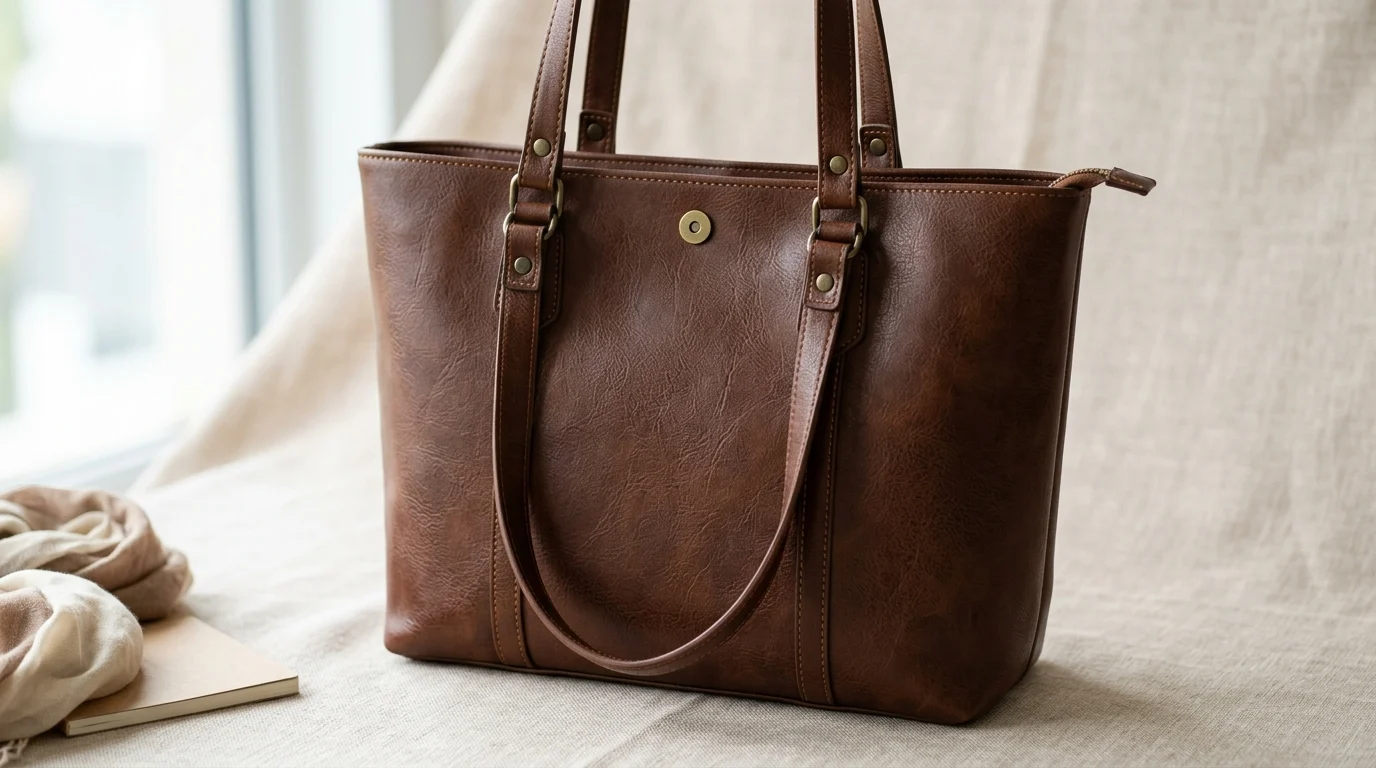
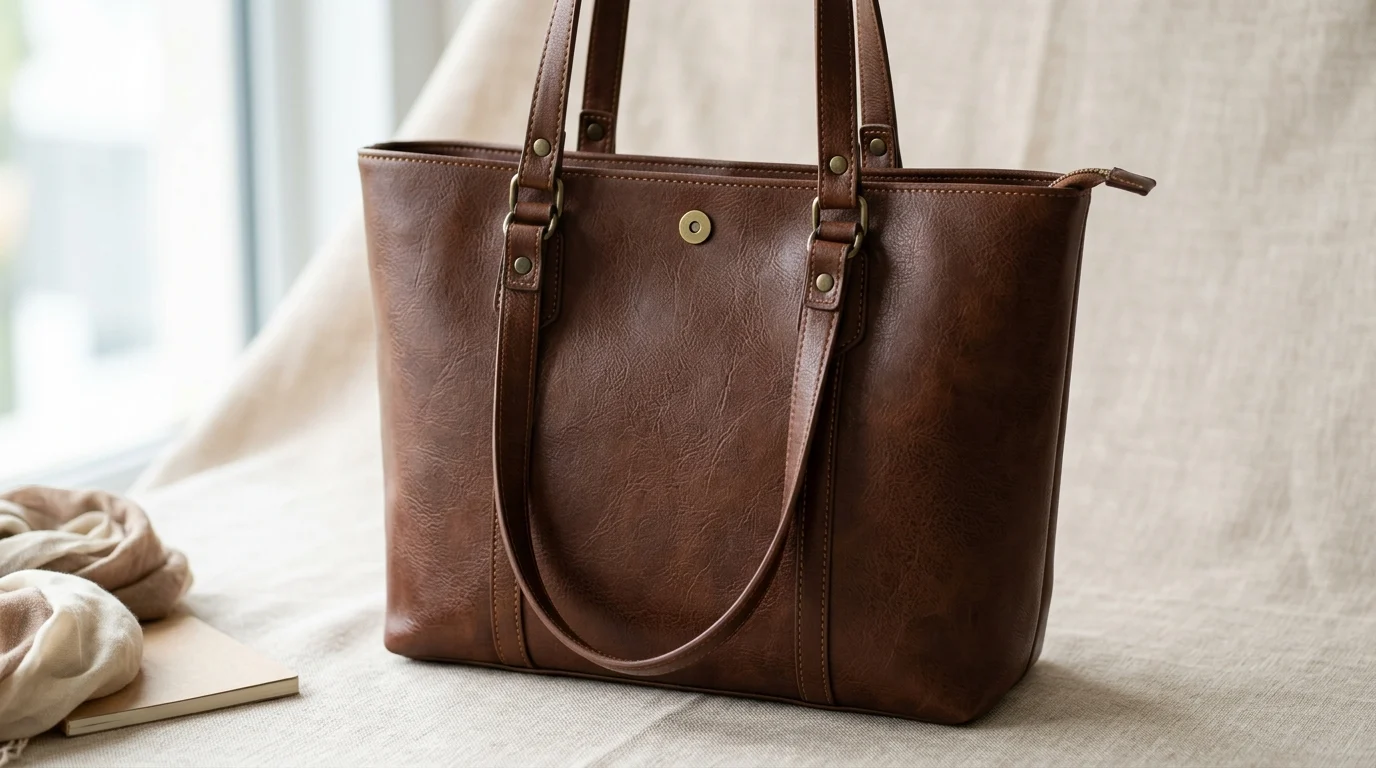
As electronic devices become thinner, slicker, and more fragile, case materials have to do more than look premium. PU leather stands out because it can deliver a refined surface finish, consistent manufacturing quality, and practical protection at a lower cost than genuine leather. This article examines how PU leather helps electronic case makers balance visual appeal with everyday durability, from texture and color control to shock resistance and usability. It also sets up the key trade-offs behind choosing PU leather for phones, tablets, and laptops, giving readers a clear basis for evaluating both design value and functional performance.
Why PU Leather Is a Strategic Choice for Electronic Cases
Polyurethane (PU) leather has cemented its position as a dominant material in the consumer electronics accessory market. Offering a 40% to 60% cost reduction compared to genuine leather, it allows manufacturers to scale production without sacrificing premium aesthetics. For electronic cases covering smartphones, tablets, and laptops, PU leather serves as a critical bridge between fashion-forward design and functional hardware protection.
As device manufacturers release increasingly fragile hardware featuring glass-backed panels and sensitive camera arrays, the accessory market has responded by prioritizing materials that balance shock absorption with ergonomic comfort. PU leather’s highly controlled manufacturing process makes it a predictable, high-yield asset for mass production.
How aesthetics and device protection drive demand
The intersection of aesthetics and device protection forms the primary demand driver for PU leather cases. Consumers expect electronic accessories to mimic the luxurious hand-feel of high-end leather goods while providing robust shock absorption. Advanced PU formulations allow for deep embossing, precise Pantone color matching, and varied surface textures ranging from smooth calfskin to exotic pebble grains.
Simultaneously, the synthetic polymer matrix offers reliable impact resistance. When bonded to a rigid polycarbonate (PC) or flexible thermoplastic polyurethane (TPU) chassis, the outer PU leather layer acts as a primary energy dissipator, shielding fragile glass and aluminum components from daily wear and minor drops.
Which market pressures influence material selection
Macroeconomic and market pressures heavily influence the shift toward synthetic alternatives. The consumer electronics sector operates on aggressive 12- to 18-month product lifecycles, requiring accessory manufacturers to iterate designs rapidly. PU leather supports accelerated time-to-market due to its consistent roll widths and predictable cutting yields, minimizing material waste compared to natural hides.
Furthermore, the rising global demand for vegan and cruelty-free products has shifted consumer sentiment. High-grade synthetic materials are no longer viewed merely as cost-saving substitutes, but rather as strategic requirements to capture the growing demographic of eco-conscious tech consumers.
Key PU Leather Performance Factors for Electronic Cases
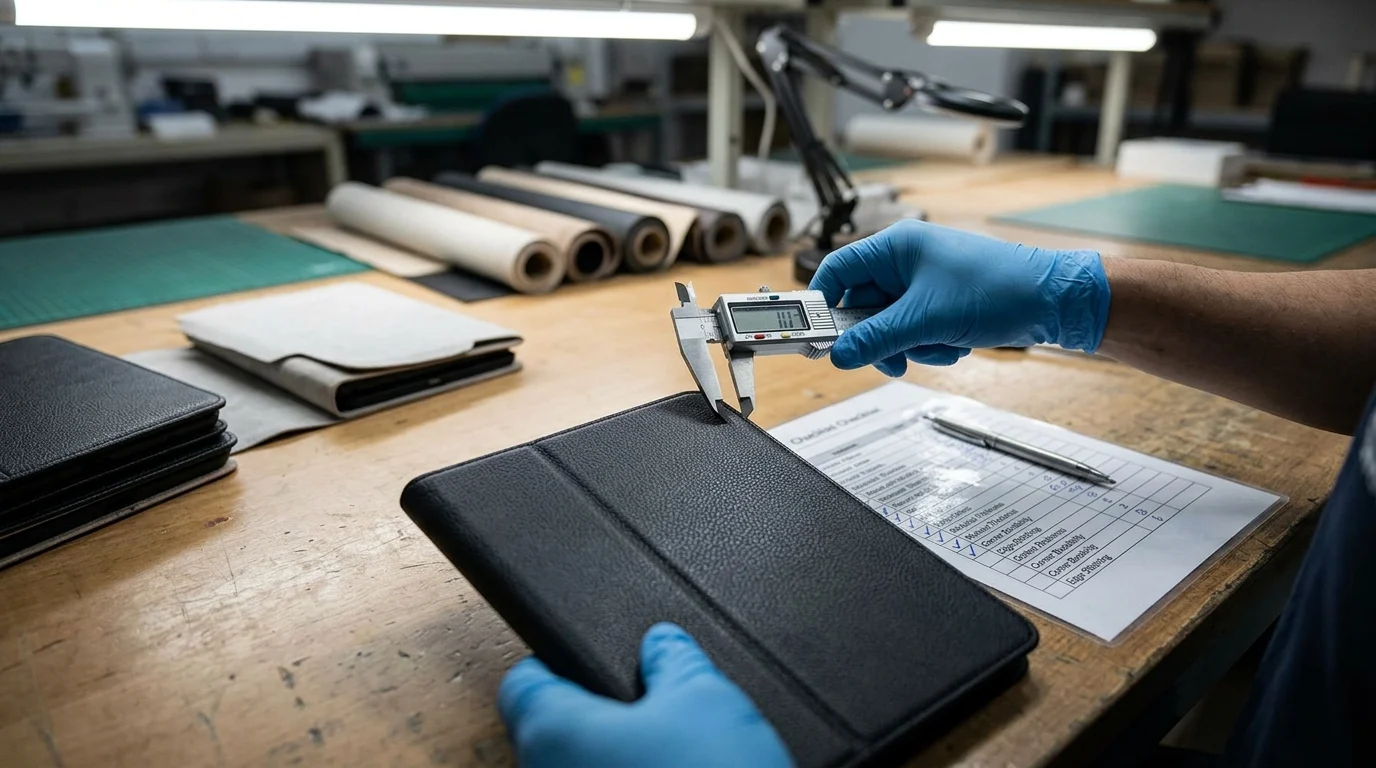
Engineering a high-quality PU leather case requires precise specification of material properties. Unlike genuine leather, which possesses natural inconsistencies and structural weak points, PU leather is manufactured in highly controlled environments. This allows product engineers to dictate exact performance metrics tailored specifically for the rigors of electronic enclosures.
How finish, backing, and thickness affect durability
The structural integrity of PU leather relies on the synergy between its surface finish, polyurethane coating, and textile backing. For electronic cases, a standard thickness ranging from 0.8mm to 1.2mm is generally specified to maintain a slim profile while ensuring adequate shock dispersion. Materials thicker than 1.2mm can interfere with button tactility and wireless charging efficiency.
The choice of backing material—often a non-woven microfiber or a woven polyester blend—dictates the material’s tensile strength and flexibility. High-grade microfiber backings mimic the collagen structure of real leather, achieving superior peel strength metrics exceeding 2.5 kg/3cm. This high peel strength is critical for preventing delamination at the edges of the case during prolonged use.
Where PU leather improves scratch resistance and grip
Daily handling of electronic devices exposes cases to continuous friction, pocket lint, and abrasive surfaces. PU leather formulations engineered for cases often incorporate specialized anti-scratch topcoats, enabling them to withstand over 1,000 cycles in standardized Taber abrasion testing without significant visual degradation.
Beyond scratch resistance, the chemical composition of the top layer can be modified to enhance the coefficient of friction. This tactile grip reduces the likelihood of accidental drops, a critical performance vector for oversized smartphones and heavy tablets. The hydrophobic nature of the PU coating also provides inherent resistance to skin oils and mild liquid spills, maintaining the case’s aesthetic integrity over time.
How PU Leather Compares With Alternative Case Materials
Selecting the optimal material for an electronic case requires benchmarking PU leather against established alternatives in the market, namely genuine leather, thermoplastic polyurethane (TPU), and liquid silicone. Each material presents a distinct profile of thermal, mechanical, and economic characteristics that must be weighed against the intended application.
Which criteria matter most in material benchmarking
Material benchmarking in the electronics accessory sector prioritizes dimensional stability, weight, and thermal conductivity. Because modern mobile processors and batteries generate substantial heat under load, the case material must not act as a severe thermal insulator. PU leather offers moderate heat dissipation capabilities, generally outperforming thick silicone but falling slightly behind ultra-thin TPU.
Additionally, dielectric strength and radio frequency (RF) transparency are evaluated to ensure the material does not interfere with wireless charging coils, NFC modules, or 5G antenna bands. Non-metallic PU leather excels in this area, allowing for seamless electromagnetic transmission without signal degradation.
How cost, appearance, and performance trade offs compare
The trade-offs between cost, appearance, and performance are best illustrated through direct comparison. While genuine leather offers an unmatched aging patina, it suffers from high costs, poor water resistance, and high variance in cutting yields. Silicone provides excellent drop protection but tends to attract lint, degrade aesthetically over time, and create friction when sliding into pockets.
PU leather occupies the optimal middle ground, delivering a premium look with high durability and low maintenance requirements.
| Material | Estimated Cost ($/sqm) | Water Resistance | Average Weight (g/m²) | Wireless Charging Compatibility |
|---|---|---|---|---|
| Premium PU Leather | $3.00 – $8.00 | High | 400 – 600 | Excellent |
| Genuine Top-Grain Leather | $25.00 – $50.00 | Low | 600 – 900 | Good |
| Liquid Silicone | $4.00 – $9.00 | Very High | 500 – 700 | Excellent |
| TPU (Injection Molded) | $1.50 – $4.00 | Very High | 300 – 500 | Excellent |
Sourcing and Compliance Considerations for PU Leather
Transitioning a PU leather case from a design concept to a mass-market product requires rigorous supply chain management. Procurement teams must evaluate varying tiers of supplier capabilities, secure consistent material yields, and navigate a complex web of international chemical safety regulations to ensure uninterrupted market access.
How to evaluate supplier consistency and production quality
Supplier consistency is the bedrock of profitable accessory manufacturing. Evaluators must look beyond initial sample quality to assess batch-to-batch color variance, typically demanding a Delta E (ΔE) value of less than 1.5 to ensure visual uniformity across large production runs.
Furthermore, understanding a supplier’s Minimum Order Quantity (MOQ) is vital. Premium PU leather lines often require MOQs of 500 to 1,000 meters per colorway. Procurement managers must align these MOQs with sales forecasts to prevent excess inventory buildup or capital lock-up.
Which compliance requirements affect market readiness
Electronic accessories are subject to stringent chemical compliance standards, particularly when destined for North American or European markets. PU leather must be certified free of restricted heavy metals and phthalates under the REACH directive and RoHS guidelines.
A critical regulatory focus is the limitation of Volatile Organic Compounds (VOCs) and residual solvents, such as Dimethylformamide (DMF), which is traditionally used in the coagulation process of PU manufacturing. Modern, eco-friendly water-based PU leather production limits DMF residue to strictly below 30 ppm, ensuring market readiness and protecting consumer safety.
What qualification steps reduce sourcing risk
To mitigate sourcing risks, brands must implement comprehensive qualification steps before authorizing mass production. This includes conducting on-site factory audits to verify ISO 9001 quality management systems and ISO 14001 environmental certifications.
Procurement teams should also mandate third-party laboratory testing for every major production batch. Securing Certificates of Analysis (CoA) that validate tensile strength, chemical compliance, and colorfastness prior to final case assembly minimizes the risk of costly product recalls or retail rejections.
How Brands Can Decide if PU Leather Is the Right
The decision to adopt PU leather for a new line of electronic cases hinges on aligning material capabilities with overarching brand strategies. Product managers must weigh technical specifications against target consumer demographics, retail economics, and corporate sustainability objectives.
Which decision criteria align with product and brand goals
Decision criteria must directly support the product’s market positioning. For budget to mid-tier accessories retailing between $15 and $30, standard woven-backed PU leather maximizes volume and profit margins while providing acceptable durability.
Conversely, brands targeting the premium $50+ segment must utilize high-end microfiber-backed PU leather to deliver a tactile experience indistinguishable from genuine leather. The material choice also serves as a powerful marketing tool; positioning a case as 100% vegan aligns with environmental, social, and governance (ESG) goals and appeals directly to younger consumer demographics.
What final factors should guide adoption
Final adoption is guided by a holistic view of the product lifecycle, manufacturing complexity, and expected return on investment. Brands must calculate the total landed cost, factoring in material yield efficiency, defect rates during the wrapping process, and the cost of compliance testing.
When executed correctly, PU leather electronic cases offer highly attractive unit economics, frequently generating gross margins of 60% to 80% depending on the retail tier.
| Target Retail Tier | Recommended Backing Material | Optimal PU Thickness | Expected Gross Margin |
|---|---|---|---|
| Value (< $20) | Woven Polyester | 0.8mm – 0.9mm | 50% – 60% |
| Mid-Range ($20 – $40) | Knitted Fabric / Blend | 0.9mm – 1.0mm | 60% – 70% |
| Premium ($40+) | High-Density Microfiber | 1.1mm – 1.2mm | 70% – 80%+ |
Key Takeaways
- The most important conclusions and rationale for PU Leather
- Specs, compliance, and risk checks worth validating before you commit
- Practical next steps and caveats readers can apply immediately
Frequently Asked Questions
Why is PU leather a good fit for electronic cases?
It combines premium appearance with practical protection, helping cases resist scratches, improve grip, and reduce cost versus genuine leather.
What PU leather thickness works best for phone or tablet cases?
A 0.8mm to 1.2mm range is commonly preferred, balancing slim design, shock dispersion, button feel, and wireless charging performance.
How does PU leather improve protection in an electronic case?
When laminated to PC or TPU shells, it helps absorb minor impacts, protects surfaces from abrasion, and adds a more secure hand feel.
Can HAOHAO support custom PU leather development for case brands?
Yes. HAOHAO offers scalable R&D-to-production support, including texture, color, backing, and performance customization for B2B case projects.
What should buyers check when sourcing PU leather for electronics accessories?
Confirm thickness, backing type, peel strength, abrasion resistance, color consistency, and production capacity to ensure stable quality at scale.