
Introduction
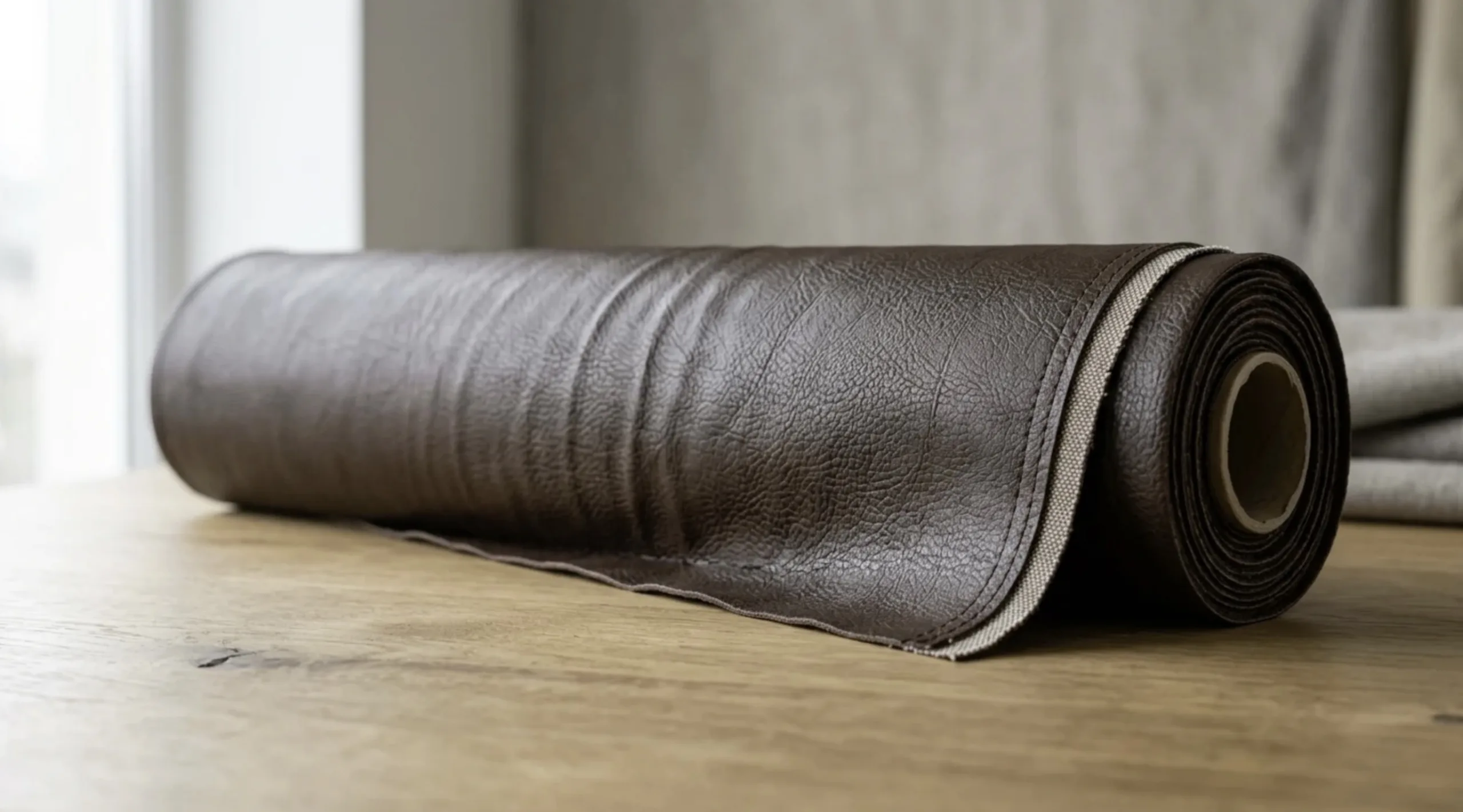
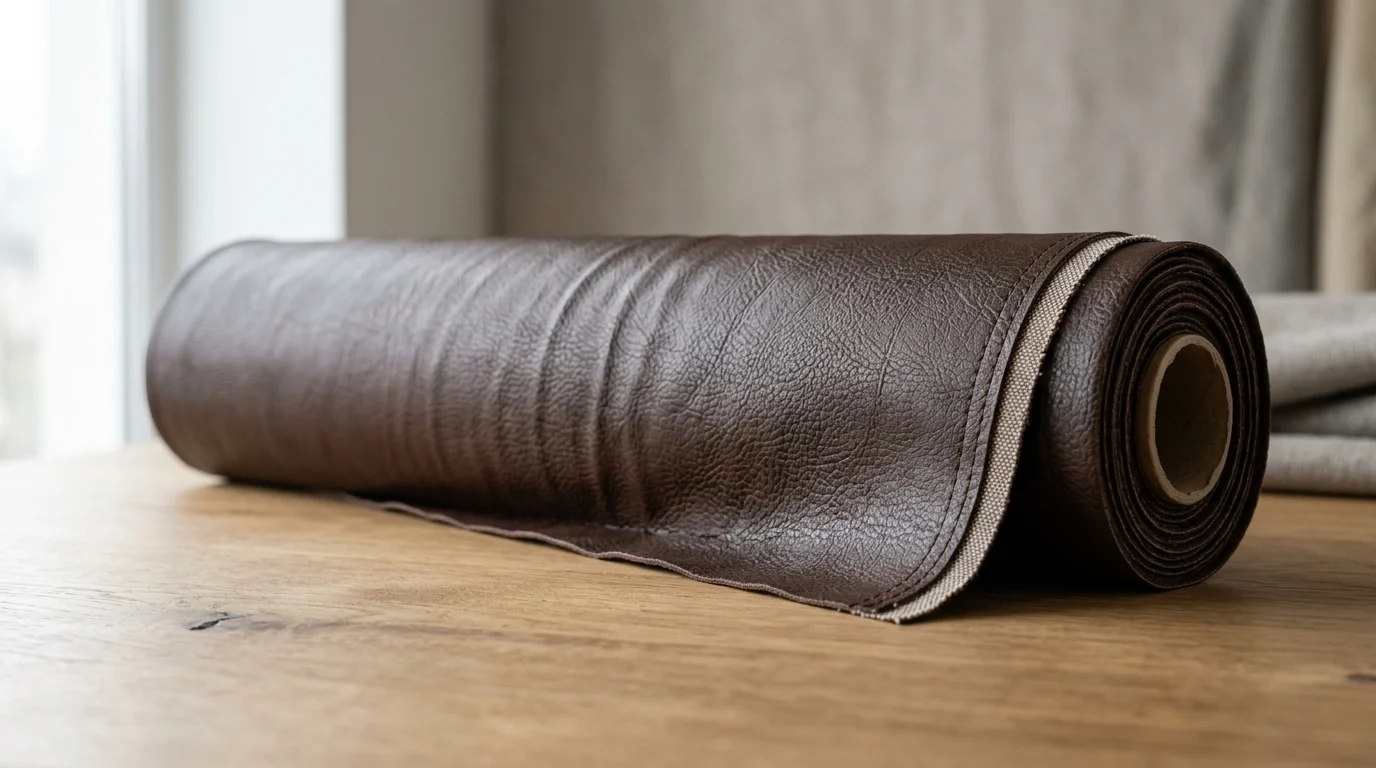
PVC leather fabric is a synthetic material widely used in upholstery, automotive interiors, bags, footwear, and protective coverings because it combines low cost with durability and easy maintenance. Its popularity comes from consistent large-scale production, broad color and texture options, and strong resistance to moisture and wear in many everyday applications. At the same time, it has clear trade-offs, including lower breathability, a stiffer feel than some alternatives, and environmental concerns tied to its composition and disposal. This article explains how PVC leather fabric is made, where it performs well, where it falls short, and how to judge whether it is the right choice for a specific use.
Why PVC leather fabric remains important in upholstery and manufacturing
Polyvinyl chloride (PVC) leather fabric, often referred to as vinyl upholstery, represents a cornerstone material in global synthetic textile manufacturing. Despite the rise of newer synthetic alternatives, PVC leather maintains a dominant market position due to its highly engineered chemical structure, which allows manufacturers to precisely calibrate its physical properties. It serves as a foundational material for industries requiring heavy-duty, weather-resistant, and easily standardizable surface coverings.
The continued relevance of PVC leather is rooted in its highly optimized production ecosystem. Decades of refinement in calendering and coating processes have resulted in a material that delivers exceptional consistency across massive production runs, making it an indispensable resource for high-volume manufacturing sectors.
Cost, scalability, and design flexibility
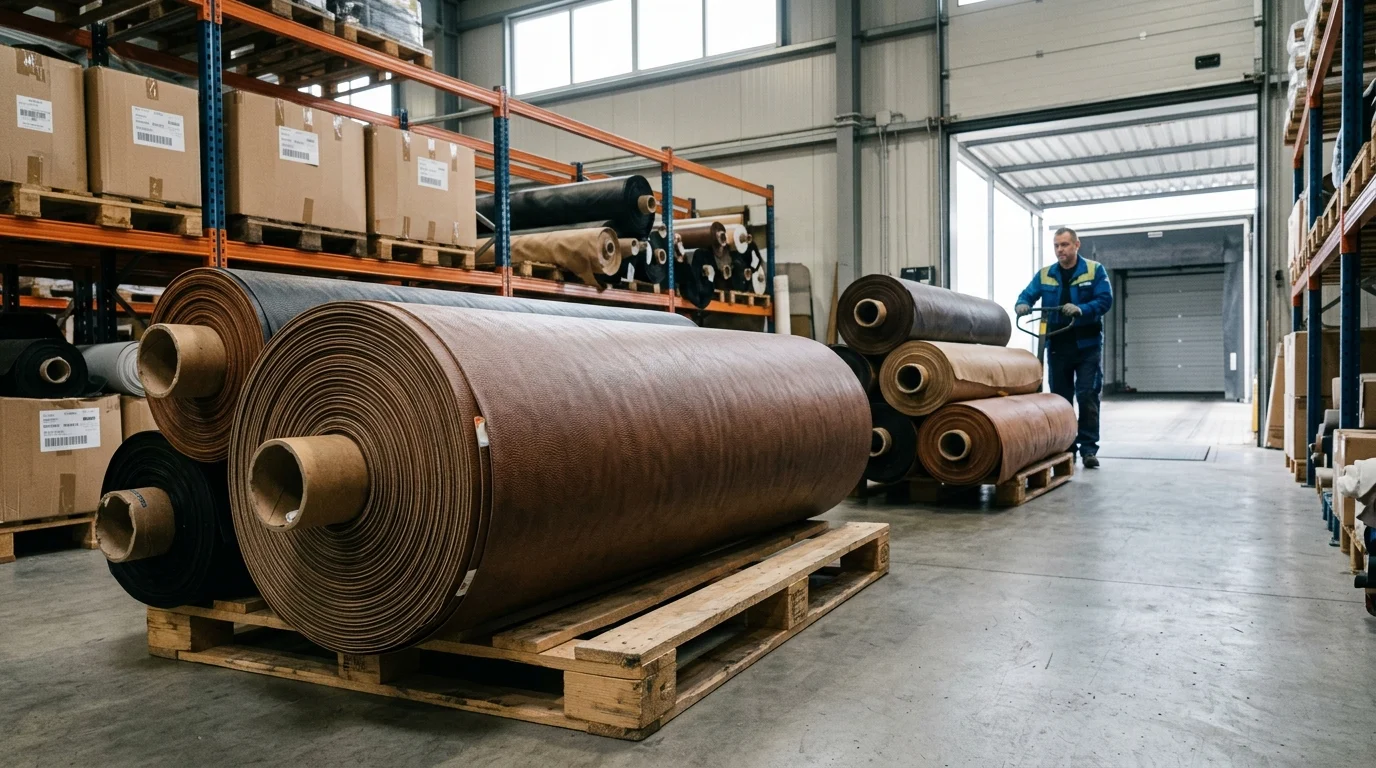
The primary driver of PVC leather fabric’s continued industrial dominance is its exceptional cost-to-performance ratio. In industrial procurement, PVC leather generally costs 30% to 50% less to manufacture than polyurethane (PU) leather, and it represents only a small fraction of the cost of genuine animal hides. This cost advantage is achieved through highly automated, continuous-roll manufacturing processes, typically yielding standard roll widths of 1.37 meters (54 inches) and lengths ranging from 30 to 50 meters, which optimize cutting yields for downstream manufacturers.
Design flexibility is another critical factor. Through advanced calendering and embossing techniques, PVC leather can be engineered to mimic the complex grain patterns of exotic leathers, the matte finish of modern textiles, or high-gloss industrial surfaces. Manufacturers can easily alter the formulation by adjusting plasticizer ratios and pigment dispersions to achieve virtually any Pantone color match with strict batch-to-batch consistency.
Key end-use sectors and applications
PVC leather fabric is heavily utilized in sectors where material failure is not an option. In the automotive industry, it is standard for OEM seating, door panels, and dashboard coverings, where it must pass stringent UV degradation tests and emit low volatile organic compounds (VOCs).
The marine upholstery sector relies almost exclusively on marine-grade PVC leather. Formulations in this category are specifically engineered with advanced UV stabilizers and biocides, requiring them to withstand upwards of 1,000 hours in accelerated weathering testers (such as QUV chambers) without cracking or significant color fade. Additionally, the contract furniture market—encompassing healthcare, hospitality, and public transit—depends on PVC leather for its inherent ability to withstand high traffic and aggressive sanitization protocols.
What PVC leather fabric is and which specifications matter
Understanding PVC leather fabric requires examining it not as a single sheet of plastic, but as a multi-layered composite. The material’s final physical properties—ranging from its tensile strength to its tactile feedback—are determined by the specific specifications of each distinct layer and the chemical additives used during the manufacturing process.
Material construction and layer structure
The architecture of commercial PVC leather typically consists of three primary layers. The foundation is the backing fabric, which provides dimensional stability and tear resistance. This base is usually a knitted or woven polyester, cotton, or poly-cotton blend, generally weighing between 60 and 150 grams per square meter (GSM).
Above the backing is the expanded PVC foam layer. This layer is crucial for determining the material’s overall thickness, which typically ranges from 0.6 mm for lightweight apparel to 2.0 mm for heavy-duty upholstery, and dictates the plushness or “give” of the fabric. The uppermost layer is the solid PVC skin, a dense, non-porous wear layer that seals the material against moisture, dirt, and abrasion.
Core performance and durability specifications
Procurement specialists evaluate PVC leather against a matrix of rigorous performance specifications. Abrasion resistance is paramount; commercial-grade PVC leather is often required to endure between 50,000 and 100,000+ rubs on the Martindale or Wyzenbeek testing apparatus before showing significant wear. Tear strength and seam slippage metrics are equally critical to ensure the fabric does not fail under the stress of upholstery stitching.
Temperature tolerance requires specific chemical formulations. Standard PVC leather can become brittle in freezing temperatures, so materials destined for automotive or outdoor use are tested for cold crack resistance, frequently mandated to survive flexing at temperatures as low as -20°C (-4°F) without structural failure.
| Specification Metric | Typical Commercial Range | Test Method/Standard |
|---|---|---|
| Total Thickness | 0.8 mm – 1.5 mm | ASTM D751 |
| Total Weight | 450 GSM – 800 GSM | ASTM D3776 |
| Abrasion Resistance | 50,000 – 100,000+ rubs | Martindale / Wyzenbeek |
| Cold Crack Resistance | -10°C to -25°C | CFFA-6a |
| UV Resistance | 500 – 1,000+ hours | ASTM D4329 |
Surface finish, hand feel, and special treatments
The surface finish and hand feel of PVC leather are manipulated through mechanical embossing and chemical treatments. Heated embossing rollers press intricate textures into the hot PVC skin layer, permanently setting grain patterns ranging from fine calfskin to heavy pebble grains.
To mitigate the naturally rubbery or sticky feel of raw PVC, manufacturers apply specialized topcoats. Acrylic or polyurethane-based lacquers are commonly sprayed onto the finished roll, which not only improves the tactile slip (hand feel) but also adds essential performance traits such as superior stain resistance and ease of cleaning.
Advantages and disadvantages of PVC leather fabric
Like any engineered material, PVC leather fabric presents a distinct set of advantages and limitations. Evaluating these trade-offs is essential for manufacturers and buyers to ensure the material aligns with the intended product lifecycle and end-user expectations.
Main benefits for buyers
The primary benefit of PVC leather is its exceptional durability combined with total water resistance. Because the surface is entirely non-porous, spills, bodily fluids, and environmental moisture cannot penetrate the backing, preventing mold growth and internal degradation.
Maintenance is remarkably straightforward, which is a major benefit for commercial buyers. Unlike genuine leather, which requires conditioning, or woven fabrics that require deep extraction cleaning, PVC leather can be sanitized with harsh chemicals. In healthcare environments, medical-grade PVC leather is routinely formulated to withstand repeated cleaning with 10% bleach solutions or quaternary ammonium compounds without degrading or losing color.
Key limitations and trade-offs
The most significant limitation of PVC leather fabric is its complete lack of breathability. The non-porous nature that makes it waterproof also traps body heat and moisture, which can lead to user discomfort and sweating during prolonged seating in warm climates.
Chemical longevity is another constraint. PVC relies heavily on liquid plasticizers to remain flexible. Over a span of 5 to 7 years, depending on environmental exposure, these plasticizers can slowly migrate out of the material or evaporate. When this plasticizer loss reaches a critical threshold, the PVC leather becomes brittle and is prone to irreversible cracking and flaking.
Environmental and health concerns also represent a major trade-off. Traditional PVC manufacturing utilizes phthalate-based plasticizers, some of which face strict regulatory bans. Furthermore, the end-of-life disposal of PVC is problematic; it is difficult to recycle and, if incinerated improperly, can release toxic dioxins and hydrogen chloride gas.
PVC leather fabric vs alternative materials
When comparing synthetic options, buyers must weigh PVC against polyurethane (PU) leather and genuine leather. PU leather is generally softer, more breathable, and environmentally less toxic than PVC, but it is typically more expensive and less resistant to ambient moisture and heavy abrasion (prone to hydrolysis).
Genuine leather offers unmatched breathability, longevity, and a premium aging process (patina), but requires extensive maintenance, lacks uniform roll dimensions, and costs significantly more per square foot.
| Material Type | Relative Cost | Breathability | Water/Stain Resistance | Primary Weakness |
|---|---|---|---|---|
| PVC Leather | Low ($) | Very Low | Excellent | Plasticizer migration (cracking) |
| PU Leather | Medium ($$) | Moderate | Good | Hydrolysis (peeling in humidity) |
| Genuine Leather | High ($$$) | High | Poor (unless treated) | High cost & maintenance |
How to source, test, and compare PVC leather fabric
Sourcing PVC leather fabric requires precision. Because the material’s appearance can be deceiving—a low-quality roll may look identical to a high-performance roll on day one—buyers must rely on strict technical specifications, rigorous supplier auditing, and comprehensive testing protocols.
How to define product requirements
Defining product requirements must go beyond color and grain. Buyers must document acceptable tolerances for total weight (e.g., 600 GSM ± 5%), thickness (e.g., 1.0 mm ± 0.05 mm), and the specific composition of the backing fabric. If the fabric is intended for upholstery, specifying a multidirectional stretch backing is critical to prevent puckering around corners.
Regulatory compliance must be explicitly defined in the initial requirement sheet. If the product is entering the European Union, the PVC formulation must be REACH compliant, meaning it must use non-toxic plasticizers (such as DOTP) and ensure that Substances of Very High Concern (SVHCs) remain below the 0.1% weight-by-weight threshold.
How to assess suppliers and quotations
When assessing quotations, buyers should scrutinize the supplier’s manufacturing capabilities. Top-tier suppliers operate vertically integrated facilities with their own compounding, calendering, and coating lines, ensuring tighter quality control. Quotations should always be evaluated alongside the Minimum Order Quantity (MOQ). Standard MOQs in the industry typically range from 500 to 1,000 linear meters per color and specification.
Requesting and testing physical samples is non-negotiable. Buyers should demand A4-sized swatches for tactile evaluation and full-width yardage for pilot production runs. Independent third-party laboratory testing (via SGS, Intertek, or TÜV) should be commissioned to verify the supplier’s claims regarding abrasion resistance, flame retardancy, and chemical composition before bulk production begins.
Logistics, compliance, and lifecycle review
Logistics for PVC leather are relatively straightforward, as the material is shipped in tightly wound rolls wrapped in protective polyethylene film. However, buyers must ensure rolls are stored horizontally and shipped in temperature-controlled containers if traversing extreme climates, as excessive heat during transit can cause premature plasticizer migration or surface blocking (where layers stick together).
Lifecycle review involves tracking the material’s performance in the field. Procurement teams should monitor warranty claims related to premature cracking or color fading. A defect rate exceeding 1% to 2% within the first three years of deployment strongly indicates that the supplier is using substandard plasticizers or inadequate UV stabilizers, necessitating a formulation review.
When PVC leather fabric is the right choice
Despite the proliferation of alternative textiles, PVC leather fabric remains the optimal choice for specific manufacturing and upholstery scenarios. Its deployment is most successful when its unique combination of impermeability, durability, and cost-efficiency directly aligns with the operational demands of the end product.
Best-fit use cases
PVC leather is the definitive best-fit material for high-turnover, high-sanitization environments. In medical and dental facilities, examination tables and waiting room chairs require the exact non-porous, chemical-resistant properties that PVC provides. Similarly, in the hospitality sector, restaurant booth seating benefits from PVC’s ability to resist food stains and withstand hourly wipe-downs without degrading.
Public transportation and heavy commercial vehicles also represent ideal use cases. Bus, train, and tractor seating demand materials that can endure constant abrasion and vandalism attempts while strictly adhering to rigorous fire safety standards, such as the FMVSS 302 automotive burn resistance test. PVC’s inherent flame-retardant properties, which can be easily boosted with additives, make it perfectly suited for these applications.
How to balance price, performance, and compliance
Choosing PVC leather requires a calculated balance between unit cost, long-term performance, and regulatory compliance. While basic commercial PVC leather can be sourced for roughly $2.00 to $4.00 per linear meter, opting for the absolute lowest price often results in materials formulated with cheap, volatile plasticizers that fail prematurely.
Manufacturers must balance these upfront savings against the potential cost of product recalls or brand damage. By investing slightly more in REACH-compliant, phthalate-free formulations with robust UV and cold-crack additives, buyers can leverage the economic advantages of PVC leather fabric while delivering a safe, long-lasting product that meets the stringent demands of modern consumers and regulators.
Key Takeaways
- The most important conclusions and rationale for PVC leather fabric
- Specs, compliance, and risk checks worth validating before you commit
- Practical next steps and caveats readers can apply immediately
Frequently Asked Questions
What is PVC leather fabric used for?
It is widely used for automotive seats, marine upholstery, contract furniture, public transit seating, bags, and protective surface coverings.
Why do manufacturers choose PVC leather over PU or genuine leather?
PVC leather offers lower cost, consistent roll production, strong water resistance, and easy color and texture customization for large-volume manufacturing.
Which specifications matter most when sourcing PVC leather fabric?
Check thickness, backing type, abrasion resistance, tear strength, cold crack rating, UV stability, and roll size to match your application.
Is PVC leather fabric suitable for outdoor or marine use?
Yes, if you choose marine-grade PVC with UV stabilizers, mildew protection, and weathering performance tested for prolonged sun and moisture exposure.
Can hh-mf.com support bulk PVC leather fabric sourcing?
Yes, hh-mf.com focuses on synthetic textile manufacturing, making it a relevant source for consistent PVC leather rolls and application-specific requirements.