
Introduction
The material inside a shoe does more than cover seams: it affects breathability, moisture control, friction, temperature, and how well the upper holds up over time. Choosing the right shoe lining material can mean the difference between all-day comfort and hot spots, odor, or early wear. This article explains how common lining options compare in softness, durability, moisture management, and use-case suitability, so you can match the material to the type of footwear you make, buy, or specify. With that foundation, the next sections break down the strengths, limitations, and best applications of each lining material.
Why Shoe Lining Material Matters
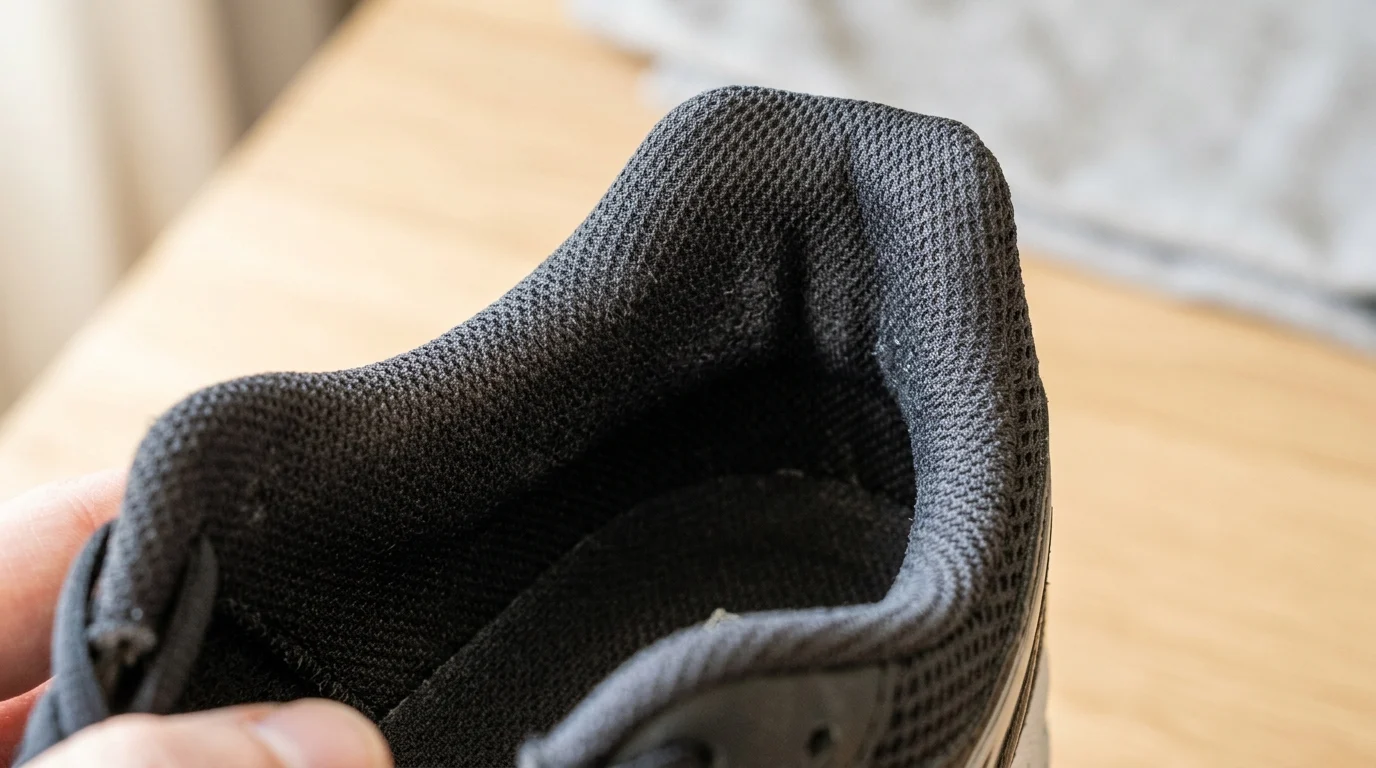
The inner lining of footwear serves as the critical interface between the wearer’s foot and the shoe’s structural upper components. While exterior materials often dictate aesthetic appeal and outward durability, selecting the optimal shoe lining material is fundamental for overall product performance. The lining directly influences internal microclimate regulation, structural integrity, and long-term user satisfaction. In modern footwear engineering, the lining is not merely an afterthought but a highly specified component designed to manage biomechanical stress and complex environmental factors.
Comfort and Moisture Management
The human foot possesses approximately 250,000 sweat glands, capable of producing up to 236 milliliters (roughly half a pint) of moisture during a single day of strenuous activity. An effective lining material must manage this significant moisture output through rapid capillary action (wicking) or high vapor permeability. If moisture is trapped within the shoe cavity, the coefficient of friction against the skin increases exponentially, leading to severe blister formation and thermal discomfort.
To combat this, technical specifications for active footwear generally require materials with a moisture vapor transmission rate (MVTR) exceeding 2,000 g/m²/24hrs. Advanced synthetic meshes and specialized waterproof-breathable membranes, such as expanded polytetrafluoroethylene (ePTFE), are frequently engineered to exceed 4,000 g/m²/24hrs, ensuring the internal microclimate remains dry even under extreme exertion.
Durability and Wear Resistance
Because the lining is subjected to continuous, repetitive abrasion during the human gait cycle, durability is a non-negotiable metric. High-wear zones, particularly the heel counter and the inner toe box, require materials that can withstand significant friction without pilling, tearing, or deteriorating. Manufacturers rely on rigorous laboratory testing to validate these properties before mass production.
Industry standards, such as ISO 17704, dictate that quality lining materials must endure at least 25,600 to 51,200 cycles on a Martindale abrasion tester in dry conditions without structural failure or significant mass loss. In wet conditions, where materials are inherently more vulnerable, the requirement typically stands at a minimum of 12,800 cycles. Linings that fail these thresholds will prematurely expose structural reinforcements like thermoplastic heel stiffeners, leading to product returns and brand degradation.
Category-Specific Performance Needs
Different footwear categories dictate entirely distinct lining requirements based on their intended use environments. Dress and formal shoes traditionally favor full-grain calfskin or pigskin leathers for their natural conformability and premium aesthetic. These materials mold to the foot over time and provide natural thermal regulation, making them ideal for standard daily wear in office environments.
Conversely, athletic and running footwear relies heavily on engineered polyester spacer meshes to achieve critical weight reductions. Manufacturers often target lining weights of under 150 grams per square meter (gsm) while maximizing airflow and rapid drying times. Meanwhile, heavy-duty industrial safety boots demand highly durable, anti-microbial synthetic blends capable of withstanding harsh chemical exposures and maintaining structural integrity under heavy impacts, often incorporating Kevlar or high-tenacity nylon threads.
Best Shoe Lining Materials to Compare
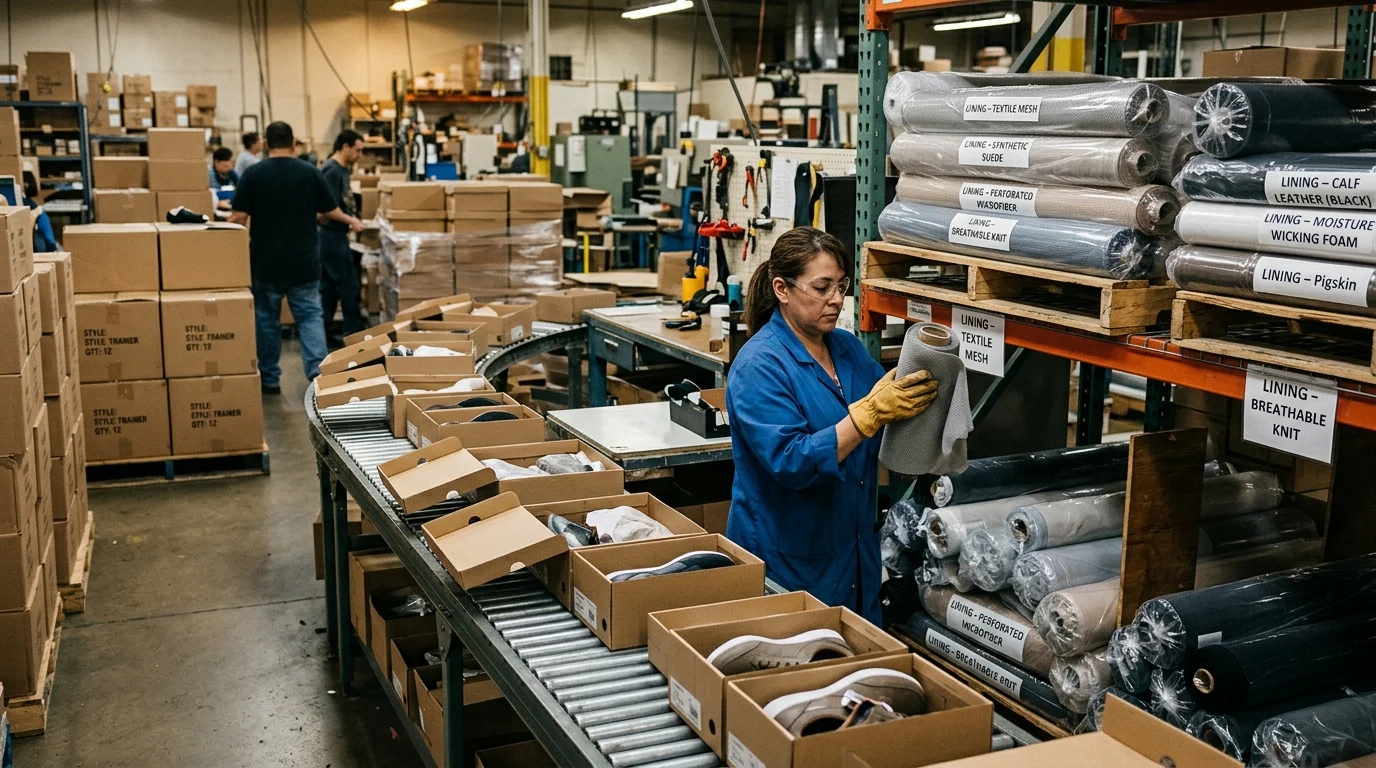
The global footwear supply chain offers a diverse array of shoe lining materials, each presenting distinct advantages in terms of cost, mechanical performance, and manufacturability. Evaluating these options requires footwear developers to maintain a thorough understanding of their inherent physical properties and how they interact with different upper materials.
Leather, Textile, Mesh, Microfiber, and Synthetics
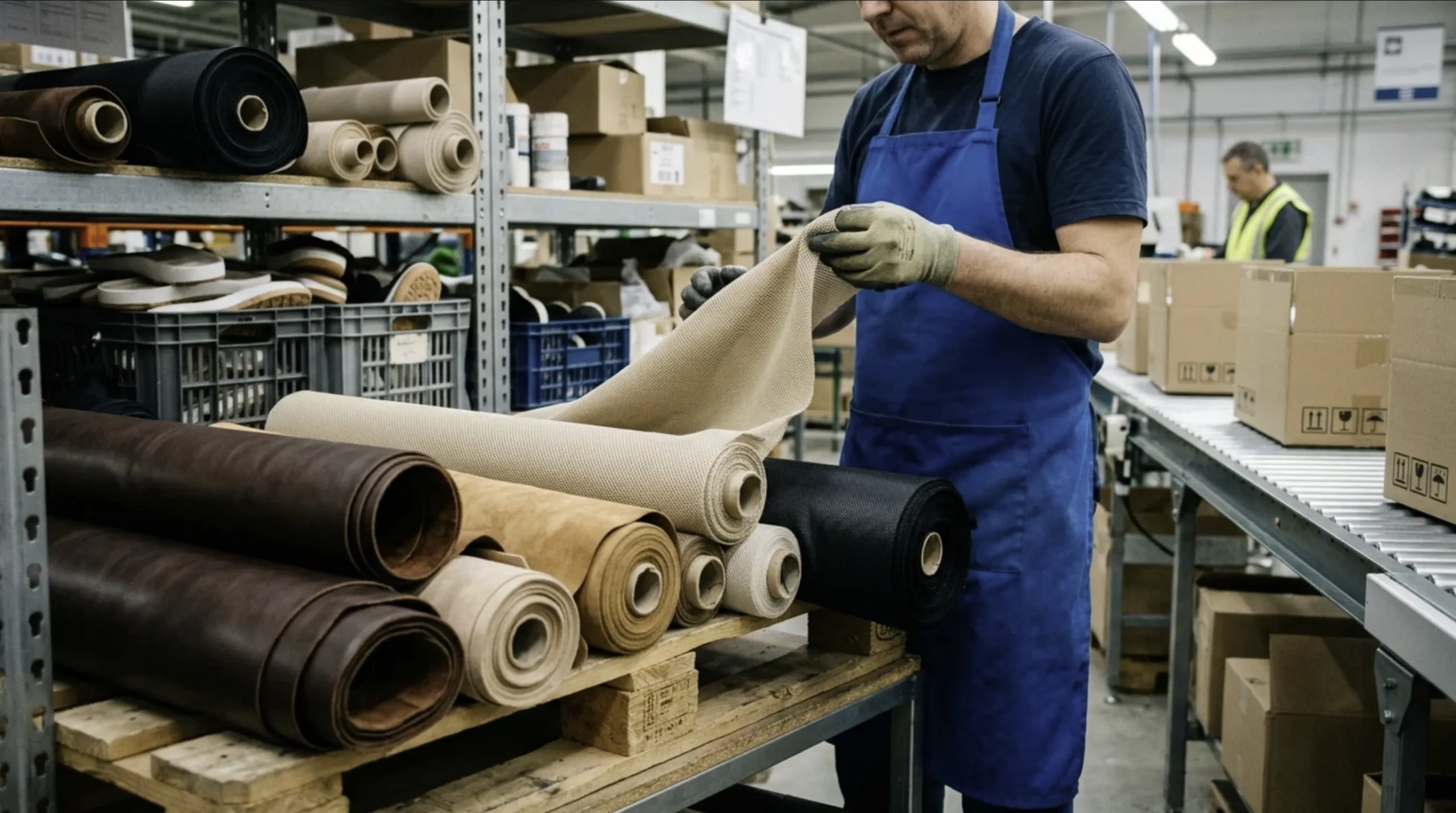
Pigskin and calfskin leathers remain the benchmark in luxury and formal footwear, offering superior breathability and a premium tactile feel. Textiles like cotton canvas and twill provide excellent breathability and structural support for casual vulcanized shoes, though they generally lack the abrasion resistance required for high-performance applications.
Spacer meshes and engineered knit textiles dominate the athletic sector due to their highly customizable densities and superior wicking capabilities. Polyurethane (PU) and microfiber synthetics serve as versatile, vegan-friendly alternatives to traditional leather. High-end microfibers are engineered to mimic the microscopic collagen structure of natural leather, offering consistent roll widths, exceptional tear strength, and zero cutting waste during the manufacturing process.
Natural vs Synthetic Materials
The debate between natural and synthetic materials centers on the trade-offs between comfort, performance consistency, and production efficiency. Natural materials, particularly leather, excel in moisture absorption—capable of absorbing up to 30% of their own weight in moisture without feeling wet to the touch. However, they suffer from batch-to-batch variations, require highly skilled labor for optimal cutting, and experience higher defect rates due to natural scarring.
Synthetic materials, such as nylon and polyester meshes, offer superior tensile strength, absolute colorfastness, and vastly lower moisture retention (typically retaining under 2% of moisture by weight). This low retention allows synthetics to dry rapidly, a crucial feature for outdoor and athletic footwear. Furthermore, synthetics are supplied in continuous rolls, allowing manufacturers to utilize automated CNC cutting machines with material yields frequently exceeding 95%.
Key Material Comparison Criteria
Material selection requires procurement and design teams to balance multiple technical and commercial metrics. Thickness, breathability, and abrasion resistance must align with the shoe’s intended purpose.
| Material Type | Average Thickness (mm) | Breathability (MVTR) | Abrasion Resistance (Martindale Cycles) | Typical Application |
|---|---|---|---|---|
| Pigskin Leather | 0.6 – 0.8 | High | 25,000+ | Dress & Casual Shoes |
| PU Microfiber | 0.5 – 1.2 | Medium | 50,000+ | Vegan & Athletic Shoes |
| Polyester Mesh | 1.0 – 3.0 | Very High | 30,000+ | Running & Sports Footwear |
| Cotton Canvas | 0.8 – 1.0 | Medium | 15,000+ | Vulcanized Sneakers |
Technical and Manufacturing Factors
Integrating lining materials into footwear production involves rigorous technical evaluation and precise manufacturing protocols. The physical properties of the lining must align not only with the exterior upper materials but also with the chosen construction and lasting techniques to prevent catastrophic failures on the assembly line.
Performance Specifications
Technical specifications strictly dictate the viability of a lining material in mass production. Tear strength is a primary concern; linings must typically exceed 15 Newtons (N) for synthetics and 20 N for leathers to prevent ripping when the upper is pulled tightly over the last. Materials that fall below these thresholds will cause unacceptable bottlenecking and high defect rates during the lasting process.
Additionally, colorfastness to rubbing—known in the industry as crocking—is critical. Lining materials should score a minimum of 3 to 4 on the standard grayscale for both dry and wet rubbing tests. Failing to meet this standard will result in the lining’s dye transferring to the wearer’s socks or skin, a common cause for consumer complaints and product recalls.
Construction Methods and Adhesives
The lining must be fully compatible with the shoe’s specific construction method, whether it is cold cement, Goodyear welt, strobel, or direct injection molding. In cemented constructions, the lining’s surface energy must allow for adequate bonding with neoprene or polyurethane (PU) adhesives. Quality control standards typically require a minimum peel strength of 2.5 to 3.0 N/mm to ensure the lining does not delaminate from the upper during the shoe’s lifespan.
Furthermore, the lining material must withstand the extreme thermal stress of heat-setting tunnels used in modern footwear factories. These tunnels often reach temperatures between 100°C and 120°C for durations of 3 to 5 minutes to set the shoe’s shape. Linings that lack thermal stability will shrink, warp, or cause adhesive failure under these conditions, rendering the entire shoe unsellable.
Sourcing, Compliance, and Cost
Procurement strategies for shoe lining materials must navigate a complex matrix of supplier capabilities, stringent international regulatory frameworks, and volatile raw material costs. Effective sourcing directly impacts the factory’s bottom line and the brand’s legal liability.
Supplier Evaluation and Quality Control
Effective sourcing requires rigorous auditing of suppliers to ensure consistent quality control and reliable delivery schedules. Key physical metrics include adherence to strict dimensional tolerances; for instance, thickness variations should not exceed ±0.1 mm across an entire roll of synthetic lining. Inconsistent thickness can lead to uneven bonding and structural weak points.
Reliable lead times are also paramount, typically ranging from 30 to 45 days for standard synthetics and up to 60 days for custom-tanned leathers. Minimum Order Quantities (MOQs) play a crucial role in supplier selection, often starting at 500 to 1,000 meters for custom-dyed meshes, or 1,000 square feet for specific grades of natural leather, which can heavily influence inventory holding costs.
Compliance, Testing, and Sustainability
Lining materials sit directly against the wearer’s foot, making them subject to stringent international chemical regulations. For the European market, REACH compliance is mandatory, strictly limiting the presence of restricted substances. Azo dyes must be capped at a maximum of 30 mg/kg, and the highly toxic Chromium VI in tanned leathers must not exceed 3 mg/kg. Similar standards apply under California’s Proposition 65.
Beyond chemical compliance, there is a massive industry shift toward sustainable and traceable materials. Brands are increasingly mandating Global Recycled Standard (GRS) certified linings, utilizing post-consumer recycled PET (polyethylene terephthalate) to reduce carbon footprints. Utilizing GRS-certified meshes can reduce energy consumption during material production by up to 45% compared to virgin polyester.
Cost Drivers and Total Cost of Ownership
The upfront unit cost of a lining material is only one component of the Total Cost of Ownership (TCO). Brands must account for cutting yields, chemical testing fees, and logistics to understand the true financial impact of their material choices.
| Cost Factor | Estimated Range (USD) | Impact on Total Cost of Ownership |
|---|---|---|
| Raw Material | $1.50 – $15.00 per sq. meter | Direct BOM cost; varies heavily by type (standard mesh vs. premium calfskin) |
| Cutting Yield Loss | 5% – 25% waste | Synthetics offer >95% yield; natural leather yields average 75-80% due to defects |
| Testing & Certification | $200 – $800 per batch | Essential for REACH/CPSIA compliance and mitigating legal risk |
| Freight & Tariffs | 10% – 25% of material value | Dependent on sourcing origin and final assembly destination |
How to Choose the Best Shoe Lining Material
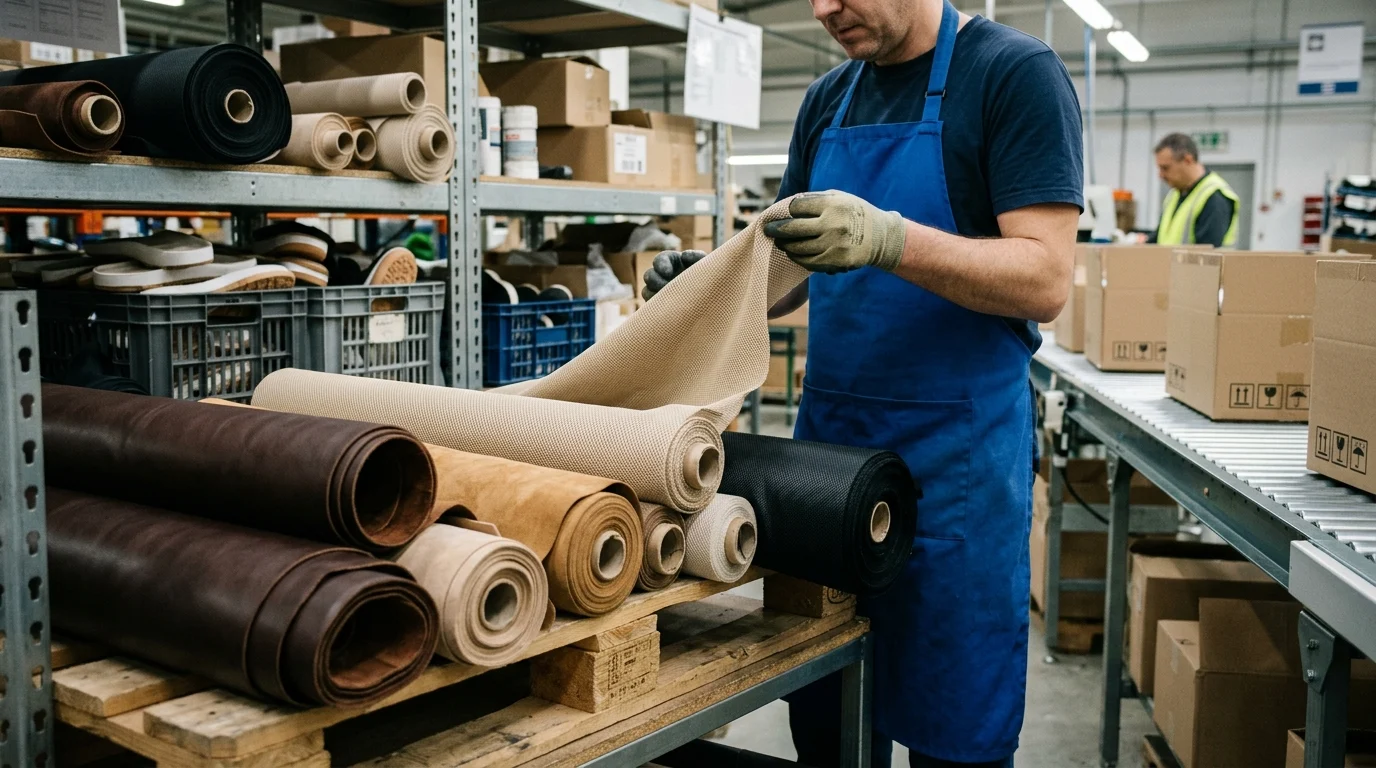
Systematically selecting the appropriate shoe lining material mitigates production risks, controls costs, and ensures the final product meets target market expectations. A structured approach prevents costly late-stage development changes and manufacturing delays.
Step-by-Step Selection Framework
The selection process begins during the R&D phase by defining the footwear’s end-use scenario, which establishes the baseline requirements for breathability (MVTR) and abrasion resistance. Next, procurement teams must align material specifications with the target retail price point. As a general industry rule, lining costs should be kept between 5% and 10% of the total Bill of Materials (BOM) to maintain healthy gross margins.
Once a material is shortlisted, sample yardage must be subjected to rigorous physical testing. This includes flex resistance testing up to 50,000 continuous flexes at room temperature (and often at -10°C for winter footwear) to ensure the material will not crack. Finally, factories must execute trial lasting runs to verify that the lining’s stretch and tensile properties are compatible with the specific lasts and adhesives used on the assembly line.
Final Selection Criteria
Ultimately, the best shoe lining material balances demanding technical performance with commercial viability. Footwear developers must weigh the premium sensory benefits and natural moisture management of traditional leathers against the absolute consistency, high cutting yields, and specialized performance traits of modern synthetic meshes and microfibers.
By rigorously evaluating MVTR, Martindale abrasion resistance, chemical compliance, and total cost of ownership, brands can confidently specify linings that enhance both the structural durability of the footwear and the long-term comfort of the end user. Making data-driven material choices ensures a more resilient supply chain and a superior final product.
Key Takeaways
- The most important conclusions and rationale for shoe lining material
- Specs, compliance, and risk checks worth validating before you commit
- Practical next steps and caveats readers can apply immediately
Frequently Asked Questions
What is the best shoe lining material for everyday comfort?
Leather or soft microfiber works best for daily wear. Leather feels premium and molds to the foot, while microfiber offers similar comfort with easier care and more consistent quality.
Which lining material is best for sports or running shoes?
Engineered mesh or spacer mesh is usually best. It is lightweight, breathable, and dries quickly, helping reduce sweat buildup and friction during activity.
How can I choose a durable shoe lining material?
Look for microfiber, high-tenacity synthetic blends, or reinforced mesh in high-wear zones. Heel and toe areas need strong abrasion resistance to prevent early breakdown.
Is leather lining better than synthetic lining?
It depends on the shoe type. Leather is ideal for dress shoes and natural comfort, while synthetics are better for athletic, vegan, or high-volume production needs.
Can hh-mf.com help source shoe lining materials for different footwear categories?
Yes, hh-mf.com can support material selection based on use case, such as breathable mesh for sports shoes, leather for formal shoes, or durable synthetics for safety footwear.