
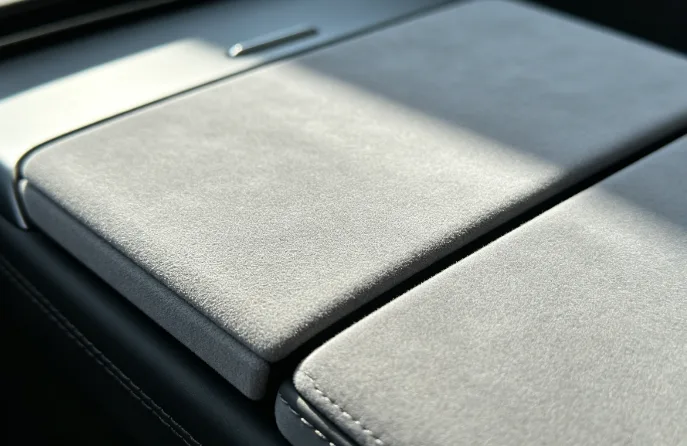
High-tenacity microfiber has become a critical material in modern automotive design due to its balance of durability, lightweight performance, and surface functionality. High-tenacity microfiber is a synthetic fiber engineered with enhanced tensile strength and fine filament structure, typically below 1 denier. Automotive manufacturers increasingly integrate microfiber into interiors, filtration systems, and structural composites to meet stricter safety, sustainability, and efficiency targets. According to data from the International Energy Agency (IEA), lightweight material adoption can improve vehicle efficiency by up to 6–8%, positioning microfiber as a practical contributor to energy optimization.
High-Tenacity Microfiber Material Properties for Automotive Applications
High-tenacity microfiber is defined by its high tensile strength, abrasion resistance, and controlled fiber diameter. These properties enable consistent performance under mechanical stress and thermal variation. Compared with conventional polyester fibers, microfiber offers higher surface area-to-volume ratio, improving adhesion, filtration, and tactile performance.
Key material characteristics include:
- Tensile strength exceeding 5–9 cN/dtex depending on polymer formulation
- Fiber diameter below 10 micrometers for enhanced surface interaction
- High resistance to wear, UV exposure, and chemical degradation
For detailed product specifications, refer to high-tenacity microfiber materials.
Automotive Interior Applications of High-Tenacity Microfiber Fabrics
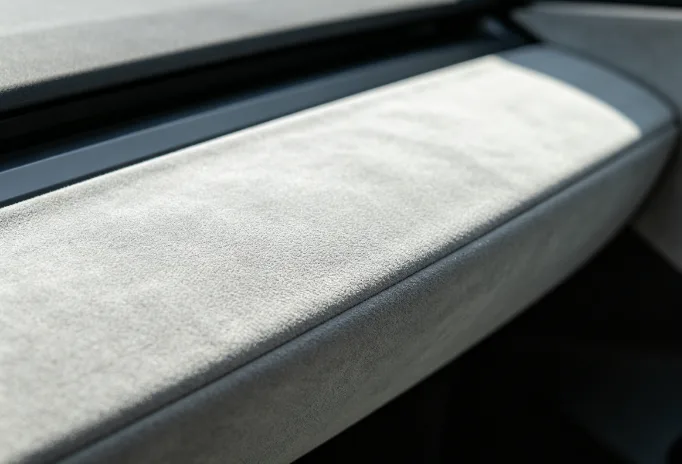
Automotive interiors demand materials that combine durability, comfort, and low maintenance. High-tenacity microfiber fabrics meet these requirements in seating, headliners, and door panels. The microfiber structure provides a soft touch while maintaining resistance to abrasion and staining.
According to the U.S. Department of Energy (energy efficiency research), interior material weight reduction contributes directly to overall vehicle efficiency. Microfiber replaces heavier leather and woven textiles without compromising durability.
Applications include:
- Seat upholstery using automotive microfiber upholstery fabric
- Dashboard coverings with improved scratch resistance
- Acoustic panels with enhanced sound absorption
Performance Comparison: Microfiber vs Traditional Automotive Textiles
Material selection in automotive engineering requires measurable performance comparisons. The following table highlights key differences:
| Property | High-Tenacity Microfiber | Conventional Polyester | Natural Leather |
|---|---|---|---|
| Tensile Strength | High | Moderate | Variable |
| Weight | Low | Medium | High |
| Abrasion Resistance | High | Medium | Medium |
| Maintenance | Low | Low | High |
| Sustainability | Moderate–High | Moderate | Low |
The National Institute of Standards and Technology (materials performance research) emphasizes the importance of standardized testing for textile durability, reinforcing microfiber’s consistency advantage.
Role of High-Tenacity Microfiber in Automotive Filtration Systems
High-tenacity microfiber plays a central role in automotive filtration systems due to its fine fiber structure and high surface area. Cabin air filters and engine intake filters rely on microfiber layers to capture particulate matter efficiently.
The U.S. Environmental Protection Agency (air quality standards) highlights the increasing importance of particulate filtration in urban environments. Microfiber filtration media can capture particles as small as PM2.5, improving cabin air quality.
Typical filtration applications include:
- Cabin air filters using microfiber filtration materials
- Engine air intake filtration systems
- Oil filtration components
Lightweight Automotive Design and Energy Efficiency Benefits
Vehicle lightweighting remains a core strategy for reducing emissions and improving fuel efficiency. High-tenacity microfiber contributes to weight reduction without compromising structural integrity or durability.
The European Commission (transport emissions policy) reports that reducing vehicle weight by 10% can lead to a 5–7% reduction in fuel consumption. Microfiber materials replace heavier textiles and composite reinforcements in multiple vehicle components.
A structured comparison of weight impact:
| Component | Traditional Material Weight | Microfiber-Based Weight Reduction |
|---|---|---|
| Seat Covering | 100% baseline | 20–30% reduction |
| Interior Panels | 100% baseline | 15–25% reduction |
| Acoustic Layers | 100% baseline | 25–35% reduction |
Explore lightweight microfiber solutions for automotive integration.
Durability and Lifecycle Performance in Automotive Environments
Automotive materials must withstand long-term exposure to temperature fluctuations, UV radiation, and mechanical wear. High-tenacity microfiber demonstrates stable performance across these conditions due to polymer engineering and fiber structure control.
The Society of Automotive Engineers (automotive material standards) outlines durability benchmarks for interior materials, including abrasion cycles and UV resistance. Microfiber consistently meets or exceeds these benchmarks.
Lifecycle advantages include:
- Reduced material degradation over time
- Lower maintenance requirements compared to leather
- Extended service life in high-contact surfaces
For durability-focused applications, review durable microfiber automotive textiles.
Sustainability Considerations of High-Tenacity Microfiber
Sustainability in automotive materials involves recyclability, energy consumption, and environmental impact. High-tenacity microfiber contributes to sustainability goals through reduced weight and longer lifecycle.
The United Nations Environment Programme (sustainable materials research) emphasizes the importance of lifecycle analysis in material selection. Microfiber’s extended durability reduces replacement frequency, lowering overall material consumption.
Emerging developments include:
- Recycled polyester microfiber production
- Low-energy manufacturing processes
- Integration with circular economy models
Manufacturing Processes and Engineering Integration
High-tenacity microfiber production involves melt spinning, drawing, and surface finishing processes. These steps control fiber strength, diameter, and texture. Automotive integration requires compatibility with lamination, coating, and composite molding techniques.
Engineering considerations include:
- Adhesion compatibility with polymers and foams
- Thermal stability during molding processes
- Consistency in fiber distribution for uniform performance
Advanced manufacturing insights are available through engineered microfiber solutions.
Key Conclusions on High-Tenacity Microfiber in Automotive Design
High-tenacity microfiber supports modern automotive design through measurable performance improvements. Key conclusions include:
- High-tenacity microfiber enables lightweight construction without sacrificing durability
- Fine fiber structure improves filtration efficiency and surface functionality
- Lifecycle performance reduces maintenance and replacement costs
- Compatibility with sustainability goals aligns with global regulatory trends
FAQ: High-Tenacity Microfiber in Automotive Applications
1. What distinguishes high-tenacity microfiber from standard microfiber?
High-tenacity microfiber differs by its enhanced tensile strength and durability. Standard microfiber focuses on softness and cleaning efficiency, while high-tenacity variants are engineered for structural and long-term performance in demanding environments such as automotive interiors and filtration systems.
2. How is high-tenacity microfiber integrated into automotive manufacturing?
Integration involves lamination with foam layers, bonding to composite panels, or weaving into textile structures. Engineers must ensure compatibility with heat, pressure, and adhesives used in automotive production lines to maintain consistent material performance.
3. What factors should guide material selection for automotive microfiber?
Key selection criteria include tensile strength, abrasion resistance, thermal stability, and compatibility with existing manufacturing processes. Cost efficiency and lifecycle performance also influence decisions, particularly for high-volume automotive production.
4. Are there common misconceptions about microfiber durability?
A frequent misconception is that microfiber is fragile due to its fine structure. In reality, high-tenacity microfiber is engineered for strength and can outperform traditional textiles in abrasion and wear resistance when properly manufactured.
5. How does microfiber contribute to vehicle sustainability goals?
Microfiber supports sustainability through weight reduction, extended lifespan, and potential use of recycled polymers. These factors reduce energy consumption and material waste over the vehicle lifecycle, aligning with global environmental regulations