
Introduction
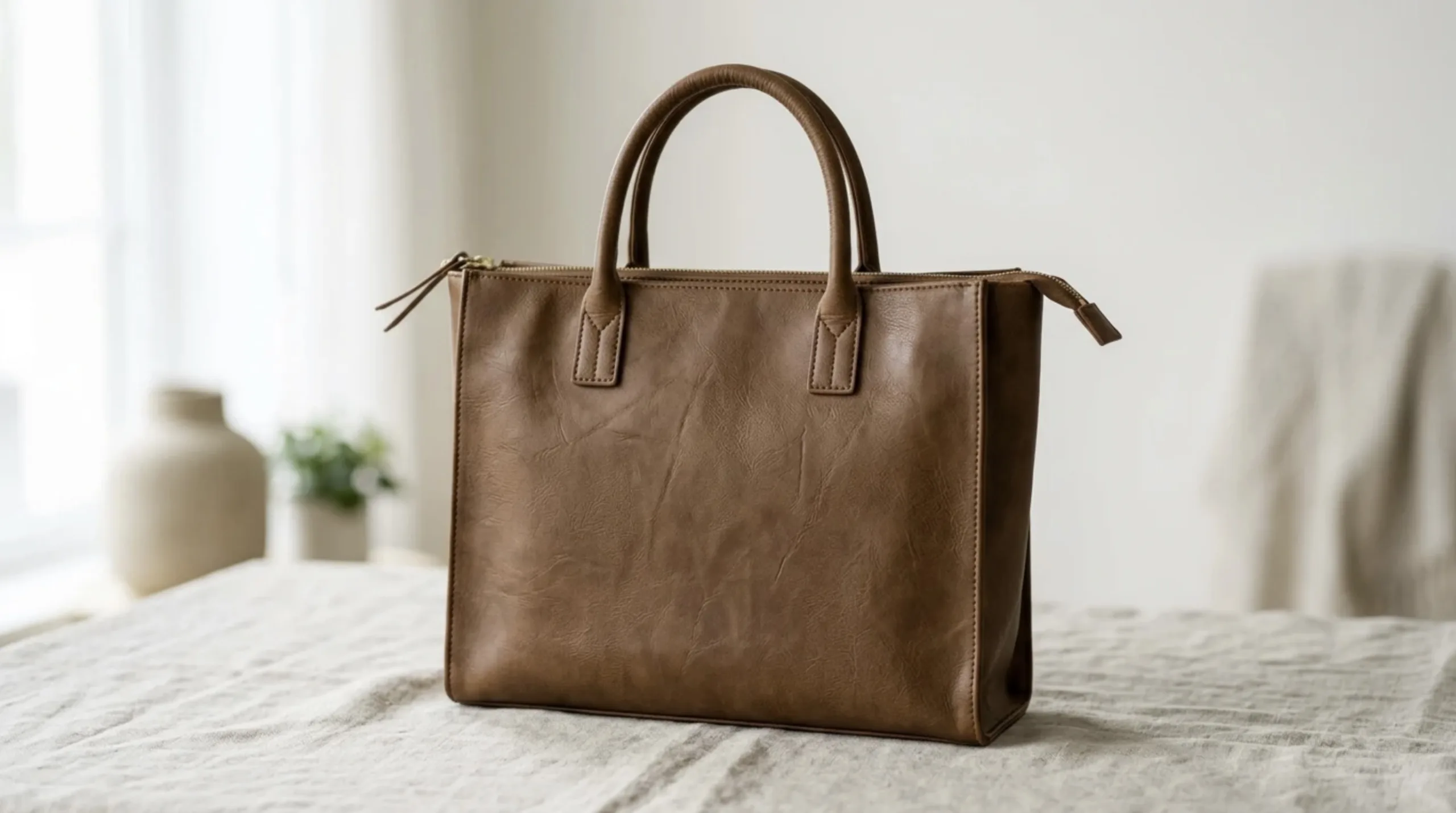
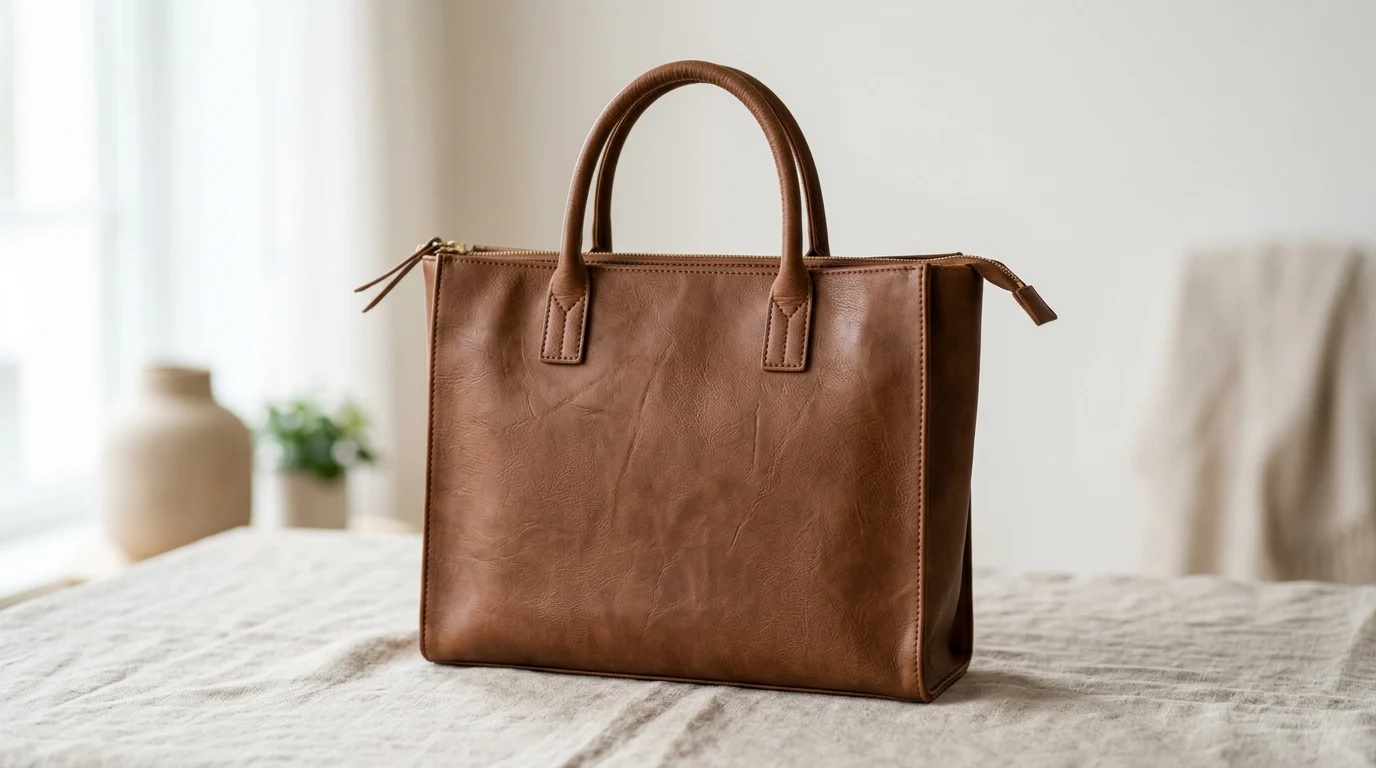
Demand for leather alternatives has surged as consumers and brands weigh cost, durability, animal welfare, and environmental impact more carefully. Vegan leather sits at the center of that shift, but the term covers a wide range of materials with very different compositions and performance profiles. This article explains what vegan leather actually is, how common types such as PU, PVC, and newer bio-based options differ, and why those differences matter in sourcing, product quality, and sustainability claims. By the end, you’ll have a clearer framework for judging what this material offers—and where its popularity is justified.
What Is Vegan Leather and Which Types Matter Most
The term “vegan leather” has taken over the materials market, replacing older, less flattering labels like “pleather” or “faux leather.” Driven by changing consumer ethics and massive advancements in material science, the global synthetic leather market is projected to reach an impressive $45 billion by 2027. Beneath the clever marketing and sleek finishes, however, buyers and brands need to know exactly what they are working with on a structural level.
While it might look and feel like the real deal, vegan leather behaves differently on the cutting room floor and in the hands of the end consumer. Understanding its composition is the first step to sourcing the right material for your next product line.
What counts as vegan leather
The definition of vegan leather is straightforward: it is any material that mimics the look, feel, and function of animal hides without using any animal-derived products. While this concept is simple, the actual materials used to achieve the effect vary wildly. In the past, this almost exclusively meant petroleum-based plastics. Today, the umbrella has expanded to include everything from recycled synthetic fibers to agricultural waste.
How PU, PVC, and bio-based options differ
The big three categories dominating the market are polyurethane (PU), polyvinyl chloride (PVC), and newer bio-based options. PVC is the old-school choice—highly durable and heavily water-resistant, but notoriously stiff and environmentally taxing due to the chemical plasticizers required to make it flexible. PU is the current industry standard, offering a softer, more breathable, and flexible hand-feel that closely mimics premium real leather.
Then there are the highly publicized bio-based leathers made from cactus, pineapple leaves, or apple peels. While these are marketed as ultra-eco-friendly alternatives, buyers should look closely at the spec sheets. Most commercial bio-leathers currently on the market still rely on a 30% to 70% PU or polylactic acid (PLA) binder to achieve the necessary tensile strength and durability for everyday use.
Why Vegan Leather Is Popular Across Fashion and Furniture
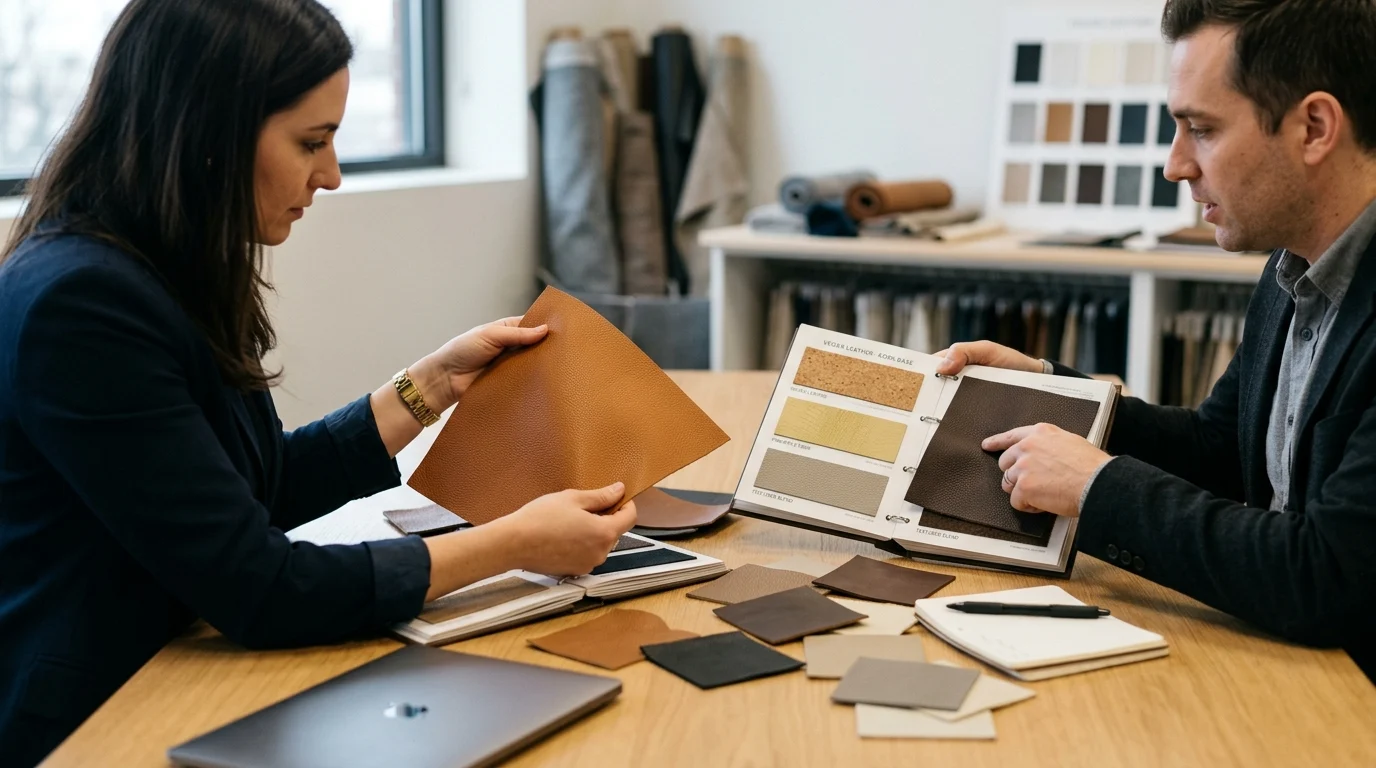
Walk into any modern retail store, and you will spot vegan leather everywhere, from fast-fashion jackets to high-end luxury handbags and sleek modern sofas. The popularity of these materials isn’t just a win for animal rights advocates; it is a massive operational advantage for manufacturers.
By switching from natural hides to engineered synthetics, brands often see raw material costs drop by 30% to 50%, allowing for much healthier profit margins while keeping retail prices accessible.
How brands use vegan leather to meet demand
Brands use vegan leather to meet surging consumer demand for cruelty-free goods, but they also rely on it to scale production efficiently. In the automotive sector, major players are shifting to 100% vegan interiors to cater to eco-conscious drivers while standardizing their assembly lines. Furniture manufacturers favor it because it provides a uniform look across massive sectional sofas, completely bypassing the natural scars, bite marks, and color variations that make real leather notoriously difficult to match.
Why buyers value price and styling flexibility
For buyers, the styling flexibility and price predictability are unbeatable. Natural leather comes in irregularly shaped hides, meaning anywhere from 20% to 30% of the material ends up as unusable cutting waste. Vegan leather, on the other hand, comes in continuous rolls—typically 1.37 meters (54 inches) wide.
This standardized format allows for hyper-efficient pattern cutting and virtually zero material waste. Furthermore, synthetics can be embossed with any exotic texture—from ostrich to crocodile—and dyed to match precise Pantone colors. This gives designers total creative freedom without the premium price tag of dyed natural exotic hides.
How Vegan Leather Compares With Real Leather
Putting vegan leather head-to-head with natural leather reveals distinct trade-offs. While synthetics have largely closed the gap in visual appeal and initial softness, the physical structures of these materials behave very differently under stress, heat, and time.
Real leather is famous for its longevity, often lasting 20 to 50 years if properly conditioned. In contrast, standard PU leather usually has a functional lifespan of 3 to 5 years before the top coat begins to crack, peel, or delaminate.
Which performance factors matter most
When evaluating performance, breathability and tensile strength are the factors that matter most. Natural leather is porous; it breathes, absorbs body oils, and develops a unique, desirable patina over time. Most vegan leathers are essentially plastic-coated fabrics, meaning they repel water and stains brilliantly but trap heat against the skin.
Tensile strength is another dividing line. While real leather fibers are densely interwoven by nature, a vegan leather’s strength relies entirely on its backing fabric. If the backing is weak or poorly bonded to the top coat, the material will stretch out of shape or tear under pressure.
What a useful comparison table should include
To make informed sourcing decisions, buyers need to compare these materials side-by-side. A useful comparison table should highlight the practical differences in cost, durability, and maintenance expectations.
| Material Type | Average Lifespan | Breathability | Water Resistance | Maintenance Needs |
|---|---|---|---|---|
| Real Leather | 20+ years | High | Low (requires treatment) | High (conditioning needed) |
| PU Leather | 3–5 years | Moderate | High | Low (wipe clean) |
| PVC Leather | 5–10 years | Very Low | Very High | Low (wipe clean) |
| Bio-Based Leather | 2–5 years | Moderate | Moderate to High | Medium (varies by binder) |
What Buyers Should Check Before Sourcing Vegan Leather
Sourcing vegan leather is much more complex than just flipping through a swatch book and picking an attractive shade of brown. Because it is a highly engineered textile, its physical and chemical properties can be tweaked endlessly.
A buyer must verify technical specifications to ensure the material won’t fail in the wild. For instance, a fabric meant for commercial upholstery needs an abrasion resistance of at least 50,000 to 100,000 Martindale rubs, whereas a casual fashion handbag might only require 10,000 rubs.
Which specs, tests, and compliance documents to review
Reviewing specs, tests, and compliance documents is non-negotiable for serious sourcing. Buyers need to check for REACH compliance in Europe or Proposition 65 in California, which strictly limit harmful chemicals like phthalates, lead, and heavy metals commonly used in cheap PVC manufacturing.
Always ask suppliers for third-party lab reports covering colorfastness to UV light, seam slippage, and flex resistance. If a material fails a flex test, it will quickly develop unsightly creases and cracks when used in high-movement items like shoes or seating.
How coating, backing, and MOQ affect selection
The way the material is built directly impacts your logistics and product quality. The backing fabric—whether woven, non-woven, or knitted—determines how much the leather stretches. A knitted backing is great for tight apparel, while a rigid woven backing is better for structured luggage.
Minimum Order Quantities (MOQs) also dictate sourcing strategies. Custom colors or specific embossed textures usually require an MOQ of 500 to 1,000 meters per run. However, if you are sourcing off-the-shelf stock colors, suppliers might allow highly flexible trial orders as low as 50 meters.
How to match material to the end product
Matching the material to the end product often comes down to thickness and hand-feel. As a general rule, garments require a highly drapable thickness of 0.5 mm to 0.8 mm so they move naturally with the body.
Shoes and handbags need more structure to hold their shape, typically falling in the 1.0 mm to 1.2 mm range. For heavy-duty furniture or automotive interiors, you should be looking at 1.2 mm to 1.5 mm materials with a heavy-duty backing to withstand constant compression and friction.
How Brands Can Decide If Vegan Leather Is the Right
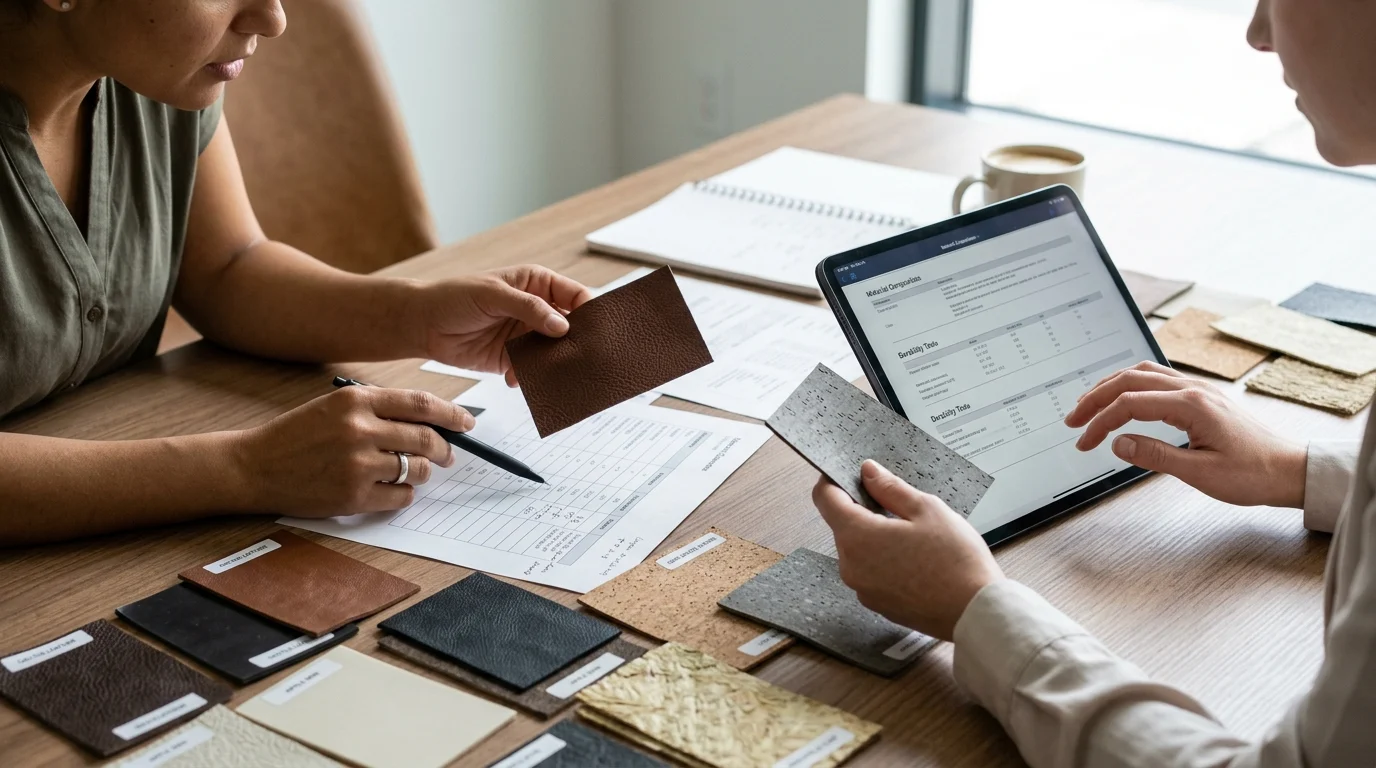
Ultimately, deciding whether to use vegan leather comes down to aligning material costs with brand values and customer expectations. The financial spectrum for these materials is surprisingly broad.
Basic PU leather can cost as little as $2 to $5 per meter, making it a no-brainer for budget-conscious brands. On the flip side, highly engineered bio-based leathers can run $30 to $50+ per meter, placing them squarely in the premium or accessible luxury categories.
When vegan leather fits different product categories
Vegan leather fits perfectly into product categories where consumers prioritize cruelty-free claims, easy maintenance, or trend-driven aesthetics over multi-decade durability. It is a fantastic choice for fast-fashion footwear, trendy seasonal accessories, and hospitality furniture that requires constant sanitization and wipe-downs.
However, for heritage items meant to be passed down through generations—like bespoke boots, premium saddlery, or heirloom furniture—synthetic options usually fall short of the aging and patina expectations of the buyer.
How to choose between synthetic, bio-based, and real leather
Choosing between synthetic, bio-based, and real leather requires a clear understanding of your target demographic and bottom line. If your buyers are price-sensitive but want a premium look, standard PU is the way to go. If your brand identity is built on sustainability and innovation, investing in bio-based alternatives offers a great marketing narrative, despite the higher price tag.
| Brand Priority | Best Material Match | Key Advantage | Primary Drawback |
|---|---|---|---|
| Budget & Consistency | Standard PU / PVC | Low cost ($2–$5/m), zero cutting waste | Petroleum-based, shorter lifespan |
| Eco-Innovation | Bio-Based (Cactus, Apple) | Strong sustainability marketing, cruelty-free | High cost ($30+/m), relies on plastic binders |
| Heritage & Longevity | Real Animal Leather | Develops natural patina, lasts 20+ years | High cost, high cutting waste (20–30%) |
Making the right call ensures that the material not only looks incredible on the showroom floor but also performs exactly how your customer expects it to in everyday life.
Key Takeaways
- The most important conclusions and rationale for vegan leather
- Specs, compliance, and risk checks worth validating before you commit
- Practical next steps and caveats readers can apply immediately
Frequently Asked Questions
What is vegan leather made from?
It is usually made from PU, PVC, or bio-based materials like cactus or apple waste, often backed with fabric for strength.
Is PU vegan leather better than PVC?
For most fashion and upholstery uses, yes. PU is softer, more flexible, and more breathable, while PVC is stiffer but often more water-resistant.
How long does vegan leather typically last?
Standard PU vegan leather usually lasts about 3 to 5 years in regular use before cracking or peeling may appear.
Why do manufacturers prefer vegan leather in rolls?
Roll goods improve cutting efficiency, reduce waste, and provide consistent color and texture across large production runs.
Are bio-based vegan leathers completely plastic-free?
Usually not. Many commercial bio-based options still use 30% to 70% PU or PLA binders to meet durability requirements.