
Introduction
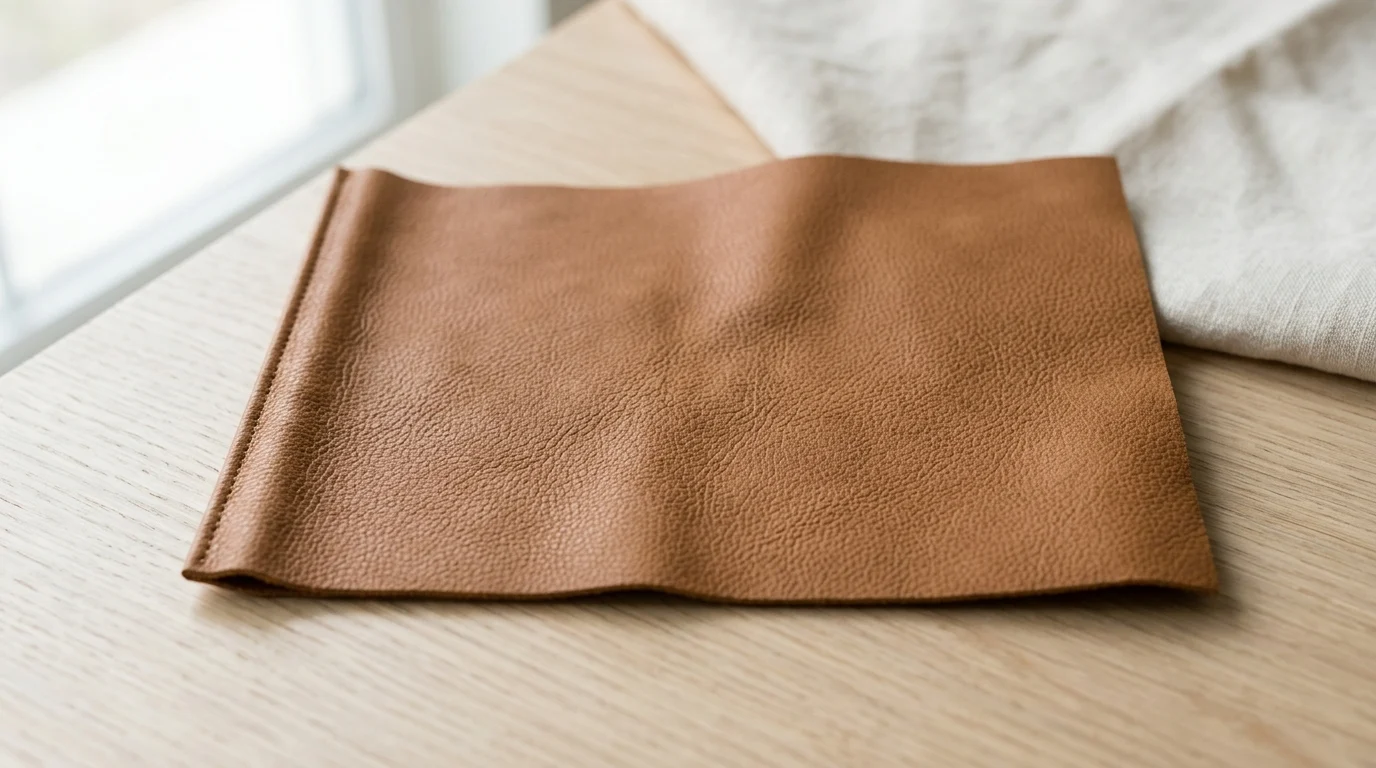
Microfiber leather is a synthetic material engineered to imitate the look and feel of natural leather while improving consistency, weight, and performance for footwear production. In shoes, it is widely used because it offers reliable thickness, strong abrasion resistance, easier cutting in mass manufacturing, and a more controlled cost than animal hides. It also helps brands address practical concerns such as waste reduction, stable supply, and design flexibility across different shoe categories. This article explains what microfiber leather is made of, how it compares with genuine leather, and why manufacturers and buyers increasingly choose it for modern footwear.
Why microfiber leather matters in footwear
Microfiber leather has fundamentally transformed global footwear manufacturing, shifting the industry paradigm away from an exclusive reliance on natural hides. As consumer expectations for durability, lightweight performance, and ethical sourcing converge, synthetic material science has advanced to meet these demands without compromising on aesthetics. For procurement teams and footwear designers, understanding the strategic value of microfiber substrates is no longer optional—it is a baseline requirement for remaining competitive in modern shoe production.
The integration of engineered synthetics directly addresses the historical inefficiencies associated with footwear mass production. By offering high-performance physical traits in a highly standardized format, microfiber polyurethane (PU) leather allows manufacturers to scale production rapidly while maintaining strict quality control tolerances across millions of units.
How it fits current footwear sourcing strategies
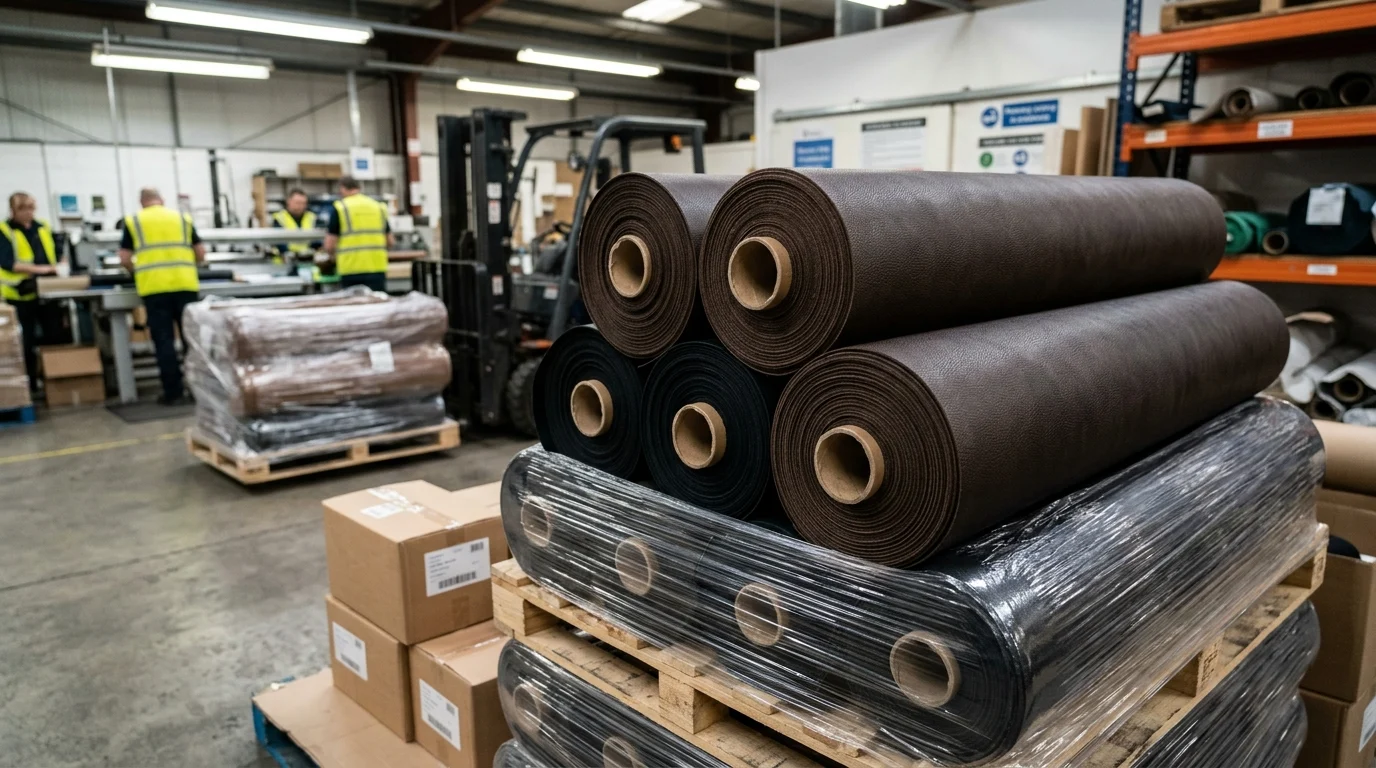
Traditional animal hides present significant challenges in high-volume footwear production due to natural irregularities, scars, and inconsistent thickness. Microfiber leather fits seamlessly into modern, lean sourcing strategies by offering a continuous roll format that achieves a cutting yield of 92% to 98%. In stark contrast, genuine leather typically yields only 60% to 75% of usable area. This drastic reduction in cutting scrap directly lowers the bill of materials (BOM) cost per shoe and minimizes industrial waste.
Furthermore, the standardized width of microfiber rolls—usually 54 inches (137 cm)—allows factories to utilize automated CNC and laser cutting machinery at maximum efficiency. This automation reduces labor overhead and accelerates throughput, aligning perfectly with the aggressive lead times demanded by fast-fashion and high-performance athletic brands.
Why brands and factories are reassessing material choices
Footwear brands and contracted tier-1 factories are actively reassessing their material supply chains to mitigate the extreme price volatility inherent in the raw animal hide market. Agricultural fluctuations, environmental regulations on tanneries, and changing beef consumption patterns all create unpredictable cost spikes for genuine leather.
By transitioning to microfiber substrates, procurement teams can negotiate stable pricing contracts over 12- to 18-month cycles, heavily insulating their profit margins. Additionally, as corporate ESG (Environmental, Social, and Governance) mandates become stricter, brands are pivoting to microfiber leather to drastically reduce the water consumption and toxic effluent associated with traditional chrome tanning processes.
What microfiber leather is and how it is made
Understanding the technical composition of microfiber synthetic leather is essential for sourcing engineers tasked with matching material specifications to rigorous footwear performance testing. Unlike early-generation synthetics that merely simulated the look of leather, true microfiber leather replicates its microscopic architecture, resulting in superior mechanical properties.
Structure, base materials, and production process
Microfiber leather is an advanced synthetic material engineered to mimic the bundled collagen fiber structure of natural leather. The production process begins with sophisticated “sea-island” fiber technology, which creates ultra-fine synthetic yarns measuring between 0.001 and 0.0001 denier. To put this in perspective, these microfibers are up to 100 times finer than a human hair.
These microscopic polyamide (nylon) or polyester fibers are mechanically entangled through a rigorous needle-punching process, creating a dense, three-dimensional non-woven matrix. This base matrix is subsequently impregnated with high-grade polyurethane (PU) resins. The PU acts as a binder, filling the microscopic voids between the fibers to form a cohesive, highly durable substrate that behaves remarkably like the dermis layer of an animal hide.
Key specifications for shoe-grade microfiber leather
Shoe-grade microfiber requires strict adherence to physical specifications to withstand the extreme mechanical stresses of lasting, stitching, and daily pedestrian wear. Standard upper materials for casual and athletic footwear typically range from 1.2mm to 1.8mm in thickness, while lining materials sit between 0.6mm and 0.8mm to ensure comfort and flexibility.
| Specification | Target Range for Footwear Uppers | Standard Test Method |
|---|---|---|
| Thickness | 1.2mm – 1.8mm | ISO 2589 |
| Tear Strength | > 40 N/mm | ISO 3377-2 |
| Peel Strength | > 3.0 kg/3cm | ISO 11644 |
| Flex Resistance | > 100,000 cycles (ambient) | ISO 5402 |
| Color Fastness | Grade 4 – 5 | ISO 105-X12 |
Engineers must heavily scrutinize peel strength and flex resistance. A peel strength below 3.0 kg/3cm can result in the surface coating delaminating from the microfiber base during the high-heat toe-lasting process, leading to catastrophic defect rates on the assembly line.
How microfiber leather compares with other footwear materials
Selecting the optimal upper material requires benchmarking microfiber leather against both traditional animal hides and conventional synthetic alternatives. Procurement decisions must balance physical attributes, lifecycle longevity, and unit economics to deliver a product that meets the target demographic’s expectations.
Microfiber leather vs genuine leather
When evaluated against genuine leather, microfiber PU offers distinct advantages in weight and uniformity. Microfiber is consistently 30% to 50% lighter than bovine leather of the identical thickness—a critical performance factor for running shoes and lightweight tactical boots. Microfiber also boasts superior inherent water resistance and is immune to the rot or mildew that can affect improperly treated animal hides.
However, premium full-grain leather historically retained an edge in natural breathability and moisture-wicking capabilities. To combat this, modern chemical engineers have developed advanced microfibers with porous, water-borne PU coatings that significantly narrow the breathability gap, achieving moisture vapor permeability rates exceeding 300g/m²/24h.
Microfiber leather vs standard synthetic leather
The fundamental distinction between high-end microfiber leather and standard synthetic leather (basic PU or PVC) lies in the base layer construction. Standard synthetics utilize a basic woven or knitted fabric backing. This traditional backing makes standard PU susceptible to edge fraying, poor tear resistance, and rapid structural breakdown under repeated flexing.
Microfiber’s 3D non-woven structure prevents these mechanical failures. More importantly, standard PU materials are highly vulnerable to hydrolysis—the chemical breakdown of the polymer in humid conditions—often cracking and peeling within 1 to 2 years. High-grade microfiber leather utilizes premium resins that offer a hydrolysis resistance of 3 to 5 years, drastically extending the footwear’s usable lifecycle.
Performance factors buyers should compare
Procurement engineers and product developers must weigh these physical attributes against production costs and factory capabilities. The following matrix outlines the comparative performance factors vital for global sourcing decisions.
| Material Type | Cutting Yield | Weight (per sq. meter) | Relative Cost | Hydrolysis Resistance |
|---|---|---|---|---|
| Genuine Leather (Bovine) | 60% – 75% | 800g – 1000g | High | Excellent (if maintained) |
| Microfiber PU | 92% – 98% | 400g – 600g | Medium | 3 – 5 Years |
| Standard PU Synthetic | 90% – 95% | 350g – 500g | Low | 1 – 2 Years |
By analyzing this data, buyers can clearly see that while standard PU offers the lowest upfront cost, microfiber provides the optimal intersection of high cutting yield, weight reduction, and long-term durability necessary for mid-to-high-tier footwear.
What sourcing and compliance factors buyers should evaluate
Transitioning a footwear line to microfiber leather requires rigorous vetting of supply chain parameters, chemical compliance frameworks, and factory capabilities. A failure to control these sourcing variables can lead to missed delivery windows, customs seizures, or costly product recalls.
Cost, MOQ, and lead time considerations
Cost structures for footwear-grade microfiber generally range from $6.00 to $12.00 per linear yard, heavily dependent on the material’s thickness, custom embossing, and raw material purity. High-performance variants, such as those engineered for extreme abrasion resistance or flame retardancy, can exceed $15.00 per yard.
Material factories typically impose Minimum Order Quantities (MOQs) of 300 to 500 meters per color or texture to justify the setup costs of the continuous coating lines. Standard production lead times hover between 15 and 25 days. Footwear brands must build these lead times into their critical path schedules, ensuring that material arrives at the shoe assembly factory well before the cutting lines are scheduled to start.
Testing and chemical compliance requirements
Chemical compliance is non-negotiable in modern footwear sourcing. Microfiber leather must meet stringent international regulatory standards, including the European Union’s REACH directive and California’s Proposition 65. A primary focus for environmental health and safety (EHS) teams is the restriction of Dimethylformamide (DMFa), a toxic solvent traditionally used in the coagulation process of PU production.
Leading tier-1 suppliers now offer DMF-free or water-borne PU microfibers that guarantee DMFa concentrations remain strictly below the 30 ppm threshold required by major global athletic brands. Buyers must explicitly outline these chemical limits in their vendor manuals and require signed compliance declarations prior to issuing purchase orders.
Supplier qualification and risk control
Effective risk control demands thorough supplier qualification and continuous oversight. Sourcing teams should mandate comprehensive Technical Data Sheets (TDS) for every material batch and conduct third-party laboratory testing via certified bodies like SGS, Intertek, or TÜV Rheinland before authorizing bulk shipment.
Additionally, auditing material suppliers for ISO 9001 (Quality Management) ensures consistent lot-to-lot reliability. For brands pushing sustainability initiatives, verifying that the supplier holds the Global Recycled Standard (GRS) certification is crucial when sourcing microfibers manufactured with recycled PET base fibers, ensuring verifiable chain-of-custody for all eco-friendly claims.
When microfiber leather is the right choice for shoes
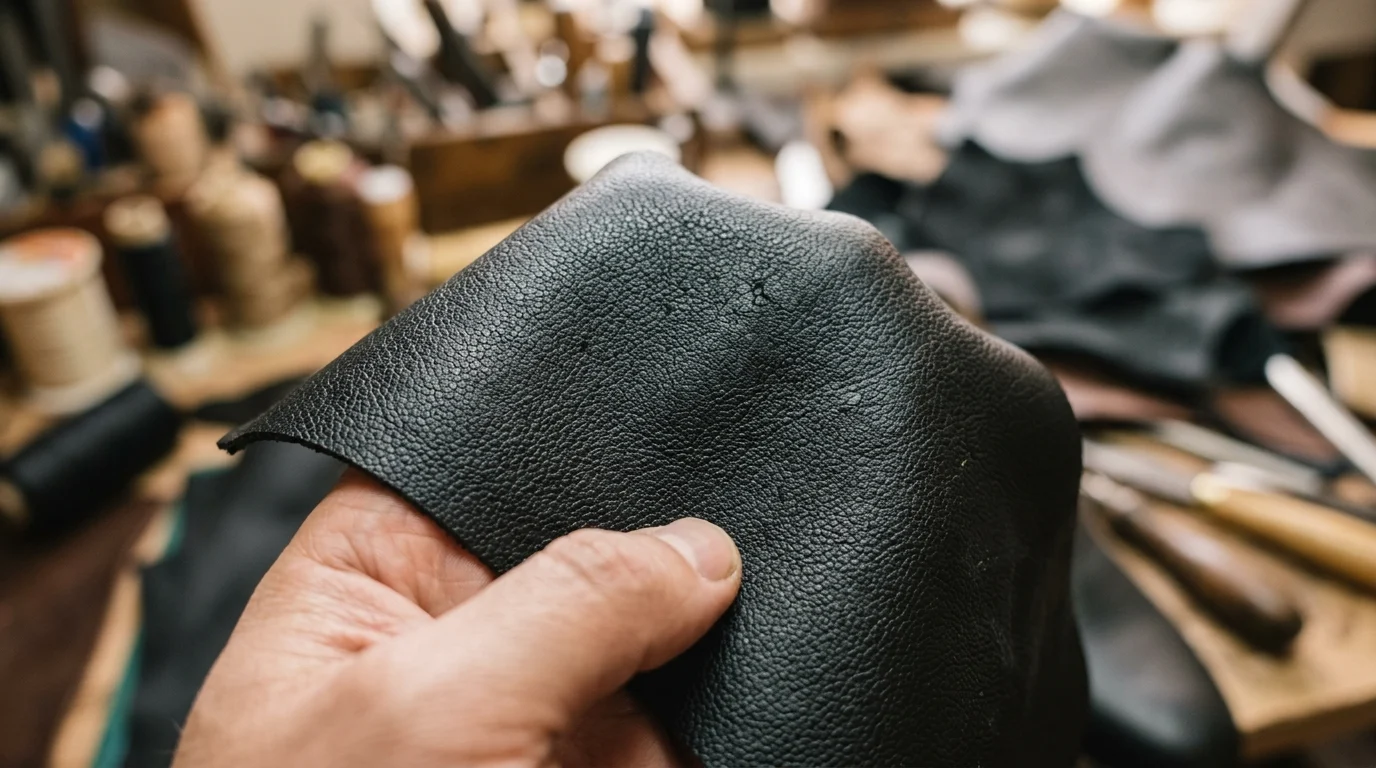
While microfiber leather offers broad utility across the manufacturing spectrum, its application must be strategically aligned with the specific performance demands, margin requirements, and market positioning of the target footwear category.
Best footwear categories and use cases
Microfiber leather excels in high-stress, precision-driven footwear categories. In athletic, court, and running shoes, its lightweight nature, dimensional stability, and ability to be seamlessly welded (via TPU overlays) directly improve athletic performance. The material is also highly favored in outdoor trekking and golf shoes due to its superior hydrophobic properties compared to untreated natural leather.
For industrial safety boots, heavy-duty microfiber easily achieves the EN ISO 20345 standard requirement for tear resistance exceeding 120N. It also offers superior resistance to industrial acids, alkalis, and machine oils. Furthermore, microfiber serves as the foundational, non-negotiable upper material for the rapidly expanding 100% vegan fashion footwear sector, allowing premium brands to offer luxury aesthetics without animal derivatives.
How to make the final material decision
Making the final material decision requires cross-functional collaboration between design, engineering, and sourcing departments. Design teams must verify that the selected microfiber holds lasting shapes, accommodates complex stitching without tearing, and accepts high-frequency embossing.
Simultaneously, sourcing teams must validate that the $6.00 to $12.00 per yard material cost fits within the strict target FOB price of the finished shoe. By rigorously balancing these quantitative performance metrics with qualitative brand sustainability goals, footwear manufacturers can leverage microfiber leather to produce highly durable, profitable, and market-ready products that resonate with modern consumers.
Key Takeaways
- The most important conclusions and rationale for microfiber leather
- Specs, compliance, and risk checks worth validating before you commit
- Practical next steps and caveats readers can apply immediately
Frequently Asked Questions
What is microfiber leather in shoes?
It is a synthetic material made from ultra-fine fibers and PU resin, designed to mimic leather structure. In shoes, it offers a leather-like look with more consistent thickness, strength, and cutting efficiency.
Why do footwear manufacturers use microfiber leather?
Manufacturers use it for stable quality, high cutting yield, and easier automation. Roll-format material reduces waste, supports CNC cutting, and helps control BOM cost in large-volume shoe production.
Is microfiber leather durable enough for shoe uppers?
Yes, shoe-grade microfiber is built for flexing, stitching, and daily wear. For uppers, buyers often check thickness of 1.2–1.8 mm, strong peel strength, and flex resistance above 100,000 cycles.
How is microfiber leather better than genuine leather for sourcing?
It offers more uniform thickness, fewer natural defects, and more predictable pricing. This helps brands and factories plan long production runs with tighter quality control and lower material waste.
Can HAOHAO support bulk microfiber leather projects for footwear brands?
Yes, HAOHAO supports scalable footwear programs with 3 factories, 20+ years of experience, and R&D-to-production service. This is useful for buyers needing consistent supply, development support, and reliable lead times