
Why PU Lining Is a Strategic Material Choice
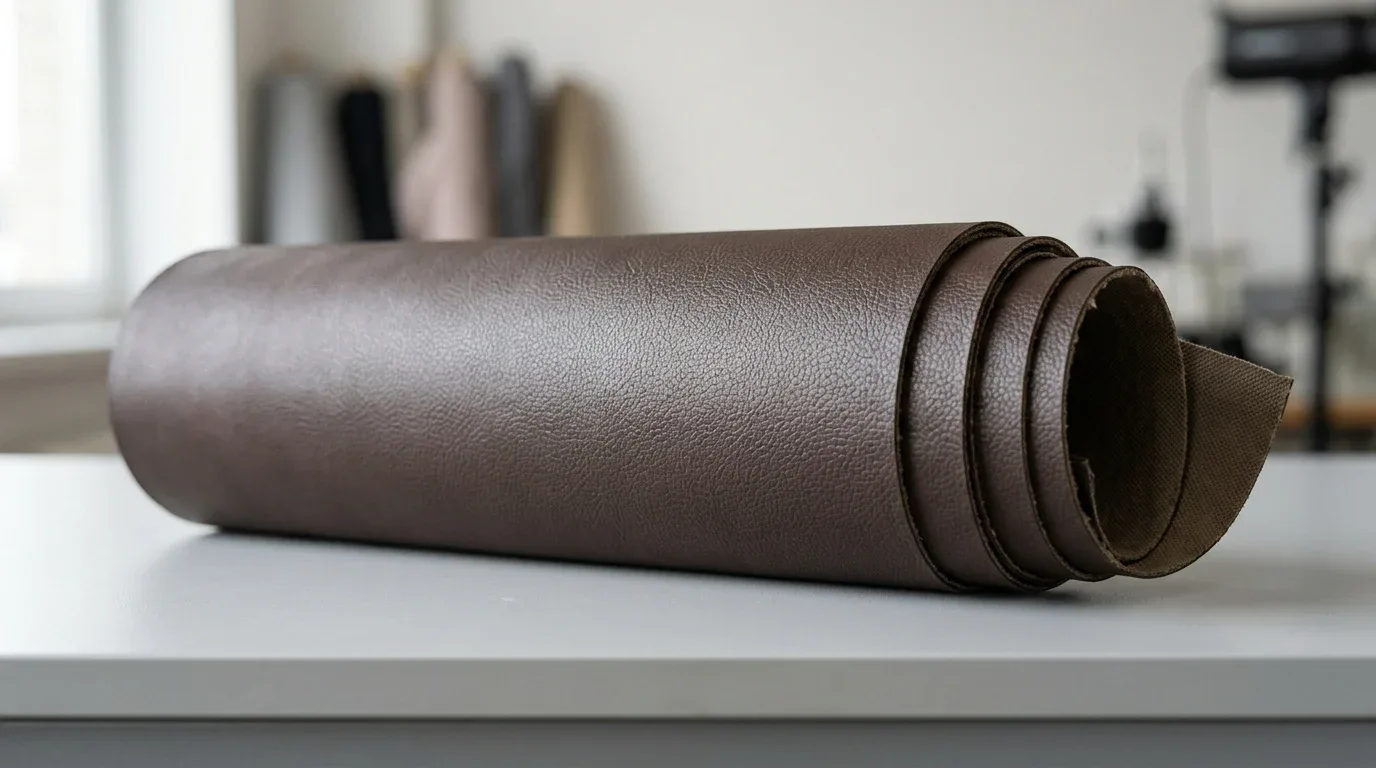
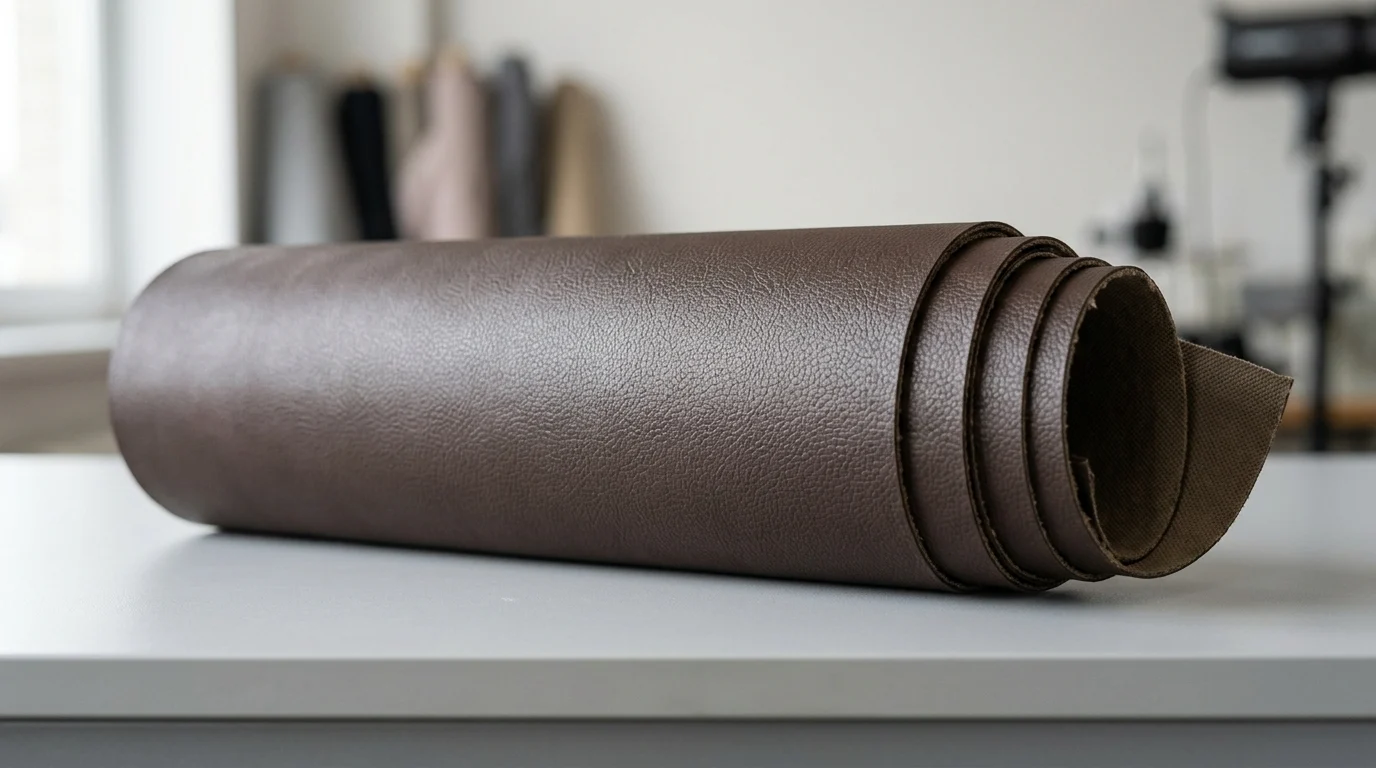
Polyurethane (PU) lining has emerged as a cornerstone material in the manufacturing of modern bags, wallets, and small leather goods. For B2B procurement teams and product developers, selecting the right interior material is no longer an afterthought; it is a critical variable in the overall bill of materials (BOM). PU lining offers a sophisticated balance of aesthetics, structural integrity, and economic viability that traditional textiles struggle to match.
As global supply chains adapt to changing retail expectations, synthetic leather technologies have evolved significantly. High-grade PU materials now replicate the tactile properties of genuine leather interiors while providing superior consistency in roll width and minimal defect rates. This predictability allows manufacturers to scale production efficiently, minimizing waste and optimizing cutting yields across large-volume orders.
How PU lining affects product positioning and cost control
The choice of interior lining directly impacts a product’s retail positioning and the manufacturer’s profit margins. By substituting genuine leather interiors with advanced PU lining, brands can reduce interior material costs by 40% to 60% without compromising the premium unboxing experience. For a mid-tier handbag, this can translate to a BOM saving of $3.00 to $5.00 per unit, allowing brands to reallocate capital toward exterior hardware or marketing.
Furthermore, PU lining provides structural benefits that enhance perceived value. Unlike thin fabrics that drape loosely, PU adds a subtle rigidity to bag compartments and wallet card slots. This structural reinforcement ensures that the product maintains its shape on retail display shelves, signaling high manufacturing standards to wholesale buyers and end consumers alike.
Why wholesale buyers are shifting from traditional linings
Wholesale buyers are increasingly pivoting away from traditional cotton, polyester, and nylon linings due to performance limitations and aesthetic constraints. Woven fabrics are prone to fraying at the seams, tearing under heavy loads, and absorbing spills, which leads to high return rates and brand dilution. In contrast, PU lining provides a wipe-clean, non-porous surface that extends the product’s lifespan.
Additionally, the shift is driven by the declining popularity of Polyvinyl Chloride (PVC). While PVC was historically favored for its low cost, tightening environmental regulations and consumer aversion to toxic plasticizers have rendered it a liability for global distribution. Modern PU lining bridges the gap, offering the sleek, luxurious finish of high-end materials while meeting stringent international compliance standards.
PU Lining Basics and Key Technical Specifications
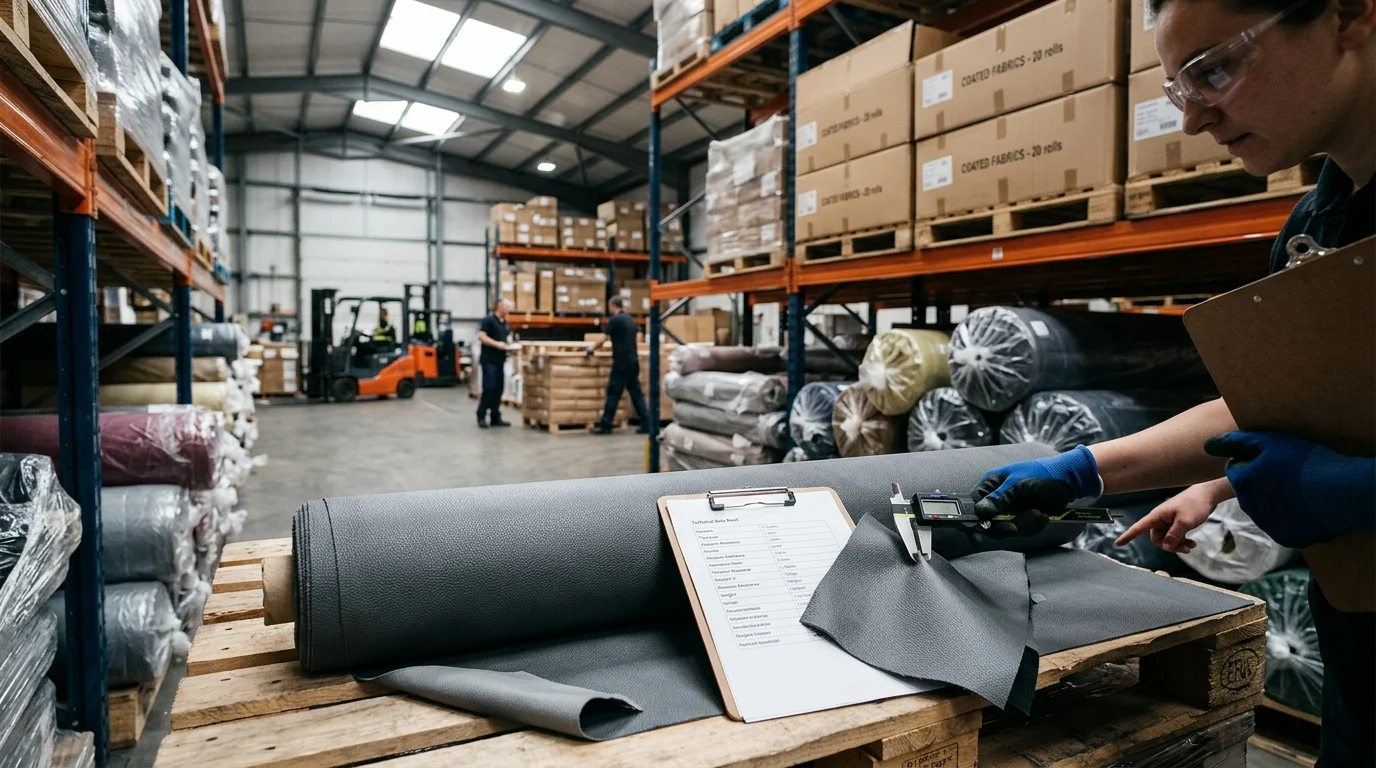
To procure the correct PU lining for specific bag or wallet applications, buyers must understand the technical architecture of synthetic leather. PU lining is a composite material, typically consisting of a polyurethane coating applied over a textile substrate. The precise engineering of these layers dictates the material’s flexibility, weight, and longevity.
Material constructions, thickness ranges, and backing options
The physical specifications of PU lining are primarily defined by its overall thickness and the nature of its backing material. For interior applications, material thickness generally ranges from 0.4mm to 0.8mm. Thinner variants are utilized for intricate wallet folds, while thicker versions provide necessary bulk for luggage compartments. The backing fabric—whether woven, non-woven, or knitted—determines the material’s stretch and tear resistance.
| Lining Thickness | Backing Material | Ideal Bag/Wallet Application |
|---|---|---|
| 0.4mm – 0.5mm | Non-woven / Knitted | Small wallets, cardholders, soft pouches |
| 0.6mm – 0.7mm | Woven / Spunlace | Mid-sized handbags, structured totes |
| 0.8mm+ | Woven / Microfiber base | Heavy-duty luggage interiors, premium briefcases |
Selecting the correct backing is crucial for the manufacturing process. A woven backing offers high tensile strength and zero stretch, making it ideal for load-bearing tote bags. Conversely, a knitted backing provides multidirectional stretch, allowing the lining to conform smoothly around curved bag corners without puckering.
How to evaluate hand feel, abrasion resistance, and durability
Beyond basic construction, procurement teams must evaluate the material’s performance metrics through standardized laboratory testing. Hand feel, while subjective, is often engineered through surface treatments and embossing rollers to mimic calfskin or lambskin. However, durability must be quantified objectively.
Abrasion resistance is typically measured using the Martindale or Wyzenbeek test methods. A high-quality PU lining for bags should withstand a minimum of 20,000 to 30,000 rubs without showing surface degradation. For high-friction areas, such as the interior of a frequently used wallet, specifications may demand up to 50,000 rubs.
Peel strength is another critical metric, ensuring the PU coating does not delaminate from the backing fabric over time. B2B buyers should specify a peel strength of at least 2.5 kg/3cm. Materials failing this threshold are likely to blister or peel in humid climates, leading to catastrophic product failure.
How PU Lining Compares with Fabric, PVC, and Microfiber
Material selection is rarely a binary decision; it involves benchmarking PU lining against alternative options such as basic textiles, PVC, and premium microfiber. Understanding the comparative advantages and limitations of each material empowers procurement teams to align their sourcing strategy with their brand’s target demographic and price point.
Comparison criteria buyers should use
When comparing interior materials, buyers must evaluate cost per yard, physical durability, environmental compliance, and aesthetic value. While basic fabrics offer the lowest entry price, they lack the structural support required for structured leather goods. Microfiber represents the pinnacle of synthetic luxury but comes with a prohibitive cost for mass-market items.
| Material | Estimated Cost per Yard | Abrasion Resistance (Martindale) | Eco-Compliance (REACH) | Primary B2B Use Case |
|---|---|---|---|---|
| Cotton/Poly Fabric | $0.80 – $1.50 | 10,000 – 15,000 rubs | High | Entry-level fast fashion |
| PVC Lining | $0.90 – $1.30 | 15,000 – 20,000 rubs | Low (Phthalate risks) | Budget promotional items |
| PU Lining | $1.50 – $3.50 | 20,000 – 50,000 rubs | High (Water-based options) | Mid-tier to premium retail |
| Microfiber | $4.50 – $8.00 | 50,000+ rubs | Very High | Luxury goods, automotive |
When PU lining is the better sourcing choice
PU lining emerges as the optimal sourcing choice for mid-tier to accessible-luxury brands. It is specifically advantageous when designing products that require internal organization, such as laptop bags or multi-slot wallets. The material’s ability to be skived (thinned at the edges) allows factories to create crisp, folded edges on card slots without the bulky seams associated with standard fabrics.
Furthermore, PU is the superior choice when brand identity demands a cohesive, leather-like aesthetic inside and out, but the budget cannot accommodate full-grain leather interiors. By utilizing a $2.50/yard PU lining instead of an $8.00/yard microfiber, a manufacturer can maintain a premium brand image while protecting wholesale margins.
What to Check When Sourcing PU Lining
Successfully integrating PU lining into a mass-production pipeline requires rigorous vetting of suppliers. B2B buyers must navigate a complex landscape of minimum order quantities, compliance certifications, and quality control protocols to mitigate supply chain risks.
MOQ, sample approval, color matching, and lead time
Standard Minimum Order Quantities (MOQ) for custom-colored PU lining typically range from 500 to 1,000 meters per colorway. Buyers managing smaller production runs should seek suppliers with extensive in-stock catalogs, which may offer reduced MOQs of 50 to 100 meters for standard colors like black, beige, and navy.
The sample approval and color matching phase is a critical bottleneck. Leading manufacturers utilize spectrophotometers to ensure color consistency, aiming for a color difference tolerance (Delta E) of less than 1.0. Procurement teams should anticipate lead times of 3 to 7 days for lab dip approvals, followed by 15 to 25 days for bulk production, excluding maritime transit times.
Compliance, testing, and documentation requirements
Global distribution requires strict adherence to chemical compliance standards. Buyers exporting to the European Union must ensure the PU lining is REACH compliant, while those targeting the United States must monitor California Proposition 65 regulations.
Critical testing parameters include the restriction of heavy metals, azo dyes, and phthalates (which must typically remain below 0.1% by weight). Additionally, the presence of Dimethylformamide (DMFa)—a solvent traditionally used in PU manufacturing—is heavily scrutinized. Forward-thinking buyers are increasingly specifying water-based PU (WBPU) linings, which eliminate DMFa entirely, achieving a 0 ppm threshold and significantly reducing volatile organic compound (VOC) emissions.
Supplier capabilities that reduce sourcing risk
To reduce sourcing risk, buyers should partner with suppliers demonstrating robust vertical integration and certified quality management systems, such as ISO 9001. A vertically integrated supplier controls both the base textile weaving and the chemical coating processes, reducing the likelihood of inter-batch discrepancies.
Furthermore, buyers should inquire about automated inspection capabilities. Tier-1 synthetic leather manufacturers utilize computerized optical inspection machines that scan every meter of the finished roll, automatically flagging surface defects, pinholes, or color variations larger than 1mm. This automated QA process ensures that the cutting floor receives maximum usable yardage, protecting the buyer’s yield calculations.
How to Decide if PU Lining Is Right for Your
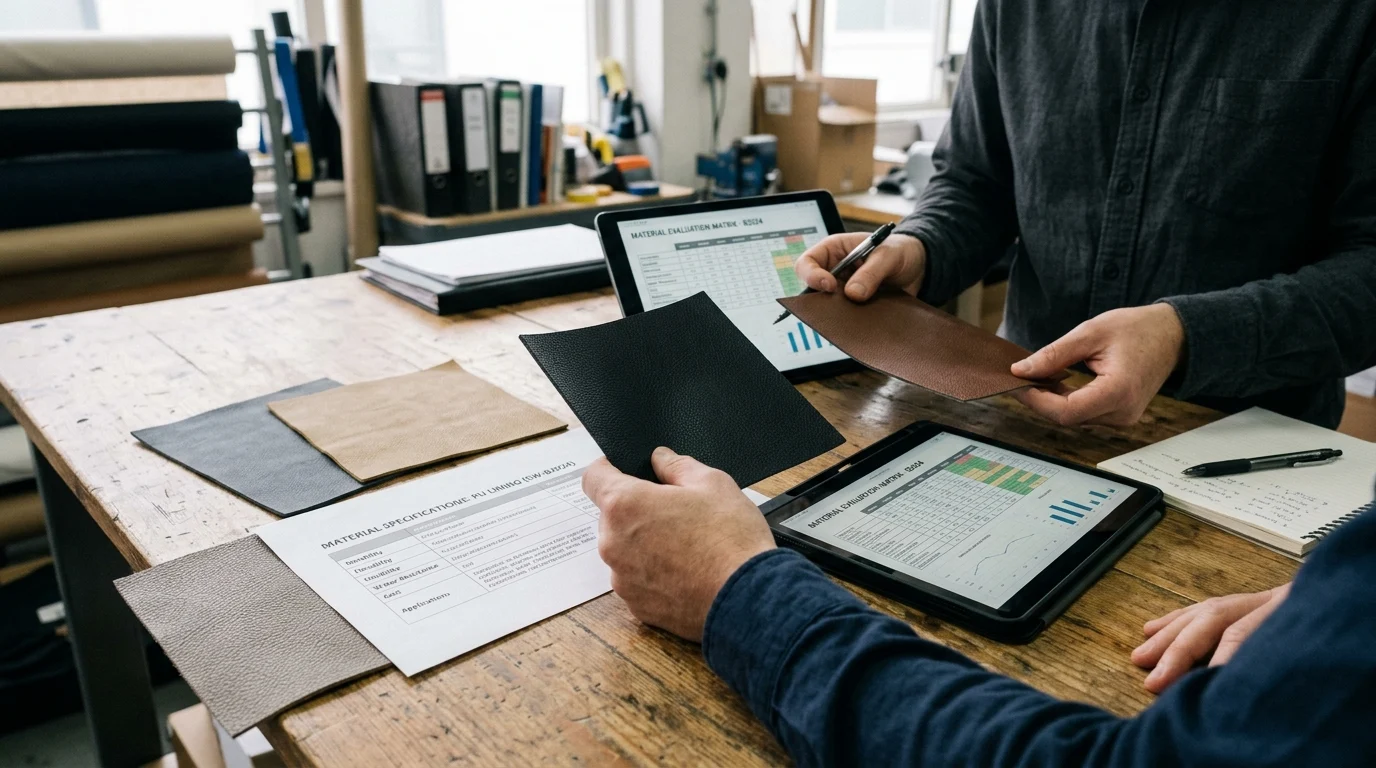
Determining whether PU lining is the optimal material for a specific product line requires a strategic evaluation of the product’s intended lifecycle, the brand’s market positioning, and the factory’s manufacturing capabilities.
A step-by-step evaluation process for buyers
Procurement teams should adopt a systematic approach to material evaluation. First, define the retail price ceiling and calculate the allowable BOM cost for the interior assembly. If the budget permits $1.50 to $3.50 per yard for lining, PU is the definitive target category.
Next, request physical A4 swatches to evaluate hand feel, grain pattern, and flexibility. Once a shortlist is established, order a 5-to-10-yard sample roll for prototyping. Factory technicians must test the material on the actual production line to verify how it responds to cutting, skiving, gluing, and stitching. Finally, submit the prototype to a third-party laboratory (such as SGS or Intertek) to validate abrasion resistance and chemical compliance before authorizing bulk purchase orders.
How to balance performance, branding, and cost
Ultimately, the adoption of PU lining is an exercise in balancing performance, brand perception, and cost efficiency. For brands transitioning away from genuine leather interiors, high-grade PU offers a seamless aesthetic match that can yield a 20% to 30% improvement in gross margins per unit.
By treating the interior lining not just as a hidden component, but as a core element of the product’s structural and aesthetic identity, B2B buyers can elevate their merchandise. Establishing long-term partnerships with innovative synthetic leather manufacturers ensures continuous access to the latest material advancements, securing a competitive advantage in the fast-paced global accessories market.
Key Takeaways
- Wholesale sourcing and supply-chain implications for PU Lining (
- Specifications, compliance, and commercial terms buyers should validate
- Actionable recommendations for distributors and procurement teams
Frequently Asked Questions
What is PU lining in bags and wallets?
PU lining is a polyurethane-coated interior material bonded to a fabric base. It gives bags and wallets a clean leather-like look, added structure, and easier maintenance than many traditional textile linings.
Why do modern bags and wallets prefer PU lining?
Brands prefer PU lining because it balances appearance, durability, and cost. It helps compartments hold shape, wipes clean easily, and can reduce interior material costs versus genuine leather.
What PU lining thickness is best for different products?
Use 0.4–0.5mm for wallets and small pouches, 0.6–0.7mm for handbags and totes, and 0.8mm+ for luggage or briefcases. Match thickness to the product’s fold, load, and structure needs.
How do I choose the right backing for PU lining?
Choose woven backing for higher strength and low stretch, knitted backing for curved shapes and flexibility, and non-woven options for lighter small goods. The right backing improves sewing stability and final shape.
Can HAOHAO support large-scale PU lining development and supply?
Yes. HAOHAO offers scalable R&D-to-production support with 3 specialized factories, 20+ years of expertise, and broad synthetic leather capability for luggage, wallets, handbags, and other B2B applications.