
Introduction
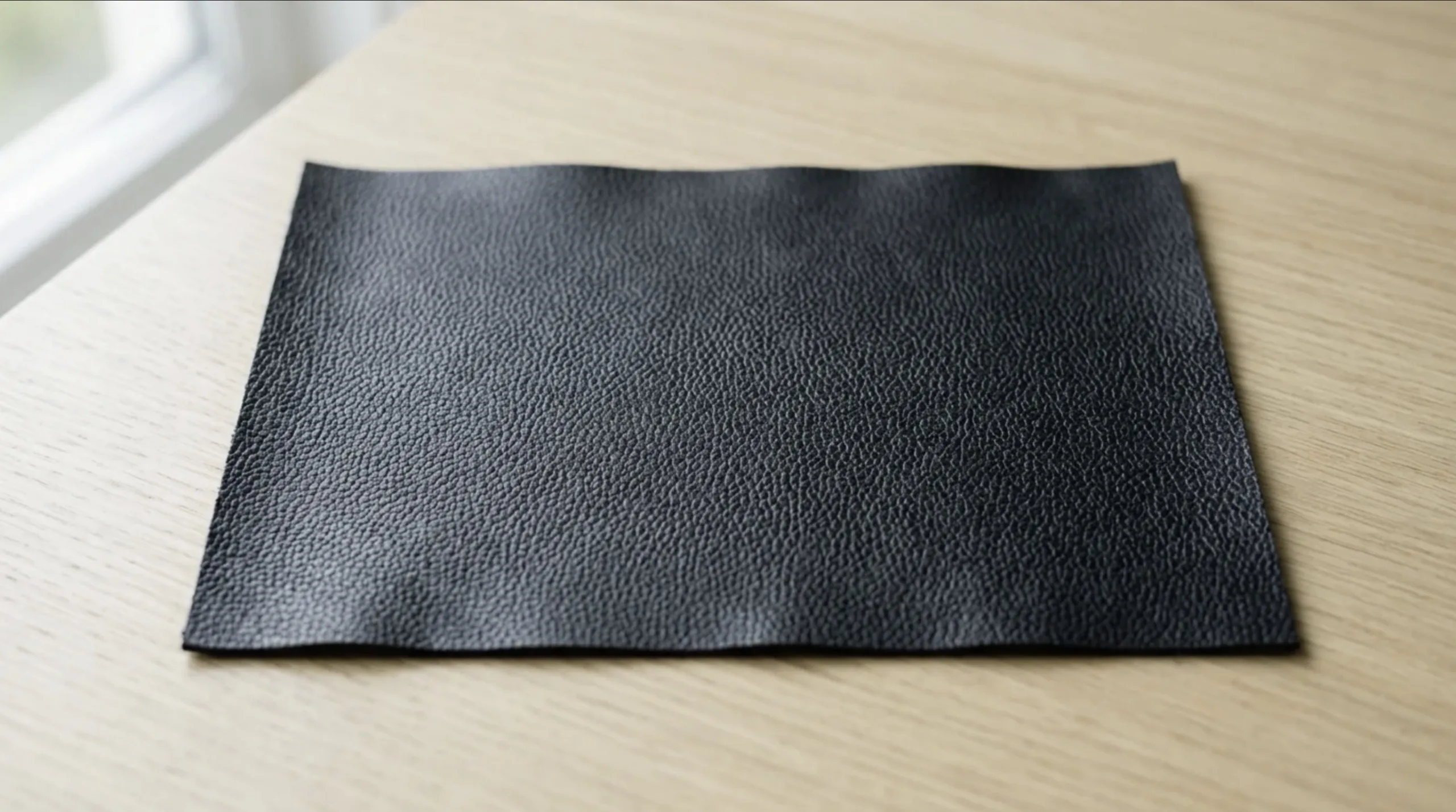
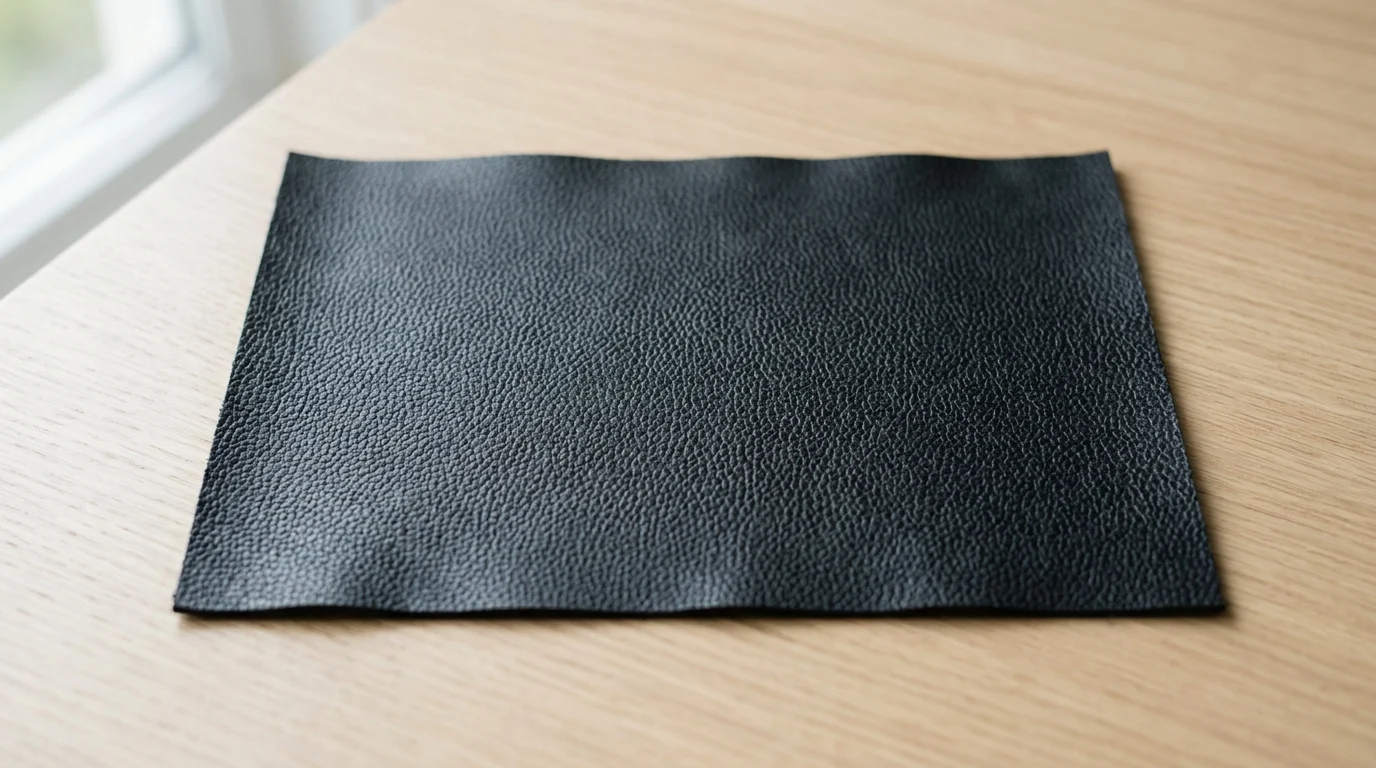
TPU leather is a synthetic material built for applications where ordinary coated fabrics wear out too quickly. By combining flexibility, abrasion resistance, moisture tolerance, and low-temperature performance, it has become a practical alternative in sectors that need longer service life and more reliable surface protection. This article explains what TPU leather is, how its key material properties differ from more conventional synthetic leathers, and why those differences matter in manufacturing and product design. It also outlines the industrial uses driving adoption, helping readers understand where TPU leather fits best and what makes it a competitive material choice.
Why Is TPU Leather Gaining Attention in Industrial Materials
Thermoplastic polyurethane (TPU) leather is rapidly reshaping the landscape of synthetic textiles. As industries face mounting pressure to eliminate toxic plasticizers and improve product longevity, TPU is emerging as a premium alternative to conventional coated fabrics.
Driven by stringent environmental regulations and the demand for high-performance materials, manufacturers are increasingly shifting away from legacy plastics. Understanding the mechanical advantages of TPU helps explain its growing market share in heavy-duty and precision industrial applications.
How does TPU leather fit demand for durability
TPU leather delivers exceptional mechanical strength and longevity. Unlike traditional polyurethane (PU) synthetic leathers that can degrade rapidly in humid environments, TPU boasts hydrolysis resistance lasting 5 to 10 years under continuous moisture exposure. It maintains structural integrity and elasticity even in extreme cold, resisting surface cracking at temperatures as low as -30°C. This exceptional durability reduces the frequency of replacement cycles, lowering the total cost of ownership for end-users.
Which end-use sectors are adopting TPU leather
Adoption is accelerating across sectors where material failure incurs high replacement costs or safety risks. Marine and automotive manufacturers utilize TPU leather for its UV stability and temperature resilience. Simultaneously, the medical sector is increasingly specifying TPU leather for seating, stretchers, and exam tables to meet stringent zero-VOC (volatile organic compound) emission targets, ensuring patient safety and compliance in enclosed clinical environments. Heavy-duty sporting goods and commercial aviation are also integrating TPU to reduce weight without sacrificing tear strength.
What Is TPU Leather and How Is It Made
Understanding the physical makeup of TPU leather clarifies why it commands a premium in the synthetic textile market. It is an engineered composite designed to maximize both physical durability and environmental safety, distinct from older generations of faux leather.
How is TPU leather made from substrate and coating
The manufacturing process typically involves bonding a thermoplastic polyurethane film to a fabric substrate, such as woven polyester, nylon, or non-woven microfiber. Extrusion coating or calendering processes are used to apply the TPU layer directly to the backing. This coating generally ranges in thickness from 0.15mm to 0.5mm, depending on the required flexibility, weight, and abrasion resistance for the target application. Advanced production lines utilize solvent-free lamination, further reducing the environmental footprint of the material.
Which core properties matter most
The core properties that distinguish TPU include its inherent elasticity, high tensile strength, and chemical inertness. Because the polymer requires no external plasticizers to remain flexible, it eliminates the risk of chemical leaching, surface stickiness over time, and off-gassing. This makes the material inherently safer for prolonged human contact. Furthermore, TPU is highly resistant to oils, greases, and many industrial solvents, which preserves the aesthetic and structural qualities of the leather over its lifespan.
How does TPU leather compare with PVC and PU leather
Compared to legacy synthetic leathers, TPU offers a superior balance of performance and ecological responsibility, though at a different price point.
| Feature | TPU Leather | PU Leather | PVC Leather |
|---|---|---|---|
| Plasticizers Used | None | Minimal | High (Phthalates) |
| Hydrolysis Resistance | 5–10 Years | 1–3 Years | N/A (Does not hydrolyze) |
| Cold Flex Limit | -30°C | -10°C | 0°C (Prone to cracking) |
| Recyclability | High (Thermoplastic) | Low | Very Low |
What Technical, Compliance, and Cost Factors Should Buyers Evaluate
Transitioning to TPU leather requires procurement teams to rigorously evaluate technical specifications, regulatory compliance, and budget impacts. Balancing these elements ensures that the chosen material aligns with both performance expectations and financial constraints.
What performance metrics and test methods matter
Performance validation relies on rigorous standardized testing. Buyers should require lab reports demonstrating Taber abrasion resistance (ISO 5470) exceeding 100,000 cycles and Wyzenbeek tests surpassing 200,000 double rubs for commercial-grade applications. Tear strength should be evaluated under ISO 4674-1 standards. Additionally, colorfastness to light should achieve a Grade 4 or 5 rating on the grayscale to prevent fading and discoloration in UV-exposed environments like automotive cabins or marine decks.
Which regulatory and sustainability requirements apply
Regulatory compliance is a major catalyst for TPU adoption in global supply chains. High-grade TPU leathers easily meet the European Union’s REACH and RoHS directives because they are formulated without phthalates, heavy metals, or bisphenol A (BPA). Furthermore, premium TPU variants exhibit VOC emissions well below 50 ppm. This low-emission profile is critical for satisfying strict indoor air quality certifications, such as GREENGUARD Gold and OEKO-TEX Standard 100, which are increasingly mandated in public infrastructure and healthcare.
What are the main cost drivers
The primary barrier to entry for TPU leather is its upfront cost. TPU resin is significantly more expensive to synthesize and process than vinyl or standard polyurethane. Buyers can expect a typical pricing band of $6 to $12 per linear yard for industrial-grade TPU leather, compared to $3 to $5 per linear yard for standard PVC. Furthermore, minimum order quantities (MOQs) for custom colors, embossing, or specific substrate pairings often range from 500 to 1,000 meters, requiring manufacturers to plan inventory carefully to optimize bulk shipping.
Where Is TPU Leather Used and What Are the Trade-Offs
While the technical specifications of TPU leather are impressive, its practical success depends heavily on how it behaves in specific application environments. Engineers and product designers must account for both the material’s strengths and the necessary design compromises.
How is TPU leather used in automotive, medical, and furniture
In automotive interiors, TPU covers seats, gear shifts, and door panels, effortlessly withstanding prolonged exposure to cabin temperatures that can routinely spike to 80°C in direct sunlight. In the medical sector, its non-porous, chemically resistant surface allows for aggressive and frequent sanitization. Exam tables and waiting room chairs upholstered in TPU easily survive repeated wipedowns with 10% bleach solutions or hospital-grade quaternary ammonium disinfectants without fading or cracking. Commercial furniture utilizes TPU to endure high daily traffic in hotel lobbies and restaurants, resisting both spills and structural delamination.
What design trade-offs affect feel, durability, and cleaning
Designers must navigate a few functional trade-offs when integrating TPU. While the material is highly durable, its raw surface feel can be slightly stiffer or “grippier” than ultra-soft premium microfiber PU. Achieving a buttery, natural leather hand-feel often requires secondary surface modifications or specialized topcoats, which can add to the lead time. Additionally, while highly resistant to typical cleaning agents and bodily fluids, prolonged exposure to harsh industrial solvents like acetone or strong degreasers can compromise the protective topcoat, requiring users to adhere strictly to approved maintenance protocols.
How Should Manufacturers Decide Whether to Use TPU Leather
Selecting the optimal synthetic leather is a strategic decision that balances upfront material costs against long-term performance, warranty claims, and brand reputation. Manufacturers must implement robust qualification processes to ensure TPU is the right fit.
What sourcing and qualification steps reduce risk
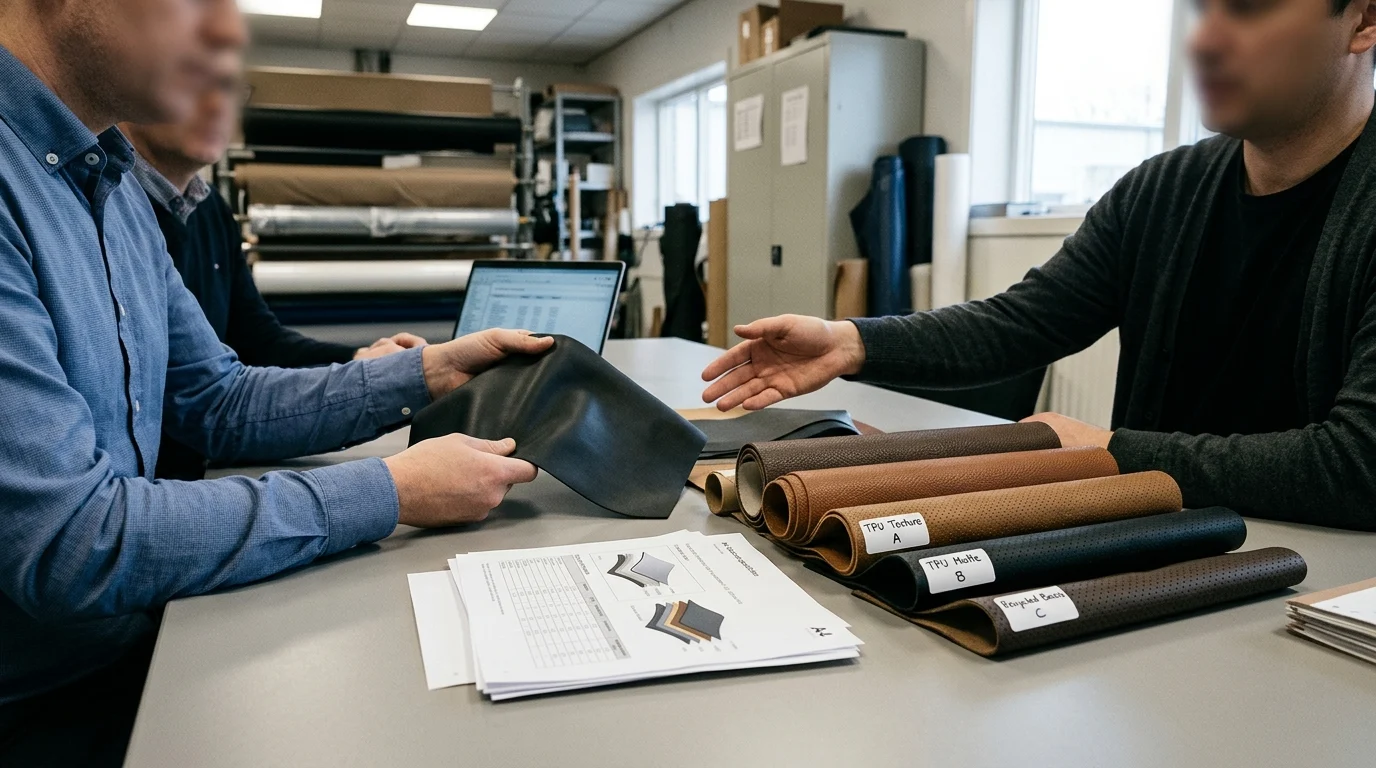
To mitigate supply chain risks, manufacturers should implement strict qualification protocols before mass production. This includes requesting third-party lab test reports for abrasion and hydrolysis, conducting in-house prototyping to test stitching and bonding compatibility, and verifying the supplier’s ISO 9001 (Quality) and ISO 14001 (Environmental) credentials. Buyers should plan for typical production lead times of 3 to 5 weeks for custom TPU runs. Furthermore, negotiating service level agreements that mandate defect rate thresholds below 2% is crucial to ensuring consistent yield on the cutting room floor.
When does TPU leather outperform alternatives
TPU leather definitively outperforms alternatives when the application demands long-term survival in extreme conditions without compromising modern environmental standards. However, it may be over-engineered for short-lifespan consumer goods.
| Application Scenario | Recommended Material | Primary Justification |
|---|---|---|
| Marine & Outdoor Upholstery | TPU Leather | Unmatched UV and hydrolysis resistance in high-humidity, high-salt environments. |
| Disposable/Low-Cost Goods | PVC Leather | Lowest cost per yard; long-term toxicity and longevity are not prioritized. |
| Eco-Certified Hospital Furniture | TPU Leather | Zero phthalates, low VOCs (<50 ppm), and withstands heavy chemical sterilization. |
| Fast Fashion Apparel | PU Leather | Softer drape and lower upfront cost for items with a 1-to-2-year expected lifespan. |
Key Takeaways
- The most important conclusions and rationale for TPU leather
- Specs, compliance, and risk checks worth validating before you commit
- Practical next steps and caveats readers can apply immediately
Frequently Asked Questions
What is TPU leather used for in industry?
TPU leather is commonly used in automotive interiors, marine seating, medical upholstery, aviation, and heavy-duty sports equipment where durability, low VOCs, and chemical resistance matter.
How is TPU leather better than PVC or PU leather?
TPU leather offers better cold flexibility, stronger hydrolysis resistance, no added plasticizers, and higher recyclability, making it a longer-lasting and cleaner option for demanding applications.
What technical specs should buyers check before sourcing TPU leather?
Check abrasion resistance, tear strength, hydrolysis resistance, cold crack performance, UV colorfastness, thickness, and backing fabric. Request test reports such as ISO 5470 and ISO 4674-1.
Is TPU leather suitable for medical and enclosed environments?
Yes. TPU leather is often chosen for medical seating and exam tables because it can meet low-VOC or zero-VOC goals and avoids plasticizer migration in enclosed spaces.
Can hh-mf.com help with custom TPU leather solutions?
Yes. Based on hh-mf.com’s synthetic textile focus, buyers can explore custom substrate, thickness, surface finish, and application-specific material options for industrial TPU leather projects.