
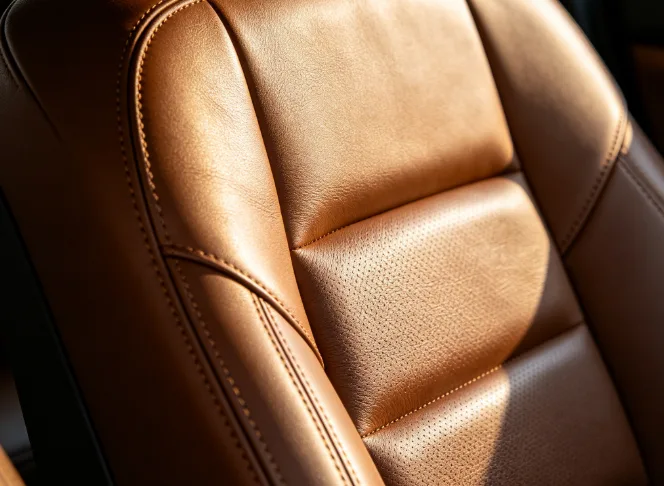
When selecting car seat materials, automotive manufacturers and consumers face a critical decision between silicone leather and PU leather. Both materials offer alternatives to genuine leather, but they differ significantly in performance characteristics, longevity, and cost-effectiveness. This comprehensive guide examines the key differences between silicone and PU leather for automotive seating applications, helping you make an informed decision based on your specific requirements.
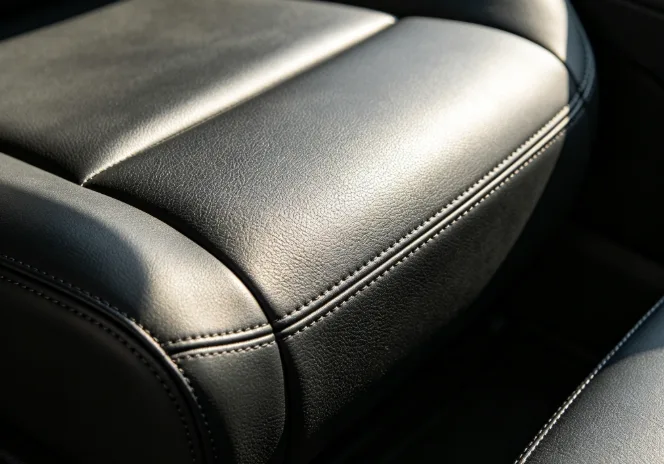
What Is Silicone Leather?
Silicone leather, also known as silicone synthetic leather, is an innovative material engineered using silicone polymer technology. Manufacturers create this material by applying a silicone coating or layer onto a fabric substrate, resulting in a surface that combines the aesthetic appeal of leather with enhanced performance properties. Silicone leather has gained significant traction in automotive interiors due to its exceptional resistance to environmental factors and chemicals.
According to the SAE International technical paper on automotive interior materials, silicone-based surfaces demonstrate superior performance in accelerated aging tests compared to traditional coated fabrics. The material’s molecular structure provides inherent stability that resists degradation from UV exposure, temperature fluctuations, and common automotive chemicals.
What Is PU Leather?
PU leather (polyurethane leather) is a synthetic material consisting of a split-grain leather base coated with a polyurethane finish. Manufacturers produce PU leather by applying multiple layers of polyurethane coating to a backing material, then embossing the surface to mimic genuine leather’s texture. This material has dominated the automotive aftermarket and budget-friendly OEM applications for decades.
The ISO 17707:2023 standard establishes testing methods for evaluating the colorfastness and durability of leather substitutes used in footwear and leather goods, criteria that directly apply to automotive seating applications. PU leather typically falls into specific thickness categories ranging from 0.8mm to 1.5mm for automotive use.
Silicone vs PU Leather: Material Composition Comparison
Understanding the fundamental differences in material composition helps explain the performance variations between these two automotive seat materials. The following comparison highlights key compositional aspects.
| Property | Silicone Leather | PU Leather |
|---|---|---|
| Base Material | Silicone polymer coating on fabric | Polyurethane coating on split leather or fabric |
| Chemical Structure | Siloxane bonds (Si-O-Si) | Urethane linkages (NH-COO) |
| Thickness Range | 0.6mm – 1.8mm | 0.8mm – 2.0mm |
| Environmental Profile | Low VOC, recyclable | Contains solvents, recycling challenges |
UV Resistance: Critical Factor for Automotive Applications
UV resistance represents one of the most significant performance differentiators between silicone and PU leather in automotive applications. Vehicle interiors experience constant exposure to sunlight through windows, leading to degradation of materials over time. The molecular stability of silicone provides inherent UV resistance without requiring additional stabilizers or coatings.
PU leather, conversely, relies on UV stabilizers added during manufacturing to resist photodegradation. These stabilizers can deplete over extended exposure periods, leading to surface cracking, discoloration, and embrittlement. According to research published by the MDPI Materials journal, polyurethane coatings typically experience a 40-60% reduction in mechanical properties after 1000 hours of accelerated UV exposure, while silicone-based materials maintain over 85% of their original properties under identical conditions.
For vehicles operated in regions with high solar radiation—such as Arizona, Texas, Florida, or similar climates—this difference becomes particularly significant. Silicone leather car seat covers demonstrate minimal color fading and surface degradation even after five years of continuous sun exposure, whereas PU leather may require replacement or refurbishment within three to four years under identical conditions.
Durability and Longevity Analysis
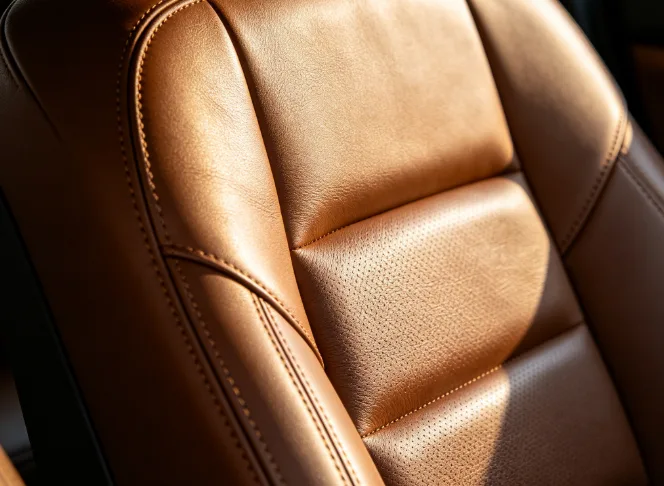
Long-term durability encompasses multiple performance metrics including abrasion resistance, tear strength, and structural integrity under mechanical stress. Both materials offer advantages in specific durability aspects.
| Durability Metric | Silicone Leather | PU Leather |
|---|---|---|
| Martindale Abrasion Resistance | 100,000+ cycles (double rub rating) | 50,000 – 80,000 cycles |
| Tear Strength | 20-35 N/mm | 15-25 N/mm |
| Flex Cracking Resistance | Excellent (200,000+ flexes) | Good (100,000-150,000 flexes) |
| Expected Lifespan | 8-12 years | 4-7 years |
These durability characteristics directly impact the total cost of ownership for vehicle manufacturers and consumers. While silicone leather typically commands a 30-50% price premium over PU leather, the extended service life often results in lower lifecycle costs, particularly for commercial fleet applications where seats undergo continuous use.
Maintenance and Cleaning Requirements
Both silicone and PU leather offer relatively straightforward maintenance compared to genuine leather, which requires periodic conditioning and specialized cleaning products. However, subtle differences exist in their cleaning requirements and stain resistance properties.
Silicone leather demonstrates exceptional resistance to water-based stains and common automotive fluids including coffee, soda, and ink. The non-porous surface prevents liquids from penetrating the material, allowing spills to be wiped away without residue. For stubborn stains, silicone leather responds well to mild soap solutions without risking surface damage.
PU leather requires more careful cleaning practices. Harsh chemicals, alcohol-based cleaners, and abrasive scrubbers can damage the polyurethane surface layer, potentially leading to peeling or cracking. Regular conditioning with specialized PU leather care products helps maintain flexibility and prevent premature aging.
Environmental Considerations and Sustainability
Environmental impact has become an increasingly important factor in material selection for automotive applications. Both materials represent alternatives to genuine leather, avoiding the ethical concerns associated with animal agriculture, but they differ in their environmental footprints.
Silicone leather production generally involves fewer harmful solvents and produces lower volatile organic compound (VOC) emissions during manufacturing. Silicone materials are also recyclable through specialized processes, though infrastructure for automotive silicone recycling remains limited. The Ellen MacArthur Foundation highlights silicone’s potential for circular economy applications due to its thermal stability and reusability characteristics.
PU leather production involves polyurethane chemistry that traditionally relies on petroleum-derived inputs and solvent-based processing. However, manufacturers have developed water-based PU formulations that significantly reduce environmental impact, and bio-based alternatives using plant-derived polyols are emerging in the market.
Cost Comparison and Market Availability
Price remains a decisive factor for many consumers and manufacturers when selecting car seat materials. PU leather maintains a significant cost advantage due to mature manufacturing processes and established supply chains. Silicone leather commands premium pricing reflecting its advanced performance characteristics and more complex production requirements.
- PU Leather: $3.50 – $8.00 per square foot (automotive grade)
- Silicone Leather: $6.00 – $15.00 per square foot (automotive grade)
- Genuine Leather: $12.00 – $30.00 per square foot
For complete seat replacement or car seat covers, consumers can expect PU leather solutions to cost approximately 40-60% less than equivalent silicone leather products. However, the price differential narrows when considering long-term replacement frequency.
Application Recommendations by Use Case
Different automotive applications present unique requirements that favor different materials. The following recommendations address common use scenarios.
| Application Type | Recommended Material | Primary Reasoning |
|---|---|---|
| Daily Commuter Vehicles | PU Leather | Cost-effective for moderate use requirements |
| Luxury Vehicles | Silicone Leather | Premium feel with superior longevity |
| Commercial Fleet (Rideshare/Taxi) | Silicone Leather | High turnover justifies extended durability |
| Convertibles/Hardtop Removable | Silicone Leather | Enhanced UV and weather resistance |
| Performance/Sports Vehicles | Silicone Leather | Temperature resistance and grip characteristics |
Conclusion: Making Your Selection
Both silicone leather and PU leather represent viable alternatives to genuine leather for automotive seating applications. Silicone leather offers superior UV resistance, enhanced durability, and lower long-term maintenance requirements, making it ideal for vehicles in harsh climates or high-utilization scenarios. PU leather provides an accessible price point with adequate performance for standard automotive applications and budget-conscious consumers.
For premium applications where longevity and environmental resistance are paramount, silicone leather for car seats delivers compelling advantages despite higher initial costs. For applications where upfront cost dominates the decision matrix, PU leather continues to serve the market effectively with proven performance in moderate use conditions.
Frequently Asked Questions
How long does silicone leather last compared to PU leather in car seats?
Silicone leather typically maintains functional integrity for 8-12 years under normal automotive conditions, while PU leather generally requires replacement within 4-7 years. The extended lifespan of silicone leather often offsets its higher initial cost for long-term ownership scenarios.
Does silicone leather fade in direct sunlight?
Silicone leather demonstrates excellent resistance to UV-induced fading and degradation due to its stable molecular structure containing siloxane bonds. Under identical exposure conditions, silicone leather retains color and surface integrity significantly better than PU leather alternatives.
Is silicone leather safe for automotive interiors?
Yes, automotive-grade silicone leather meets relevant safety standards including flame resistance requirements (FMVSS 302) and off-gassing regulations. Silicone materials are inert and hypoallergenic, making them suitable for occupants with sensitivities to other synthetic materials.
Can PU leather peel or crack over time?
PU leather is susceptible to surface delamination and cracking, particularly when exposed to UV radiation, extreme temperatures, or harsh cleaning chemicals. The polyurethane surface layer can separate from the backing material, creating visible damage that compromises both aesthetics and functionality.
Which material is better for car seat covers in hot climates?
Silicone leather performs significantly better in hot climates due to its superior heat resistance and UV stability. Vehicles operated in southern states, desert regions, or tropical environments benefit from silicone leather’s ability to maintain surface integrity and comfort under prolonged sun exposure.