


Introduction
By 2026, many global brands are shifting away from genuine leather not as a marketing gesture, but as a practical response to cost pressure, regulatory scrutiny, and changing buyer expectations. Vegan leather now sits at the center of decisions about margin stability, supply-chain resilience, and environmental compliance, especially as new materials improve on durability and finish. This article explains why the change is accelerating, what business risks traditional leather creates, and how advances in material science are making non-animal alternatives viable at scale across fashion, footwear, and accessories.
Why Global Brands Are Replacing Genuine Leather with Vegan Leather
The global manufacturing landscape is undergoing a systemic shift as top-tier brands pivot away from animal-derived materials. As target dates like 2026 approach, the adoption of vegan leather is no longer viewed merely as an ethical niche, but as a core operational strategy. This transition is driven by a confluence of stringent environmental regulations, shifting consumer demographics, and the urgent need for scalable, predictable supply chains.
While early iterations of synthetic leather struggled with durability and premium appeal, modern material science has bridged the quality gap. Brands are now leveraging advanced composites and bio-based alternatives to engineer products that meet exacting performance standards without the volatility associated with traditional livestock supply chains. Furthermore, traditional tanning processes rely heavily on heavy metals like chromium, which present severe wastewater management challenges. By eliminating these toxic bottlenecks, brands can align their operations with aggressive 2026 corporate ESG (Environmental, Social, and Governance) targets while appealing to a younger demographic that demands absolute supply chain transparency.
Margin, supply, and brand risk drivers
The transition toward vegan leather is heavily influenced by margin optimization and risk mitigation. Traditional bovine leather supply chains are increasingly vulnerable to climate-induced disruptions, fluctuating feed costs, and stringent environmental compliance requirements. Notably, the European Union Deforestation Regulation (EUDR) mandates rigorous traceability for cattle-derived products. Non-compliance carries the risk of significant penalties, with fines reaching up to 4% of a company’s annual EU turnover.
Simultaneously, synthetic and bio-based alternatives offer a 15% to 20% improvement in gross margins at scale due to higher cutting yields. Genuine hides suffer from natural defects such as scarring and irregular shapes, resulting in up to 30% material waste during the cutting process. Vegan leather, manufactured in continuous, uniform rolls, provides near-perfect utilization rates, significantly lowering the unit cost of finished goods.
Categories, regions, and channels shifting fastest
Adoption rates vary significantly across product categories and geographical markets. The automotive sector is currently leading the transition; industry data indicates that approximately 60% of new electric vehicle (EV) models slated for 2026 will feature entirely vegan interiors as standard. This shift aligns seamlessly with the eco-conscious positioning of the EV market, where consumers expect sustainability to extend beyond the powertrain.
In the fashion and accessories sectors, luxury footwear and handbags are experiencing rapid material substitution. European and North American markets are the primary drivers of this demand, supported by robust direct-to-consumer (DTC) channels. These digital platforms allow brands to effectively communicate the sustainability metrics, reduced carbon footprints, and innovative engineering behind their non-animal products directly to an engaged audience.
Vegan Leather vs Genuine Leather on Cost
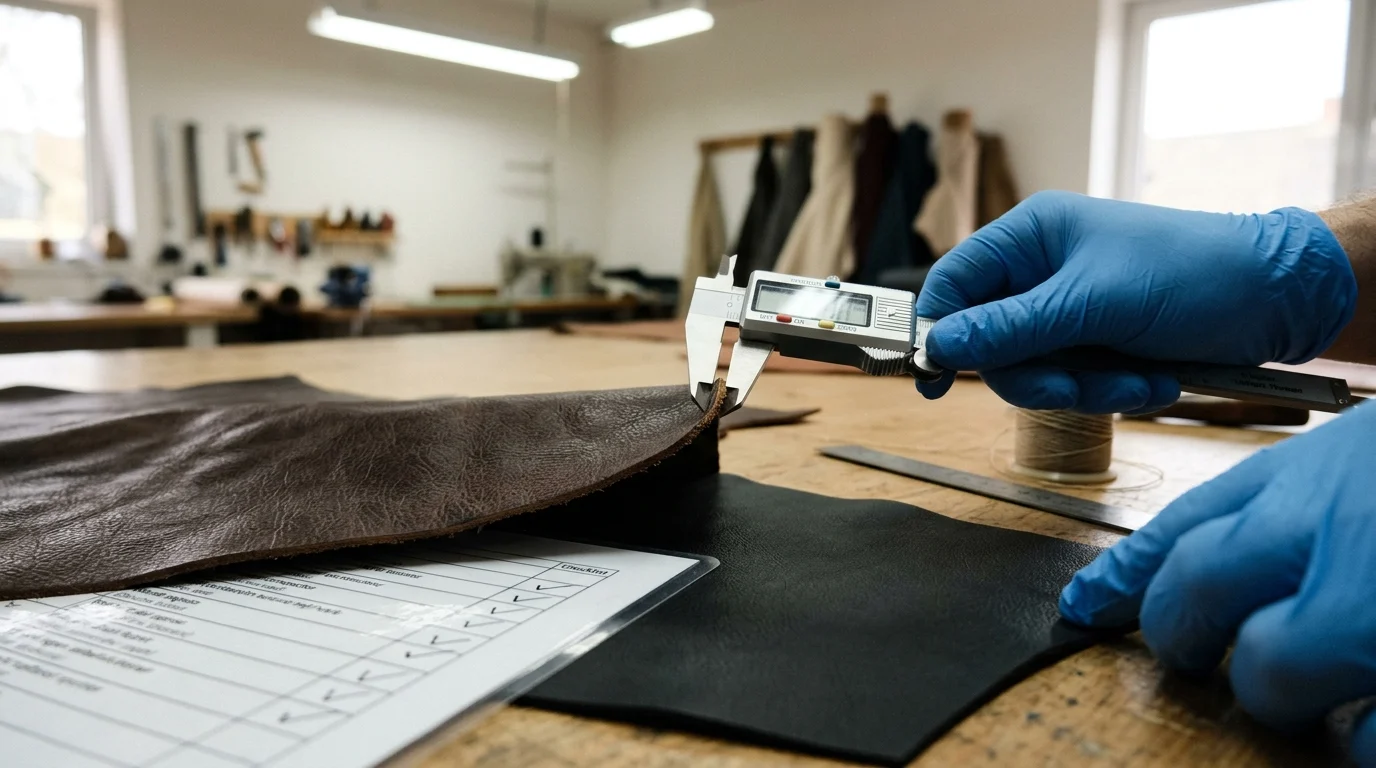
Evaluating the financial implications of material substitution requires a comprehensive understanding of the diverse vegan leather market. The cost disparity between traditional hides and synthetic alternatives is a primary catalyst for large-scale adoption, though the pricing matrix varies considerably based on the chemical composition and manufacturing complexity of the chosen alternative.
Procurement teams must weigh initial material costs against performance longevity, cutting efficiency, and the brand-value premium associated with sustainable innovation. The market is broadly segmented into petroleum-based synthetics and emerging bio-based composites. While petroleum-derived options dominate global volume due to their low barrier to entry, they face increasing scrutiny over end-of-life disposal. Consequently, forward-thinking brands are utilizing rigorous lifecycle assessments (LCAs) to justify the higher upfront investments in next-generation, plant-based materials.
Material types and cost criteria
Traditional genuine leather pricing is highly volatile, typically ranging from $4.00 to $12.00 per square foot depending on the grade, tanning process, and origin. In stark contrast, standard polyurethane (PU) and polyvinyl chloride (PVC) leathers offer massive procurement savings, generally costing between $1.50 and $3.00 per square foot. These petroleum-based options provide immediate cost relief and scale easily, but they often lack the premium sustainability credentials required by high-end brands.
To address environmental concerns, the industry is heavily investing in plant-based and mycelium-derived leathers. These advanced materials utilize agricultural byproducts from apples, cacti, and pineapples. Currently, premium bio-based leathers command a significant premium, priced between $25.00 and $40.00 per square foot. However, as production facilities scale and processing technologies mature leading up to 2026, these costs are projected to decrease by 30%, making them increasingly viable for mid-market commercial applications.
Comparison table by cost and performance
The following table illustrates the comparative metrics between genuine leather and its primary vegan alternatives, focusing on cost, cutting yield, and primary environmental concerns to aid procurement decisions.
| Material Type | Average Cost (USD/sq ft) | Cutting Yield | Primary Environmental Concern |
|---|---|---|---|
| Genuine Bovine Leather | $4.00 – $12.00 | 70% – 75% | High water usage, deforestation risk |
| Standard PU/PVC Leather | $1.50 – $3.00 | 95% – 99% | Microplastic shedding, fossil fuel reliance |
| Premium Bio-Based Leather | $25.00 – $40.00 | 90% – 95% | Current scalability, high initial R&D costs |
What Brands Should Do Before Switching to Vegan Leather
Successfully integrating vegan leather into an existing product portfolio requires meticulous planning and robust quality assurance protocols. Brands cannot simply swap materials without adjusting their manufacturing parameters, as the physical properties of synthetics and bio-composites differ fundamentally from animal hides.
A proactive approach to material sourcing, prototype testing, and vendor collaboration is essential to prevent costly production delays and ensure the final product meets consumer expectations for durability and aesthetic appeal. Manufacturing adjustments extend beyond the cutting room; production facilities must comprehensively recalibrate their assembly lines to accommodate these novel substrates.
Sourcing, testing, and manufacturing steps
Procurement departments must establish stringent criteria for new material suppliers. When sourcing custom bio-leathers, brands should anticipate Minimum Order Quantities (MOQs) starting between 1,000 and 3,000 linear meters. This threshold necessitates accurate demand forecasting and robust inventory management before committing to a new material supplier.
Rigorous laboratory testing is mandatory to validate material performance.
Key Takeaways
- The most important conclusions and rationale for Vegan Leather
- Specs, compliance, and risk checks worth validating before you commit
- Practical next steps and caveats readers can apply immediately
Frequently Asked Questions
Why are brands switching to vegan leather before 2026?
They want lower supply risk, better margins, and easier compliance with stricter ESG and traceability rules, especially in the EU.
Is vegan leather cheaper than genuine leather?
Usually yes. Standard PU or PVC vegan leather often costs about $1.50–$3.00 per square foot versus roughly $4.00–$12.00 for genuine leather.
Which industries are adopting vegan leather the fastest?
Automotive leads, especially EV interiors. Footwear, handbags, and accessories are also shifting quickly in Europe and North America.
Does vegan leather reduce manufacturing waste?
Yes. It comes in uniform rolls, which improves cutting yield and can avoid the defect-related waste common with natural hides.
How can hh-mf.com help brands source vegan leather?
hh-mf.com can support material selection, manufacturing planning, and scalable sourcing for brands evaluating cost, consistency, and sustainability targets.