
Introduction
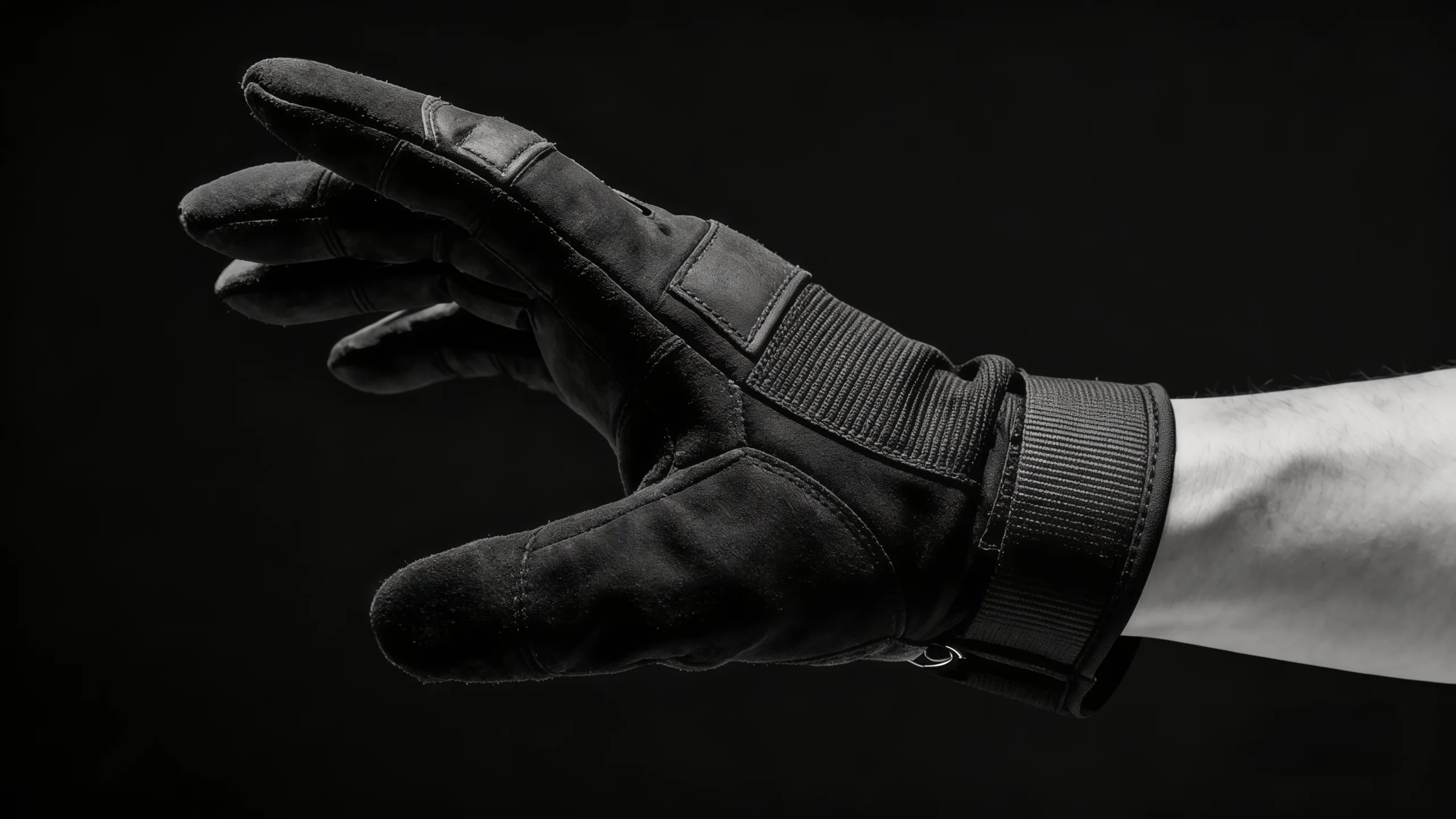
Microfiber lining plays a central role in how gloves feel and perform in daily or demanding use. By creating a soft, low-friction layer between the hand and the outer shell, it helps reduce fatigue, improves finger movement, and preserves touch sensitivity. It also supports protection by managing moisture, limiting abrasion, and helping the glove maintain its shape during repeated wear. Understanding this inner layer makes it easier to see why some gloves stay comfortable longer, allow better dexterity, and deliver more reliable performance across work, sport, and safety applications.
Why Microfiber Lining Matters in Glove Performance
The interior architecture of a glove dictates wearer compliance, dexterity, and overall functional efficacy. While outer shells receive the most attention for hazard protection, the lining is responsible for managing the microclimate against the user’s hand. Microfiber lining serves as a critical interface between the skin and the external shell, engineered to optimize physiological comfort and mechanical performance during extended wear.
How It Affects Comfort and Flexibility
Microfiber is defined by its exceptionally fine synthetic fibers, typically measuring less than 1.0 denier per filament. In high-performance industrial and tactical glove applications, filaments often range from 0.5 to 0.8 denier. This ultra-fine structure creates a dense yet highly flexible matrix that conforms seamlessly to complex hand movements without restricting joint articulation.
The reduced fiber diameter minimizes internal friction, lowering the coefficient of friction by up to 30% compared to traditional cotton linings. This reduction mitigates hand fatigue and prevents blisters during repetitive, high-intensity tasks. Furthermore, the inherent softness of these micro-filaments preserves tactile feedback, allowing workers to handle small components or operate touchscreens without removing their hand protection.
How It Supports Protection and Durability
Beyond tactile advantages, microfiber lining contributes significantly to the structural integrity and protective qualities of the glove. The densely woven or knitted synthetic fibers distribute mechanical stress across a broader surface area, enhancing internal tear resistance and preventing the lining from separating from the outer shell.
In rigorous laboratory testing, high-quality microfiber linings consistently endure over 15,000 Martindale abrasion cycles before showing significant wear, vastly outperforming natural fibers. Additionally, the dense fiber matrix acts as a secondary buffer against minor impacts and high-frequency vibrations. By stabilizing the internal environment and resisting degradation from sweat and friction, microfiber reinforces the primary protective shell, extending the functional lifespan of the entire glove.
What Microfiber Lining Is and Its Key Properties
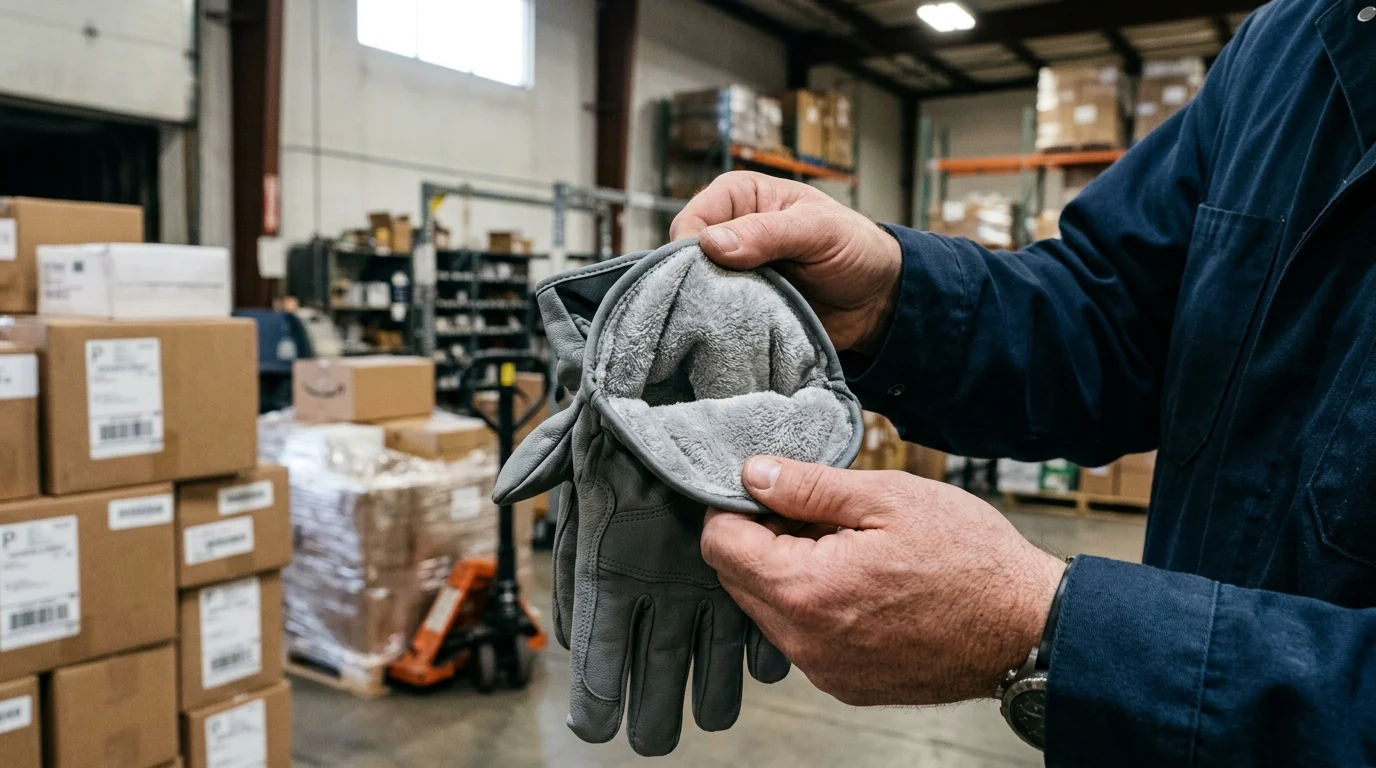
Understanding the technical composition of microfiber lining is essential for specifying the correct materials in advanced glove manufacturing. The unique properties of this textile stem directly from its sophisticated manufacturing process and underlying polymer chemistry, distinguishing it from conventional linings.
How Microfiber Lining Is Defined in Glove Construction
In advanced glove construction, microfiber lining is typically synthesized from a precise, bi-component blend of polyester and polyamide (nylon). A standard premium configuration utilizes an 80/20 or 70/30 polyester-to-polyamide ratio.
During manufacturing, the extruded fibers undergo a specialized chemical or mechanical splitting process that fractures the original filament into multiple microscopic strands, exponentially increasing the total surface area. This split-fiber architecture is the defining characteristic of true microfiber. It differentiates the material from standard synthetic fleece or basic polyester tricot, enabling advanced fluid dynamics and superior structural resilience within the glove lining.
Which Properties Matter Most
The performance of microfiber in demanding environments hinges on capillary action and thermal regulation. The microscopic channels created by the split fibers rapidly draw moisture away from the skin, achieving drying rates up to three times faster than natural fibers and preventing the clammy sensation associated with heavy exertion.
Weight and density are critical specification metrics for procurement teams; glove linings generally fall within a spectrum of 120 g/m² to 250 g/m². Lighter variants prioritize aggressive moisture management and breathability, while heavier, brushed microfibers optimize thermal retention by trapping insulating dead air within the microstructure without adding prohibitive bulk.
How It Compares with Alternative Linings
When evaluating interior lining options, microfiber consistently demonstrates superior performance in weight, durability, and moisture management compared to legacy materials.
| Lining Material | Typical Weight Range | Moisture Wicking Efficiency | Abrasion Resistance (Martindale Cycles) |
|---|---|---|---|
| Microfiber | 120–250 g/m² | Excellent (High capillary action) | > 15,000 |
| Standard Cotton | 150–300 g/m² | Poor (Absorbs and retains moisture) | 5,000–8,000 |
| Polyester Fleece | 200–400 g/m² | Moderate (Prone to pilling) | 8,000–10,000 |
| Merino Wool | 180–350 g/m² | Good (Absorbs but retains warmth) | 4,000–7,000 |
This comparative advantage makes microfiber the preferred choice for industrial and tactical applications where interior bulk must be strictly minimized without sacrificing physiological comfort or the operational longevity of the personal protective equipment.
How to Evaluate Performance and Trade-Offs
Procuring the optimal microfiber lining requires a rigorous evaluation of material specifications against the intended application and budget constraints. Sourcing managers and product engineers must navigate inherent material trade-offs, relying on standardized testing protocols and strategic supplier vetting to validate performance claims.
Which Trade-Offs Buyers Should Assess
The primary trade-off in selecting a microfiber lining involves balancing thermal insulation against breathability and tactile dexterity. Increasing the fabric weight—for instance, moving from a lightweight 140 g/m² to a heavy-duty 220 g/m²—naturally improves heat retention, but inversely affects the glove’s overall flexibility and increases the risk of heat stress in temperate environments.
Buyers must also weigh the cost implications of advanced fiber splitting processes and polymer ratios. Higher polyamide content generally yields a softer, more durable lining with superior moisture-wicking capabilities, but it incurs a higher raw material cost that must be absorbed into the final product margin.
Which Tests Verify Lining Performance
To ensure consistent quality and performance, buyers must require specific ISO or ASTM test reports from material suppliers rather than relying on qualitative descriptions. Internal abrasion resistance should be verified using the ISO 12947-2 standard, with acceptable thresholds tailored to the glove’s projected life expectancy.
For climatic performance, the ISO 11092 standard measures thermal and water-vapor resistance. A high-performance, highly breathable microfiber lining should demonstrate a Water-Vapor Resistance (RET) value of less than 10 m²·Pa/W. This specific threshold ensures efficient sweat dissipation during high-exertion tasks, preventing moisture accumulation that can lead to rapid heat loss in cold environments or skin maceration in hot conditions.
Which Sourcing Questions to Ask Suppliers
Effective supplier vetting extends well beyond requesting standardized specification sheets. Procurement teams must interrogate the supplier’s quality control infrastructure, production scalability, and supply chain resilience. Critical inquiries include verifying the consistency of fiber denier across multiple production batches and auditing the specific dyeing processes utilized to ensure strict colorfastness under heavy perspiration, typically validated via ISO 105-E04.
Furthermore, buyers should clarify Minimum Order Quantities (MOQs) and production lead times. Custom-dyed or specialized microfiber linings routinely require an MOQ of 3,000 to 5,000 linear meters and necessitate lead times of 4 to 6 weeks—factors that significantly impact inventory planning and agile manufacturing strategies for niche glove models.
How to Choose the Right Microfiber Lining
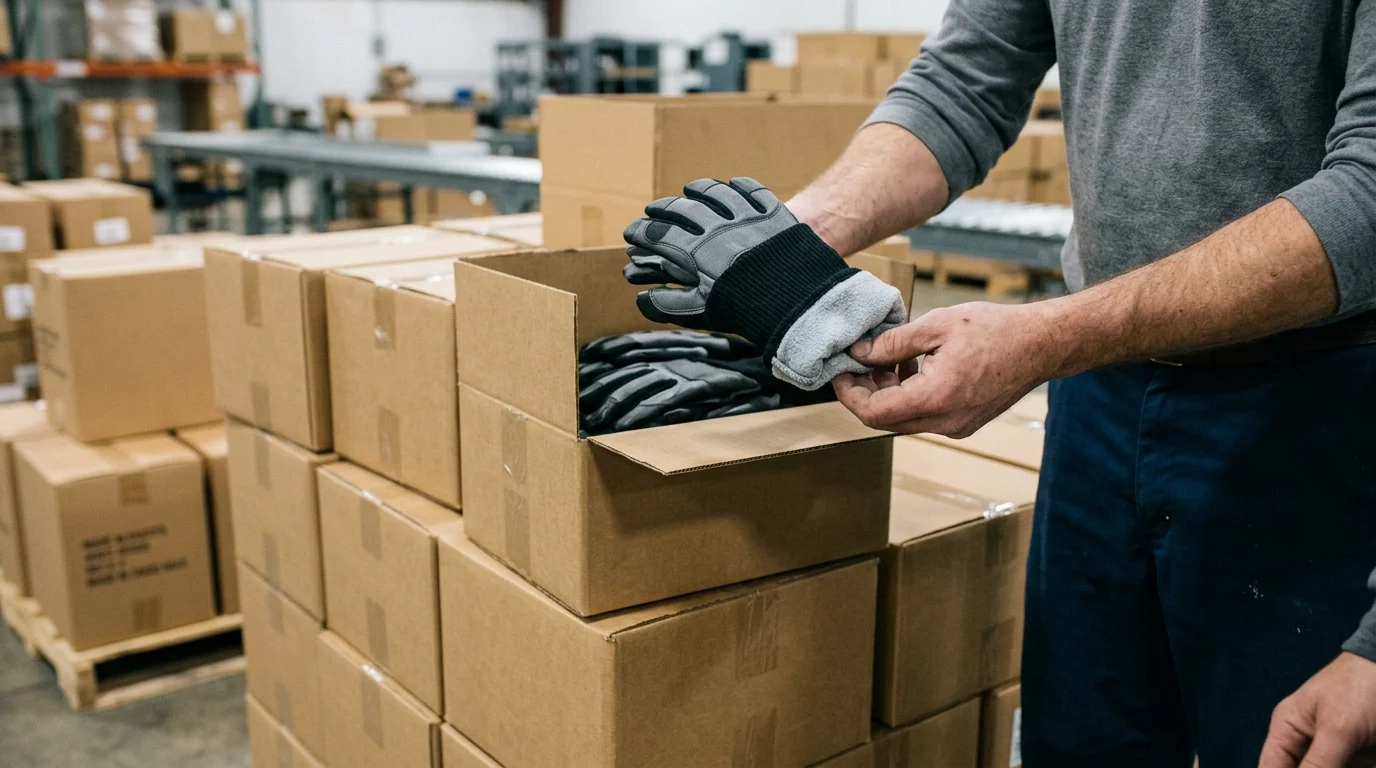
The final phase of glove development involves synthesizing technical requirements with commercial realities. Selecting the right microfiber lining ensures the end product meets both stringent user expectations and target margin profiles, ultimately determining the product’s success in a competitive marketplace.
How to Match Specifications to End Use
Material specifications must align precisely with the glove’s operational environment and the specific biomechanical needs of the user. Tactical operators and precision-assembly workers demand maximum tactile sensitivity, dictating the use of ultra-lightweight microfiber (typically 100–130 g/m²) with a flat, non-brushed finish to prevent internal slippage and maximize sensory feedback.
Conversely, winter industrial work gloves require aggressive thermal management. For these applications, a heavier (200–250 g/m²), double-brushed microfiber becomes the optimal specification, engineered to trap radiant body heat while actively managing the inevitable internal condensation that occurs during cold-weather physical exertion.
How to Balance Cost and Product Positioning
Integrating premium microfiber lining inevitably alters the cost structure of the finished glove, requiring careful product positioning and value communication. Upgrading from a basic polyester tricot to a high-grade split microfiber typically adds $0.35 to $0.85 per pair in direct manufacturing costs, depending on the complexity of the glove pattern, the specific weight of the textile, and prevailing raw material indices.
| Glove End-Use Category | Recommended Microfiber Spec | Primary Benefit Focus | Estimated Cost Premium (per pair) |
|---|---|---|---|
| Precision / Tactical | 100–130 g/m², flat knit | Maximum dexterity, zero internal slip | $0.35 – $0.50 |
| General Industrial | 150–180 g/m², lightly brushed | Balanced durability and moisture control | $0.45 – $0.65 |
| Winter / Heavy Duty | 200–250 g/m², heavily brushed | Maximum thermal retention, sweat wicking | $0.60 – $0.85 |
Manufacturers and brands must strategically position this cost increase as a quantifiable value-add feature. By emphasizing the reduction in worker hand fatigue, lower replacement rates due to superior internal wear resistance, and enhanced physiological comfort leading to higher personal protective equipment compliance rates, brands can effectively justify a premium retail or contract price point to safety managers and end-users alike.
Key Takeaways
- The most important conclusions and rationale for microfiber lining
- Specs, compliance, and risk checks worth validating before you commit
- Practical next steps and caveats readers can apply immediately
Frequently Asked Questions
Why is microfiber lining more comfortable than cotton in gloves?
Its ultra-fine fibers reduce internal friction, wick sweat faster, and feel softer on skin, helping lower blisters and hand fatigue during long wear.
How does microfiber lining improve glove flexibility?
The fine fiber matrix bends easily with finger joints, so gloves feel less stiff and maintain better dexterity for small-part handling or touchscreen use.
Does microfiber lining add protection as well as comfort?
Yes. Dense microfiber helps distribute stress, improves internal tear resistance, and adds a light buffer against friction, minor impacts, and vibration.
What microfiber lining weight is best for glove applications?
Use about 120–180 g/m² for breathable, dexterity-focused gloves and 180–250 g/m² for added warmth and cushioning in heavier-duty designs.
Can HAOHAO support bulk microfiber lining supply for glove manufacturing?
Yes. HAOHAO offers scalable R&D-to-production support with 3 factories, 50 million meters annual capacity, and responsive service for B2B glove programs.