
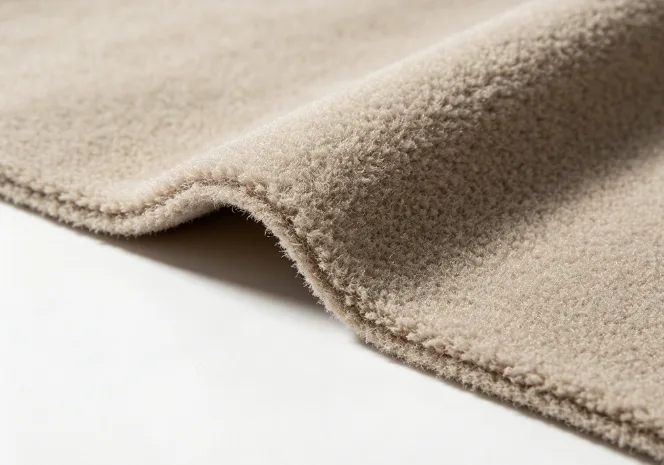
Athletic shoe comfort depends heavily on the sorbent microfiber lining installed inside the shoe. This moisture management layer directly affects foot health, performance, and shoe longevity. Modern athletes and casual wearers increasingly demand footwear that keeps feet dry during intense activity. This article examines why sorbent microfiber lining has become indispensable in athletic shoe construction.
Understanding Sorbent Microfiber Technology
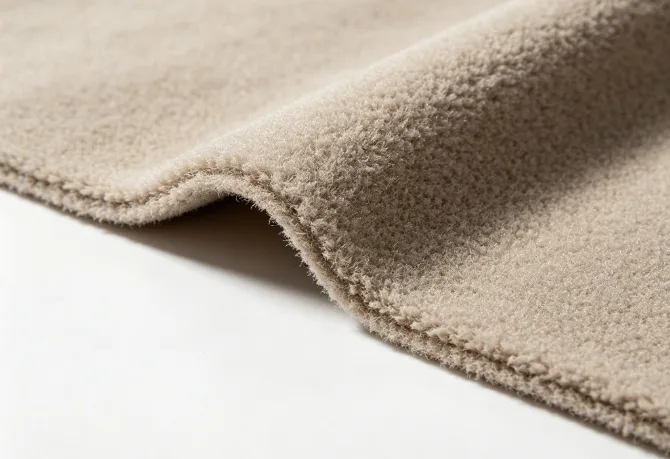
Sorbent microfiber lining refers to a class of textile materials engineered with ultra-fine fibers, typically measuring less than 1 denier. These microscopic fibers create an expansive surface area that rapidly absorbs and disperses moisture. Unlike traditional textile fibers, sorbent microfiber can absorb up to 7-8 times its weight in water while maintaining structural integrity. The capillary action within the fiber network pulls perspiration away from the skin surface, enabling faster evaporation.
The sorbent properties emerge from the fiber’s hydrophilic surface treatment and geometric structure. Manufacturers apply specialized finishes during production that enhance the material’s affinity for water molecules. This combination of physical structure and chemical treatment distinguishes high-performance microfiber lining from standard shoe textiles.
Core Benefits of Sorbent Microfiber Lining in Athletic Footwear
Superior Moisture-Wicking Performance
Sorbent microfiber lining outperforms traditional fabrics in moisture absorption and sweat wicking. Independent testing by the Textile Research Journal indicates that quality microfiber linings reduce moisture retention by 40-60% versus standard polyester linings. This performance gap becomes particularly evident during high-intensity activities lasting more than 30 minutes.
Enhanced Breathability for Athletic Shoe Comfort
Athletic shoe breathability is directly linked to the air permeability performance of the shoe’s inner lining.The porous structure of sorbent microfiber creates micro-channels between fibers that facilitate air circulation. This ventilation reduces heat buildup inside the shoe, maintaining optimal foot temperature during exertion.
Odor Control and Hygiene
Bacterial growth thrives in moist environments, making moisture control essential for foot hygiene. Sorbent microfiber lining reduces bacterial proliferation by keeping the shoe interior dry. Many manufacturers incorporate antimicrobial treatments into the fiber matrix, providing additional protection against odor-causing microorganisms.
Material Comparison: Sorbent Microfiber vs. Alternative Linings
Selecting appropriate athletic shoe lining materials requires understanding how different options perform across key metrics. The following comparison examines sorbent microfiber against common alternatives.
| Property | Sorbent Microfiber | Standard Polyester | Mesh Fabric | Foam Padding |
|---|---|---|---|---|
| Moisture Absorption | Excellent (7-8x weight) | Poor (1-2x weight) | Low (2-3x weight) | Moderate (3-4x weight) |
| Drying Speed | Fast (2-3 hours) | Slow (6-8 hours) | Moderate (4-5 hours) | Very Slow (12+ hours) |
| Durability | High (500+ cycles) | High (600+ cycles) | Moderate (300+ cycles) | Low (200+ cycles) |
| Breathability | Excellent | Moderate | Excellent | Low |
| Cost Index | Medium ($8-15/meter) | Low ($3-6/meter) | Medium ($6-10/meter) | Variable ($5-20/meter) |
According to industry data from the International Textile Manufacturers Federation, microfiber linings demonstrate the best balance of moisture management and durability for athletic applications. While initial costs exceed standard polyester, the extended service life provides better long-term value.
Applications Across Athletic Shoe Categories
Different athletic disciplines impose varying demands on shoe lining materials. Understanding these requirements helps footwear designers select appropriate water-absorbing microfiber lining configurations
Running Shoes
Running shoes experience the highest moisture generation rates among athletic footwear categories. Distance runners generate 200-400ml of perspiration per foot during a one-hour session. Sorbent microfiber lining handles this volume effectively, preventing the blisters and discomfort associated with prolonged moisture exposure.
Cross-Training and Gym Shoes
Cross-training footwear requires versatile lining performance due to varied activity patterns. Lateral movements, jumping, and floor exercises create different stress profiles than linear running. Microfiber lining adapts to these varied demands, maintaining consistent moisture management regardless of activity type.
Outdoor and Hiking Athletic Shoes
Trail and hiking athletic shoes encounter additional environmental moisture from wet terrain. Advanced sorbent microfiber linings often incorporate waterproof membranes that work in conjunction with the lining’s moisture-wicking properties, providing comprehensive protection.
Selection Criteria for Athletic Shoe Manufacturers
When sourcing sorbent microfiber lining materials, athletic shoe manufacturers should evaluate the following factors:
- Absorption Capacity: Look for materials with absorption rates exceeding 300% of material weight.
- Drying Time: Target drying times under 4 hours for optimal user comfort.
- Adhesion Compatibility: Confirm the lining bonds effectively with your shoe assembly adhesives.
- Wash Stability: Verify performance retention after 50+ wash cycles.
- Certification Standards: Check for OEKO-TEX or similar safety certifications.
Performance Data and Industry Standards
Quality assurance in sorbent microfiber lining production follows established testing protocols. The American Society for Testing and Materials (ASTM) publishes specific standards for textile moisture management testing. Key metrics include:
- Dynamic Moisture Management Test (AATCC 195): Measures liquid moisture transfer rate and capacity
- Vertical Wicking Test (AATCC 197): Evaluates upward liquid transport capability
- Air Permeability (ASTM D737): Determines breathability characteristics
Industry estimates suggest that premium sorbent microfiber linings achieve AATCC moisture management ratings of 4.5-5.0 (out of 5), significantly outperforming standard linings that typically score 2.0-3.0.
Maintenance and Care Guidelines
Proper care extends the service life of sorbent microfiber lining in athletic shoes. Manufacturers recommend the following practices:
Remove insoles and linings where possible for separate cleaning. Hand wash with mild detergent in water temperatures below 40°C. Avoid harsh chemicals, bleach, or fabric softeners that degrade fiber structure. Air dry completely away from direct sunlight or heat sources. Do not machine dry, as excessive heat damages the hydrophilic fiber treatment.
Regular cleaning maintains the lining’s moisture-wicking efficiency and prevents bacterial buildup that causes odors. Most athletic shoe manufacturers recommend cleaning every 10-15 wears, depending on activity intensity and environmental conditions.
Conclusion
Sorbent microfiber lining has evolved from a premium feature to an essential component of quality athletic footwear. The material’s superior moisture absorption, rapid drying, breathability, and odor control directly translate to improved user comfort and foot health. Athletic shoe manufacturers benefit from reduced returns, positive customer reviews, and differentiation in competitive markets. Consumers enjoy healthier, more comfortable footwear experiences across running, training, and outdoor activities.
Frequently Asked Questions
1. How does sorbent microfiber lining differ from regular shoe lining materials?
Sorbent microfiber consists of ultra-fine fibers under 1 denier that create exceptional surface area for moisture absorption. Standard shoe linings typically use coarser fibers with limited absorption capacity. The specialized hydrophilic treatment applied to sorbent microfiber accelerates moisture wicking and evaporation, providing significantly better performance during athletic activities.
2. What is the typical lifespan of sorbent microfiber lining in athletic shoes?
Quality sorbent microfiber lining maintains functional performance for approximately 400-600 wear cycles or 2-3 years of regular use, depending on activity frequency and maintenance practices. Proper cleaning and care extends service life, while exposure to harsh chemicals or excessive heat accelerates degradation of the hydrophilic fiber treatment.
3. Can sorbent microfiber lining help prevent athlete’s foot and other fungal infections?
While sorbent microfiber lining significantly reduces the moisture that fungi require to thrive, it does not provide inherent antifungal protection unless treated with specific antimicrobial agents. The primary infection-prevention benefit comes from keeping feet dry, which creates an inhospitable environment for fungal growth.
4. Is sorbent microfiber lining suitable for vegan or cruelty-free footwear?
Most sorbent microfiber linings are synthetic materials (typically polyester or polyamide-based) that contain no animal products, making them suitable for vegan footwear. Always verify with specific manufacturers, as some treatments or backing materials may involve animal-derived components.
5. How do I identify quality sorbent microfiber lining when purchasing athletic shoes?
Quality indicators include manufacturer certifications (OEKO-TEX, bluesign), detailed product specifications showing absorption rates above 300%, and brand reputation for performance footwear. Reputable athletic shoe brands typically source from established textile suppliers and provide material specifications in product documentation.