
Introduction
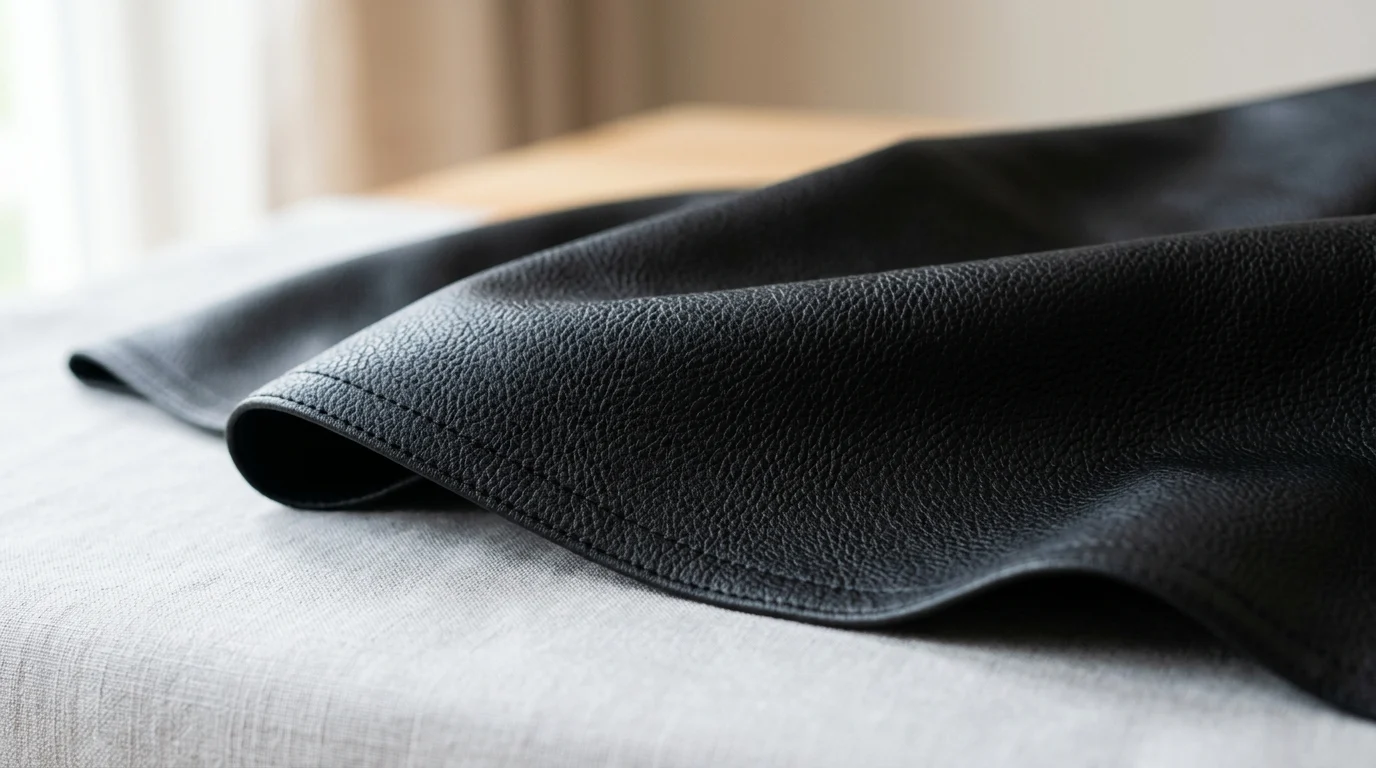
As eco-car design shifts from marketing claims to engineering trade-offs, interior materials are under closer scrutiny. Synthetic leather stands out because it reduces cost and weight while helping automakers meet durability, performance, and sustainability targets. For electric and low-emission vehicles, those advantages directly affect manufacturing efficiency, cabin longevity, and even driving range. This article explains why synthetic leather has become a practical standard for modern eco-car interiors, outlining the material’s benefits, where it outperforms traditional leather, and what that means for manufacturers and buyers alike.
Why Synthetic Leather Is a Strategic Choice for Eco Cars
The transition toward electrified and environmentally conscious vehicles has forced automotive manufacturers to radically rethink interior material specifications. Traditional cabin materials, while historically associated with luxury, present significant hurdles regarding weight, cost, and environmental impact. As automakers scale production of eco-cars, synthetic leather has emerged not merely as an alternative, but as the baseline requirement for modern vehicle interior design.
Engineering teams are increasingly moving away from legacy materials to advanced polymer-based substrates. This shift is driven by the strict operational parameters of electric vehicles (EVs), where every gram of mass and every fraction of a cent in the bill of materials (BOM) dictates overall platform viability and battery range.
OEM sustainability goals and cost pressure
Original Equipment Manufacturers (OEMs) operate under intense pressure to achieve corporate sustainability targets while simultaneously suppressing vehicle BOM costs. The integration of synthetic leather directly addresses both mandates. Genuine automotive-grade leather typically costs between $25 and $40 per square meter and adds substantial mass to the vehicle interior, averaging 850 to 1,000 g/m².
In contrast, advanced synthetic leather engineered for automotive applications drops the material cost to a highly competitive band of $8 to $15 per square meter. Furthermore, synthetics reduce interior surface weight to approximately 450 to 600 g/m². For an EV requiring roughly 8 to 10 square meters of interior wrapping per vehicle, this weight reduction directly translates to improved energy efficiency and extended battery range, compounding the cost savings beyond the raw material price.
Scalability and supply chain advantages
Beyond unit cost and mass, synthetic leather fundamentally optimizes the automotive supply chain through predictable scalability. Natural hides suffer from inherent biological inconsistencies, scarring, and irregular shapes, which limit automated cutting yields to approximately 60% to 70%. This inefficiency necessitates manual inspection and increases raw material waste.
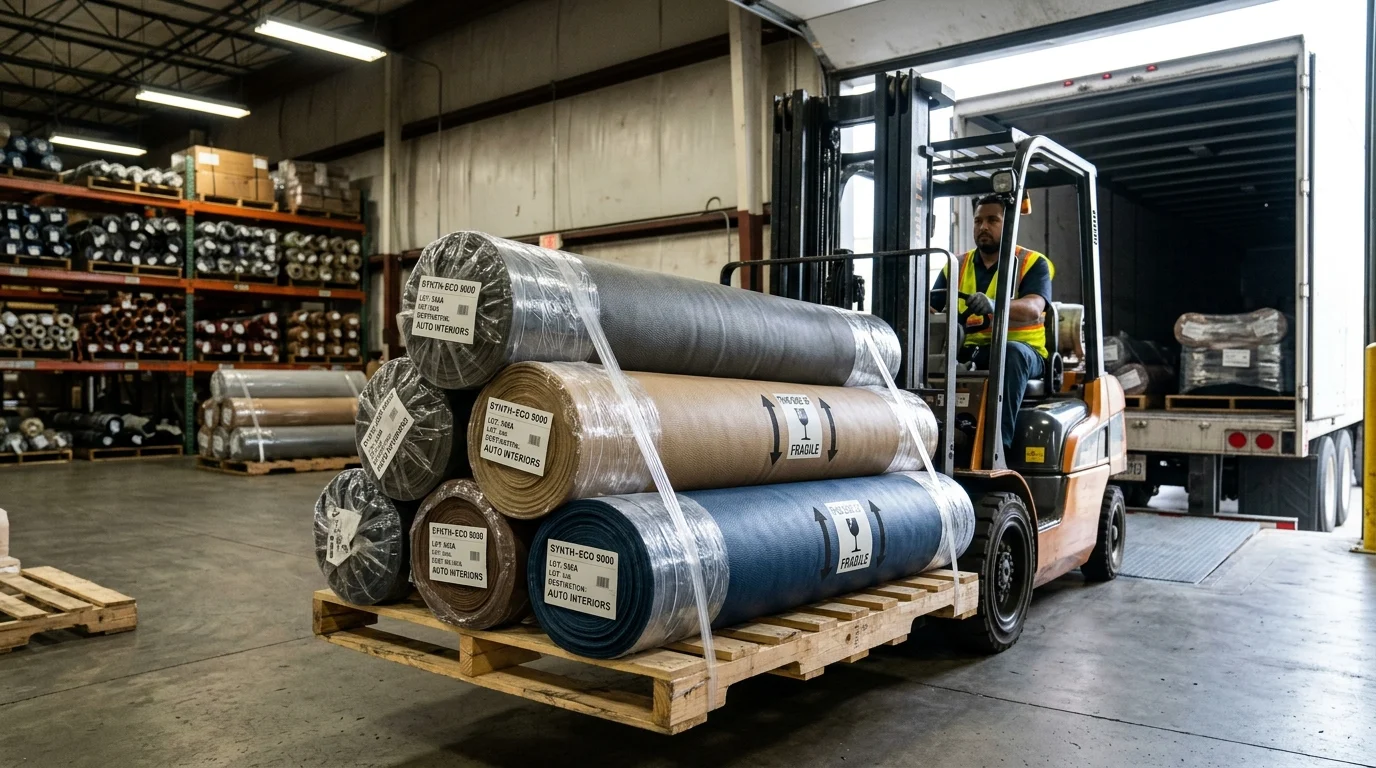
Synthetic leather is manufactured in continuous rolls with standardized widths, typically 1.37 meters (54 inches). This uniformity allows Tier 1 seating and trim suppliers to utilize automated CNC nesting and cutting machinery, driving cutting efficiency up to 85% to 90%. The reduction in scrap material, combined with standard 4-to-6-week production lead times, enables a highly responsive, just-in-time (JIT) manufacturing ecosystem that natural materials cannot reliably support.
What Defines High-Performance Synthetic Leather for Eco Car Interiors
Specifying synthetic leather for automotive interiors requires navigating a complex matrix of polymer science, textile engineering, and surface chemistry. Modern eco-car interiors do not rely on the low-grade polyvinyl chloride (PVC) of the past; instead, they utilize highly engineered polyurethane (PU), microfiber-reinforced matrices, and advanced silicone elastomers.
These high-performance synthetics are formulated to withstand extreme thermal cycling, prolonged ultraviolet exposure, and rigorous mechanical wear, all while delivering a tactile experience that meets or exceeds consumer expectations for premium cabins.
Material constructions, backing systems, and surface finishes
The architecture of premium automotive synthetic leather typically involves three distinct layers: a structural backing, a polymeric core, and a functionalized surface finish. The backing system often utilizes non-woven microfiber meshes or knitted fabrics derived from 100% recycled polyethylene terephthalate (rPET). Microfiber PU constructions, in particular, use a polyamide matrix impregnated with polyurethane to replicate the bundled collagen structure of natural leather, providing superior tear strength.
Surface finishes are equally critical, serving as the primary barrier against environmental degradation. High-performance topcoats are engineered with polycarbonate-based polyurethanes or silicone resins to ensure exceptional hydrolysis resistance. These surface treatments must routinely survive extreme testing protocols, including 1,000+ hours of Xenon arc weathering, without exhibiting chalking, micro-cracking, or gloss deviation.
Key criteria for comparing synthetic and genuine leather
When engineering teams evaluate synthetic versus genuine leather, the decision matrix relies on strict technical criteria encompassing physical properties, manufacturing efficiency, and lifecycle stability.
| Performance Metric | Advanced Synthetic Leather (PU/Silicone) | Genuine Automotive Leather |
|---|---|---|
| Areal Weight | 450–600 g/m² | 850–1,000 g/m² |
| Cutting Yield | 85%–90% (Continuous Roll) | 60%–70% (Irregular Hide) |
| Volatile Organic Compounds (VOCs) | Ultra-low to Zero (Waterborne/Silicone) | Moderate (Tanning residues) |
| Hydrolysis Resistance | > 5 Weeks (Jungle Test – 70°C / 95% RH) | Highly variable based on finish |
| Batch Consistency | ∆E < 0.5 (Highly consistent) | ∆E < 1.5 (Natural variation) |
This table highlights why synthetic materials dominate the eco-car sector. The ability to guarantee a color match (delta E < 0.5) across thousands of continuous meters ensures that door panels, center consoles, and seating components match perfectly, eliminating the labor-intensive sorting required when using natural hides.
Environmental and Compliance Advantages of Synthetic Leather
The designation of an “eco-car” extends beyond the electric powertrain; it requires a holistic approach to the environmental footprint of the entire vehicle. Synthetic leather plays a vital role in this paradigm by drastically reducing the ecological burden associated with automotive interiors.
By leveraging waterborne polymer chemistry and recycled substrate materials, modern synthetic leather manufacturing mitigates the severe pollution, water consumption, and greenhouse gas emissions historically tied to interior textiles and traditional leather processing.
Lifecycle impacts: resource use, emissions, and waste
The lifecycle impact of interior materials is heavily scrutinized under emerging corporate carbon accounting standards. Traditional bovine leather processing is highly resource-intensive; the tanning and finishing phases can consume up to 400 liters of water per square meter of usable automotive leather. Furthermore, the reliance on chromium salts and heavy metals creates hazardous wastewater streams.
Conversely, advanced waterborne PU and silicone-based synthetic leathers require less than 10 liters of water per square meter during production. By eliminating dimethylformamide (DMF) solvents and utilizing closed-loop manufacturing systems, synthetic leather producers have reduced the carbon footprint of the material by an estimated 35% to 50% compared to traditional hides. At the end of the vehicle’s lifecycle, thermoplastic-based synthetics also present more viable pathways for mechanical recycling or waste-to-energy recovery.
Compliance requirements for eco car interiors
Automotive interiors are subject to some of the most stringent chemical compliance and indoor air quality regulations globally. Eco-cars, in particular, are marketed on the premise of a clean, non-toxic cabin environment. Consequently, synthetic leather must comply with rigorous international standards, including the European Union’s REACH regulation and the RoHS directive.
To qualify for an eco-car cabin, the synthetic leather must exhibit exceptional outgassing performance. Formaldehyde emissions are strictly capped, typically requiring results below 10 mg/kg. Furthermore, odor testing is paramount; materials must achieve a score of ≤ 3.0 on the stringent VDA 270 odor scale (tested at varying temperatures and humidities). Modern solvent-free synthetics easily clear these thresholds, ensuring the vehicle interior remains free of the toxic “new car smell” that plagues legacy adhesive and PVC applications.
How to Source and Qualify Synthetic Leather Suppliers
Securing a reliable supply chain for automotive-grade synthetic leather requires rigorous supplier vetting and validation. The automotive industry operates on strict tolerances, meaning procurement teams cannot source materials from standard commercial textile mills.
Suppliers must demonstrate not only advanced chemical formulations and consistent manufacturing capabilities but also total alignment with automotive quality management systems and high-volume delivery schedules.
Supplier selection criteria
When sourcing synthetic leather for OEM production, supplier selection hinges on certified quality infrastructure and scalable production capacity. A baseline requirement is the IATF 16949 certification, which guarantees the supplier utilizes an automotive-specific quality management system focused on defect prevention and variation reduction.
Procurement teams also evaluate commercial flexibility. While mass production requires vast volumes, the initial prototyping and pre-production phases demand lower quantities. Competitive Tier 2 synthetic leather suppliers typically offer a Minimum Order Quantity (MOQ) ranging from 500 to 1,000 linear meters per custom colorway. Additionally, robust suppliers must guarantee standard production lead times of 4 to 6 weeks to integrate seamlessly into Tier 1 seat-assembly schedules.
Validation tests and pilot approval checkpoints
Before a synthetic leather can be integrated into a vehicle BOM, it must survive a grueling battery of validation tests under the Production Part Approval Process (PPAP). These checkpoints ensure the material will survive a 10-to-15-year vehicle lifespan without catastrophic degradation.
| Validation Test | Industry Standard | Typical OEM Passing Criteria |
|---|---|---|
| Abrasion Resistance | ISO 12947 (Martindale) | > 50,000 cycles (No yarn breakage) |
| Flammability | FMVSS 302 | Burn rate < 100 mm/min |
| Cold Flex Cracking | ISO 32100 / Bally | > 30,000 cycles at -30°C |
| Color Fastness to Light | ISO 105-B06 | Rating ≥ 4 (after 5 cycles) |
During pilot approval, materials are also subjected to complex assembly trials to evaluate their stretch, recovery, and compatibility with automated sewing and wrapping processes. Only after passing both the laboratory bench tests and the pilot manufacturing checkpoints is the material granted a formal release for mass production.
Decision Framework for Specifying Synthetic Leather
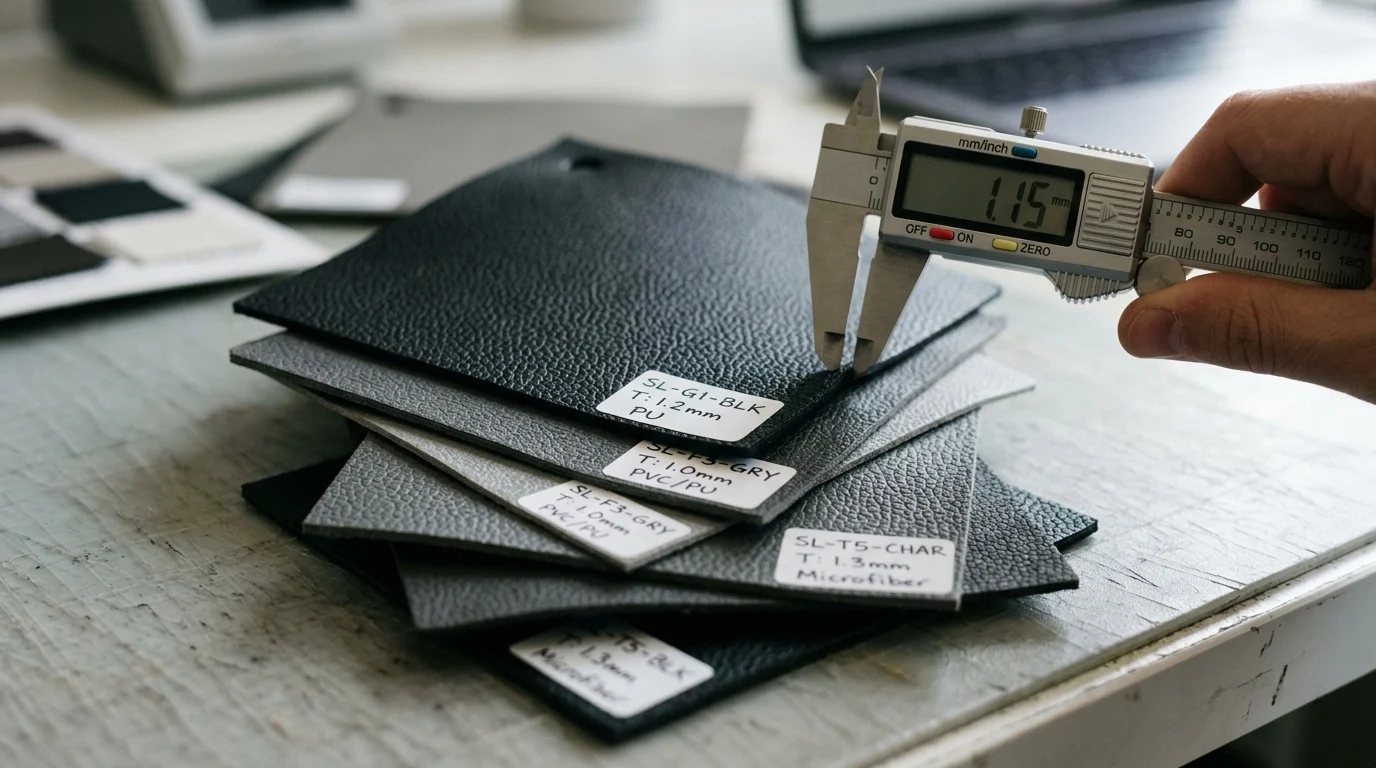
Finalizing the material specification for an eco-car interior is a highly cross-functional process. It requires balancing aesthetic intent, engineering performance, and strict financial targets.
A structured decision framework ensures that the selected synthetic leather meets the diverse and often conflicting demands of the various departments involved in vehicle development, ultimately yielding a cabin that is durable, beautiful, and economically viable.
How to compare material options
Comparing material options requires analyzing the Total Cost of Ownership (TCO) rather than just the per-meter purchase price. Procurement must calculate the effective yield, accounting for the 85% to 90% utilization rate of synthetic rolls versus the higher scrap rates of natural materials.
Furthermore, the framework must assess long-term warranty risk. Inferior materials that suffer from premature hydrolysis or UV degradation will trigger expensive field replacements. High-performance synthetics are engineered to maintain a defect rate of < 0.1% in the field over a 10-year period. By plotting the initial BOM cost against expected cutting yields and projected warranty claims, OEMs can objectively quantify the financial superiority of advanced synthetic leather over legacy alternatives.
How procurement, engineering, and design teams align
Successful specification requires alignment across design, engineering, and procurement. The design studio prioritizes haptics, targeting a soft-touch feel, deep matte finishes, and specific grain textures to elevate the cabin’s perceived luxury. Meanwhile, the engineering team imposes rigid functional constraints, demanding high seam-slippage resistance and cold-flexibility down to -30°C to prevent airbag deployment failures.
Procurement acts as the balancing force, ensuring these aesthetic and technical requirements do not breach the target cost band—often strictly capped at $12 to $15 per square meter for mid-tier EV platforms. By utilizing concurrent engineering practices during the early phases of vehicle architecture, these three disciplines can iterate on polymer formulations and backing substrates with the supplier, ultimately converging on a synthetic leather specification that satisfies the rigorous demands of the modern eco-car.
Key Takeaways
- The most important conclusions and rationale for Synthetic Leather
- Specs, compliance, and risk checks worth validating before you commit
- Practical next steps and caveats readers can apply immediately
Frequently Asked Questions
Why is synthetic leather better for eco-car interiors?
It lowers material cost, reduces interior weight, and supports cleaner, scalable production. In EVs, lighter synthetic leather can also help improve energy efficiency and simplify high-volume manufacturing.
Which synthetic leather types work best for automotive interiors?
Automotive programs often choose microfiber PU, water-base PU, TPU, or silicone, depending on durability, VOC, and touch targets. The best option depends on seating, door trim, and performance specifications.
How does synthetic leather support OEM sustainability goals?
It can use recycled backings, reduce cutting waste, and offer ultra-low VOC formulations. Water-base PU and silicone options are especially useful for cleaner cabin air and sustainability-focused vehicle programs.
Can HAOHAO support large-volume automotive synthetic leather supply?
Yes. HAOHAO operates 3 specialized factories with 50 million meters annual capacity, helping OEMs and Tier suppliers secure scalable production, steady lead times, and responsive R&D-to-delivery support.
What should buyers check before selecting synthetic leather for car interiors?
Confirm hydrolysis resistance, UV stability, abrasion performance, VOC level, weight, and cutting efficiency. Also verify supplier quality control, color consistency, and ability to meet automotive development timelines.