
Introduction
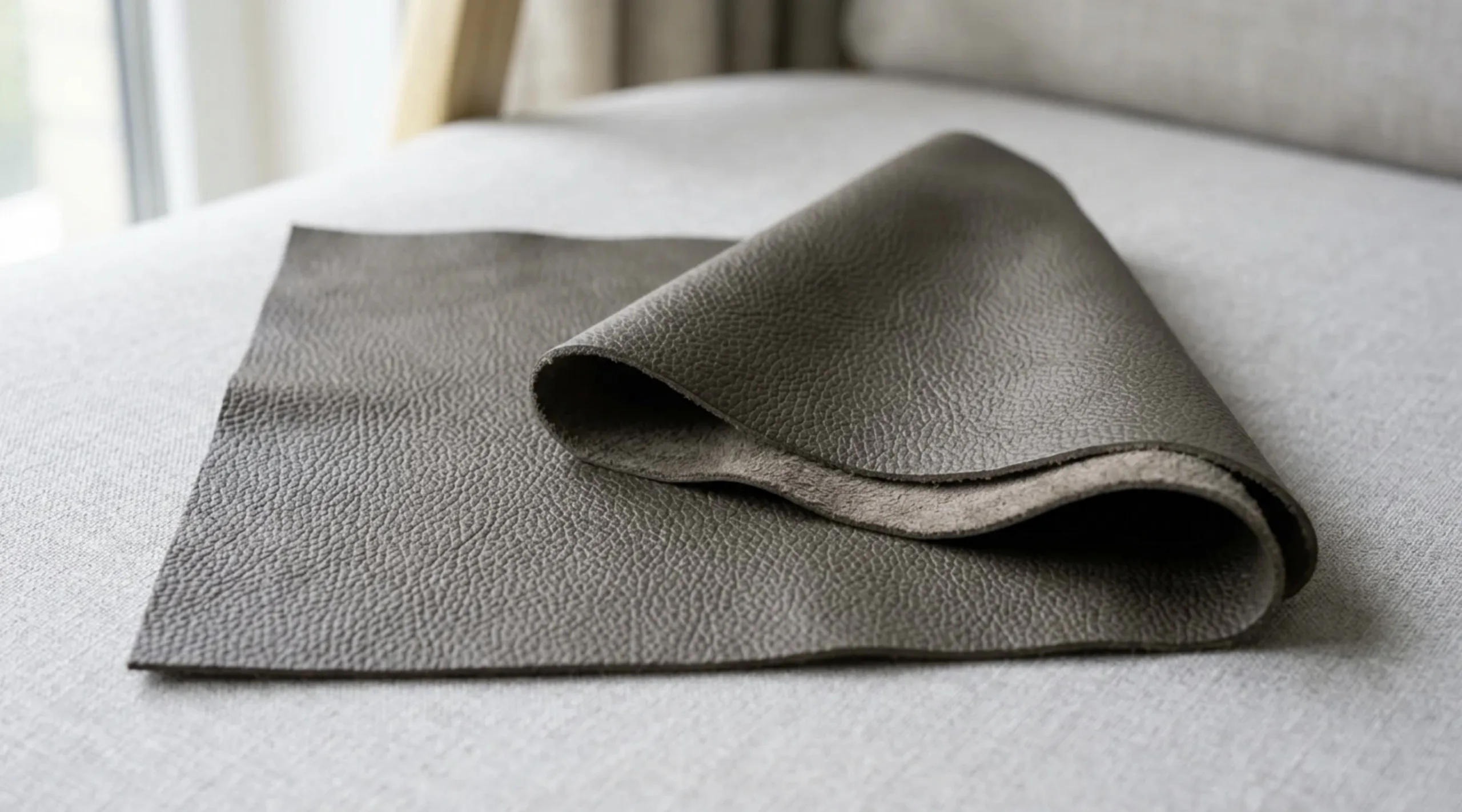
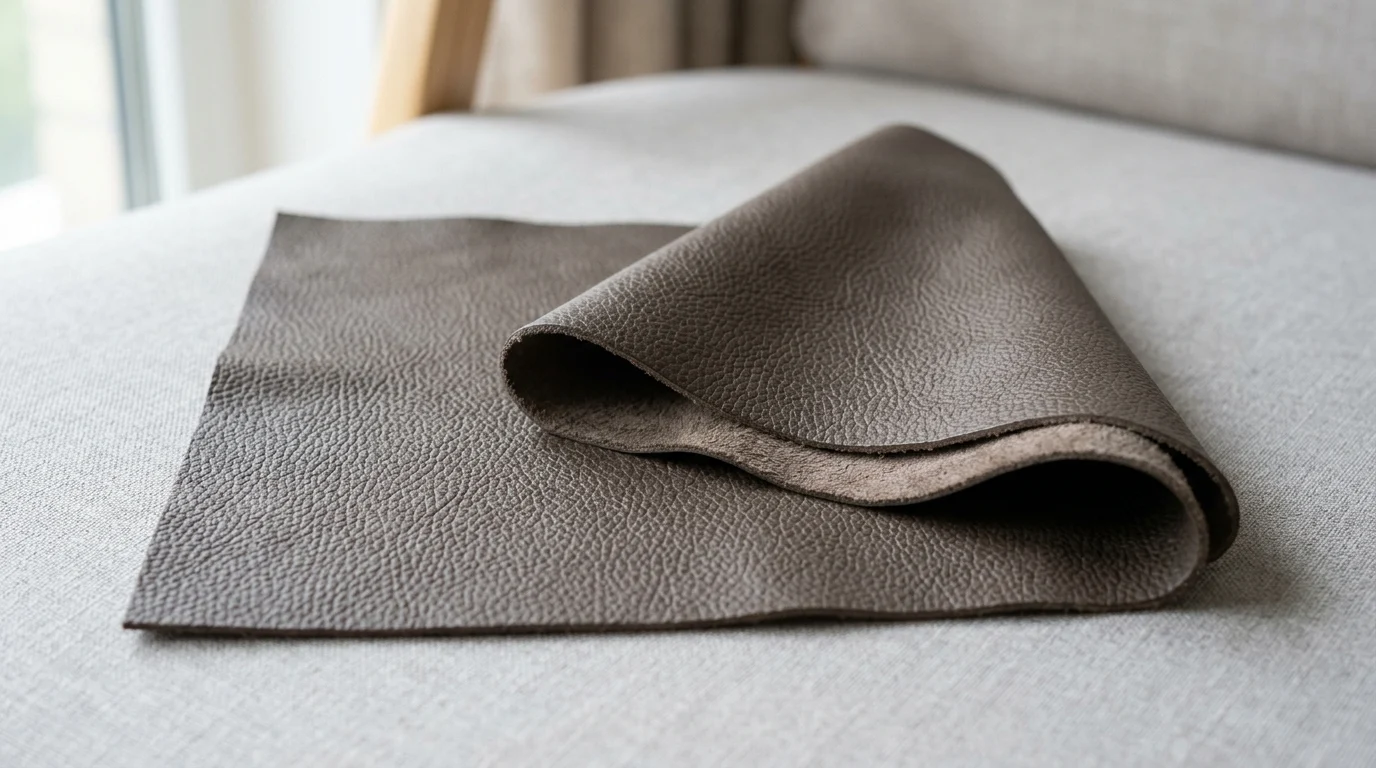
As sustainability standards tighten and product safety moves higher on sourcing agendas, water-based PU leather is emerging as a practical replacement for solvent-based synthetics. Global brands are favoring it not only because it reduces reliance on DMF and other VOC-heavy chemicals, but also because it better supports compliance, ESG goals, and lower-impact manufacturing. This article explains the forces behind that shift in 2026, including regulatory pressure, material-performance improvements, and the categories where adoption is accelerating fastest, so readers can understand why this material is becoming a mainstream choice rather than a niche alternative.
Why Water-Based PU Leather Is Becoming a Preferred Choice
The transition toward sustainable synthetic materials has reached an inflection point. By 2026, global brands are aggressively pivoting away from traditional solvent-based polyurethanes in favor of water-based PU leather. This shift is driven by a convergence of tightening environmental regulations, advanced material science, and shifting consumer expectations regarding product safety and ecological impact.
Brand sourcing priorities, regulation, and material innovation
Historically, synthetic leather production relied heavily on dimethylformamide (DMF) and other volatile organic compounds (VOCs). However, as regulatory frameworks like the European Union’s REACH restrict DMF residues to below 10 parts per million (ppm) in finished goods, manufacturers are compelled to innovate. Water-based PU eliminates these toxic solvents from the manufacturing process, replacing them with water dispersions. This innovation not only aligns with aggressive corporate Environmental, Social, and Governance (ESG) targets but also significantly reduces the carbon footprint of the supply chain.
Fastest-growing product categories and regions
Adoption is accelerating most rapidly within the footwear, automotive interiors, and premium furniture sectors. Automotive OEMs, in particular, are driving demand, utilizing water-based PU for seating and dashboard wrapping to meet stringent vehicle interior air quality standards (VIAQ). Regionally, the European and North American markets are leading procurement volumes, though manufacturing hubs in the Asia-Pacific—specifically Vietnam and China—are scaling water-based production lines to meet export demands. The global market for eco-friendly synthetic leather is projected to expand at a compound annual growth rate (CAGR) exceeding 8.5% through the end of the decade, reflecting a decisive industry mandate.
What Water-Based PU Leather Is and How It Compares
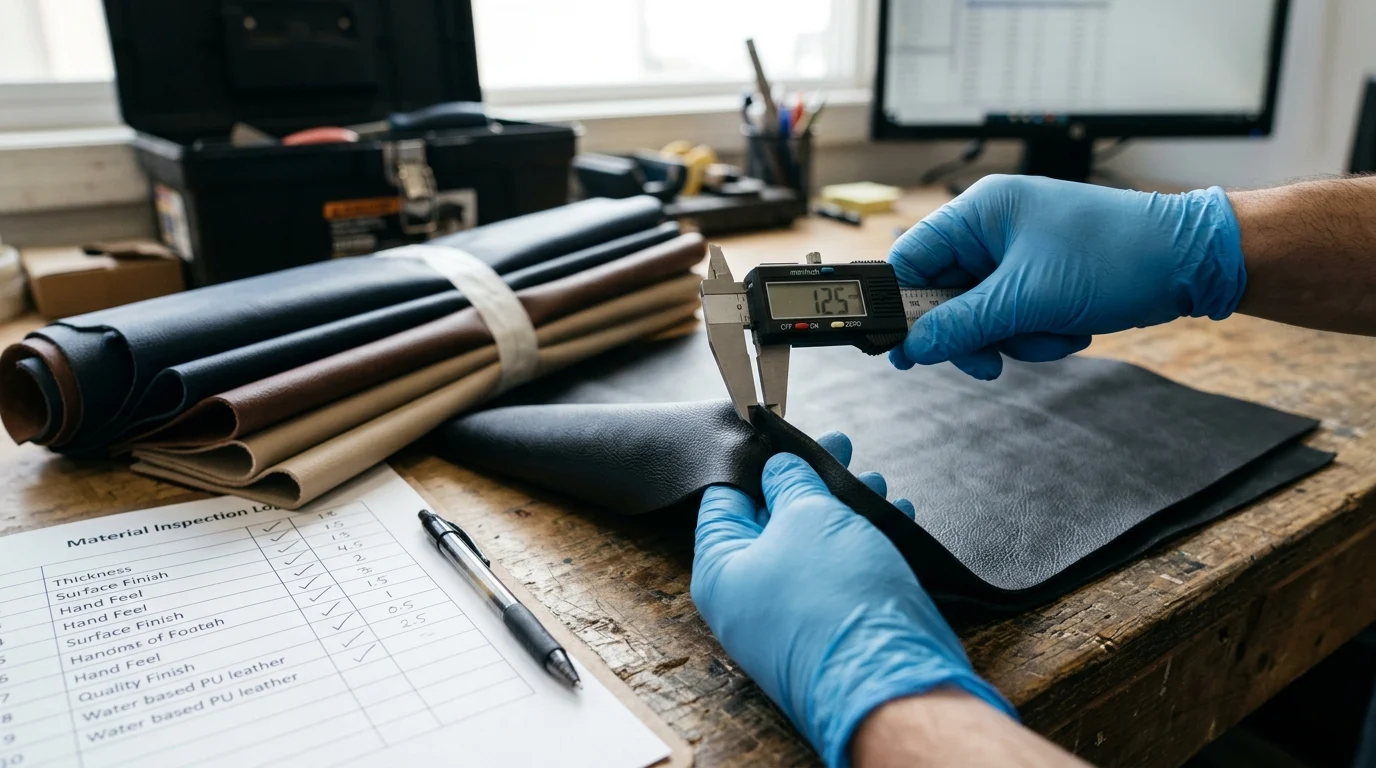
Water-based polyurethane (WBPU) leather represents a fundamental shift in polymer processing. Unlike conventional synthetic leather that utilizes chemical solvents to dissolve polyurethane resin, WBPU uses water as the primary dispersion medium. This alters both the manufacturing infrastructure and the final physical properties of the material.
Technical and processing characteristics
The technical foundation of water-based PU lies in polyurethane ionomers dispersed in water. During production, the water evaporates in curing ovens, leaving behind a continuous, flexible polymer film on the carrier fabric. This process requires precise temperature and humidity controls to prevent blistering and ensure proper cross-linking. The resulting material exhibits a highly uniform cellular structure, which enhances breathability and yields a softer, more natural hand-feel compared to its solvent-based predecessors. Standard production thicknesses range from 0.5 mm for lightweight apparel to 1.4 mm for heavy-duty automotive or furniture upholstery.
Key buyer comparison criteria
Buyers evaluating synthetic leathers must weigh several critical criteria: physical durability, sensory attributes, chemical safety, and cost. Water-based PU excels in chemical safety and sensory appeal, offering high moisture vapor transmission rates (MVTR) that improve comfort in footwear and apparel. However, achieving high peel strength—typically required to exceed 3.0 kg/3cm for footwear applications—demands premium resins and optimized bonding agents, which can influence the final material cost. Procurement teams must balance these performance upgrades against their target bill of materials (BOM).
Useful specification and comparison tables
The following table outlines a baseline comparison between water-based PU, traditional solvent-based PU, and PVC leather across key procurement metrics.
| Feature/Metric | Water-Based PU | Solvent-Based PU | PVC Leather |
|---|---|---|---|
| Primary Solvent | Water | DMF, Toluene | Plasticizers (Phthalates) |
| VOC Emissions | < 100 ppm | High (often > 1,000 ppm) | Moderate (varies) |
| Breathability (MVTR) | High | Moderate | Very Low |
| Cold Crack Resistance | Excellent (down to -20°C) | Good | Poor |
| Estimated Cost Index | 1.15 – 1.30 | 1.00 (Baseline) | 0.60 – 0.80 |
How Compliance, ESG, and Product Safety Favor Water-Based PU Leather
The regulatory landscape governing textile and apparel manufacturing is becoming increasingly punitive toward hazardous chemicals. For global brands, the risk of non-compliance translates to supply chain disruptions, product recalls, and severe reputational damage. Water-based PU leather acts as a strategic risk-mitigation tool against these vulnerabilities.
VOC reduction, chemical management, and restricted substances
The most significant advantage of water-based PU is the near-total elimination of volatile organic compounds (VOCs). Traditional solvent-based processes can emit up to 40% of their solvent weight as VOCs into the atmosphere if factory recovery systems are inefficient. Water-based systems reduce this emission profile to near zero. Furthermore, the absence of restricted substances like DMF, toluene, and heavy metal catalysts ensures immediate compliance with the Zero Discharge of Hazardous Chemicals (ZDHC) Manufacturing Restricted Substances List (MRSL) V3.1. This chemical management advantage drastically reduces wastewater treatment costs and occupational health hazards at the factory level.
Certifications, testing protocols, and disclosure requirements
To substantiate ESG claims and avoid greenwashing, brands must require rigorous testing and certification from their suppliers. Standard certifications for water-based PU include OEKO-TEX Standard 100 (Class I for baby articles requires undetectable levels of harmful chemicals) and the Global Recycled Standard (GRS) if the base fabric utilizes recycled PET. Testing protocols often mandate ISO 17071 for DMF determination and ISO 16000 for indoor air VOC emissions. Transparency is no longer optional; procurement teams now demand full Tier 2 and Tier 3 chemical disclosure declarations before onboarding a new material supplier.
How Global Brands Should Evaluate Quality and Sourcing
Transitioning to water-based PU leather requires rigorous validation of performance metrics to ensure the material meets or exceeds the legacy products it replaces. Procurement teams must balance these technical requirements against total landed costs and supply chain reliability.
Performance metrics, defect risks, and durability tests
Performance validation centers on hydrolysis resistance and flexing endurance. High-grade water-based PU is engineered to withstand a “Jungle Test” (7 to 14 weeks at 70°C and 95% relative humidity) without surface cracking or delamination, making it viable for high-humidity climates. Flexing endurance tests, such as the Bally flex method (ISO 5402), typically require the material to survive upwards of 100,000 cycles at room temperature and 30,000 cycles at -10°C. Defect risks in substandard water-based PU often manifest as poor colorfastness to rubbing (failing to meet a Grade 4 on the grayscale) or inadequate adhesion between the PU film and the backing substrate.
Total landed cost, yield, and lead time
While the base price of water-based PU leather carries a 15% to 25% premium over solvent-based alternatives, the total landed cost equation is more nuanced. High-quality water-based PU offers exceptional roll consistency, often achieving cutting yield rates above 95%, which minimizes scrap waste. Standard Minimum Order Quantities (MOQs) typically range from 500 to 1,000 meters per color. Lead times for custom colors average 15 to 25 days, though brands must account for longer initial development cycles to fine-tune the material’s physical properties to specific product lines.
Practical supplier assessment steps
Practical supplier assessments should focus on machinery capabilities and quality control infrastructure. This involves verifying drying oven configurations—water-based PU requires significantly longer and more precisely controlled drying zones than solvent-based PU to ensure water evaporates evenly without compromising the polymer structure.
The following table summarizes key testing thresholds buyers should verify during supplier audits.
| Test Parameter | Standard / Method | Recommended Threshold for Premium Brands |
|---|---|---|
| Hydrolysis Resistance | ISO 1419 (Jungle Test) | 7 to 14 weeks (no cracking) |
| Bally Flexing | ISO 5402 | > 100,000 cycles (Dry) |
| Peel Strength | ISO 11644 | > 3.0 kg / 3cm |
| Colorfastness (Rubbing) | ISO 105-X12 | Grade 4 (Dry), Grade 3-4 (Wet) |
| DMF Content | ISO 17071 | < 10 ppm (or non-detectable) |
What Decision-Makers Should Prioritize When Choosing Water-Based PU Leat
The successful integration of water-based PU leather into a global supply chain requires strategic alignment across multiple departments. Decision-makers must look beyond per-meter material costs and evaluate long-term brand equity, regulatory resilience, and product lifecycle impacts.
Best-fit use cases, trade-offs, and sourcing scenarios
Water-based PU is best suited for high-touch consumer goods where chemical safety and hand-feel are paramount, such as wearable accessories, children’s footwear, and intimate apparel components. The primary trade-off remains the initial cost premium and the specialized tooling required for optimal adhesion during shoe assembly or upholstery manufacturing. Sourcing scenarios often dictate a phased rollout: brands may initially introduce water-based PU in flagship sustainable capsule collections before scaling it across core inline products. This allows partner factories to adjust their cutting and stitching parameters, such as utilizing specific needle profiles to prevent micro-tearing in the softer water-based film.
How procurement, product, and sustainability teams can align
Cross-functional alignment is critical to overcoming transition hurdles. Procurement teams must secure favorable pricing through volume commitments and long-term supplier partnerships, rather than spot-buying. Product design teams must understand the material’s specific drape and stretch characteristics—often ranging from 10% to 25% elongation at break—to optimize patterns and fit. Concurrently, sustainability teams must capture the reduced VOC and carbon footprint data to feed into corporate ESG reporting and consumer-facing marketing. By harmonizing these priorities, global brands can leverage water-based PU leather not merely as a compliance necessity, but as a definitive competitive advantage in the 2026 marketplace.
Key Takeaways
- The most important conclusions and rationale for Water-Based PU Leather
- Specs, compliance, and risk checks worth validating before you commit
- Practical next steps and caveats readers can apply immediately
Frequently Asked Questions
Why are global brands switching to water-based PU leather in 2026?
It helps meet REACH and ESG goals by reducing DMF and VOC exposure, while offering softer feel, better breathability, and safer end products.
How does water-based PU leather compare with solvent-based PU?
Water-based PU uses water instead of DMF, so it has lower VOCs, better comfort, and improved safety. Solvent-based PU can be cheaper but carries higher compliance risk.
Which industries are buying the most water-based PU leather?
Footwear, automotive interiors, and premium furniture are the fastest-growing segments, especially for brands targeting low-emission, export-ready materials.
What specifications should buyers check before sourcing water-based PU leather?
Review thickness, peel strength, MVTR, cold-crack resistance, and VOC or DMF test results. Match specs to the end use, such as shoes, seating, or upholstery.
Can hh-mf.com support export-oriented water-based PU leather sourcing?
Yes, buyers should confirm available grades, compliance documents, and application-specific performance data with hh-mf.com before placing bulk orders.