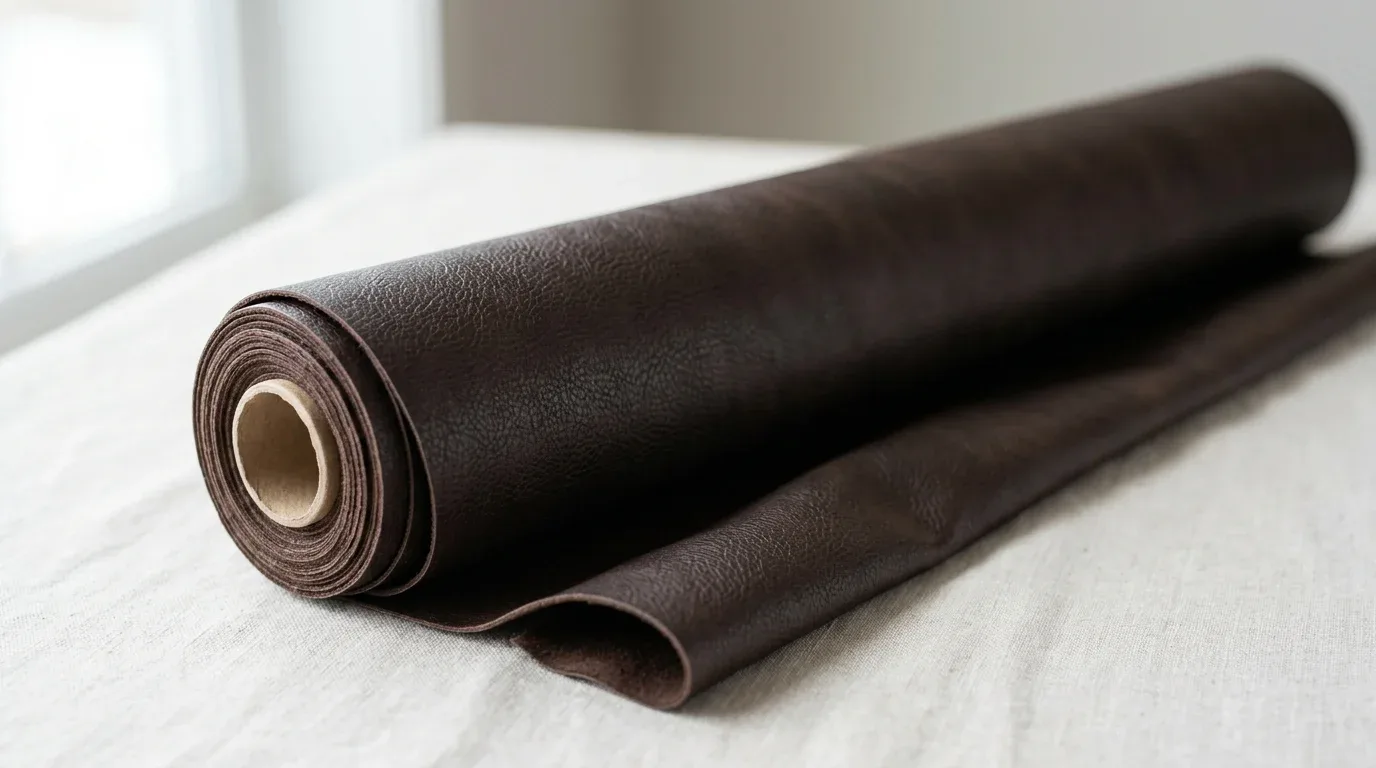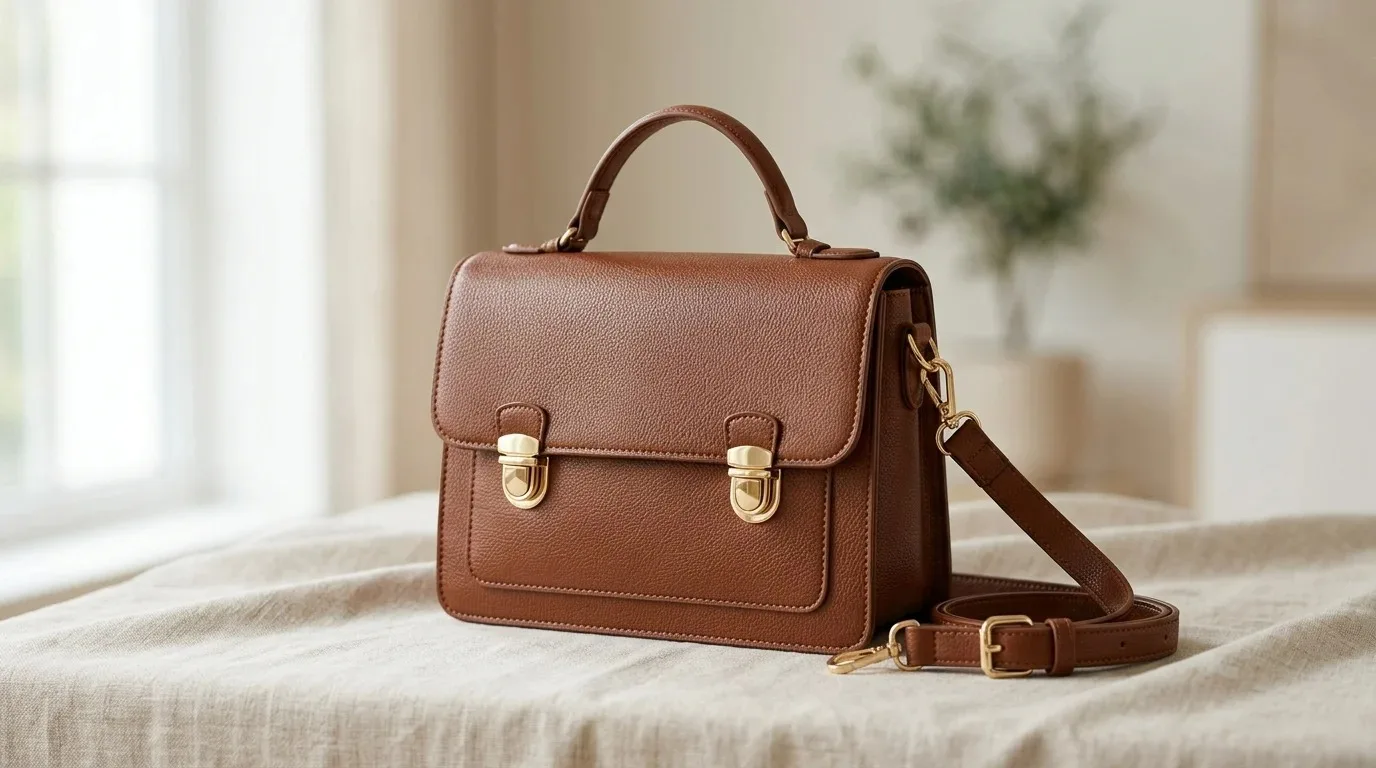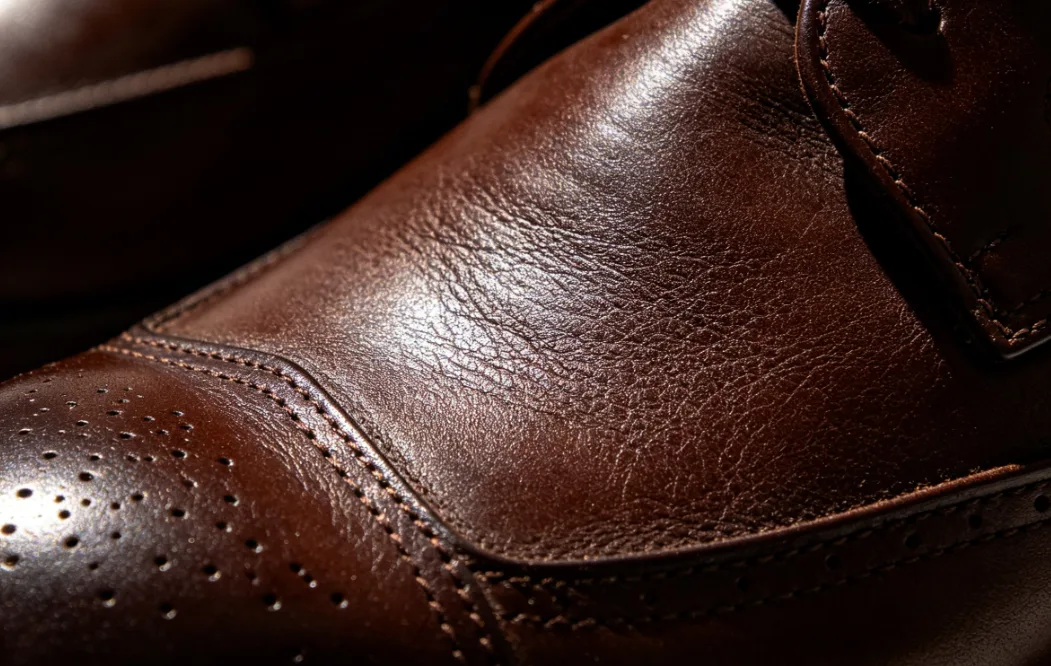
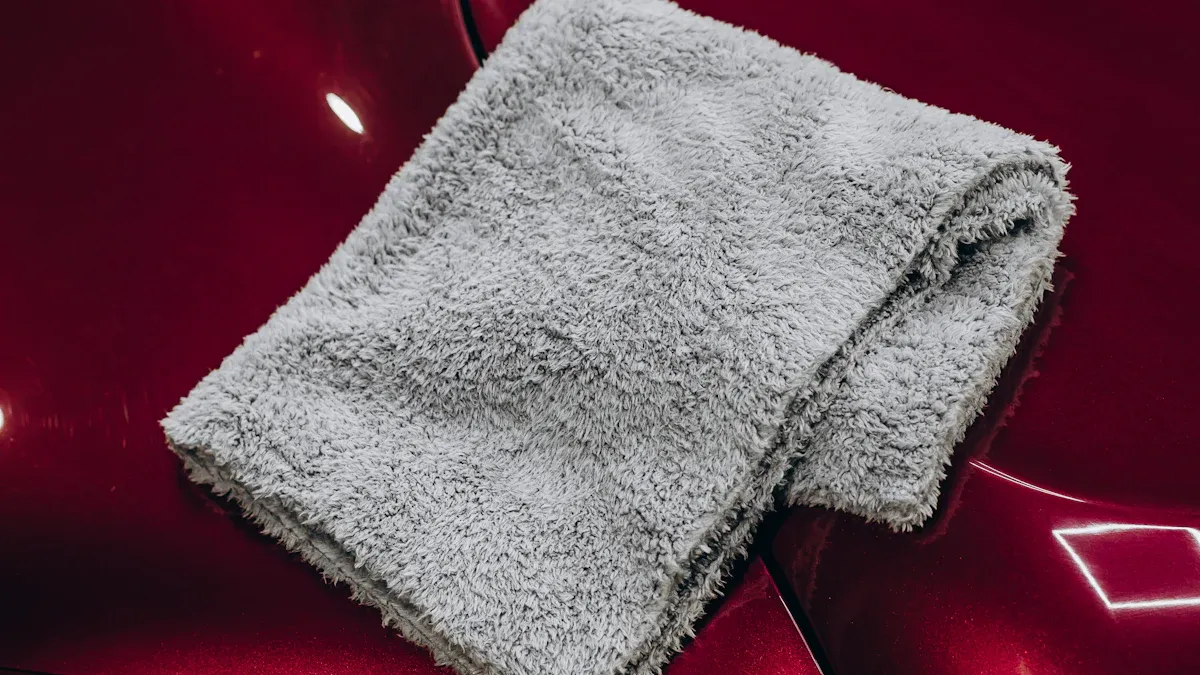
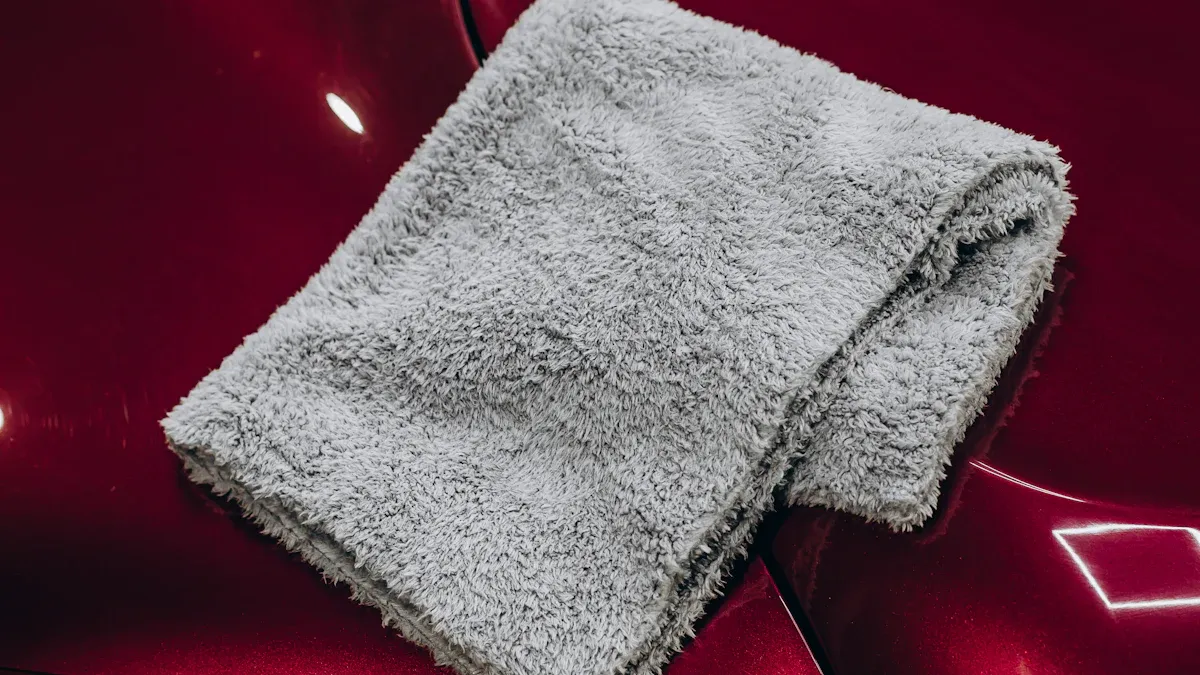
Microfiber leather stands out for its versatility across various industries, including footwear, automotive, and furniture. This innovative synthetic leather material provides a premium feel while delivering exceptional performance. Key benefits of microfiber leather include durability and a positive environmental impact. It is durable, affordable, and easy to maintain, making it an excellent choice for microfiber leather applications. Additionally, it is vegan-friendly and available in a wide range of colors and finishes. Its manufacturing process often consumes less water and produces fewer pollutants than traditional leather tanning, making it an eco-conscious choice for consumers.
Microfiber leather for car seats and microfiber leather upholstery are increasingly popular due to their luxurious appearance and resilience. Furthermore, microfiber leather for footwear has gained traction as a reliable alternative to traditional materials. In 2023, the global market for microfiber leather was valued at approximately USD 1.2 billion. It is projected to grow to around USD 2.7 billion by 2032, driven largely by the automotive and furniture sectors seeking high-quality synthetic leather materials.
Key Takeaways
- Microfiber leather is a versatile material used in footwear, automotive, and furniture, offering durability and a premium feel.
- This eco-friendly alternative to traditional leather reduces environmental impact, making it a popular choice for conscious consumers.
- Microfiber leather in athletic shoes enhances performance with its lightweight and breathable properties, appealing to both athletes and casual users.
- In automotive applications, microfiber leather provides low maintenance and aesthetic appeal, making it ideal for seats and interiors.
- Microfiber leather furniture combines style and practicality, requiring less effort to clean while offering a luxurious look.
Microfiber Leather in Footwear
Athletic Shoes
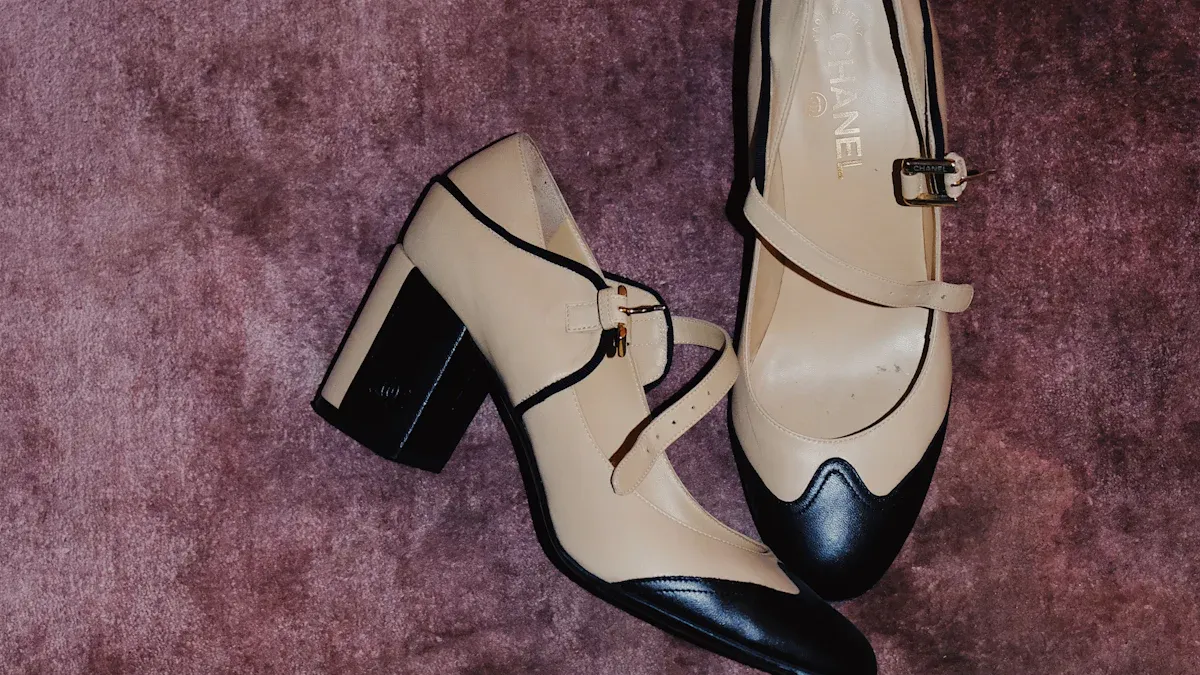
Microfiber leather has revolutionized the athletic shoe industry. Manufacturers favor this material for its lightweight properties and breathability. Athletes benefit from enhanced performance due to the flexibility and comfort that microfiber leather provides. The material’s durability ensures that shoes withstand rigorous training and competition.
Many brands have adopted microfiber leather to create shoes that not only perform well but also look stylish. The ability to produce vibrant colors and unique textures allows designers to cater to diverse consumer preferences. As a result, athletic shoes made from microfiber leather have gained popularity among both professional athletes and casual fitness enthusiasts.
Casual Footwear
In the realm of casual footwear, microfiber leather offers a blend of style and practicality. This material is easy to clean and maintain, making it an ideal choice for everyday wear. Casual shoes crafted from microfiber leather often feature modern designs that appeal to a wide audience.
Consumers appreciate the vegan-friendly aspect of microfiber leather, aligning with their values of sustainability. The reduced environmental impact of microfiber leather compared to traditional leather makes it a preferred option for eco-conscious shoppers. As casual footwear continues to evolve, the use of microfiber leather will likely expand, providing even more options for consumers.
High-End Fashion
Microfiber leather has made significant inroads into the high-end fashion sector. Luxury brands are increasingly presenting this material as a sustainable alternative to traditional leather. The benefits of microfiber leather include reduced carbon emissions and lower water usage during production. For instance, mycelium leather has a carbon footprint of 57.15 kg CO₂e per m², compared to 65 to 150 kg CO₂e for animal leather.
Brands like Stella McCartney lead the charge in ethical production practices, showcasing the potential of microfiber leather in high-fashion collections. This shift not only enhances the aesthetic appeal of luxury footwear but also aligns with the growing consumer demand for sustainable fashion. As the industry continues to embrace innovation, microfiber leather will play a crucial role in shaping the future of high-end footwear.
Microfiber Leather in Automotive
Seat Upholstery
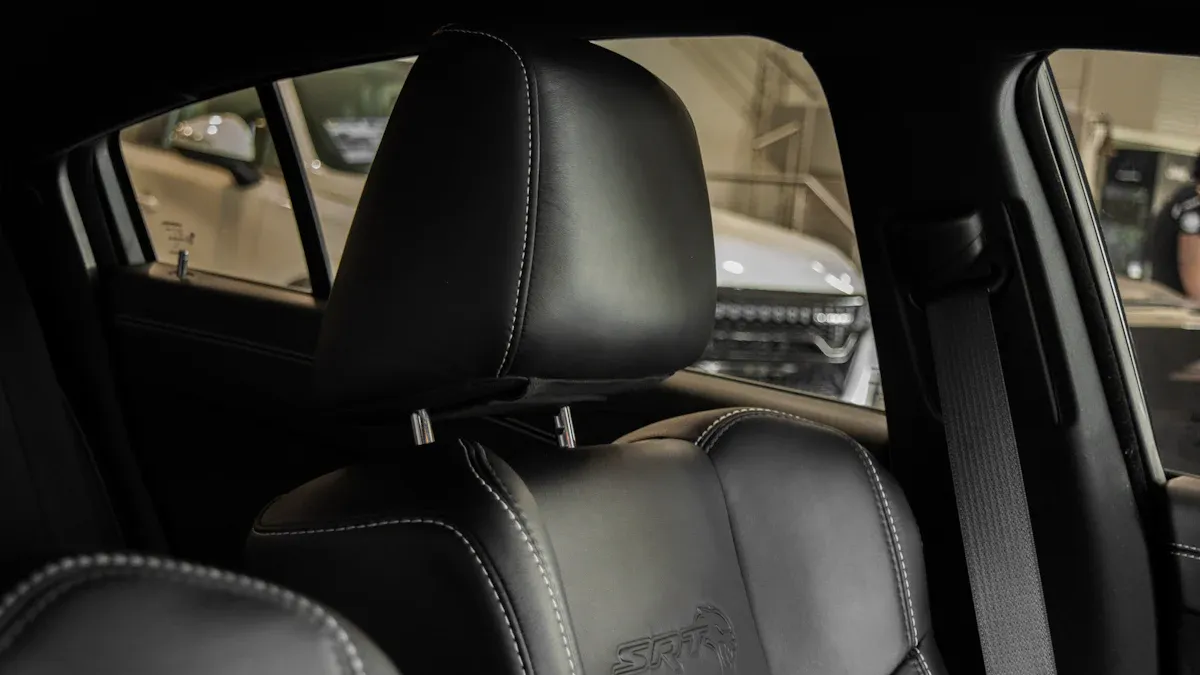
Microfiber leather has become a preferred choice for automotive seat upholstery due to its numerous advantages. Manufacturers appreciate its aesthetic appeal, as it closely replicates the look of premium natural leather while offering greater consistency and design flexibility. The material’s eco-friendliness stands out, as it reduces reliance on livestock farming and can be produced from recyclable materials.
Here are some key features that make microfiber leather ideal for seat upholstery:
| Feature | Description |
|---|---|
| Aesthetic Appeal | Closely replicates the look of premium natural leather with greater consistency and design flexibility. |
| Eco-Friendliness | Reduces reliance on livestock farming and can be made from recyclable materials. |
| Low Maintenance | Requires minimal upkeep, only needing a simple wipe down with a cloth. |
| Comfort and Performance | Breathable, temperature-regulating, and lightweight, enhancing overall vehicle efficiency. |
The low maintenance requirement of microfiber leather makes it particularly appealing for busy consumers. A simple wipe with a cloth keeps seats looking fresh and clean, which is essential for maintaining a vehicle’s interior.
Dashboard and Interior Panels
Microfiber leather also excels in the production of dashboards and interior panels. Its engineering meets the durability requirements necessary for these components. Advanced polymer coatings and dense fiber structures provide water resistance, making it suitable for spills and humidity.
The following properties highlight the effectiveness of microfiber leather in automotive interiors:
| Property | Description |
|---|---|
| Water Resistance | Advanced polymer coatings and dense fiber structures repel liquids, making it suitable for spills and humidity. |
| Abrasion Resistance | Highly resistant to wear and tear, ensuring longevity under frequent use. |
| UV Degradation Resistance | Designed to withstand prolonged sun exposure without losing integrity or appearance. |
| Scratch Resistance | Enhanced with a protective topcoat that maintains color retention and original look over time. |
These features ensure that dashboards and interior panels maintain their appearance and functionality over time, even in challenging conditions.
Steering Wheels
The use of microfiber leather on steering wheels offers numerous tactile and ergonomic benefits. This material enhances driver confidence and vehicle responsiveness through its superior grip. Additionally, it reduces hand fatigue during long drives, as the soft and breathable material molds comfortably to the hands.
Key benefits of microfiber leather on steering wheels include:
| Benefit | Description |
|---|---|
| Superior Grip | Enhances driver confidence and vehicle responsiveness. |
| Enhanced Comfort | Reduces hand fatigue and discomfort during long drives; soft and breathable material molds to hands. |
| Reduced Vibration Transfer | Minimizes strain on hands, wrists, and arms, improving overall comfort. |
| Temperature Regulation | Remains comfortable in both hot and cold conditions, unlike plastic or metal. |
| Improved Directional Accuracy | Offers consistent feedback for precise steering corrections, enhancing safety. |
| Reduced Steering Effort | Non-slip surface requires less hand force, reducing fatigue during driving. |
| Superior Maneuverability | Enables quick and intuitive steering, ideal for urban driving and tight spaces. |
Microfiber leather’s ability to absorb vibrations further enhances the driving experience, making it a superior choice compared to traditional materials.
Microfiber Leather in Furniture
Sofas and Couches
Microfiber leather has transformed the furniture industry, particularly in the design of sofas and couches. This material offers a luxurious appearance while being practical for everyday use. Homeowners appreciate its durability and ease of maintenance. Unlike genuine leather, microfiber leather requires less effort to keep clean.
To maintain microfiber leather sofas, follow these simple steps:
- Dust and vacuum the surface with a soft brush attachment or a dry microfiber cloth.
- Wipe the material gently using a damp cloth with mild dish soap and warm water.
- Rinse away soap residue with a damp cloth and dry the area with a clean towel.
- Treat stains immediately by blotting spills and using a vinegar solution for stubborn spots.
- Condition the surface every three to six months to prevent drying and cracking.
These maintenance tips highlight the practicality of microfiber leather, making it an attractive option for families and busy individuals.
Office Chairs
In office environments, microfiber leather provides both comfort and style. Ergonomic designs featuring this material support posture correction and reduce fatigue. Microfiber leather contributes to all-day comfort without compromising authority.
An executive leather office chair with lumbar support helps maintain appropriate spinal alignment, allowing users to avoid pain and feel energized.
The lifespan of microfiber leather office chairs typically ranges from five to ten years, which is competitive compared to other materials. The following table illustrates the average lifespan of various chair materials:
| Material | Average Lifespan |
|---|---|
| Microfiber Faux Leather | 5 to 10 years |
| Real Leather | 10 to 30+ years |
This comparison shows that while microfiber leather may not last as long as genuine leather, it offers a cost-effective solution for those seeking quality and comfort.
Decorative Accessories
Microfiber leather also finds its place in decorative accessories, enhancing the aesthetic appeal of homes and offices. Items such as cushions, throws, and wall art made from this material add a touch of elegance without the high maintenance associated with traditional leather.
Manufacturers face challenges when sourcing microfiber leather for furniture. Key issues include:
- Market Competition: Intense competition leads to price wars and pressure on profit margins.
- Consumer Perception and Education: Skepticism regarding the quality of microfiber leather compared to traditional leather necessitates effective marketing and education.
- Regulatory Compliance: Navigating compliance with various regulations can be complex, particularly for smaller manufacturers.
Despite these challenges, the versatility and appeal of microfiber leather in decorative accessories continue to grow, making it a popular choice among consumers.
Microfiber leather offers numerous advantages that make it a compelling choice across industries. Key benefits include:
- Cost-Effectiveness: Microfiber leather is up to 50% less expensive than genuine leather.
- Durability: It resists peeling, cracking, and UV damage, ensuring longevity.
- Eco-Friendly: The production process consumes fewer resources and generates less waste compared to traditional leather.
As consumers increasingly seek sustainable and cruelty-free alternatives, microfiber leather’s significance in sustainable practices continues to grow. The market for eco-friendly materials is projected to expand, driven by rising awareness and demand.
Looking ahead, technological advancements in polymer chemistry and smart textiles will enhance microfiber leather’s functionality. The global market is expected to reach approximately $4.5 billion by 2031, indicating strong growth potential in the coming years.
FAQ
What is microfiber leather?
Microfiber leather is a synthetic material made from ultra-fine fibers. It mimics the look and feel of genuine leather while offering enhanced durability and easier maintenance.
Is microfiber leather eco-friendly?
Yes, microfiber leather is considered eco-friendly. Its production process uses fewer resources and generates less waste compared to traditional leather, making it a sustainable choice.
How do I clean microfiber leather?
To clean microfiber leather, use a damp cloth with mild soap. Wipe gently and avoid harsh chemicals. For tough stains, blot immediately and use a vinegar solution.
How long does microfiber leather last?
Microfiber leather typically lasts between 5 to 10 years, depending on usage and care. Proper maintenance can extend its lifespan significantly.
Can microfiber leather be recycled?
Yes, microfiber leather can be recycled. Many manufacturers are exploring ways to recycle this material, contributing to a more sustainable lifecycle.