Why Synthetic Leather Matters in B2B Procurement
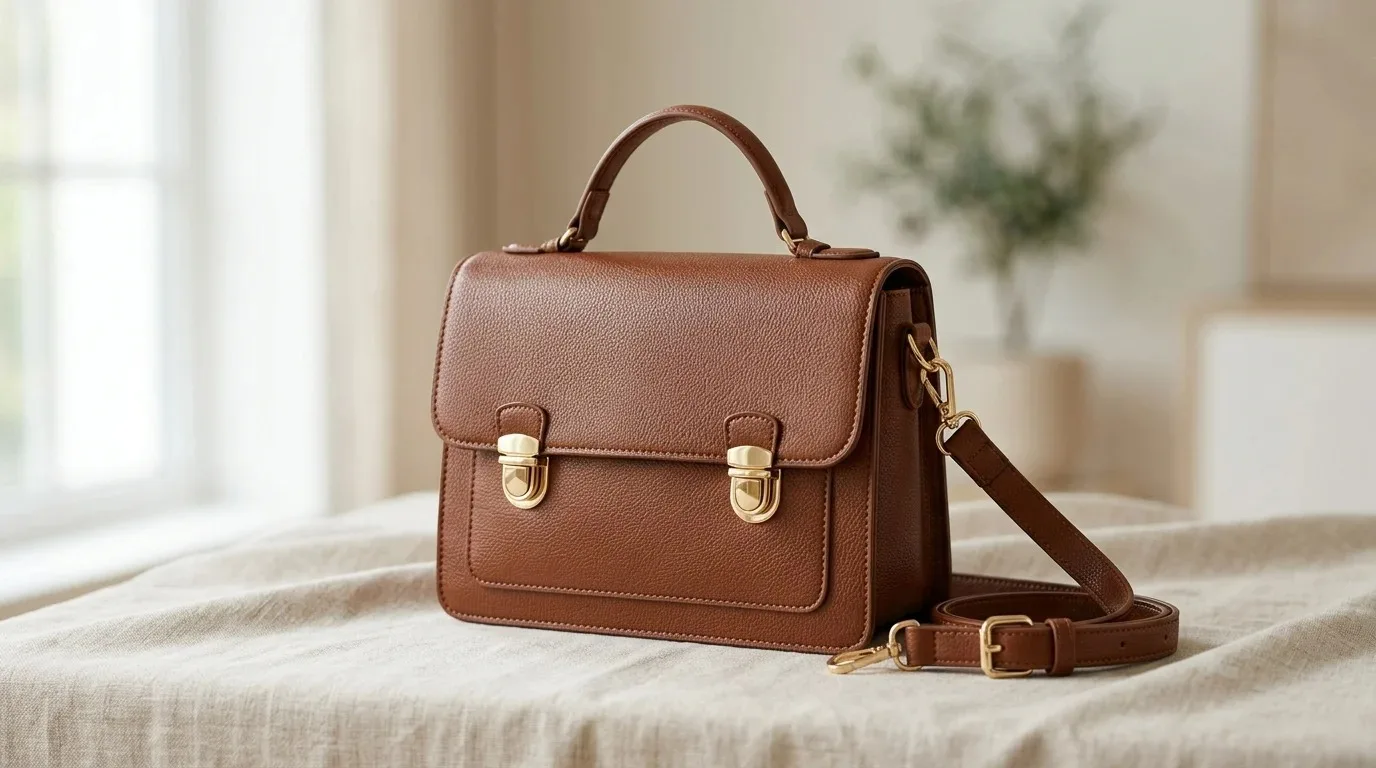
The global procurement landscape for fashion, footwear, and accessories is undergoing a fundamental shift. Synthetic leather has evolved from a budget-oriented substitute for animal hides into a highly engineered, strategic material category. For B2B wholesale buyers and supply chain managers, this evolution presents significant opportunities to optimize margins, guarantee supply chain stability, and meet aggressive corporate environmental, social, and governance (ESG) mandates.
Leading global suppliers now operate highly integrated facilities—often spanning multiple sites with annual production capacities exceeding 50 million meters—enabling them to deliver consistent quality at scale. Understanding the strategic value of these synthetic substrates is the first step in modernizing a brand’s materials portfolio.
Demand Drivers Across Fashion and Accessories
The demand for synthetic leather in commercial fashion is scaling rapidly, driven by shifting consumer preferences and the need for scalable manufacturing inputs. Unlike genuine leather, which is constrained by livestock availability and yields inconsistent usable areas due to natural defects, synthetic rolls offer 100% cutting efficiency. This predictability directly reduces waste in the cutting room and lowers the standard minute value (SMV) in mass production.
Industry forecasts project the synthetic leather market to grow at a CAGR of roughly 7% to 8% over the next five years. This growth is heavily concentrated in footwear and premium accessories, where brands require precise color matching, high batch-to-batch consistency, and the ability to rapidly deploy new textures or embossing patterns to meet seasonal trends.
Impact of Sustainability Targets and Cost Volatility
Volatility in the traditional hide market, driven by agricultural cycles and geopolitical factors, creates severe cost forecasting challenges for procurement teams. Conversely, synthetic leather offers a highly stable pricing structure, with standard commercial grades typically landing between $3.00 and $8.00 per meter, depending on the polymer and backing specifications.
Simultaneously, corporate sustainability targets are forcing a transition away from materials with heavy water and chemical footprints. Tanneries face increasing regulatory pressure regarding chromium effluent, pushing brands toward engineered alternatives. Synthetic materials, particularly those utilizing recycled backing fabrics or bio-based resins, allow brands to drastically reduce their Scope 3 carbon emissions while maintaining strict control over their bill of materials (BOM) costs.
Synthetic Leather Types and Key Material Specifications
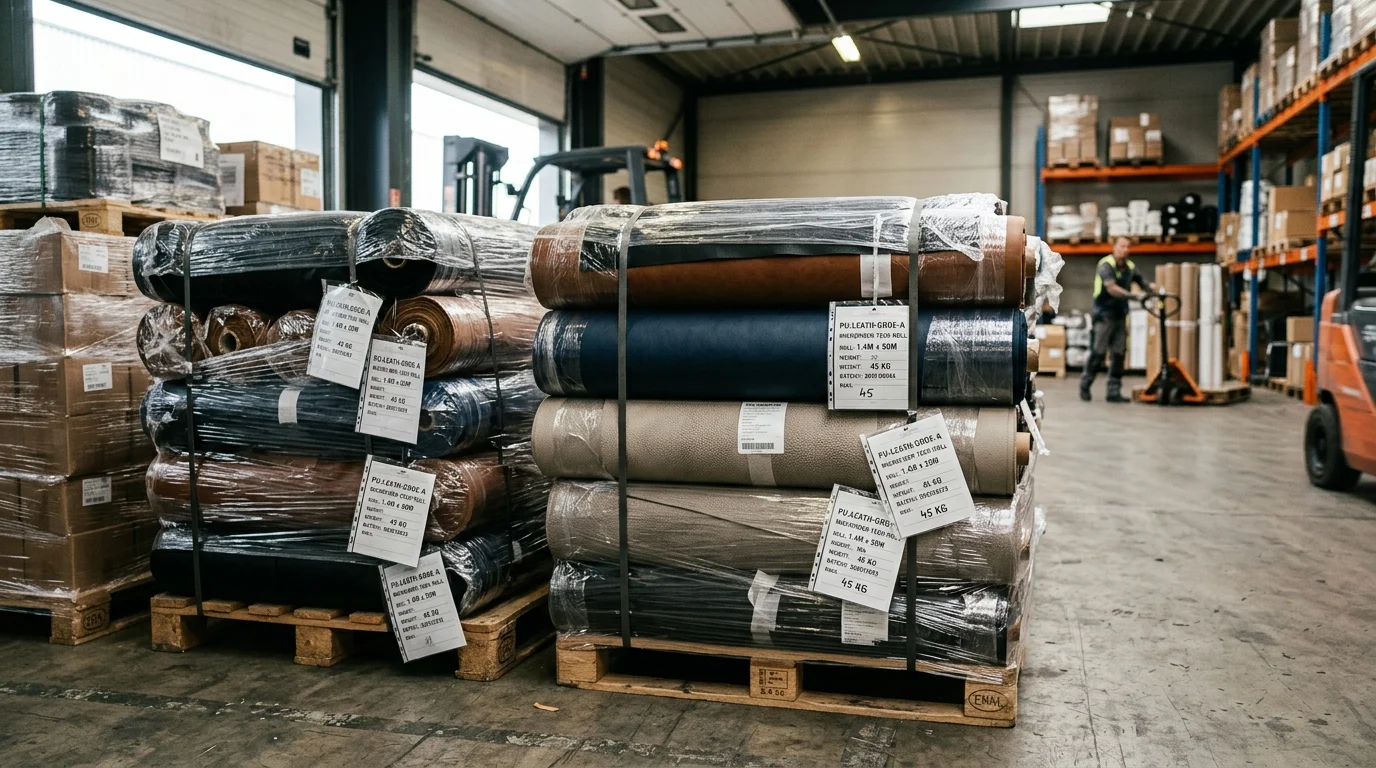
Modern synthetic leather is not a monolith; it encompasses a wide spectrum of polymer chemistries and textile backings. Procurement professionals must navigate these variations to specify the correct material for their end product. Selecting the wrong substrate can result in catastrophic product failures, such as delamination, cracking under cold flex, or premature hydrolysis.
PU, Microfiber, TPU, PVC, and Water-Based Options
The market is segmented into several distinct chemical categories. Polyurethane (PU) remains the industry standard, offering a soft hand-feel and excellent flexibility suitable for garments and bags. Microfiber leather represents the premium tier; it utilizes a non-woven matrix of polyamide and polyurethane that closely mimics the microscopic structure of natural collagen fibers, making it ideal for high-stress applications like footwear and automotive upholstery.
Water-based PU is rapidly gaining market share as an eco-friendly alternative that eliminates the use of hazardous solvents like Dimethylformamide (DMF) during manufacturing. Thermoplastic Polyurethane (TPU) offers superior elasticity and abrasion resistance, while traditional Polyvinyl Chloride (PVC), though declining in fashion applications due to environmental concerns, remains in use for highly cost-sensitive, heavy-duty industrial or promotional applications.
Core Performance and Quality Specifications
When issuing a tech pack to a supplier, buyers must define precise physical properties. Core specifications include overall thickness, which typically ranges from 0.6mm for lightweight garments to over 2.0mm for structured footwear or belts. Peel strength (the force required to separate the polymer coating from the backing) is critical, with high-quality PU requiring a minimum of 2.5 kg/3cm.
Durability is commonly measured via the Martindale abrasion test; standard fashion PU should withstand at least 20,000 to 50,000 rubs, while premium microfiber can exceed 100,000 rubs. Additional crucial metrics include color fastness to rubbing (targeting Grade 4 or 5), cold flex resistance (often tested at -20°C for 50,000 cycles without cracking), and hydrolysis resistance for tropical climates.
How to Compare Materials for Different Use Cases
Aligning the material chemistry with the commercial use case is essential for balancing cost and performance. A high-end athletic shoe requires the breathability and tear strength of microfiber, whereas a seasonal fast-fashion handbag can be effectively executed using standard or solvent-free PU.
| Material Type | Base Chemistry | Relative Cost | Durability (Martindale) | Primary B2B Applications |
|---|---|---|---|---|
| Standard PU | Polyurethane | Low to Medium | 20,000 – 50,000 rubs | Fast fashion, basic accessories |
| Microfiber | PU + Polyamide | High | > 100,000 rubs | Premium footwear, automotive |
| Water-Based PU | Solvent-free PU | Medium to High | 50,000 – 80,000 rubs | Eco-conscious apparel, bags |
| PVC | Polyvinyl Chloride | Very Low | 10,000 – 30,000 rubs | Budget furniture, promotional goods |
Sustainability, Compliance, and Supplier Evaluation
As regulatory frameworks tighten and consumer scrutiny intensifies, B2B buyers must prioritize verifiable compliance. The risk of “greenwashing” in the synthetic materials market is high, making empirical data, third-party certifications, and rigorous supplier auditing non-negotiable components of the procurement process.
How to Verify Sustainability Claims
Validating the eco-credentials of synthetic leather requires recognized global standards. When sourcing materials with recycled content, buyers should mandate Global Recycled Standard (GRS) certification. GRS requires a minimum of 20% recycled material to qualify for certification and at least 50% to feature the GRS logo on consumer-facing products.
For bio-based synthetic leathers, which substitute petroleum-derived polyols with plant-based alternatives (like corn or castor oil), verification should be conducted using the ASTM D6866 standard, which measures exact bio-based carbon content via radiocarbon analysis. Relying on these hard metrics protects brands from regulatory penalties regarding false marketing claims.
Compliance Checks for Importers and Brands
Market access depends heavily on strict chemical compliance. For the European market, synthetic leather must comply with the REACH directive, ensuring materials are free from Substances of Very High Concern (SVHCs). In the United States, adherence to California Proposition 65 is mandatory to avoid costly litigation over phthalates and heavy metals.
A major focal point in synthetic leather compliance is the restriction of Dimethylformamide (DMF), a toxic solvent traditionally used in PU production. Forward-thinking brands are setting strict DMF limits, often requiring levels below 10 ppm (parts per million), effectively necessitating the adoption of water-based or solvent-free PU formulations.
How to Assess Supplier Capability and Credibility
Evaluating a manufacturing partner extends beyond requesting a compliance certificate. A robust supplier assessment should examine the manufacturer’s operational infrastructure. Buyers should look for partners with integrated R&D capabilities, ISO 9001 (Quality Management) and ISO 14001 (Environmental Management) certifications, and a proven track record, ideally with 15 to 20+ years of industry expertise.
Geographic diversification and scale are also critical. Suppliers operating multiple specialized factory sites mitigate supply chain risks and offer the agility required to handle both high-volume standardized runs and specialized, low-volume custom developments.
Cost, Packaging, and Logistics Planning
Optimizing the landed cost of synthetic leather requires a comprehensive understanding of production variables, packaging standards, and global freight logistics. B2B buyers must accurately model these factors to protect gross margins and ensure smooth inventory flow.
Main Landed Cost Drivers
The baseline Free on Board (FOB) price of synthetic materials is primarily dictated by the raw material index—specifically the cost of petrochemical derivatives and the textile backing (woven, non-woven, or knitted). However, the final landed cost is heavily influenced by currency exchange rates, import tariffs, and international freight rates.
Customization also drives cost. Specialized surface treatments, such as anti-microbial coatings, flame retardancy (e.g., meeting BS 5852 standards for furniture), or custom embossing rollers, will increase the price per meter and may require buyers to amortize the cost of new tooling over larger production runs.
MOQ, Packaging, and Shipment Planning
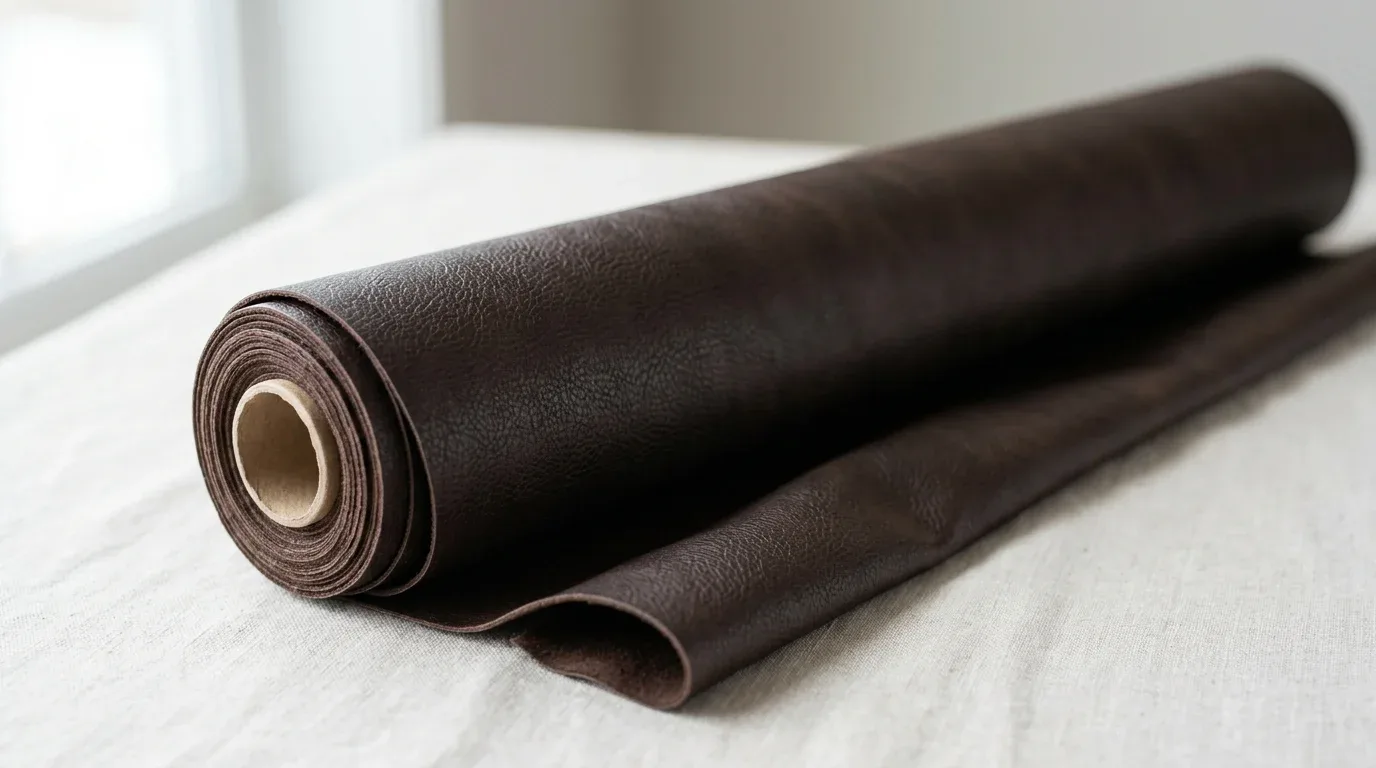
Standardization in ordering and packing is vital for logistics efficiency. Minimum Order Quantities (MOQs) for synthetic leather typically range from 500 to 1,000 meters per color and specification. To prevent crushing, creasing, or moisture damage during ocean transit, the material is rolled tightly onto rigid paper tubes, wrapped in protective PE film, and sealed in durable woven bags.
| Material Thickness (mm) | Standard Roll Length (m) | Estimated MOQ (m/color) | 20ft FCL Capacity (m) |
|---|---|---|---|
| 0.6 – 0.8 | 50 | 1,000 | 22,000 – 25,000 |
| 1.0 – 1.2 | 30 – 40 | 500 – 800 | 15,000 – 18,000 |
| 1.4 – 1.6 | 30 | 500 | 10,000 – 12,000 |
Channel and Market Strategy Considerations
Distribution and channel strategies must account for the physical volume of the material. Because synthetic leather is shipped in bulky rolls, maximizing container utilization is critical. A standard 20-foot Full Container Load (FCL) can accommodate roughly 15,000 to 20,000 meters of medium-thickness (1.2mm) material.
Buyers operating across multiple market tiers often utilize a tiered sourcing strategy. They may allocate premium, high-cost microfiber shipments for their flagship boutique lines while utilizing standard, high-volume PU for mass-market wholesale channels, optimizing container loads and freight costs for each distinct product category.
How B2B Buyers Should Build a Sourcing Strategy

Establishing a resilient sourcing pipeline for synthetic leather demands a systematic, phased approach. B2B buyers must transition from reactive purchasing to strategic supplier integration, ensuring that quality parameters are locked in long before bulk capital is committed.
From Sampling to Production Approval
The development cycle begins with lab dips to confirm color matching under specific light sources (e.g., D65 daylight), which typically require a 3 to 7-day lead time. Once the color is approved, buyers should request A4 swatches to evaluate the hand-feel, grain, and backing material.
Before authorizing full production, procuring 1 to 5 meters of yardage for physical prototyping is essential. This allows the factory to test the material’s behavior during cutting, stitching, and lasting. Only after successful prototype testing should a pilot run (often 100-200 meters) be initiated to validate the supplier’s consistency before moving to bulk orders, which typically carry lead times of 15 to 25 days.
Decision Framework for Material and Supplier Selection
A mature procurement framework evaluates suppliers on a matrix of capabilities rather than competing on price alone. Decision-makers must weigh the supplier’s technical capacity to produce advanced formulations (like water-based PU) against their commercial reliability, including on-time delivery rates and defect thresholds (targeting < 2% variance).
Ultimately, selecting the right synthetic leather partner requires aligning the manufacturer’s operational strengths with the brand’s long-term strategic goals. By prioritizing suppliers with scalable capacity, transparent compliance records, and robust R&D, B2B buyers can future-proof their supply chains and capitalize on the growing demand for sustainable, high-performance materials.
Key Takeaways
- Wholesale sourcing and supply-chain implications for Synthetic Leather
- Specifications, compliance, and commercial terms buyers should validate
- Actionable recommendations for distributors and procurement teams
Frequently Asked Questions
Is synthetic leather more sustainable than genuine leather?
It can be, especially water-based PU, microfiber, or materials with recycled backing. These options reduce reliance on animal hides and can lower water, chemical, and waste impacts when responsibly manufactured.
Which synthetic leather is best for footwear?
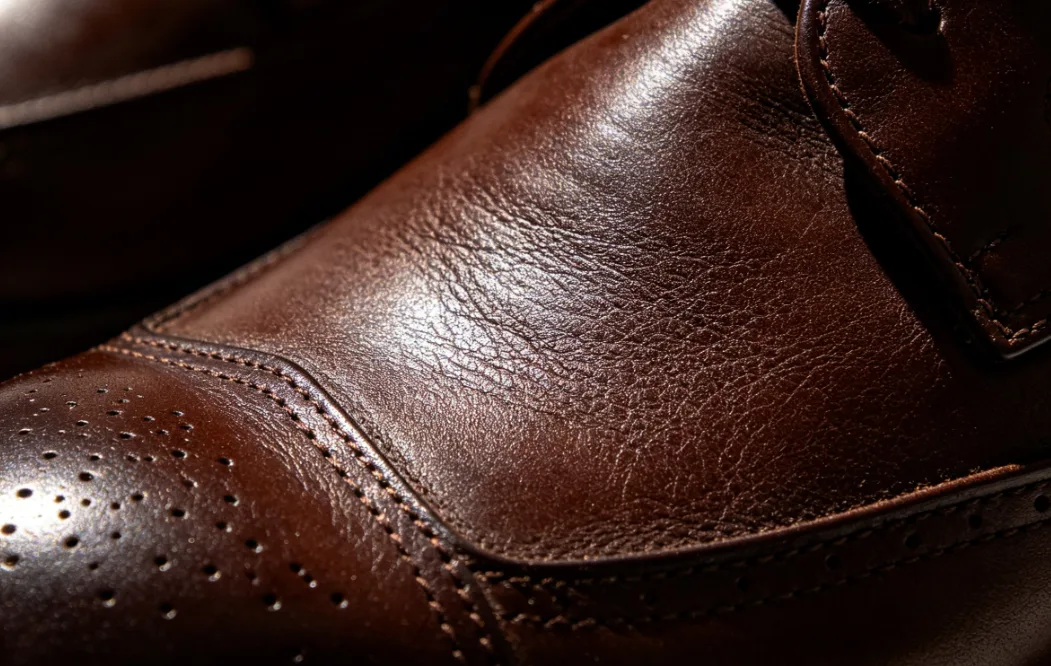
Microfiber leather and high-performance PU are commonly preferred for footwear because they offer strong abrasion resistance, flex durability, stable thickness, and good batch consistency for mass production.
What specifications should buyers check before ordering synthetic leather?
Check thickness, peel strength, Martindale abrasion, color fastness, cold flex resistance, hydrolysis resistance, backing type, and compliance needs. These prevent cracking, delamination, and premature product failure.
Does NINGBO HAOHAO offer sustainable synthetic leather options?
Yes. Haohao supplies options such as water-base PU, microfiber leather, TPU, PU, PVC, and silicon materials, supporting brands seeking scalable synthetic leather with tailored ODM/OEM development.
Why do global brands choose synthetic leather for B2B procurement?
Synthetic leather offers predictable roll quality, stable pricing, scalable supply, consistent color matching, and high cutting efficiency. This helps brands control costs, reduce waste, and meet seasonal production timelines.