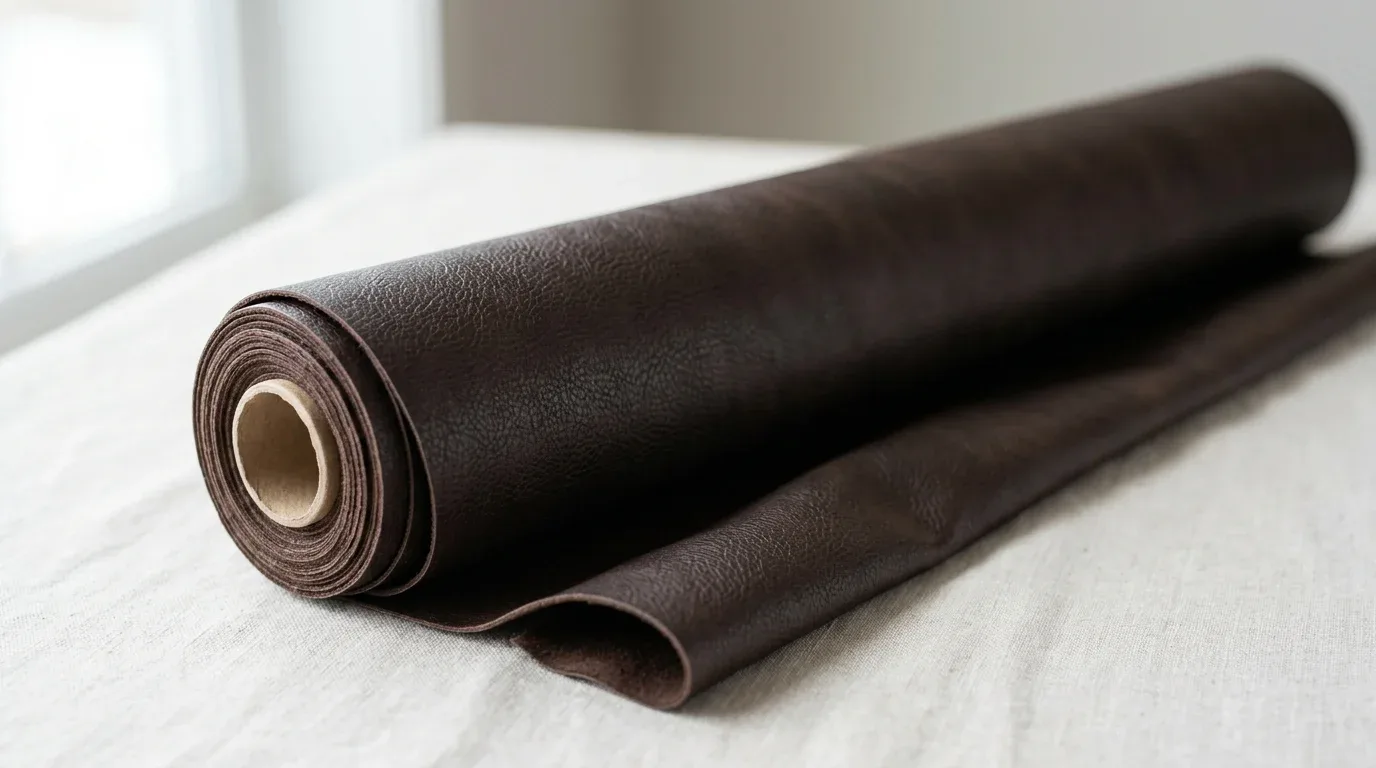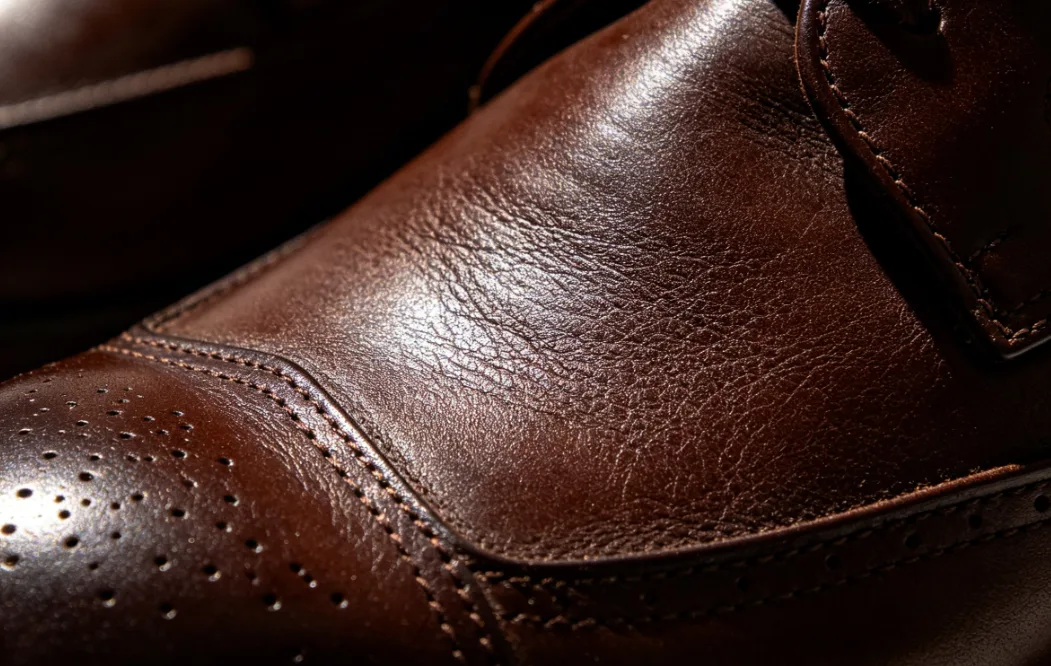
Microfiber leather stands out as the best vegan leather for shoes in 2026. This innovative material combines durability and comfort, making it ideal for modern footwear. As consumer preferences shift, the significance of material choice in footwear rises. Recent market research underscores this trend, revealing a growing demand for lightweight, durable, and eco-friendly materials. The global footwear sole material market, valued at approximately USD 21 billion in 2023, is projected to reach around USD 32 billion by 2032. This growth reflects consumers’ focus on sustainable options, further solidifying microfiber leather’s position as a leading contender in the synthetic leather for shoes category. In the ongoing PU leather durability comparison, many are asking, “Is microfiber leather better than PU?” The answer increasingly leans towards microfiber leather, given its superior performance and eco-friendly attributes.
Key Takeaways
- Microfiber leather lasts longer than PU leather, with a lifespan of 5 to 10 years compared to 3 to 5 years for PU.
- Microfiber leather is more durable, resisting wear and tear better than PU leather, making it ideal for everyday footwear.
- Choose microfiber leather for better comfort and breathability, especially in warm weather, as it allows for better airflow.
- Investing in microfiber leather may cost more upfront, but its durability leads to savings over time due to fewer replacements.
- Microfiber leather is a more sustainable choice, using less water in production and lasting longer than PU leather.
Material Composition
The composition of microfiber leather and PU leather significantly influences their performance and suitability for footwear. Understanding these differences helps consumers make informed choices.
Microfiber leather consists of a high-performance polyurethane surface layer bonded to a three-dimensional microfiber base. This unique structure provides excellent wear and scratch resistance. In contrast, PU leather features a polyurethane base without the added strength of a microfiber layer.
Here’s a comparison of the key features of both materials:
| Feature | Microfiber Leather | PU Leather |
|---|---|---|
| Surface Layer | Stronger abrasion, acid, and alkali resistance | More color options, less durable |
| Base Material | Three-dimensional microfiber nonwoven | Knitted/woven/non-woven fabric |
| Performance | Better moisture absorption and comfort | Inferior in abrasion resistance |
The manufacturing processes also differ between these two materials. Microfiber leather undergoes a specific production flow that enhances its durability. The steps include:
- The backing fabric is made wet.
- Mixed polyurethane material is coated on the wet fabric.
- The coated fabric goes through a solidification process.
This process results in a microfiber base that is coated with high-performance polyurethane, ensuring superior quality. On the other hand, PU leather is produced without a foaming process, which can affect its overall durability.
Durability Comparison
Durability plays a crucial role in the selection of materials for footwear. When comparing microfiber leather and PU leather, significant differences emerge that can influence consumer choices.
Microfiber leather boasts an impressive average lifespan of 5 to 10 years, while standard PU leather typically lasts between 3 to 5 years. This difference in longevity can be attributed to the superior construction and materials used in microfiber leather.
| Type of Leather | Average Lifespan |
|---|---|
| Microfiber Faux Leather | 5 to 10 years |
| Standard PU Leather | 3 to 5 years |
In terms of abrasion resistance, microfiber leather excels. It can withstand over 150,000 rubs in standardized tests, making it highly resistant to wear and tear. In contrast, PU leather generally endures only 30,000 to 50,000 rubs. This stark difference highlights the durability of microfiber leather, especially in high-traffic footwear applications.
| Material | Abrasion Resistance (Rubs) |
|---|---|
| Microfiber Leather | 150,000+ |
| PU Leather | 30,000–50,000 |
Microfiber leather also demonstrates superior resistance to water and stains. It effectively repels moisture and resists common stains such as coffee, oil, and ink. This makes it easier to maintain and clean. On the other hand, while PU leather offers some level of protection, it does not perform as well. Stains can accumulate over time, requiring more effort to clean.
- Microfiber leather can be easily cleaned and repels both water and stains effectively.
- PU leather requires gentle cleaning and is less resistant to stains, with oil and dirt accumulating over time.
In humid conditions, microfiber leather shows greater resilience against breakdown compared to standard PU leather. This characteristic further enhances its appeal for consumers seeking long-lasting footwear options.
Overall, the durability comparison clearly favors microfiber leather. Its longer lifespan, higher abrasion resistance, and superior stain and water resistance make it the preferred choice for footwear in 2026.
Comfort and Breathability
Comfort and breathability are essential factors when choosing footwear materials. Both microfiber leather and PU leather offer distinct advantages and disadvantages in these areas.
Microfiber leather excels in breathability due to its porous structure. This design allows for better airflow, which helps regulate temperature and moisture. In contrast, PU leather has limited breathability. It tends to trap heat, leading to discomfort during extended wear, especially in warm weather.
Here’s a comparison of comfort and breathability features:
| Feature | Microfiber Leather | PU Leather |
|---|---|---|
| Breathability | Better breathability due to porous structure | Limited breathability, traps heat |
| Comfort | More comfortable for long-term wear | Can cause discomfort in warm weather |
| Durability | Durable and luxurious feel | More affordable and lightweight |
Temperature regulation is another critical aspect. Microfiber leather maintains flexibility and comfort even in high temperatures. It quickly conducts moisture and perspiration away from the foot, preventing a stuffy feeling. On the other hand, PU leather struggles with moisture conduction and can lose shape and strength when exposed to heat.
The following table summarizes the temperature regulation properties of both materials:
| Property | Microfiber Leather | PU Leather |
|---|---|---|
| Breathability | More than 40% higher than PU leather | Poor breathability |
| Moisture Conduction | Quickly conducts moisture and perspiration | Limited moisture conduction |
| Comfort in Warm Weather | Less stuffy feeling during extended wear | May cause discomfort in summer |
| Thermal Stability | Maintains flexibility at high temperatures | Can lose shape and strength in heat |
User comfort studies further support these findings. Many users report that shoes made from microfiber leather provide a more comfortable experience for long-term wear. In contrast, PU leather can lead to discomfort, particularly in warmer conditions.
Overall, microfiber leather emerges as the superior choice for comfort and breathability in footwear. Its ability to regulate temperature and moisture makes it ideal for various climates and activities.
Cost Analysis
When evaluating the cost of footwear materials, both microfiber leather and PU leather present distinct financial implications for manufacturers and consumers. Understanding these costs can help buyers make informed decisions.
Microfiber leather typically incurs higher production costs. The complex manufacturing process and advanced simulation techniques contribute to this expense. As a result, microfiber leather is less competitive in terms of price. However, its superior quality often justifies the investment for consumers seeking durability and performance.
In contrast, PU leather boasts relatively low manufacturing costs. This affordability makes it more attractive to value-conscious consumers. The simpler production process allows manufacturers to offer PU leather at a lower price point, appealing to a broader market segment.
Here’s a detailed comparison of the production costs for both materials:
| Type of Leather | Production Cost Description | Price Competitiveness |
|---|---|---|
| Microfiber Leather | High due to complex manufacturing process and high simulation. | Less competitive in terms of price. |
| PU Leather | Relatively low manufacturing cost, making it more competitive in the market. | More suitable for value-conscious consumers. |
While microfiber leather may require a higher initial investment, its longevity and performance can lead to cost savings over time. Consumers often find that investing in quality materials results in fewer replacements and repairs.
Ultimately, the choice between microfiber leather and PU leather hinges on individual priorities. Those who prioritize quality and durability may opt for microfiber leather despite its higher cost. Conversely, consumers focused on budget may find PU leather to be a more suitable option.
Environmental Impact
The environmental impact of footwear materials is a growing concern among consumers. Both microfiber leather and PU leather are synthetic materials that pose challenges in terms of biodegradability. While neither material decomposes easily, microfiber leather exhibits a marginally better biodegradation rate than PU leather. In contrast, natural leather offers significantly superior biodegradability compared to these synthetic alternatives.
Water consumption during production also plays a crucial role in assessing environmental impact. Microfiber PU leather uses less water than traditional leather. Additionally, synthetic leather, including microfiber PU, consumes less water compared to standard PU leather. This reduced water usage makes microfiber leather a more sustainable option in terms of resource consumption.
Disposal of footwear made from these materials raises further environmental concerns. Both microfiber leather and PU leather contribute to pollution through the emission of volatile organic compounds (VOCs) during production. Furthermore, most faux leather items, including PU leather, end up in landfills. These materials do not decompose easily, persisting for decades and fragmenting into microplastics that harm ecosystems.
Here are some key points regarding the environmental impact of these materials:
- Biodegradability: Microfiber leather has a slightly better biodegradation rate than PU leather.
- Water Consumption: Microfiber PU leather uses less water than traditional leather and standard PU leather.
- Disposal Impact: Both materials contribute to pollution and persist in landfills, leading to microplastic contamination.
As consumers become more environmentally conscious, the choice between microfiber leather and PU leather will increasingly hinge on these factors. Understanding the environmental implications of footwear materials can guide consumers toward more sustainable choices.
User Experiences
User experiences play a vital role in understanding the practical implications of choosing between microfiber leather and PU leather for footwear. Many consumers share their insights through online reviews, highlighting key aspects such as durability and comfort.
A recent analysis of user feedback reveals significant differences in how these materials perform in real-world scenarios. The following table summarizes user ratings regarding durability and comfort:
| Feature | PU Leather | Microfiber Leather |
|---|---|---|
| Durability | Lasts 1-3 years, may crack and peel | 5-10 years, highly resistant to wear |
| Comfort | Easy to maintain, water-resistant | Excellent moisture absorption, breathable |
Many users report that microfiber leather shoes provide a more comfortable experience over extended wear. They appreciate the breathability and moisture-wicking properties, which help keep feet dry and comfortable. In contrast, some users of PU leather shoes express concerns about discomfort, especially in warmer conditions. They note that PU leather tends to trap heat, leading to a less pleasant wearing experience.
Tip: When selecting footwear, consider personal preferences for comfort and durability. User reviews can offer valuable insights into how different materials perform in everyday situations.
Additionally, consumers often highlight the longevity of microfiber leather. Many find that investing in microfiber leather shoes pays off in the long run due to their durability. Users frequently mention that they appreciate the resistance to wear and tear, which allows them to enjoy their footwear for several years without significant degradation.
Overall, user experiences indicate a clear preference for microfiber leather when it comes to comfort and durability. As consumers continue to prioritize quality in their footwear choices, microfiber leather stands out as a reliable option for those seeking long-lasting and comfortable shoes.
In summary, microfiber leather outperforms PU leather across several critical attributes.
- Durability: Microfiber leather resists water, abrasion, and UV rays, maintaining its shape over time. In contrast, PU leather often stiffens and cracks in cold conditions.
- Comfort: Microfiber leather offers exceptional softness and breathability, ensuring comfort in various temperatures. PU leather, however, may become uncomfortable as it stiffens.
- Cost: While microfiber leather ranges from $5.7 to $8.5 per meter, its longevity provides better long-term value. PU leather, priced between $3.5 and $4.5 per meter, may incur higher replacement costs.
- Environmental Impact: Microfiber leather is more sustainable due to its longer lifespan and reduced need for replacements.
Given these findings, microfiber leather emerges as the superior choice for footwear in 2026, aligning with consumer preferences for durability and sustainability.
FAQ
What is microfiber leather?
Microfiber leather is a synthetic material made from a polyurethane surface layer bonded to a microfiber base. This combination offers excellent durability, breathability, and comfort, making it ideal for footwear.
How does PU leather differ from microfiber leather?
PU leather consists of a polyurethane layer without the added strength of a microfiber base. It is generally less durable and breathable compared to microfiber leather, which enhances its performance in footwear.
Is microfiber leather more expensive than PU leather?
Yes, microfiber leather typically has higher production costs due to its complex manufacturing process. However, its durability often justifies the investment, leading to long-term savings for consumers.
How do I clean shoes made from microfiber leather?
Cleaning microfiber leather shoes is simple. Use a damp cloth to wipe away dirt and stains. For tougher stains, a mild soap solution can help. Avoid harsh chemicals that may damage the material.
Are there any environmental benefits to using microfiber leather?
Microfiber leather has a lower environmental impact compared to traditional leather and PU leather. It uses less water during production and has a longer lifespan, reducing the need for replacements and waste.