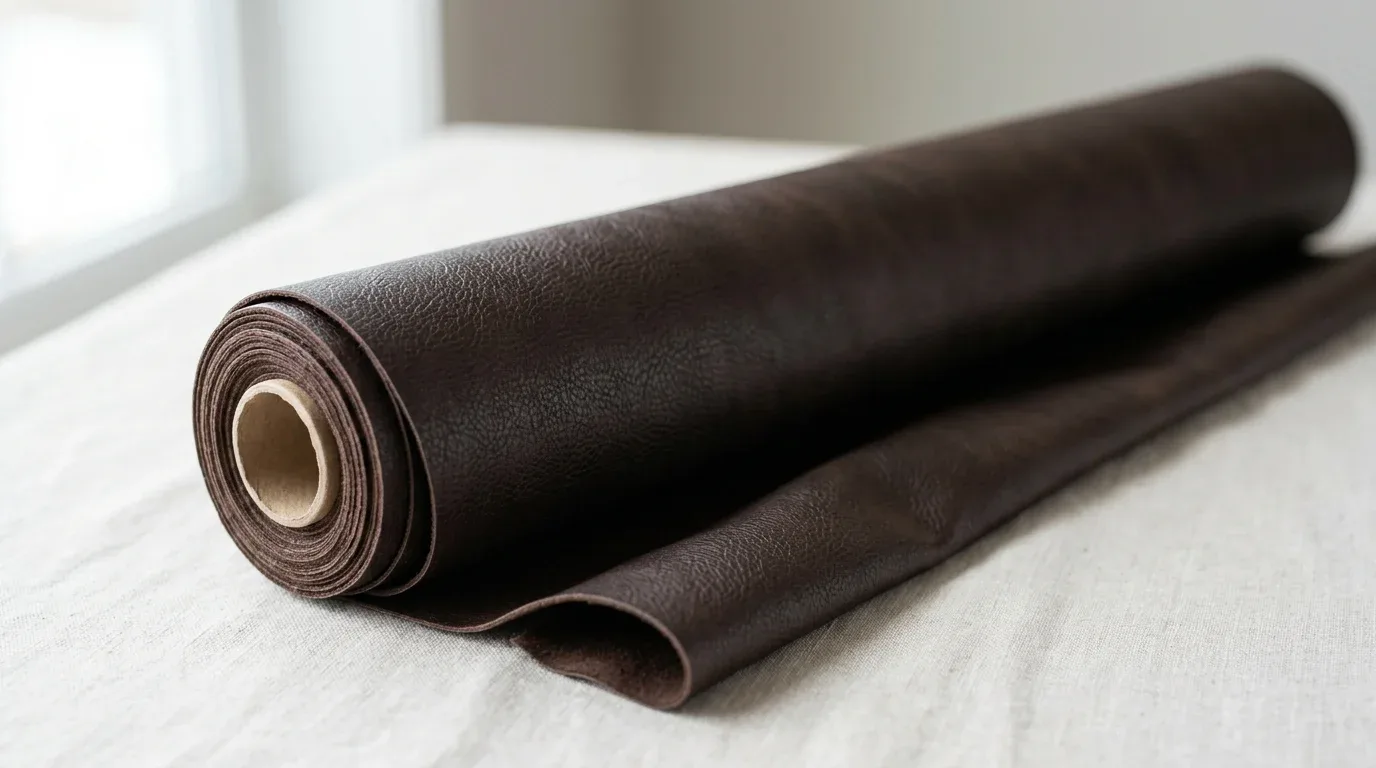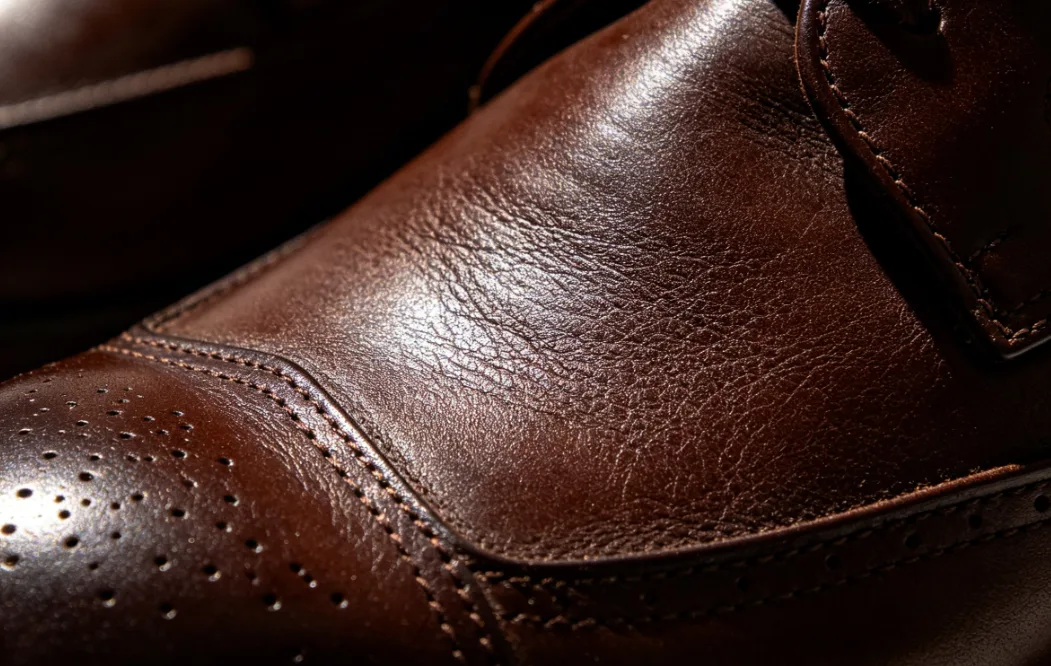
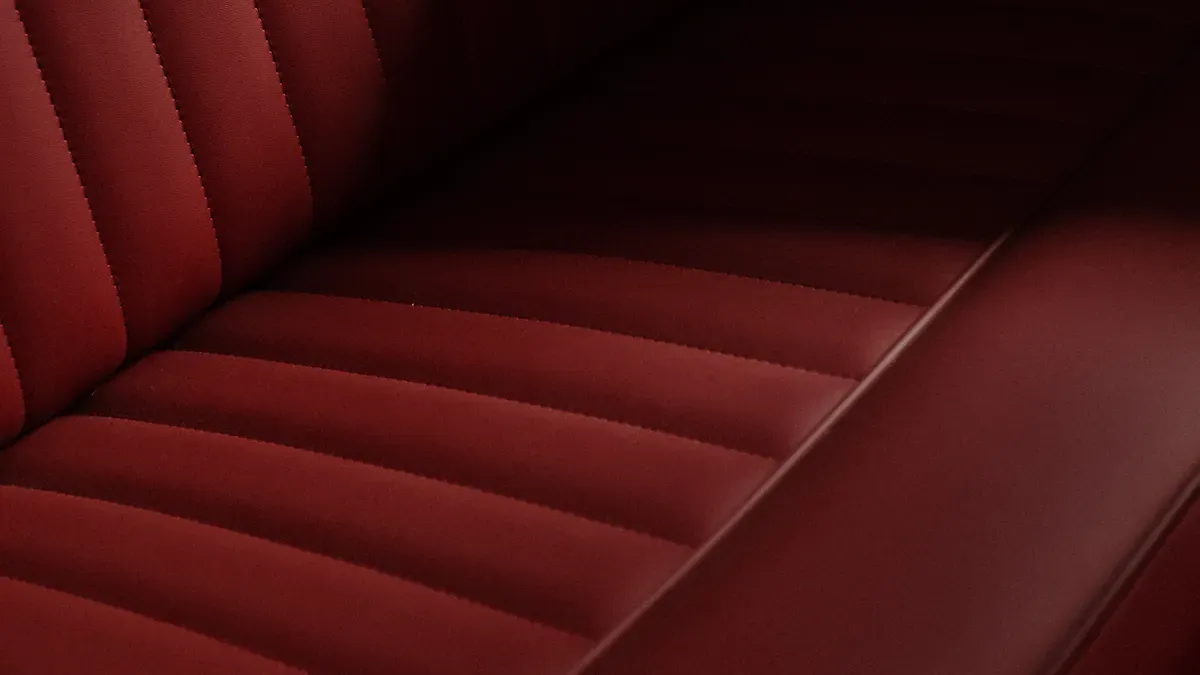
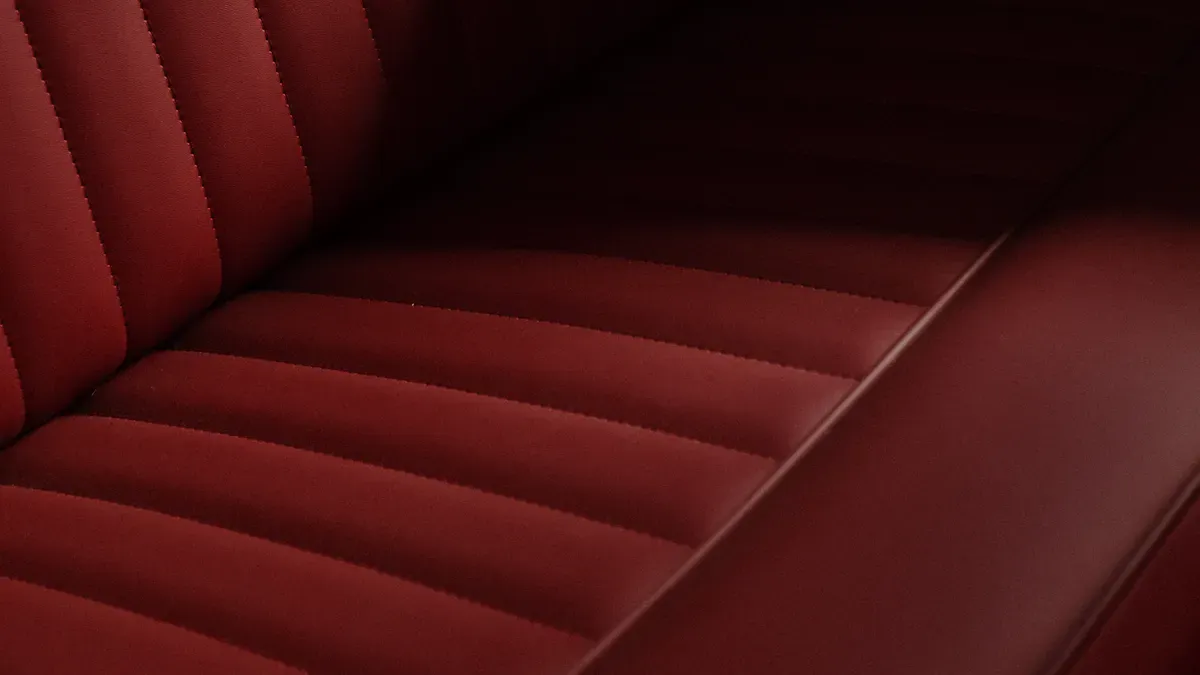
The automotive industry increasingly embraces synthetic leather to enhance vehicle interiors, particularly in applications like automotive leather for car seats. This material offers several advantages over traditional options.
Key Benefits of Synthetic Leather:
- Lightweight properties contribute to improved fuel efficiency.
- Customization options allow for diverse textures and colors.
- Cost-effectiveness makes it an attractive choice for mass production.
- Durability ensures low maintenance and resilience in harsh conditions.
- Integration with smart technologies supports innovative designs.
These factors make synthetic leather a preferred choice in modern automotive design, aligning with consumer demand for eco leather automotive solutions and advanced manufacturing processes. When considering which leather is best for car seats, microfiber leather car seats stand out for their premium feel and performance, further solidifying the role of synthetic leather in the automotive sector.
Key Takeaways
- Synthetic leather enhances vehicle interiors with its lightweight properties, improving fuel efficiency.
- Customization options in synthetic leather allow for diverse textures and colors, catering to consumer preferences.
- Durability of synthetic leather reduces maintenance needs, making it easier to clean and maintain than natural leather.
- Synthetic leather is cost-effective, making it an attractive choice for manufacturers and consumers alike.
- Innovations in synthetic leather technology focus on eco-friendly practices, aligning with the growing demand for sustainable materials.
Seat Upholstery

Synthetic leather has transformed automotive seat upholstery, offering a blend of aesthetics, comfort, and sustainability. Over the past decade, the market share of synthetic leather in this segment has surged. Increasing consumer demand for eco-friendly materials drives this growth. Manufacturers are committed to sustainability, making synthetic leather the dominant choice for automotive interiors. The market is projected to exceed $10 billion by 2027, reflecting a willingness among consumers to invest in sustainable options.
One of the key advantages of synthetic leather is its durability. Compared to natural leather, synthetic options resist cracking, fading, and stains more effectively. This resilience translates into lower maintenance requirements. Owners can easily clean synthetic leather seats with a damp cloth, while natural leather demands regular conditioning and specialized cleaning products. The following table illustrates these differences:
| Attribute | Synthetic Leather | Natural Leather |
|---|---|---|
| Durability | More resistant to cracking, fading, and stains | Susceptible to cracking and fading over time |
| Maintenance | Easy to clean with a damp cloth | Requires regular conditioning and special cleaning products |
Cost also plays a significant role in the choice of materials for seat upholstery. Synthetic leather typically ranges from $20 to $60 per yard, while traditional leather costs $100 and above. This price difference makes synthetic leather an attractive option for manufacturers and consumers alike.
Door Panels
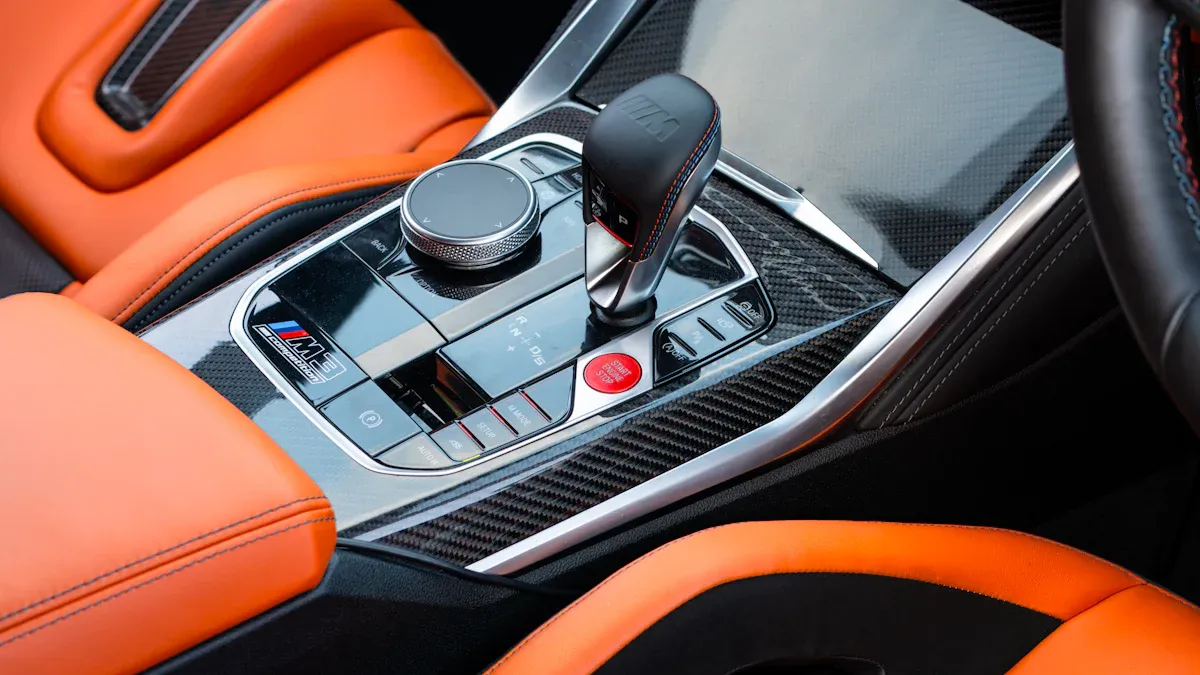
Synthetic leather plays a significant role in automotive door panels, enhancing both functionality and aesthetics. This material offers a stylish upgrade while remaining cost-effective. Manufacturers increasingly choose synthetic leather for its durability and ease of maintenance.
Several types of synthetic leather are commonly used in door panels:
- Silicone Leather: This option is known for its water resistance, flexibility, and UV resistance, making it ideal for various automotive applications.
- PVC Leather: Valued for its affordability and versatility, PVC leather provides a practical choice for many vehicle types.
- Microfiber Leather: This type offers a soft feel and durability, enhancing overall comfort in vehicle interiors.
The use of synthetic leather in door panels significantly impacts vehicle aesthetics and cost. The following table illustrates the differences between synthetic leather and genuine leather:
| Feature | Synthetic Leather | Genuine Leather |
|---|---|---|
| Aesthetics | Mimics real leather, stylish upgrade | Premium look |
| Cost | Lower cost | Higher price tag |
| Maintenance | Easier to maintain | Requires more care |
| Ideal for | Standard or economy vehicles | Luxury vehicles |
Recent technological advancements have further improved synthetic leather for automotive door panels. Innovations include the use of bio-based and recycled materials, enhancing sustainability. Trends also show a move towards personalized interiors, allowing for various colors and textures. Additionally, smart technologies, such as self-healing properties and embedded heating elements, are becoming more common. For instance, Continental’s “Door Panel Concept” showcases features like ambient lighting and heating, emphasizing sustainable materials.
Dashboard Coverings
Dashboard coverings demand materials that combine durability, aesthetics, and resistance to harsh environmental factors. Synthetic leather meets these requirements effectively, making it a popular choice for automotive interiors. It offers a consistent surface that withstands daily wear while maintaining a premium look and feel.
The following table outlines the key performance requirements for synthetic leather used in dashboard coverings:
| Performance Requirement | Description |
|---|---|
| Durability | Essential for long-term performance in automotive interiors and other applications. |
| Material Composition | Multi-layered construction with backing and cushioning layers for enhanced performance. |
| Environmental Resistance | Protects against fading and damage from exposure to sunlight and other environmental factors. |
| Wear Resistance | Measured by the Martindale test, indicating how well the material withstands daily use. |
| UV and Light Resistance | Prevents fading and embrittlement due to sunlight exposure, crucial for dashboard applications. |
| Temperature Tolerance | Maintains flexibility and integrity across varying temperatures, preventing hardening or softening. |
| Thickness | Impacts durability and resistance to sagging, should match application demands. |
| Chemical Resistance | Ensures long-term performance and ease of cleaning in various environments. |
Synthetic leather improves dashboard longevity and appearance compared to other materials in several ways:
- Genuine leather relies on interwoven collagen fibers for strength, while synthetic leather uses a polymer film that may weaken over time.
- Exposure to heat and UV rays can cause peeling in lower-quality synthetic leather as bonds degrade.
- Premium synthetic leathers incorporate UV stabilizers and thicker coatings, enhancing durability and maintaining appearance longer.
Under extreme temperature conditions, synthetic leather offers significant benefits:
| Feature | Benefit |
|---|---|
| Sun & Heat Protection | Reduces dashboard cracking and fading caused by UV rays and extreme temperatures |
| UV-blocking Coatings | Preserves dashboard integrity and maintains cabin temperature |
| High-Quality Materials | Acts as a durable shield against UV penetration |
| Protection in Harsh Climates | Prevents fading, crazing, and warping of dashboards in intense sunlight |
Automotive leather used in dashboards combines these qualities to deliver a refined interior experience. Its ability to resist environmental damage and maintain comfort under varying conditions makes it a preferred material for modern vehicle designs.
Center Consoles and Armrests
Synthetic leather significantly enhances the functionality and aesthetics of center consoles and armrests in vehicles. This material offers several advantages that contribute to a more comfortable and durable driving experience.
-
Durability: Synthetic leather withstands frequent use, making it ideal for high-contact areas like center consoles and armrests. Its waterproof and wear-resistant properties minimize issues such as cracking, peeling, and fading. This durability ensures that components maintain their appearance and functionality over time.
-
Ease of Maintenance: Cleaning synthetic leather is straightforward, allowing vehicle owners to maintain a pristine interior with minimal effort. A simple wipe with a damp cloth suffices to remove dirt and stains, ensuring that the vehicle remains visually appealing.
-
Comfort: During extended drives, synthetic leather provides enhanced comfort. The soft texture of this material supports a pleasant driving experience, reducing fatigue for both drivers and passengers.
The customization options available for synthetic leather further enhance its appeal in automotive interiors. The following table outlines various aspects of customization:
| Customization Aspect | Details |
|---|---|
| Materials | Various synthetic leather options available |
| Textures | Smooth, embossed, perforated, and customized patterns |
| Colors | Multiple color choices to enhance style |
| Features | Waterproof and wear-resistant performance, REACH-compliant and low-VOC options available for global projects |
Incorporating synthetic leather into center consoles and armrests not only improves durability but also allows for personalized designs that cater to consumer preferences. As the automotive industry continues to evolve, synthetic leather remains a top choice for enhancing vehicle interiors, providing both style and functionality.
Headliners and Roof Linings
Synthetic leather significantly enhances headliners and roof linings in vehicles, offering both functional and aesthetic benefits. This material provides excellent thermal insulation, which helps regulate the cabin’s internal temperature. It acts as a barrier against heat transfer, ensuring comfort for passengers in both summer and winter.
The following table outlines the key properties of synthetic leather used in headliners and roof linings:
| Property | Description |
|---|---|
| Thermal Insulation | Helps regulate the cabin’s internal temperature, acting as a barrier against heat transfer. |
| Comfort in Summer | Reduces load on air conditioning, improving fuel efficiency and passenger comfort. |
| Comfort in Winter | Retains warmth better than fabric, contributing to a more comfortable interior environment. |
In addition to insulation, synthetic leather enhances the visual appeal and acoustic performance of vehicle interiors. Faux leather headliners serve as a decorative element, elevating the overall style and sophistication of a vehicle’s interior. They are available in various designs and finishes, contributing to the aesthetic refinement of the cabin. Furthermore, these headliners provide noise absorption, improving the acoustic comfort within the vehicle.
Key advantages of synthetic leather in headliners include:
- Over 60% of the automotive headliners market revenue is attributed to synthetic fabrics.
- These materials are favored for their design flexibility and lightweight properties.
- They enhance both the visual appeal and acoustic performance of vehicle interiors.
The combination of these features makes synthetic leather an ideal choice for headliners and roof linings. Its ability to provide insulation, comfort, and style aligns perfectly with modern automotive design trends.
Steering Wheel Covers
Synthetic leather has become a popular choice for steering wheel covers in the automotive industry. This material offers several advantages that enhance both comfort and functionality. Its durability and ease of cleaning make it ideal for high-traffic areas like steering wheels. Luxury brands such as BMW and Mercedes-Benz utilize synthetic leather to provide a premium feel, while electric vehicle manufacturers adopt it to meet sustainability goals. The customizable properties of synthetic leather allow for innovation in textures and colors, catering to diverse consumer preferences.
The following list outlines the key benefits of using synthetic leather for steering wheel covers:
- Durability: Synthetic leather withstands daily wear and tear, ensuring longevity.
- Easy Maintenance: Cleaning synthetic leather is straightforward, requiring minimal effort.
- Comfort: The soft texture enhances grip and comfort during driving.
To maintain synthetic leather steering wheel covers, follow these simple steps:
- Lightly dampen a short-fiber microfiber cloth with your cleaner.
- Wipe the wheel in sections – no scrubbing needed.
- Dry immediately with a clean cloth.
- Apply a surface protectant (not a conditioner) to guard against UV fading.
These maintenance practices help preserve the appearance and functionality of the steering wheel cover over time.
Storage Compartments and Pockets
Synthetic leather significantly enhances the functionality and aesthetics of automotive storage compartments and pockets. This material offers several advantages that make it an ideal choice for vehicle interiors.
- Durability: Synthetic leather is known for its long-lasting properties, making it ideal for automotive use. It withstands daily wear and tear, ensuring that storage compartments maintain their integrity over time.
- Water Resistance: This material provides protection against spills and moisture, enhancing usability in cars. Drivers can store drinks and other items without worrying about damage.
- Ease of Cleaning: Synthetic leather can be easily wiped clean, maintaining a neat appearance. Its resistance to moisture and spills simplifies the cleaning process, which is crucial for vehicle storage compartments and pockets. Owners can quickly remove dirt and stains with minimal effort.
- Aesthetic Appeal: Synthetic leather offers a stylish look that can enhance the interior design of vehicles. It allows for various colors and textures, enabling manufacturers to create visually appealing storage solutions.
The use of synthetic leather in automotive storage compartments and pockets also reduces overall manufacturing costs. It serves as a less expensive alternative to genuine leather, allowing for bulk production and customization. This approach minimizes waste during the manufacturing process, making it an efficient choice for manufacturers.
Synthetic leather has proven to be a versatile and beneficial material in automotive interiors. Its applications enhance comfort, style, and durability across various components. The market for synthetic leather in automotive interiors is projected to grow steadily, with an expected CAGR of approximately 6% from 2023 to 2028. This growth stems from rising automotive production and a preference for sustainable materials.
Innovations in synthetic leather technology will likely focus on eco-friendly practices. For instance, advancements like BASF’s Haptex® significantly reduce greenhouse gas emissions and water usage during production. Future trends may include:
- Technological innovations in bio-based leather production.
- Increased demand for sustainable products, particularly in the Asia-Pacific region.
- Policies promoting the use of eco-friendly materials.
As the automotive industry evolves, synthetic leather will continue to play a crucial role in creating stylish, comfortable, and sustainable vehicle interiors.
FAQ
What is synthetic leather made from?
Synthetic leather is typically made from polyurethane (PU) or polyvinyl chloride (PVC). These materials mimic the look and feel of genuine leather while offering enhanced durability and ease of maintenance.
How does synthetic leather compare to genuine leather?
Synthetic leather is often more affordable, easier to clean, and resistant to wear and tear. It also offers a wider range of colors and textures, making it a versatile choice for automotive interiors.
Is synthetic leather environmentally friendly?
Many manufacturers now produce eco-friendly synthetic leather using bio-based materials and sustainable practices. Innovations continue to reduce environmental impact, making synthetic leather a more sustainable option compared to traditional leather.
Can synthetic leather be recycled?
Yes, synthetic leather can be recycled, depending on its composition. Some manufacturers are developing recycling programs to reclaim materials, contributing to a circular economy in the automotive industry.
How do I maintain synthetic leather in my vehicle?
Maintaining synthetic leather is simple. Regularly wipe surfaces with a damp cloth and mild cleaner. Avoid harsh chemicals, and consider using a protectant to guard against UV fading and wear.