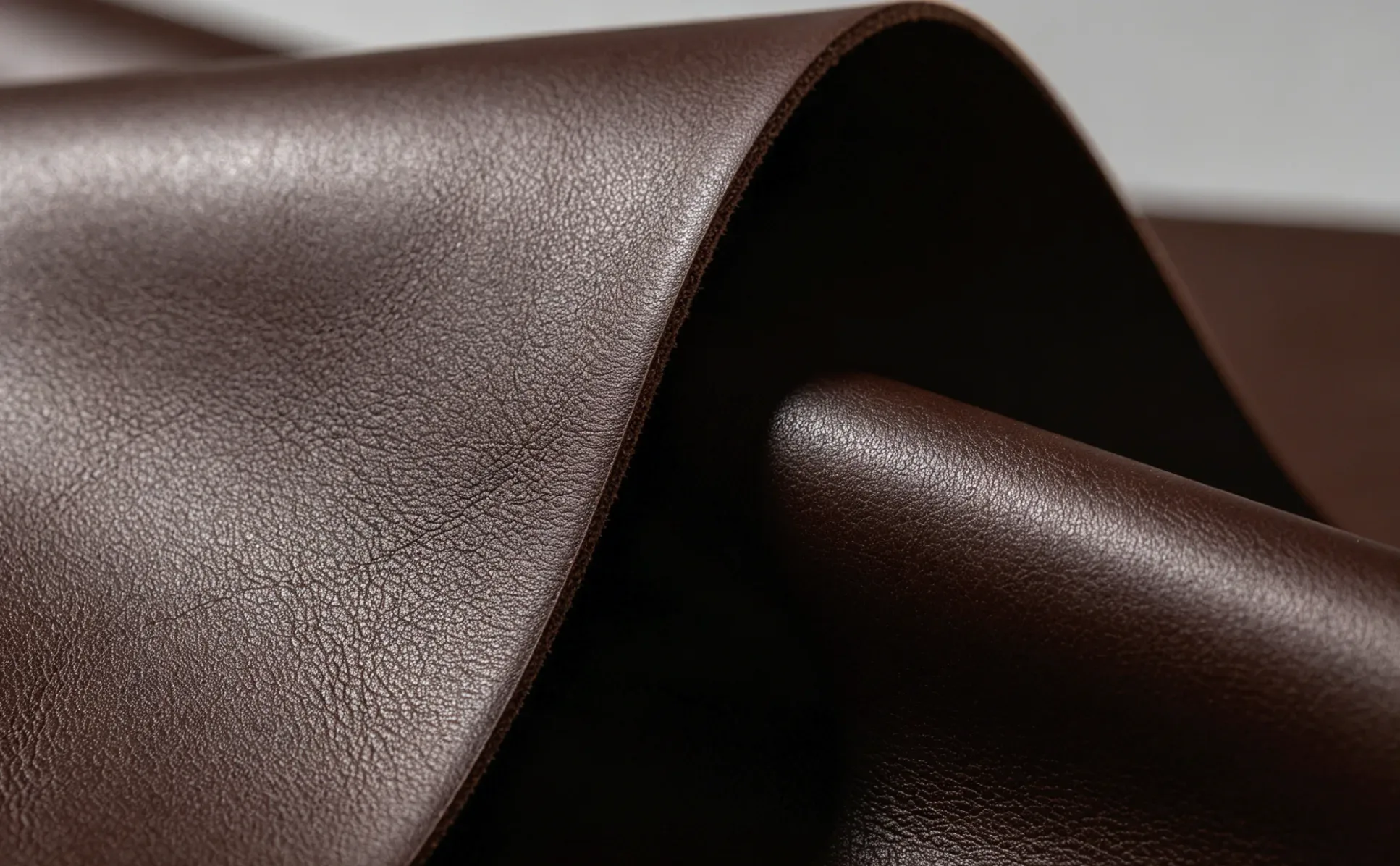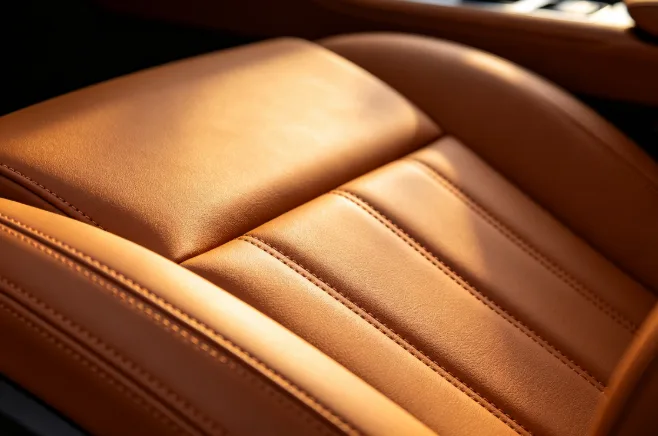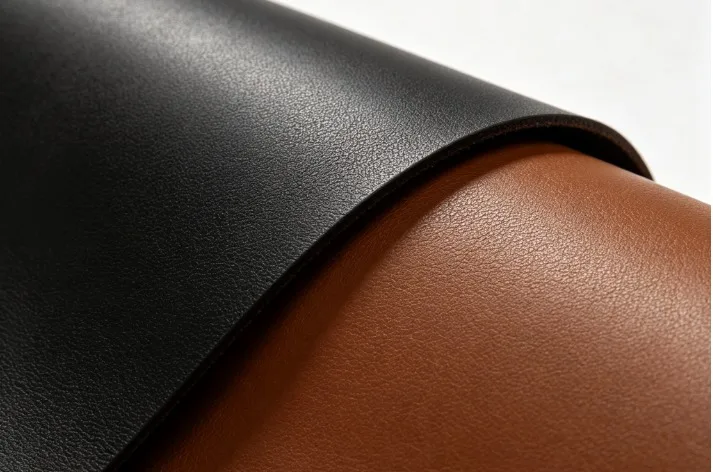
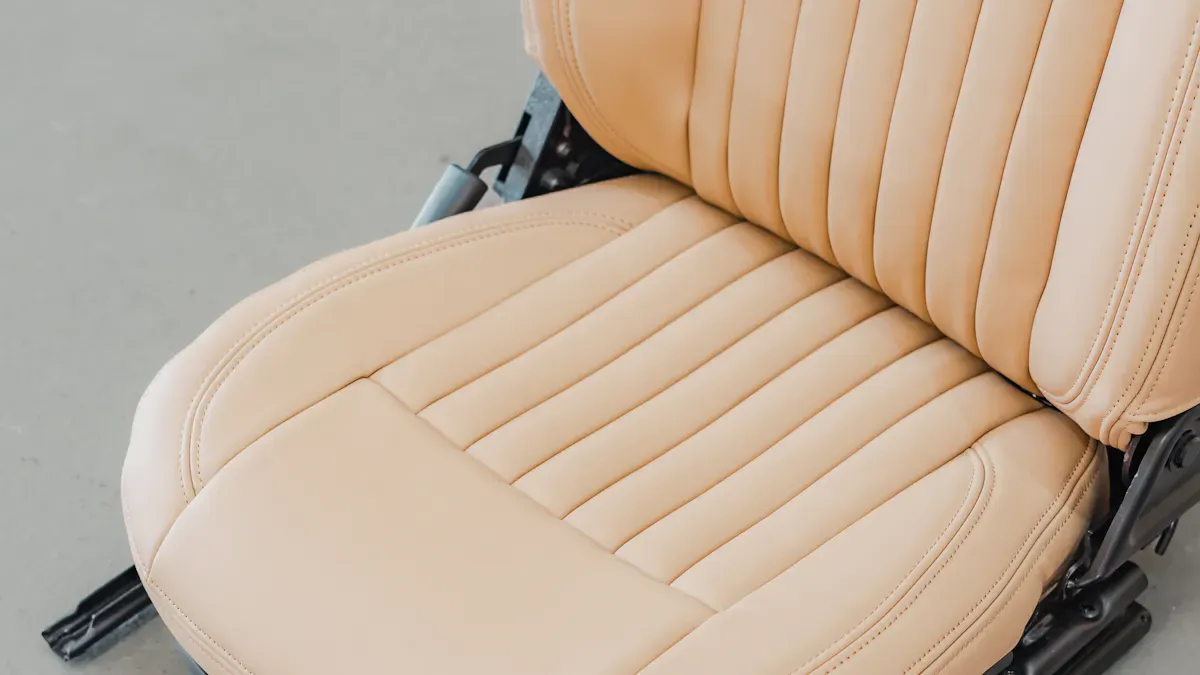
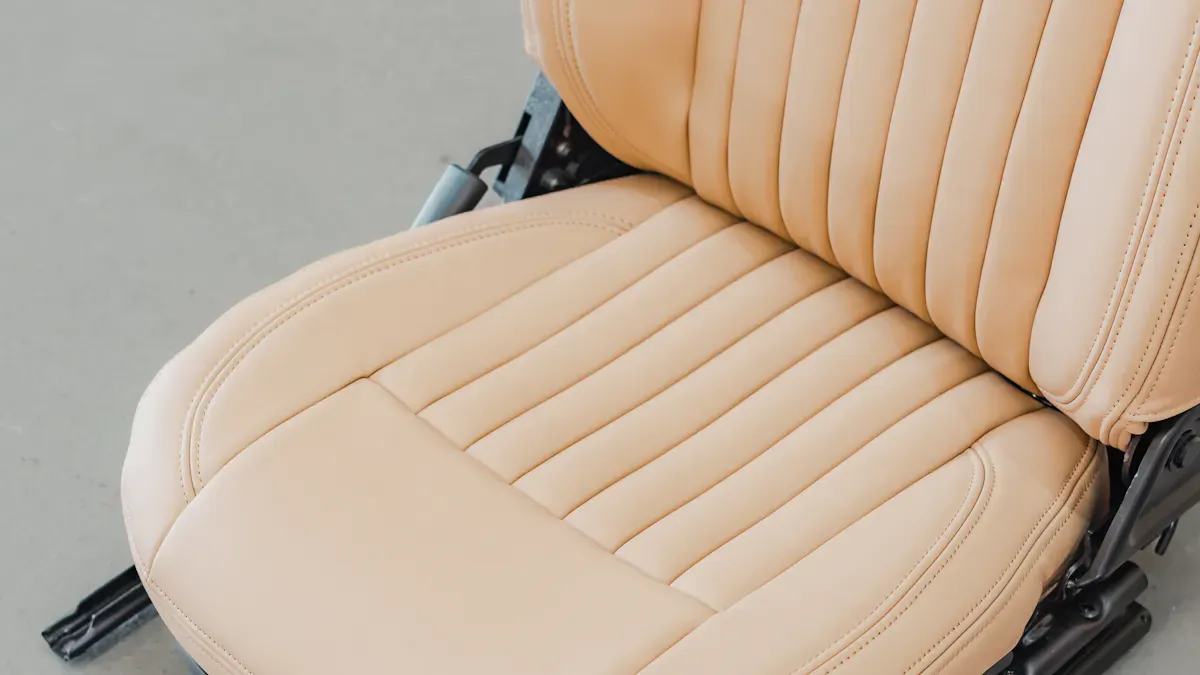
Innovative synthetic leather plays a crucial role in shaping modern car interiors. It offers an appealing alternative to traditional materials, combining aesthetics with functionality. The demand for sustainable and durable automotive leather continues to rise, prompting manufacturers to explore eco-friendly interior materials.
Recent advancements, such as BMW’s Veganza and Volkswagen’s LOVR™, showcase how luxury synthetic leather can meet consumer expectations while supporting environmental goals. These innovations, including the use of microfiber car seats and PU car leather, not only enhance the visual appeal of car interiors but also contribute to a greener future.
Key Takeaways
- Synthetic leather offers a cost-effective alternative to genuine leather, providing luxury aesthetics without the high price tag.
- Choosing synthetic leather supports environmental sustainability by reducing carbon emissions and utilizing recycled materials.
- Customization options in synthetic leather allow car manufacturers to create unique and personalized interior designs that cater to consumer preferences.
- Innovative production methods, such as using bio-based materials, enhance the durability and eco-friendliness of synthetic leather.
- Staying informed about trends in synthetic leather can help manufacturers align their products with consumer demands for stylish and sustainable car interiors.
Benefits of Synthetic Leather
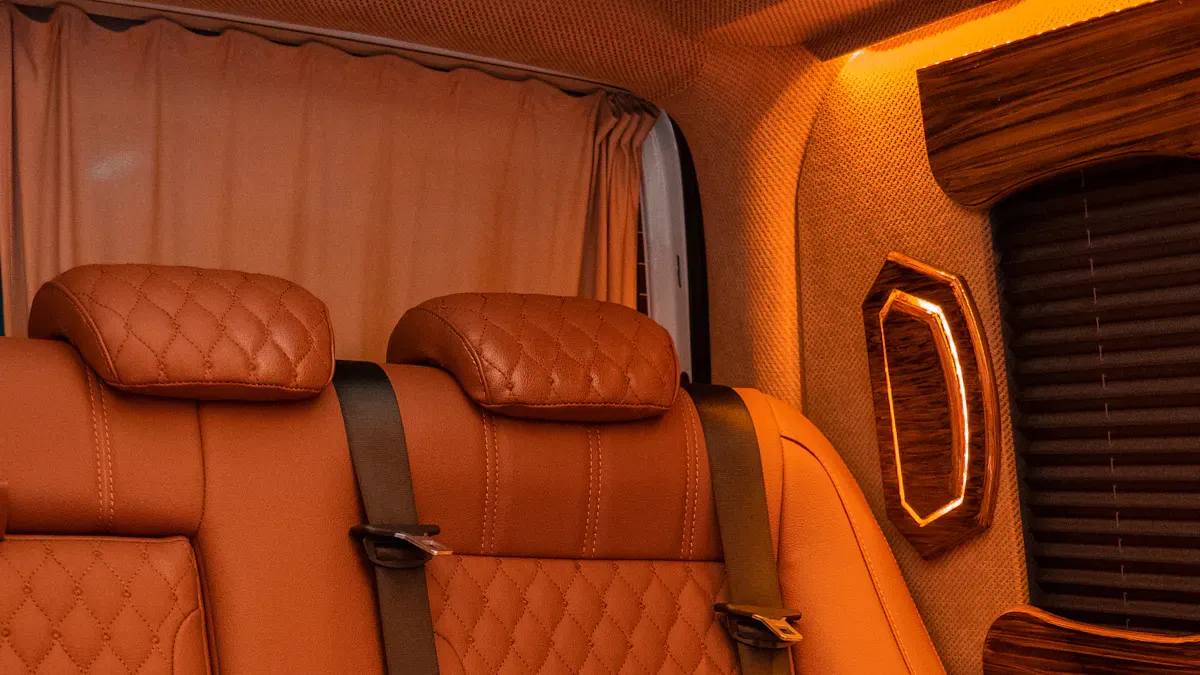
Synthetic leather offers numerous advantages that make it an appealing choice for car interiors. Its combination of aesthetic appeal, cost-effectiveness, and environmental benefits positions it as a leading alternative to traditional materials.
-
Cost-Effectiveness: Synthetic leather provides a luxurious appearance similar to genuine leather without the high price tag. While genuine leather often incurs significant costs due to skilled craftsmanship, synthetic leather delivers comparable aesthetics and durability at a fraction of the price. This affordability stems from lower production costs and reduced labor intensity, making it a budget-friendly option for consumers.
-
Environmental Sustainability: The automotive industry increasingly prioritizes sustainability. Synthetic leather aligns with this trend by reducing the environmental impact associated with traditional leather production. The focus on eco-friendly materials drives the adoption of synthetic leather, as it minimizes carbon emissions linked to the tanning process of genuine leather.
-
Market Growth: The market share of synthetic leather in automotive upholstery continues to expand. Recent advancements in PU and PVC technologies enhance its feel, flexibility, and durability. As consumers become more environmentally conscious, the demand for synthetic leather grows. Projections indicate that the synthetic segment will experience a compound annual growth rate (CAGR) of 7.0% from 2025 to 2033, highlighting its increasing popularity.
-
Versatility and Customization: Synthetic leather allows for a wide range of design possibilities. Manufacturers can easily customize colors, textures, and finishes to meet consumer preferences. This versatility enables car manufacturers to create unique interior designs that cater to diverse tastes.
Sustainability of Synthetic Leather
Sustainability remains a key factor in the automotive industry, especially regarding materials used in car interiors. Synthetic leather stands out as a more environmentally friendly option compared to traditional leather. Its production process significantly reduces carbon emissions, making it a preferred choice for eco-conscious manufacturers.
- Carbon emissions from synthetic leather are generally lower than those from genuine leather production. For instance:
- Real leather has an average greenhouse gas emission of 17.0 kg of CO2 per square meter.
- In contrast, synthetic leather emits only 15.8 kg of CO2 per square meter.
- Some studies indicate that cow skin leather can emit up to 110.0 kg of CO2e per square meter, highlighting its greater environmental impact.
These statistics illustrate that synthetic leather not only meets aesthetic demands but also aligns with sustainability goals. Furthermore, certain production methods for synthetic leather can be optimized to minimize greenhouse gas emissions even further.
The shift towards synthetic leather reflects a broader trend in the automotive sector. Manufacturers increasingly prioritize sustainable materials to meet consumer expectations. By choosing synthetic leather, car manufacturers can contribute to a reduction in overall environmental impact while still delivering high-quality products.
In addition to lower emissions, synthetic leather often utilizes recycled materials, further enhancing its sustainability profile. This approach not only conserves resources but also reduces waste in landfills. As the automotive industry continues to evolve, the adoption of synthetic leather will likely play a crucial role in promoting sustainable practices.
Embracing synthetic leather solutions allows manufacturers to create stylish, durable, and environmentally responsible car interiors. This commitment to sustainability resonates with consumers who seek to make informed choices about their vehicles.
Durability of Synthetic Leather
Durability is a critical factor when selecting materials for car interiors. Synthetic leather offers impressive longevity and resilience, making it a practical choice for automotive applications. Compared to genuine leather, synthetic leather typically has a shorter lifespan, but advancements in technology have significantly improved its durability.
| Material | Average Lifespan |
|---|---|
| Real Leather | Decades (with proper care) |
| Faux Leather | A few years (may crack and peel) |
While genuine leather can last for decades with proper maintenance, synthetic leather generally lasts a few years before showing signs of wear. However, the advancements in synthetic leather technology have led to products that resist cracking and peeling, enhancing their overall lifespan.
In automotive environments, synthetic leather demonstrates remarkable resistance to wear, tear, and UV exposure. This durability is essential for maintaining the aesthetic appeal of car interiors. The following table illustrates the performance of various types of synthetic leather:
| Type of Synthetic Leather | UV Resistance | Durability | Notes |
|---|---|---|---|
| PU Synthetic Leather | High | Flexible | Less prone to cracking and fading over time |
| Microfiber Synthetic Leather | High | Very Durable | Rivals genuine leather in strength and wear resistance |
| General Synthetic Leather | High | Abrasion Resistant | Designed to resist abrasion and surface degradation |
The high UV resistance of synthetic leather ensures that colors remain vibrant, even in direct sunlight. Additionally, its flexibility allows it to withstand the rigors of daily use without compromising its integrity. As a result, synthetic leather not only enhances the visual appeal of car interiors but also provides a durable solution that meets the demands of modern automotive design.
Customization Options for Synthetic Leather
Customization plays a vital role in the appeal of synthetic leather for car interiors. Automakers increasingly recognize consumer preferences for personalized designs. They offer a variety of options that enhance both aesthetics and comfort.
One of the primary customization aspects is color. Synthetic leather comes in a wide range of colors, allowing manufacturers to match or contrast with other interior elements. This flexibility enables car owners to express their unique style.
Textures also contribute significantly to the overall experience. Various textures, such as pebbled, grain, cracked, woven, and smooth finishes, provide different tactile sensations. Each texture can evoke a distinct feel, enhancing the luxury of the vehicle.
Moreover, embossing techniques offer exciting opportunities for personalization. Automakers can incorporate custom branding or unique textures, such as diamond stitching or geometric patterns. These techniques not only improve the visual appeal but also enhance functionality. For instance, embossed surfaces can provide improved grip and resistance to temperature fluctuations, UV rays, and moisture.
The automotive industry is witnessing a significant shift towards personalized synthetic leather designs in vehicle interiors. This trend reflects consumer desires for customization and comfort. Automakers respond by providing diverse interior trim packages that enhance the aesthetic and tactile experience of vehicles.
Innovative Materials in Synthetic Leather
The automotive industry continually seeks innovative materials to enhance the performance and sustainability of synthetic leather. Recent advancements have led to the development of new manufacturing methods that utilize bio-based materials and advanced polyurethane coatings. These innovations significantly improve the feel and performance of synthetic leathers, making them more appealing for car interiors.
-
Digital Printing Technology: This technology allows for extensive customization while reducing waste. Manufacturers can create unique designs without the excess material typically associated with traditional methods.
-
Nanotechnology: This cutting-edge approach enhances durability and stain resistance. As a result, synthetic leather can withstand the rigors of daily use, extending its lifespan and maintaining its aesthetic appeal.
In addition to performance improvements, new synthetic leather materials also contribute to sustainability. For instance, the latest materials weigh about half as much as traditional leather. This reduction in weight leads to decreased fuel consumption in vehicles. Furthermore, these innovative materials generate approximately 85% fewer CO2 emissions and 99% fewer volatile organic compounds compared to conventional synthetic leather.
Another noteworthy advancement involves the use of ECONYL, a recycled polyamide, for seat padding. This material can be recycled after use without any loss in quality. The separate installation of materials further enhances their recyclability, promoting a circular economy in the automotive sector.
Moreover, the new synthetic leather offers higher breathability and improved thermal qualities. This feature helps keep passengers cooler by effectively reflecting sunlight. Such advancements not only enhance comfort but also align with the growing consumer demand for eco-friendly automotive solutions.
As the industry embraces these innovative materials, the future of synthetic leather in car interiors looks promising. Manufacturers can create stylish, durable, and sustainable products that meet the evolving needs of consumers.
Industrial Hemp-Based Synthetic Leather
Industrial hemp-based synthetic leather represents a groundbreaking advancement in sustainable automotive materials. This innovative solution utilizes 100% bio-based hemp, which comes from residues of the regional hemp industry. As a result, it offers a sustainable alternative to traditional leather while supporting local economies.
The benefits of industrial hemp-based synthetic leather are numerous. Below is a summary of its key properties:
| Property/Benefit | Description |
|---|---|
| Sustainability | Made from 100% bio-based hemp, utilizing residues from the regional hemp industry. |
| Recyclability | Fully recyclable or compostable at the end of its service life. |
| Innovative Production Methods | Can be produced on existing industrial plants, enabling swift scalability for large-scale production. |
| All-Natural Composition | A single-layer surface material that is leather-free, oil-free, vegan, and residue-based. |
| Positive Customer Feedback | Initial presentations have received very positive responses from customers. |
The sustainability of hemp-based synthetic leather significantly reduces the environmental impact associated with conventional leather production. Its recyclability ensures that it can return to the ecosystem without contributing to landfill waste. Additionally, the innovative production methods allow manufacturers to scale up production quickly, meeting the growing demand for eco-friendly materials.
Moreover, the all-natural composition of this synthetic leather appeals to consumers seeking vegan and cruelty-free options. The positive feedback from initial presentations indicates a strong market interest in this material. As the automotive industry continues to prioritize sustainability, industrial hemp-based synthetic leather stands out as a promising solution for car interiors.
Recycled Plastic Synthetic Leather
Recycled plastic synthetic leather represents a significant advancement in sustainable automotive materials. This innovative solution utilizes post-consumer plastic waste, transforming it into a high-quality alternative for traditional leather. By repurposing plastic, manufacturers contribute to waste reduction while providing durable and stylish options for car interiors.
The benefits of recycled plastic synthetic leather include:
- Environmental Impact: Utilizing recycled materials helps reduce the amount of plastic waste in landfills. This approach aligns with the automotive industry’s growing commitment to sustainability.
- Reduced Emissions: The innovative CF/PVC foam formulation demonstrates a 28% reduction in volatile organic compound (VOC) emissions. This reduction contributes to cleaner air quality and a smaller carbon footprint.
- Enhanced Performance: Mechanical properties of recycled plastic synthetic leather show significant improvements. For instance, tensile strength increases by 50%, and tear resistance improves by 29% compared to pure PVC. These enhancements ensure that the material can withstand the rigors of daily use in vehicles.
Note: Optimizing the formulation of recycled plastic synthetic leather can lead to even more sustainable applications in automotive interiors. This adaptability allows manufacturers to meet evolving consumer demands while maintaining environmental responsibility.
As the automotive industry continues to prioritize eco-friendly solutions, recycled plastic synthetic leather stands out as a viable option. It not only meets aesthetic and functional requirements but also supports a circular economy. By choosing this innovative material, manufacturers can create stylish, durable, and environmentally responsible car interiors that resonate with today’s eco-conscious consumers.
Bio-Based Synthetic Leather Alternatives
Bio-based synthetic leather alternatives are gaining traction in the automotive industry. These materials offer sustainable options that reduce reliance on traditional synthetic leathers. Manufacturers increasingly focus on renewable resources to create high-quality products that meet consumer demands.
Several notable bio-based alternatives include:
| Material Type | Description | Source |
|---|---|---|
| Vegetable Leather | Made from olive pomace, offering a sustainable alternative to synthetic leather. | Environmental analysis of a bio-based coating material for automobile interiors |
| Vegan Leather (LOVR) | A new material made from hemp, set to be used in Volkswagen vehicles by 2028. | Volkswagen is redefining car interiors with a new vegan leather alternative made from hemp |
These materials not only provide eco-friendly options but also demonstrate impressive performance characteristics. For instance, bio-based synthetic leather holds around 20% of the global synthetic leather market share. This growth reflects a shift towards sustainability-focused manufacturing strategies that utilize renewable and recycled materials.
| Aspect | Details |
|---|---|
| Market Share | Bio-based synthetic leather holds around 20% of the global synthetic leather market share. |
| Sustainability Focus | Driven by sustainability-focused manufacturing strategies utilizing renewable and recycled materials. |
| Performance Improvement | Manufacturers are investing in innovation to enhance durability and performance. |
The durability of these materials continues to improve as manufacturers invest in research and development. As a result, bio-based synthetic leathers not only meet aesthetic demands but also align with the growing consumer preference for sustainable products. By choosing these innovative alternatives, car manufacturers can create stylish and environmentally responsible interiors that resonate with today’s eco-conscious consumers.
Production Processes for Synthetic Leather
The production processes for synthetic leather vary significantly based on the material type. Each type of synthetic leather undergoes unique manufacturing methods that influence its durability, eco-friendliness, and texture.
Types of Synthetic Leather Production
| Type | Durability | Eco-Friendliness | Texture & Feel | Best Applications |
|---|---|---|---|---|
| PVC Leather | High | Poor | Stiff, plastic-like | Automotive, budget furniture, industrial |
| PU Leather | Good | Fair to Good | Soft, leather-like | Fashion, bags, premium interiors |
| Bio-based | Medium | Excellent | Natural, unique textures | Luxury eco-fashion, designer goods |
| Recycled | Good | Very Good | Varies (PU/PVC base) | Sustainable apparel, eco-upholstery |
Polyvinyl Chloride (PVC) leather is often produced through a process that involves mixing PVC resin with plasticizers and stabilizers. This method results in a highly durable material, suitable for automotive and industrial applications. However, its production raises environmental concerns due to the release of harmful chemicals.
Polyurethane (PU) leather, on the other hand, utilizes a more complex process that involves coating a base material with a polyurethane layer. This method yields a soft, leather-like texture, making it ideal for fashion items and premium interiors. PU leather offers a balance between durability and eco-friendliness, appealing to a broader market.
Bio-based synthetic leather emerges as a sustainable alternative, made from natural materials. Its production emphasizes eco-friendliness, resulting in unique textures that cater to luxury eco-fashion. This type of synthetic leather not only reduces reliance on fossil fuels but also supports a circular economy.
Lastly, recycled synthetic leather incorporates post-consumer waste, transforming it into a high-quality alternative. This process significantly reduces environmental impact while maintaining good durability. As the automotive industry continues to evolve, these innovative production processes will play a crucial role in shaping the future of car interiors.
Eco-Friendly Manufacturing of Synthetic Leather
Manufacturers increasingly prioritize eco-friendly practices in the production of synthetic leather for car interiors. These practices not only reduce environmental impact but also align with consumer demand for sustainable products. Key strategies include:
-
Energy Efficiency: Many companies now utilize renewable energy sources, such as solar and wind power. This shift significantly lowers the carbon footprint associated with synthetic leather production.
-
Waste Reduction: Implementing zero-waste processes has become a standard practice. Manufacturers recycle or reuse production waste, minimizing the amount of material that ends up in landfills.
-
Water Conservation: The adoption of waterless dyeing techniques marks a significant advancement in sustainability. These methods drastically reduce water usage, addressing one of the major environmental concerns in textile manufacturing.
-
Green Supply Chains: Collaboration with suppliers who follow sustainable practices enhances the overall eco-friendliness of the production process. By ensuring that every step of the supply chain adheres to green principles, manufacturers can create a more sustainable product.
These eco-friendly manufacturing practices reflect a broader commitment to sustainability within the automotive industry. As consumers become more environmentally conscious, manufacturers must adapt to meet these expectations. By embracing innovative production methods, they can produce high-quality synthetic leather that not only meets aesthetic demands but also supports a healthier planet.
Energy Efficiency in Synthetic Leather Production
Energy efficiency plays a vital role in the production of synthetic leather, especially for automotive applications. Manufacturers implement various measures to enhance energy use while minimizing environmental impact.
One significant advancement involves reducing greenhouse gas emissions. For instance, Haptex technology produces 52% less greenhouse gas emissions compared to conventional synthetic leather. This reduction is crucial for manufacturers aiming to meet sustainability goals.
Additionally, energy consumption during production has improved. Using 1 kilogram of chemicals for production results in a 20% reduction in energy consumption. This efficiency not only lowers operational costs but also contributes to a smaller carbon footprint.
Water usage is another area where manufacturers have made strides. The elimination of the wet line in production processes reduces water usage by 30% compared to traditional solvent-based methods. This change addresses one of the major environmental concerns associated with synthetic leather production.
Several other measures enhance energy efficiency:
- The use of PVC leather additives improves production efficiency and quality control.
- Internal and external lubricants reduce friction, leading to faster production speeds and lower energy consumption.
- Processing aids enhance melt flow characteristics, allowing operations at lower temperatures.
In comparison to genuine leather manufacturing, synthetic leather production is less energy-intensive. The tanning process for genuine leather is highly resource-intensive, using around 240 liters of water per square meter and relying heavily on fossil fuels. This contributes to higher carbon emissions and environmental degradation.
While synthetic leather production does consume energy, its recyclability offers potential environmental benefits. PVC leather, for example, can be recycled, mitigating some of the negative impacts associated with its initial production.
By focusing on energy efficiency, manufacturers of synthetic leather can create sustainable products that meet consumer demands while protecting the environment.
Current Color Trends in Synthetic Leather
The automotive industry embraces a variety of color trends in synthetic leather, reflecting consumer preferences and design innovations. These trends enhance the aesthetic appeal of car interiors while providing options for personalization.
Recent observations reveal several popular colors in synthetic leather:
| Color | Description |
|---|---|
| Classic Jet Black | Timeless luxury, adds depth and sophistication |
| Charcoal Grey | Minimalist and modern, a refined alternative |
| Warm Caramel Brown | Cozy, earthy feel resembling high-end leather |
| Beige & Sandstone | Bright and premium, makes cabins feel spacious |
| Burgundy & Wine Red | Sporty boldness, a standout choice |
| Navy Blue | Cool-tone sophistication, popular in EVs |
| Two-Tone Interiors | Personalization trend, individuality focus |
Classic Jet Black remains a favorite among consumers. This color exudes luxury and sophistication, making it a staple in high-end vehicles. Charcoal Grey offers a modern and minimalist alternative, appealing to those who prefer understated elegance.
Warm Caramel Brown introduces a cozy, earthy feel that mimics the look of premium leather. This color creates a welcoming atmosphere within the cabin. Beige and Sandstone shades brighten interiors, making them feel more spacious and inviting.
For those seeking a bolder statement, Burgundy and Wine Red provide sporty vibrancy. These colors stand out and add a touch of excitement to car interiors. Navy Blue, a cool-tone option, has gained popularity, especially in electric vehicles, where it complements the modern aesthetic.
Lastly, the trend of two-tone interiors allows for personalization. This approach enables consumers to express their individuality through unique color combinations. As the automotive industry evolves, these color trends in synthetic leather will continue to shape the future of car interiors.
Popular Color Palettes for Synthetic Leather
Automakers increasingly embrace diverse color palettes for synthetic leather, enhancing the aesthetic appeal of car interiors. These palettes not only reflect current trends but also cater to consumer preferences for personalization and sustainability.
- Two-Tone Interiors: This trend allows for creative combinations that elevate the interior design. Popular pairings include:
- Black and red
- Beige and deep brown
These combinations enable car owners to express their unique style while maintaining a sophisticated look.
- Eco-Friendly Interiors: As manufacturers focus on sustainability, natural tones gain popularity. Shades like olive green, earthy browns, and soft beiges resonate with environmentally conscious consumers. These colors often come from recycled materials, aligning with the growing demand for eco-friendly options.
| Color Palette | Description |
|---|---|
| Black & Red | Bold and sporty, perfect for performance vehicles. |
| Beige & Deep Brown | Warm and inviting, creating a cozy atmosphere. |
| Olive Green & Earthy Brown | Natural and sustainable, appealing to eco-conscious buyers. |
The choice of color significantly impacts the overall ambiance of a vehicle. Lighter shades can create a sense of space, while darker tones often convey luxury and sophistication.
Tip: When selecting colors for synthetic leather, consider how they complement other interior elements. A well-coordinated palette enhances the overall aesthetic and elevates the driving experience.
As the automotive industry evolves, these popular color palettes for synthetic leather will continue to shape the future of car interiors. Manufacturers must stay attuned to consumer preferences to create stylish, functional, and sustainable designs.
Consumer Preferences in Synthetic Leather Design
Consumer preferences in synthetic leather design for car interiors reflect a blend of functionality, aesthetics, and sustainability. Several key factors influence these preferences:
-
Lightweight Materials: The demand for lightweight materials has surged due to the need for fuel efficiency and the rise of electric vehicles (EVs). Consumers increasingly favor synthetic leather that contributes to overall vehicle weight reduction.
-
Customization and Aesthetics: Customization options play a significant role in consumer choices. Synthetic leather offers versatile design possibilities, allowing manufacturers to create unique interiors that cater to individual tastes. This flexibility enhances the overall appeal of vehicles.
-
Integration with Smart Technologies: The incorporation of smart technologies in vehicles boosts the attractiveness of synthetic leather. Features such as touch-sensitive surfaces and integrated controls enhance user interaction, making synthetic leather a desirable choice.
-
Cost-Effectiveness: Cost remains a crucial factor for many consumers. Synthetic leather provides a luxurious appearance at a lower price point compared to genuine leather. This affordability makes it a popular option, especially in mid-range vehicles.
-
Regulatory Support for Sustainability: Growing regulatory support for sustainable materials encourages the adoption of synthetic leather in the automotive industry. Consumers increasingly prefer products that align with their values regarding environmental responsibility.
The shift towards electric vehicles further necessitates lightweight and sustainable materials, reinforcing the trend of using synthetic leather. As manufacturers respond to these preferences, they can create car interiors that not only meet aesthetic demands but also align with consumer values.
By understanding these factors, automakers can better cater to consumer desires, ensuring that synthetic leather remains a leading choice in modern car interiors.
Insights from Industry Leaders on Synthetic Leather
Industry leaders emphasize the growing significance of synthetic leather in automotive interiors. They highlight several key trends shaping the future of this material:
- The automotive synthetic leather market is projected to grow at a rate of 6.1%. This growth reflects the increasing acceptance of synthetic alternatives among consumers and manufacturers alike.
- There is a rising demand for eco-friendly and sustainable materials. This trend drives the development of bio-based synthetic leathers, which utilize renewable resources and reduce environmental impact.
- Advancements in manufacturing technology are enhancing the quality and durability of synthetic leather. These improvements ensure that synthetic options can compete effectively with traditional materials.
- Consumer preferences are shifting towards personalized and premium interior designs. Automakers are responding by offering a wider range of customization options, allowing buyers to tailor their vehicle interiors to their tastes.
- The rise of electric vehicles is influencing the market. Manufacturers seek lightweight and sustainable materials to improve efficiency and reduce overall vehicle weight.
Tip: As the industry evolves, staying informed about these trends can help manufacturers align their strategies with consumer expectations.
Industry leaders believe that the future of synthetic leather in automotive interiors looks promising. The combination of sustainability, technological advancements, and consumer demand for personalization positions synthetic leather as a vital component in modern vehicle design. As manufacturers continue to innovate, they will likely find new ways to enhance the appeal and functionality of synthetic leather, ensuring its place in the automotive market for years to come.
Expert Opinions on Synthetic Leather Trends
Experts in the automotive sector observe a significant transformation in the synthetic leather market. This change stems from evolving consumer preferences and increased environmental awareness. Consumers now prioritize sustainable alternatives to traditional leather. As a result, manufacturers innovate synthetic materials that mimic the appearance and texture of genuine leather while minimizing environmental impact. This shift reflects a fundamental change in how consumers perceive luxury and sustainability within the automotive industry.
Technological advancements play a crucial role in this evolution. Manufacturers now produce high-quality synthetic leathers that offer both durability and aesthetic appeal. These innovations are likely to drive the adoption of synthetic leather across various vehicle segments. Experts note that the future of synthetic leather in automotive applications leans towards lighter and more durable materials. This trend is essential for electric vehicles, which aim to optimize efficiency.
Additionally, the integration of smart features is becoming more common. Features such as embedded sensors and heating elements enhance the functionality and user experience of vehicle interiors. Experts predict that these advancements will further elevate the appeal of synthetic leather, making it a preferred choice for modern car interiors.
Future Directions in Synthetic Leather
The future of synthetic leather in automotive interiors looks promising, driven by innovation and sustainability. Several key trends are shaping this evolution:
-
Increased Use of Bio-Based Materials: Manufacturers are exploring bio-based alternatives to traditional synthetic leathers. These materials, derived from renewable resources, reduce reliance on fossil fuels and lower environmental impact.
-
Enhanced Durability and Performance: Ongoing research focuses on improving the durability of synthetic leather. Innovations in nanotechnology and advanced coatings will enhance resistance to wear, tear, and UV exposure, ensuring longevity in automotive applications.
-
Smart Textiles Integration: The incorporation of smart textiles into synthetic leather is gaining traction. Features such as embedded sensors for temperature control and touch-sensitive surfaces will elevate user experience and comfort.
-
Customization and Personalization: As consumer preferences shift towards unique designs, manufacturers will offer more customization options. This trend will allow car owners to select colors, textures, and finishes that reflect their personal style.
-
Sustainable Production Practices: The automotive industry will continue to prioritize eco-friendly manufacturing processes. Techniques such as waterless dyeing and energy-efficient production methods will become standard, further reducing the carbon footprint of synthetic leather.
Tip: Staying informed about these trends will help manufacturers align their strategies with consumer expectations and market demands.
As the automotive sector embraces these future directions, synthetic leather will play a crucial role in creating stylish, durable, and sustainable car interiors. The combination of innovation and environmental responsibility positions synthetic leather as a vital component in the evolution of automotive design.
Synthetic leather solutions offer numerous advantages for car interiors. They provide a cost-effective, durable, and aesthetically pleasing alternative to traditional materials. These innovative materials significantly contribute to sustainability efforts, reducing environmental impact while enhancing vehicle design.
Car manufacturers should explore synthetic leather options to meet consumer demands for stylish and eco-friendly interiors. By embracing these advancements, they can create vehicles that resonate with today’s environmentally conscious buyers.
FAQ
What is synthetic leather made from?
Synthetic leather is typically made from polyurethane (PU) or polyvinyl chloride (PVC). These materials mimic the look and feel of genuine leather while offering various benefits, including durability and ease of maintenance.
How does synthetic leather compare to genuine leather?
Synthetic leather often provides a more affordable and environmentally friendly alternative to genuine leather. It offers similar aesthetics and durability but typically requires less maintenance and is available in a wider range of colors and textures.
Is synthetic leather eco-friendly?
Yes, many synthetic leather options are eco-friendly. Manufacturers increasingly use recycled materials and bio-based alternatives, reducing environmental impact. Sustainable production practices further enhance the eco-friendliness of synthetic leather.
Can synthetic leather be customized?
Absolutely! Synthetic leather offers extensive customization options. Manufacturers can create unique colors, textures, and finishes, allowing car owners to personalize their vehicle interiors according to their preferences.
How do I clean synthetic leather?
Cleaning synthetic leather is simple. Use a damp cloth and mild soap to wipe surfaces. Avoid harsh chemicals or abrasive materials, as they can damage the finish. Regular maintenance helps preserve its appearance and longevity.