China produces approximately 60% of the world’s synthetic leather output, according to China Chemical Fibers Association, making it the dominant sourcing destination for manufacturers seeking scale, technical capability, and competitive pricing. Yet navigating Chinese synthetic leather suppliers involves distinct challenges: verifying production capacity, validating product quality, managing logistics, and ensuring regulatory compliance across different markets. This guide provides a structured framework for identifying capable suppliers, validating their claims, and establishing reliable procurement relationships.
Why Do Global Manufacturers Source Synthetic Leather from China?
Three structural advantages make China the preferred sourcing destination for synthetic leather.
Manufacturing scale: Chinese synthetic leather producers operate some of the world’s largest dedicated production lines. HAOHAO Microfiber, for example, operates three manufacturing bases across Zhejiang, Jiangxi, and Anhui provinces with a combined annual capacity of 50 million meters. This scale translates to shorter lead times for high-volume orders and more consistent batch-to-batch quality compared to smaller regional producers.
Technical capability: Chinese manufacturers have invested heavily in production technology over the past decade. Waterborne PU leather production, which requires specialized equipment and process control, is now standard among major Chinese producers. Advanced customization capabilities—Pantone color matching, custom embossing, OEM formulation development—are routinely available from established manufacturers.
Supply chain integration: The synthetic leather industry in China has developed complete supply chain clusters around major manufacturing centers. This integration means shorter component lead times, lower logistics costs, and more responsive production scheduling. Proximity to major ports (Ningbo, Shanghai, Shenzhen) further reduces freight costs and transit times to global destinations.
What Specifications Should Buyers Define Before Approaching Chinese Suppliers?
Defining specifications before contacting suppliers prevents costly misalignment later. Buyers should document the following parameters.
Physical property requirements: Martindale abrasion resistance (cycles), tensile strength (N/cm), tear strength (N), elongation at break (%), thickness tolerance (mm), and surface coating adhesion rating. These figures determine whether a supplier’s standard products meet your application requirements or require custom formulation.
Performance standards: Color fastness to rubbing (ISO 105-X12), light fastness (ISO 105-B02), perspiration fastness (ISO 105-E04), and flexion resistance (ISO 5402). Specify the test method and minimum acceptable rating for each.
Regulatory compliance: Identify target market regulations—EU REACH, CA Prop 65, OEKO-TEX Standard 100, or other regional chemical restrictions. Supply waterborne PU leather from Chinese manufacturers typically meets REACH and Prop 65 requirements when produced under controlled formulations.
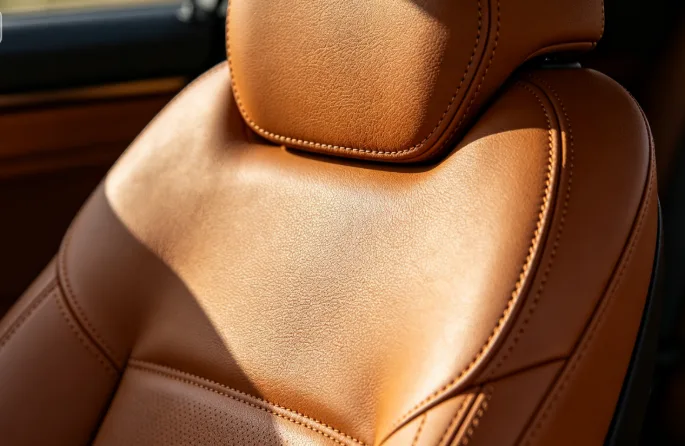
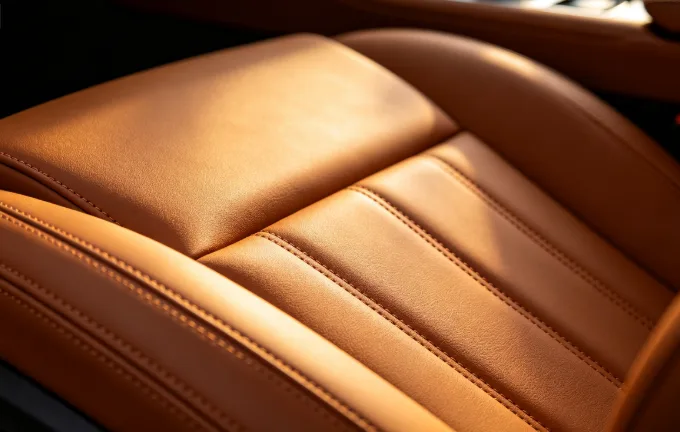
Application context: Provide the end-use product category (automotive seating, safety footwear, sofa upholstery, fashion accessories) and any brand-specific requirements. Application context directly influences material selection—automotive interiors require UV and hydrolysis resistance specifications that differ significantly from furniture applications.
How to Evaluate a Chinese Synthetic Leather Manufacturer’s Production Capacity?
Production capacity claims require verification through multiple channels before committing to orders.
Site assessment indicators: Request documentation of factory floor area, number of production lines, and employee headcount. HAOHAO’s three-factory structure across 180,000+ square meters of manufacturing space provides production flexibility that single-factory operations cannot match. Video calls or third-party inspection reports confirm facility claims.
Testing capability: Reputable manufacturers maintain in-house testing laboratories capable of running Martindale abrasion, tensile strength, and color fastness tests. Verify whether testing is conducted in-house or outsourced to third-party facilities, as this affects quality control responsiveness.
Capacity utilization data: Ask for current capacity utilization rates and order backlog information. A manufacturer running at 90%+ utilization may struggle to accommodate urgent orders, while too-low utilization (under 50%) may indicate quality or reputation issues.
Certifications: ISO 9001 (quality management), ISO 14001 (environmental management), and IATF 16949 (automotive quality) are verifiable certifications. Request current certificates and confirm their validity through certification body databases.
What Are the Typical Pricing Structures for Synthetic Leather from Chinese Suppliers?
Chinese synthetic leather pricing operates on a per-meter basis, influenced by four primary factors.
| Factor | Impact on Price | Typical Range |
|---|---|---|
| Material type | PU leather is lowest cost; microfiber leather is 20–40% higher; waterborne PU is 10–20% above standard PU | USD 2–8 per meter |
| Thickness | Thicker materials require more raw material and processing | +5–15% per 0.1mm above standard |
| Customization level | Stock colors cheapest; Pantone matching adds 5–10%; custom embossing adds 10–20% | Varies by specification |
| Order volume | Volume discounts typically start at 5,000+ meters; larger orders (50,000+ meters) receive 8–15% reduction | Tiered pricing |
Price negotiation approach: Request quotations for identical specifications from three or more suppliers. Chinese manufacturers frequently offer better terms for annual framework agreements that guarantee order volume in exchange for pricing stability. FOB Ningbo or Shanghai pricing is standard; confirm whether quotes include insurance and freight to destination.
Red flags on pricing: Quotes significantly below market average (30%+ lower) typically indicate substandard raw materials, reduced coating weights, or exaggerated specifications. Request laboratory test reports validating physical properties before accepting below-market pricing.
How Does Quality Validation Work When Sourcing Synthetic Leather from China?
Quality validation follows a structured protocol to minimize risk before full production.
Step 1: Sample request. Request 1–3 meter samples of the target product specification before placing trial orders. Specify exact product codes or technical parameters in writing. Reputable suppliers provide samples at no charge or nominal cost; excessive sample fees may indicate unwillingness to commit to specifications.
Step 2: Laboratory testing. Test samples against your specifications using either in-house facilities or third-party testing laboratories (SGS, Bureau Veritas, Intertek). Document all test results numerically rather than relying on supplier-provided test reports. Key tests include Martindale abrasion (ISO 5470), tensile strength (ISO 1421), and color fastness (ISO 105).
Step 3: Trial order. Place a small trial order (500–2,000 meters) for production validation. This order confirms that the supplier can produce the specified quality at volume, not just in small sample runs. Inspect the trial order against the same specifications used for sample testing.
Step 4: Production approval. Establish written approval criteria before production orders. Define acceptable tolerance ranges for thickness, color match (Delta E values), and physical properties. Signed approval of trial order production triggers volume order authorization.
What Logistics and Shipping Options Exist for Synthetic Leather Imported from China?
Synthetic leather ships via three primary logistics channels.
Sea freight (20–35 days): The most cost-effective option for high-volume orders. 20-foot containers accommodate approximately 30,000–40,000 meters of synthetic leather (depending on roll dimensions and thickness). Sea freight from Ningbo or Shanghai to major US/European ports is the standard choice for regular procurement. LCL (less-than-container-load) shipping is available for smaller orders but carries higher per-unit costs.
Air freight (5–10 days): Reserved for urgent orders or sample shipments. Air freight costs are 5–8 times higher than sea freight per kilogram but provide faster replenishment for time-sensitive production needs.
Rail freight (18–25 days to Europe): China-Europe Railway Express offers a middle ground between sea and air freight for European-bound shipments. Rail freight costs approximately 3–4 times sea freight but reduces transit time significantly.
Customs and duties: Synthetic leather (HS code 5903.20) typically faces 8–12% import duty rates in major markets. Confirm current duty rates and any anti-dumping duties applicable to Chinese synthetic leather in your target market before calculating landed costs.
FAQ
What is the minimum order quantity for synthetic leather from Chinese manufacturers?
Most Chinese synthetic leather manufacturers set minimum order quantities (MOQs) between 1,000 and 5,000 meters per color or specification. HAOHAO offers flexible MOQ arrangements for standard products, with volume flexibility increasing for framework agreement customers. Custom specifications with Pantone color matching or custom embossing typically require higher MOQs (3,000+ meters) to justify production setup costs.
How do I verify that a Chinese synthetic leather supplier has genuine production capacity?
Request documentation of factory registration (business license), production line photographs (geotagged where possible), and third-party verification reports. Arrange video calls to conduct virtual factory tours. A reputable manufacturer will accommodate reasonable verification requests. Check whether the supplier has export experience to your target market and request customer references where confidentiality permits
What payment terms do Chinese synthetic leather suppliers typically offer?
Standard payment terms for new customers are 30% deposit via T/T (telegraphic transfer) with 70% balance paid before shipment (LC at sight or T/T). Established customers with verified payment history may negotiate 30% deposit against 70% LC 90 days or open account terms. Avoid suppliers requesting 100% prepayment for first orders; reputable manufacturers accept risk-sharing through payment structures
Can Chinese manufacturers produce waterborne PU leather that meets EU REACH standards?
Yes. Major Chinese synthetic leather manufacturers have developed waterborne PU leather formulations that comply with EU REACH VOC restrictions and chemical safety requirements. OEKO-TEX Standard 100 certification is available for products meeting textile safety thresholds. Buyers should verify current compliance documentation and conduct independent testing validation, particularly for products intended for automotive or infant product applications.