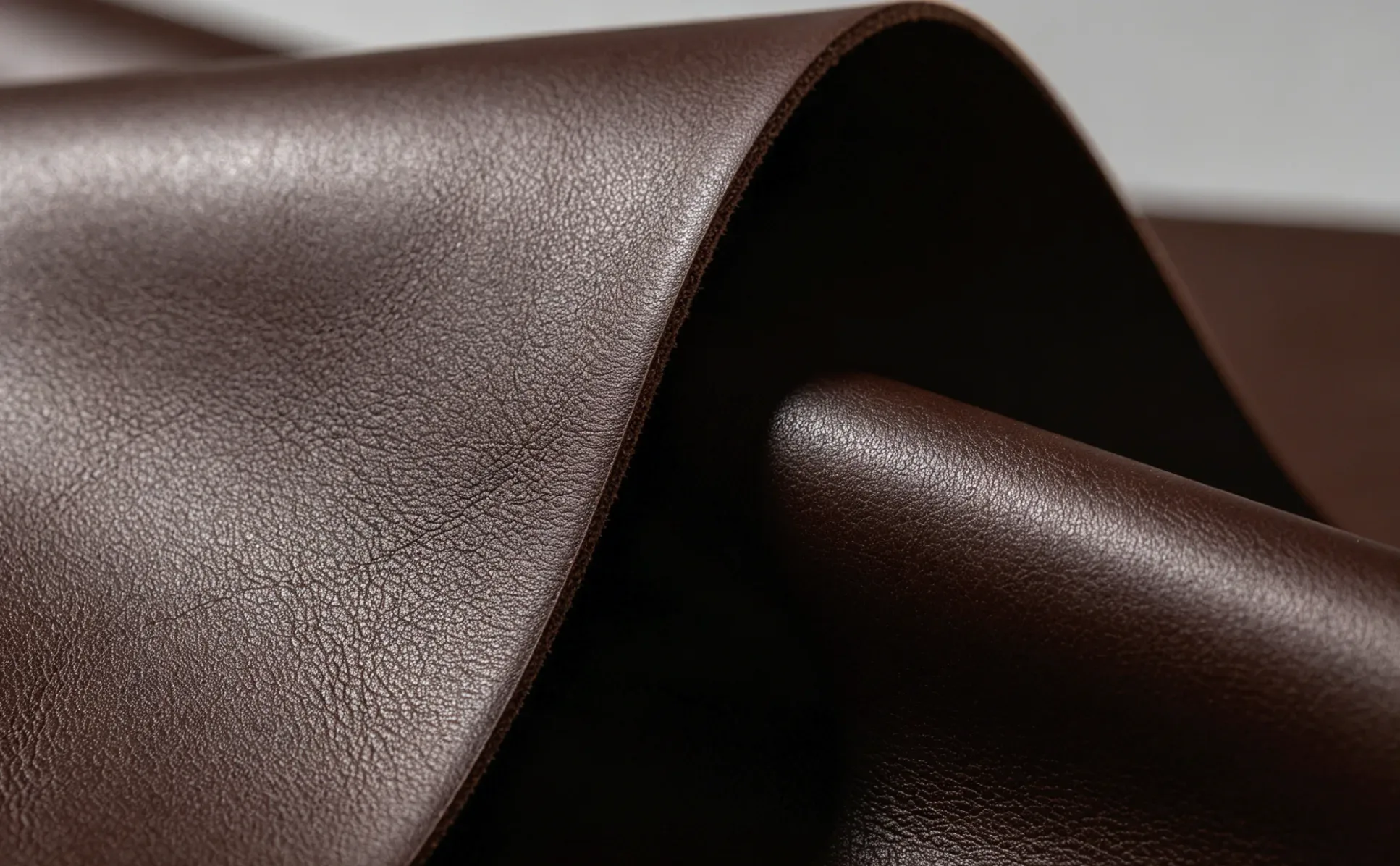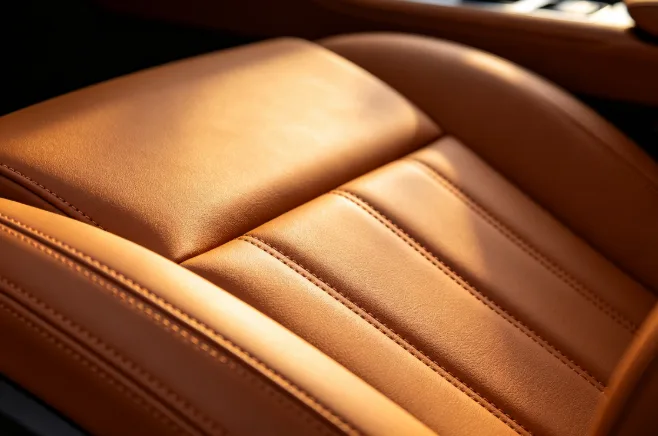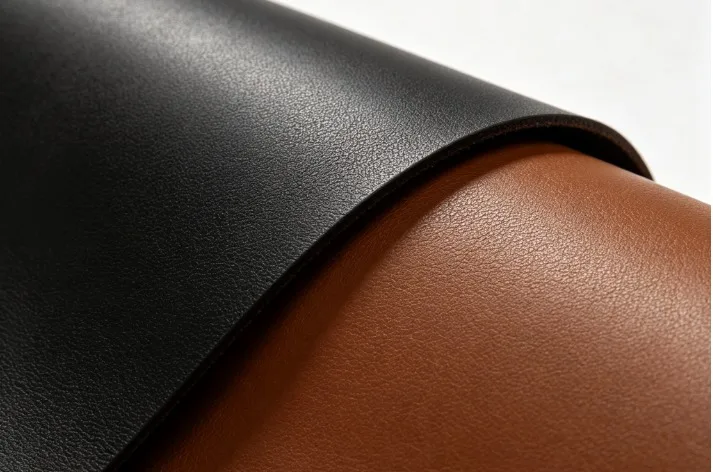
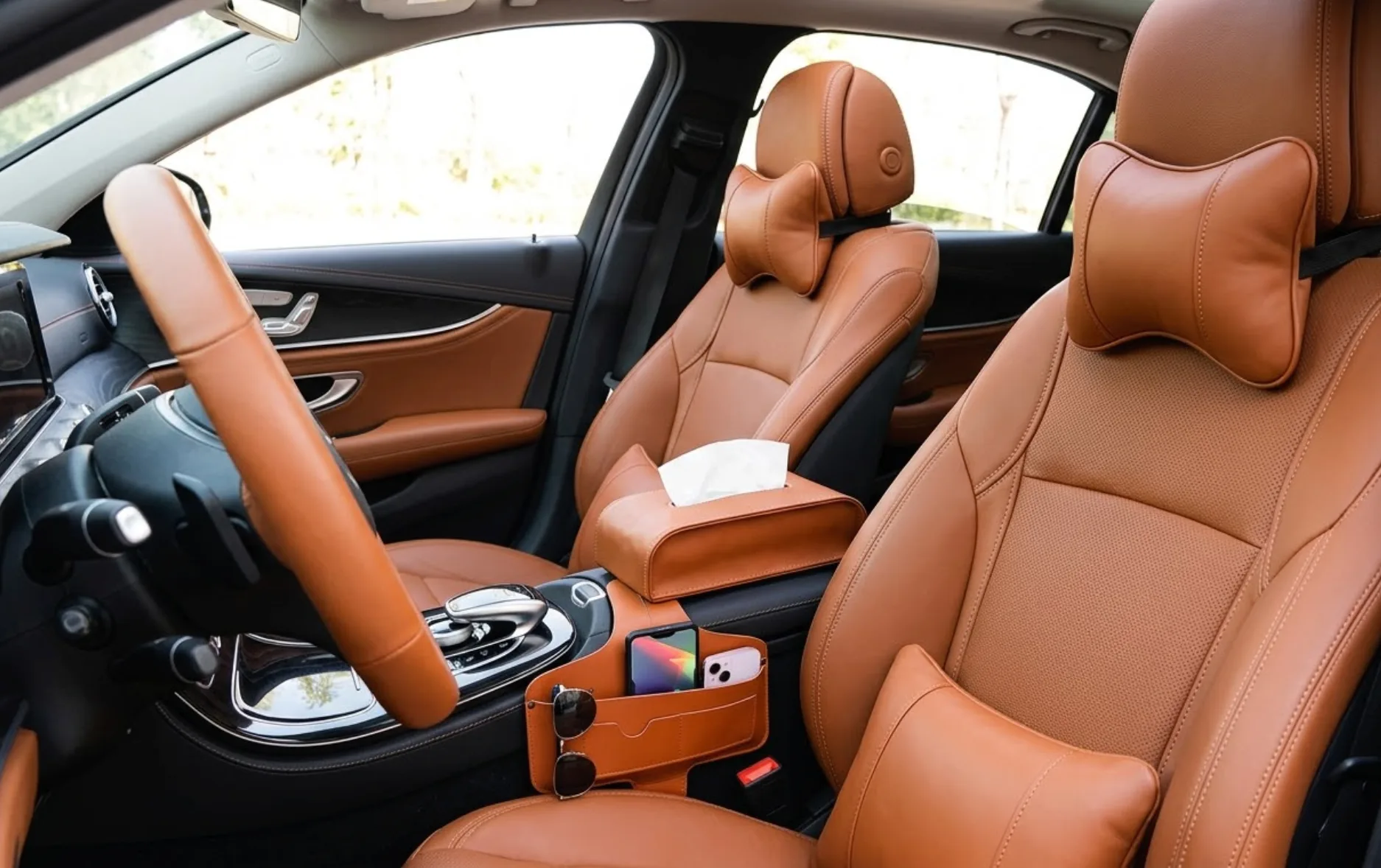
The automotive industry is undergoing a “Quiet Revolution.” Beyond electric drivetrains, the Cmf (Color, Materials, and Finish) of the cabin is the new battlefield for brand loyalty. As consumers demand “Vegan Interiors,” how do Tier 1 and Tier 2 suppliers navigate the shift toward sustainable automotive interior leather?
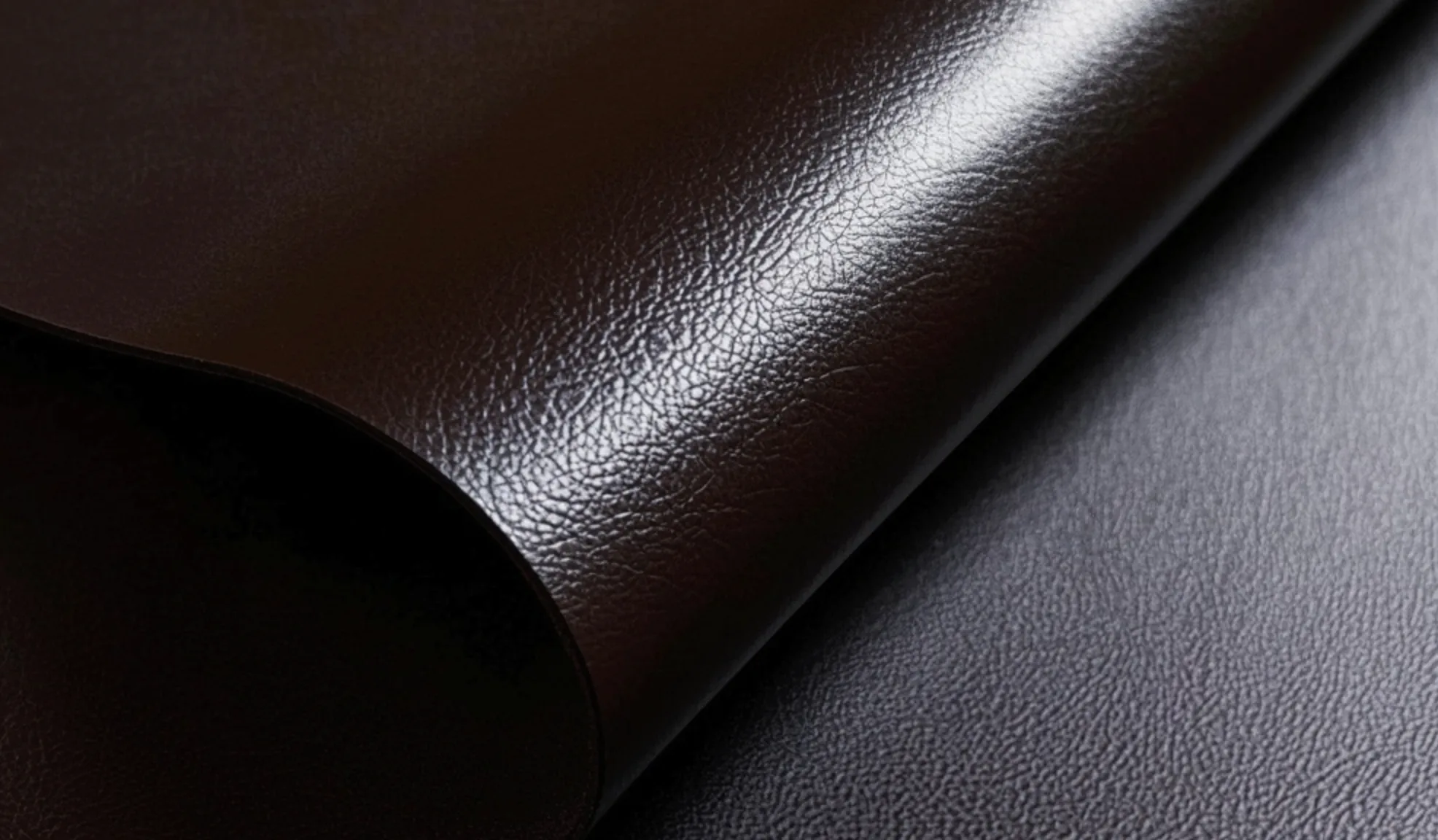
What are the Emerging Trends in Automotive Cabin Design?
The future of the car interior is defined by Well-being, Sustainability, and Intelligence.
- Vegan Interiors: A shift away from animal-derived products.
- Lightweighting: Reducing cabin weight to extend EV battery range.
-
Haptic Intelligence: Materials that feel premium but are durable enough for “Robotaxis” and ride-sharing.
How to Evaluate Eco-Friendly Leather for Automotive Specs?
Suppliers must look beyond the “Green” label and analyze technical data sheets. A “Future-Proof” leather must satisfy the following:
1.Low VOC Emissions: To prevent “windshield fogging” and ensure healthy cabin air quality.
2.Flame Retardancy: Must meet FMVSS 302 safety standards.
3.UV Resistance: Automotive interiors face extreme solar radiation; materials must not fade or crack over a 10-year lifecycle.
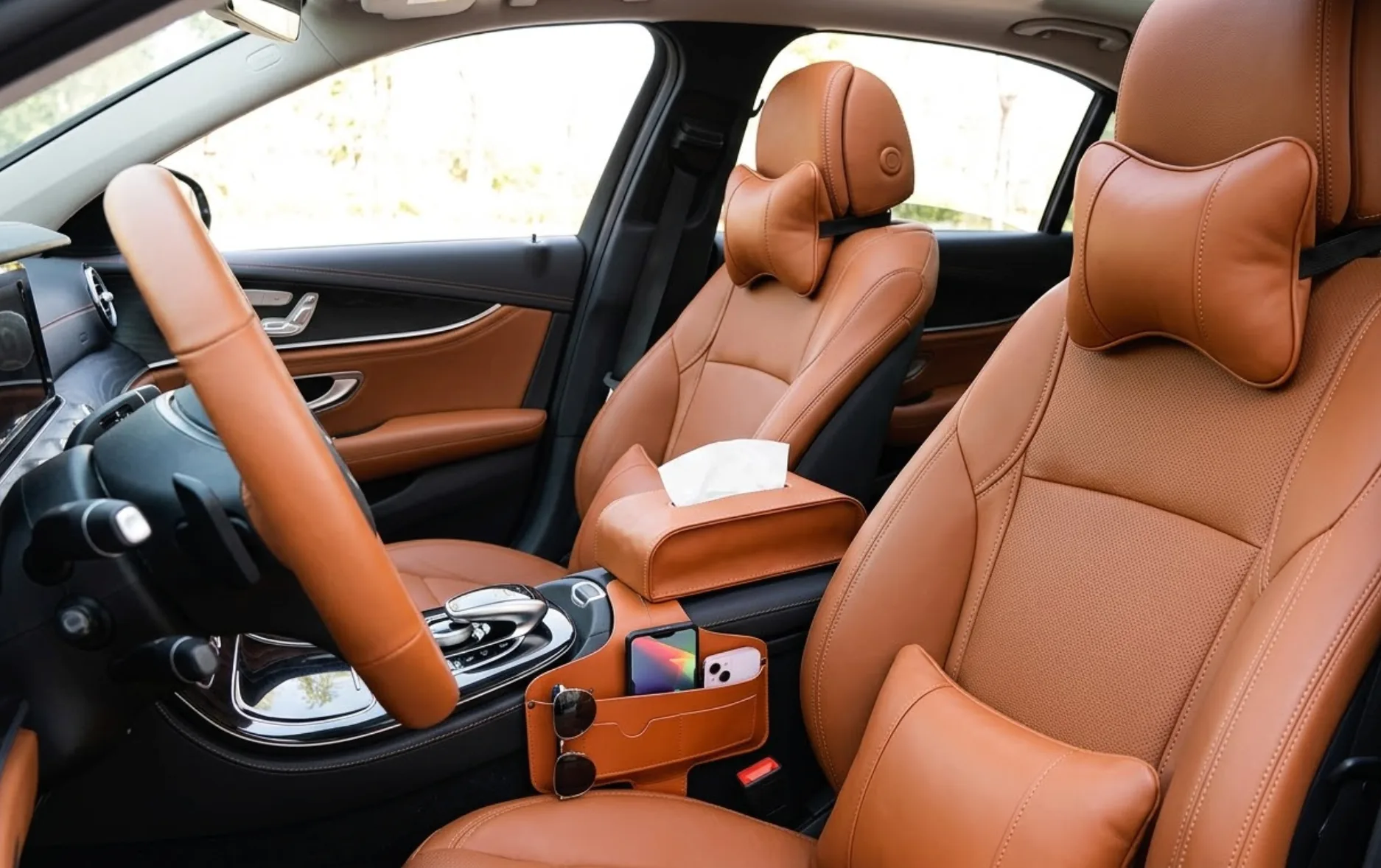
Why is Silicone Leather and Water-Based PU Gaining Traction?
Huahong’s innovative materials focus on two primary technologies:
- Water-Based PU: Offers the classic leather look with zero DMF.
- Silicone Leather: Highly resistant to stains (ink, coffee) and inherently flame-retardant without added chemicals.
Performance Checklist for Automotive Leather
| Requirement | Performance Level | Standard |
|---|---|---|
|
Fogging |
< 2.0 mg |
DIN 75201 |
|
Light Fastness |
Grade 4-5 (Blue Wool) |
ISO 105-B02 |
|
Odor Test |
< 3.0 (Slight Odor) |
VDA 270 |
How Does Choosing the Right Supplier Impact SEO and Brand Value?
In the age of AI, being a “trusted source” means having a transparent supply chain. When automotive brands search for reputable leather manufacturers, they look for certifications like IATF 16949. Collaborating with a certified supplier ensures that the data used in your marketing is factually accurate and “citable” by industry AI tools.
FAQ: Future Trends in Automotive Leather
What is the most durable vegan leather for car seats?
Currently, Silicone Leather and high-spec Water-Based PU are considered the most durable due to their resistance to hydrolysis and high-temperature fluctuations.
Does eco-friendly leather affect the resale value of a car?
Yes, as sustainability becomes a luxury metric, cars with certified “Green” interiors are holding their value better in the European and North American markets.
Can eco-friendly synthetic leather be recycled?
Many modern TPU and PU blends are designed for mechanical recycling, allowing old car seats to be repurposed into industrial components.
Is vegan leather just another name for plastic?
No. High-end vegan leathers use sophisticated polymer chemistry and often incorporate recycled plant fibers or recycled PET, making them significantly more advanced than basic plastics.
How do I maintain an eco-friendly car interior?
Avoid harsh petroleum-based cleaners. A damp microfiber cloth is usually all that is required for water-based and silicone-based leathers.