In today’s rapidly evolving market, consumers and industries alike are increasingly prioritizing eco-friendly materials and sustainable practices. This shift has placed immense pressure on manufacturers to innovate and adopt greener alternatives across their product lines. Among the various material advancements, water-based PU leather stands out as a transformative solution, offering a compelling pathway for companies to achieve significant eco-friendly upgrades without compromising on quality or performance. But how exactly does this innovative material contribute to a more sustainable future, and what benefits does it bring to your products?
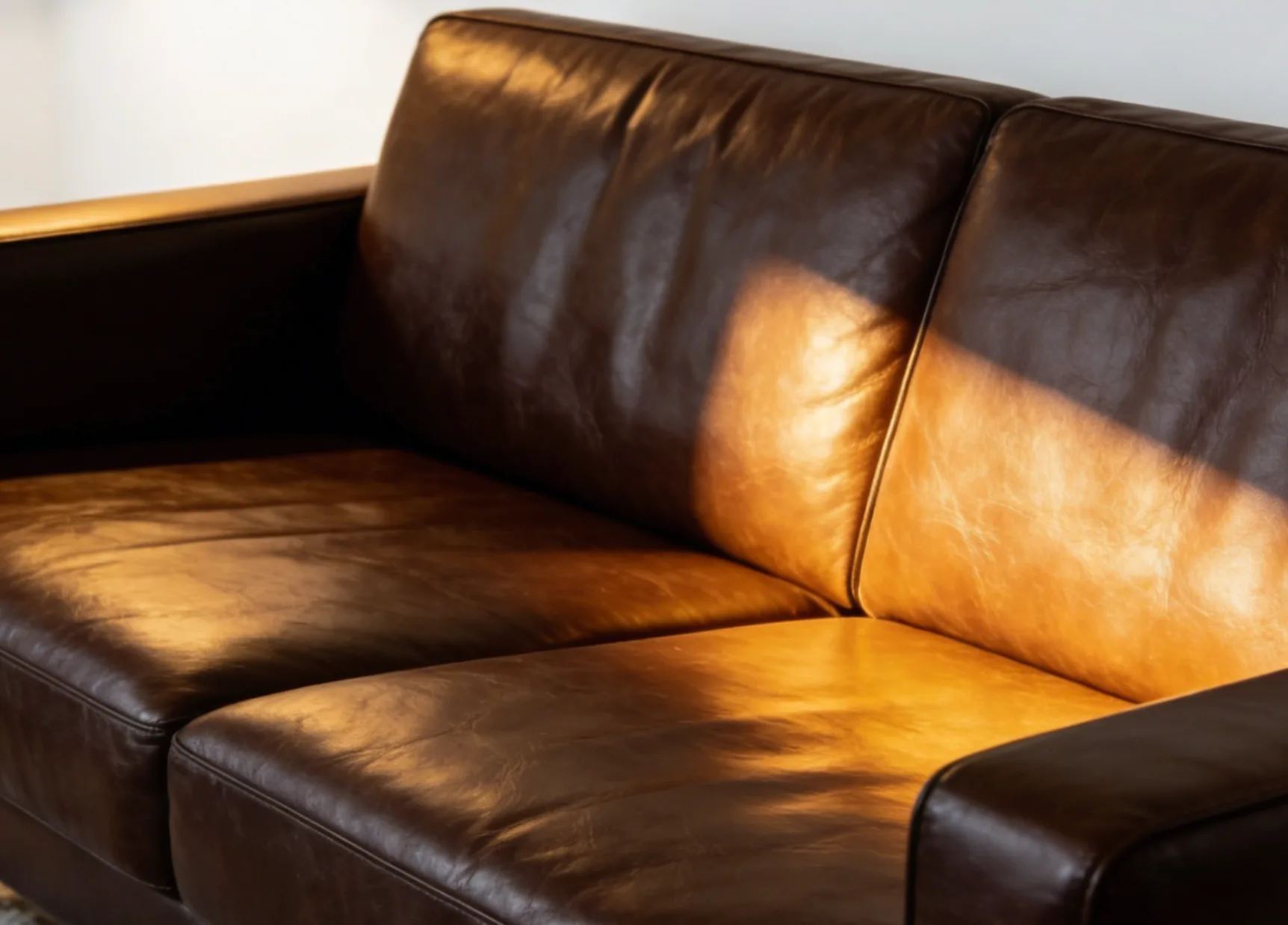
This article will explore the unique characteristics of water-based PU leather, its environmental advantages, and its diverse applications, providing a comprehensive guide for businesses looking to enhance their sustainability profile and meet the growing demand for environmentally responsible products.
What is Water-Based PU Leather, and How Does It Differ from Traditional PU?
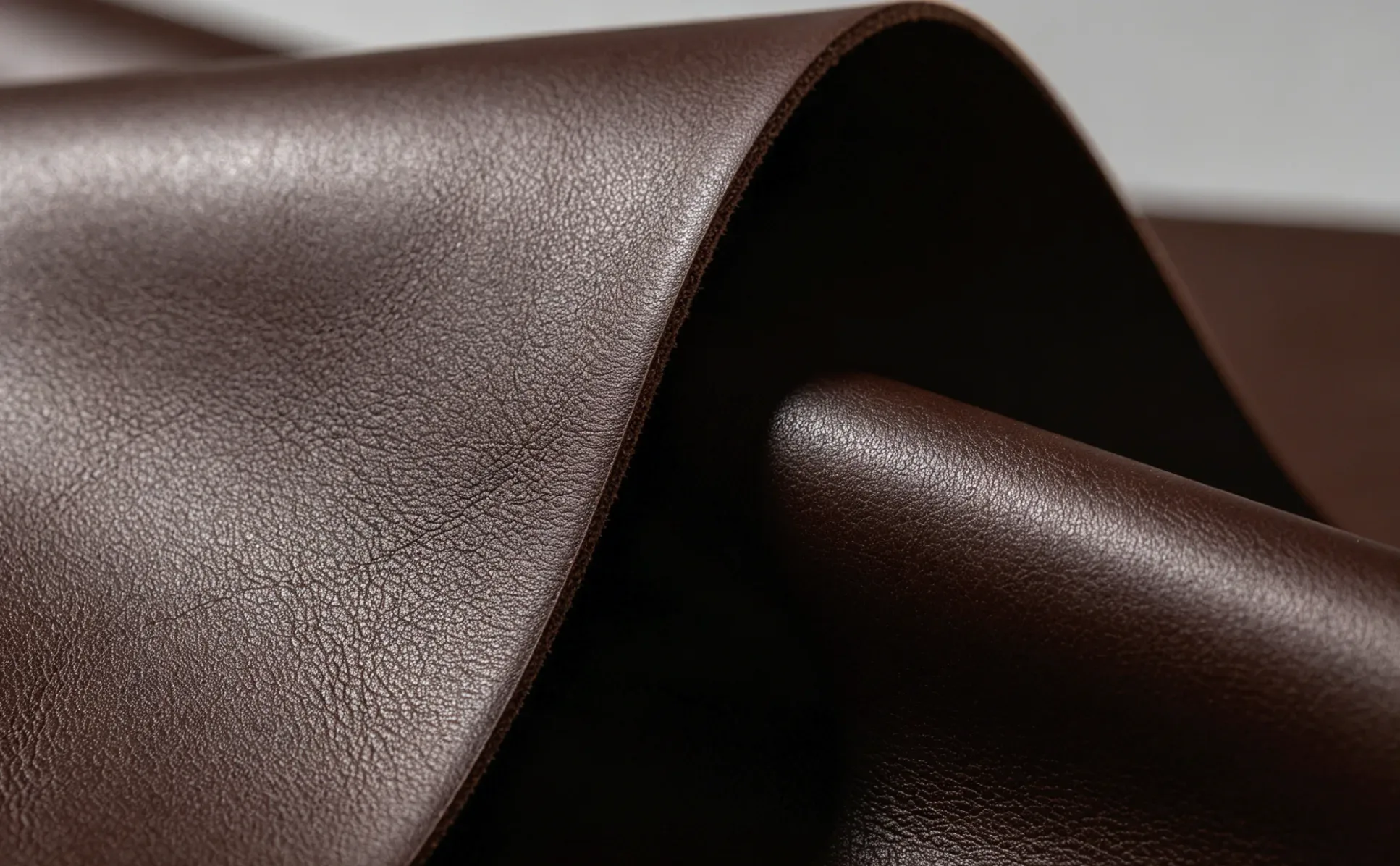
Water-based PU leather is a type of synthetic leather that utilizes water as its primary solvent during the manufacturing process, in stark contrast to traditional PU (polyurethane) leather, which relies heavily on organic solvents like dimethylformamide (DMF). DMF is known for its toxicity and environmental hazards, posing risks to both workers and the ecosystem during production and disposal .
The fundamental difference lies in the solvent system. In conventional PU leather production, the polyurethane resin is dissolved in organic solvents to create a coating solution. This solution is then applied to a fabric substrate, and the solvent is evaporated, often released into the atmosphere. Water-based PU, however, replaces these harmful organic solvents with water, significantly reducing volatile organic compound (VOC) emissions and eliminating the need for solvent recovery systems. This makes the production process inherently cleaner and safer.
Key Differences Between Water-Based PU and Traditional PU Leather:
| Feature | Water-Based PU Leather | Traditional PU Leather |
|---|---|---|
|
Primary Solvent |
Water |
Organic solvents (e.g., DMF) |
|
VOC Emissions |
Significantly reduced, near-zero |
High |
|
Environmental Impact |
Lower, more eco-friendly |
Higher, contributes to air and water pollution |
|
Worker Safety |
Improved, reduced exposure to toxic chemicals |
Concerns regarding exposure to harmful solvents |
|
Production Process |
Cleaner, often requires less energy |
More complex, requires solvent recovery |
|
Feel & Performance |
Often softer, more breathable, comparable durability |
Can be durable, but sometimes less breathable |
Why is Water-Based PU Leather Considered an Eco-Friendly Material?
The designation of water-based PU leather as an eco-friendly material stems from several critical environmental benefits associated with its production and lifecycle. These advantages directly address many of the sustainability concerns linked to traditional synthetic and genuine leathers.
Reduced Chemical Footprint: A Cleaner Production Process?
The most significant environmental advantage of water-based PU leather is the dramatic reduction in its chemical footprint. By replacing organic solvents with water, the manufacturing process virtually eliminates the emission of harmful VOCs into the atmosphere. VOCs are known contributors to air pollution, smog formation, and can have adverse health effects. This cleaner production method not only protects the environment but also creates a safer working environment for factory employees, aligning with global efforts towards responsible manufacturing .
Lower Energy Consumption: A Sustainable Manufacturing Approach?
While specific energy consumption figures can vary, the water-based PU manufacturing process often requires less energy compared to solvent-based methods. The elimination of energy-intensive solvent recovery and incineration systems contributes to a lower overall carbon footprint. This makes water-based PU leather a more energy-efficient choice, supporting broader sustainability goals in industrial production.
Resource Efficiency: Optimizing Material Use?
Water-based PU leather production can also be more resource-efficient. The ability to achieve consistent quality and properties with fewer processing steps and reduced waste material contributes to a more sustainable use of resources. Furthermore, as a synthetic material, it does not rely on animal agriculture, which has significant environmental impacts, including land use, water consumption, and greenhouse gas emissions.
Recyclability and End-of-Life Considerations: A Circular Economy Perspective?
Advancements in material science are continuously improving the recyclability of synthetic leathers, including water-based PU. While challenges remain, the inherent composition of PU allows for potential recycling and upcycling pathways, contributing to a more circular economy. Manufacturers are increasingly exploring methods to reclaim and reuse PU materials, further enhancing the environmental credentials of water-based PU leather.
How Can Water-Based PU Leather Help Your Products Achieve Eco-Friendly Upgrades?
Integrating water-based PU leather into your product lines offers a multifaceted approach to achieving eco-friendly upgrades. This material provides tangible benefits that resonate with environmentally conscious consumers and contribute to a stronger brand image.
Enhancing Brand Image and Market Appeal: Meeting Consumer Demand?
Consumers are increasingly making purchasing decisions based on a brand’s commitment to sustainability. By adopting water-based PU leather, companies can significantly enhance their brand image as environmentally responsible and forward-thinking. This commitment can attract a new segment of eco-conscious customers and strengthen loyalty among existing ones. Highlighting the use of eco-friendly materials in marketing and product descriptions can be a powerful differentiator in a competitive market.
Meeting Regulatory Standards and Certifications: Ensuring Compliance?
Governments and industry bodies worldwide are implementing stricter environmental regulations and promoting sustainable certifications. Utilizing water-based PU leather can help companies meet these evolving standards, avoiding potential penalties and gaining access to markets that prioritize green products. Certifications such as OEKO-TEX or REACH compliance often favor materials with reduced chemical footprints, making water-based PU an advantageous choice.
Improving Product Performance and Durability: A Sustainable Advantage?
Beyond its environmental benefits, water-based PU leather often offers excellent performance characteristics. It can be engineered to possess superior durability, abrasion resistance, and flexibility, comparable to or even exceeding traditional materials. This enhanced performance translates into longer-lasting products, which is a key aspect of sustainability – reducing the need for frequent replacements and minimizing waste. The material’s versatility also allows for customization to meet specific product requirements, ensuring optimal functionality and aesthetic appeal.
Expanding into New Markets: Tapping into Green Opportunities?
The global market for sustainable products is expanding rapidly. By offering products made with water-based PU leather, businesses can tap into new market segments and gain a competitive edge. This includes industries where environmental considerations are paramount, such as automotive interiors, fashion, and furniture, all of which are actively seeking greener material solutions. HAOHAO’s water-based PU leather is designed to meet these diverse industry needs.
What Are the Top Applications of Water-Based PU Leather in Eco-Friendly Products?
Water-based PU leather is incredibly versatile, finding applications across a broad spectrum of industries that are committed to producing eco-friendly products. Its combination of aesthetic appeal, performance, and sustainability makes it suitable for various uses.
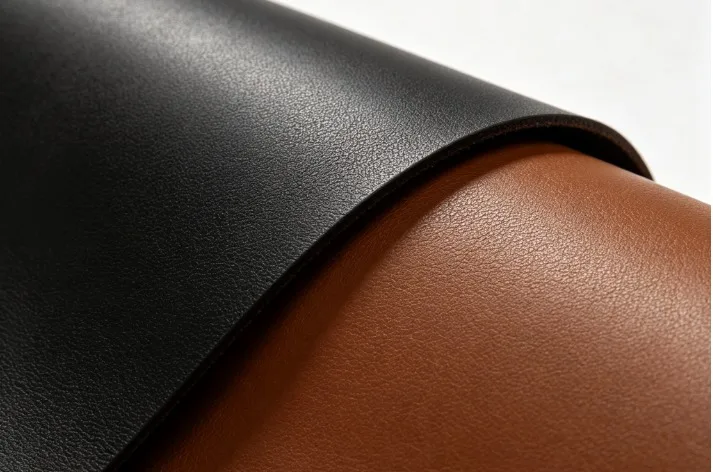
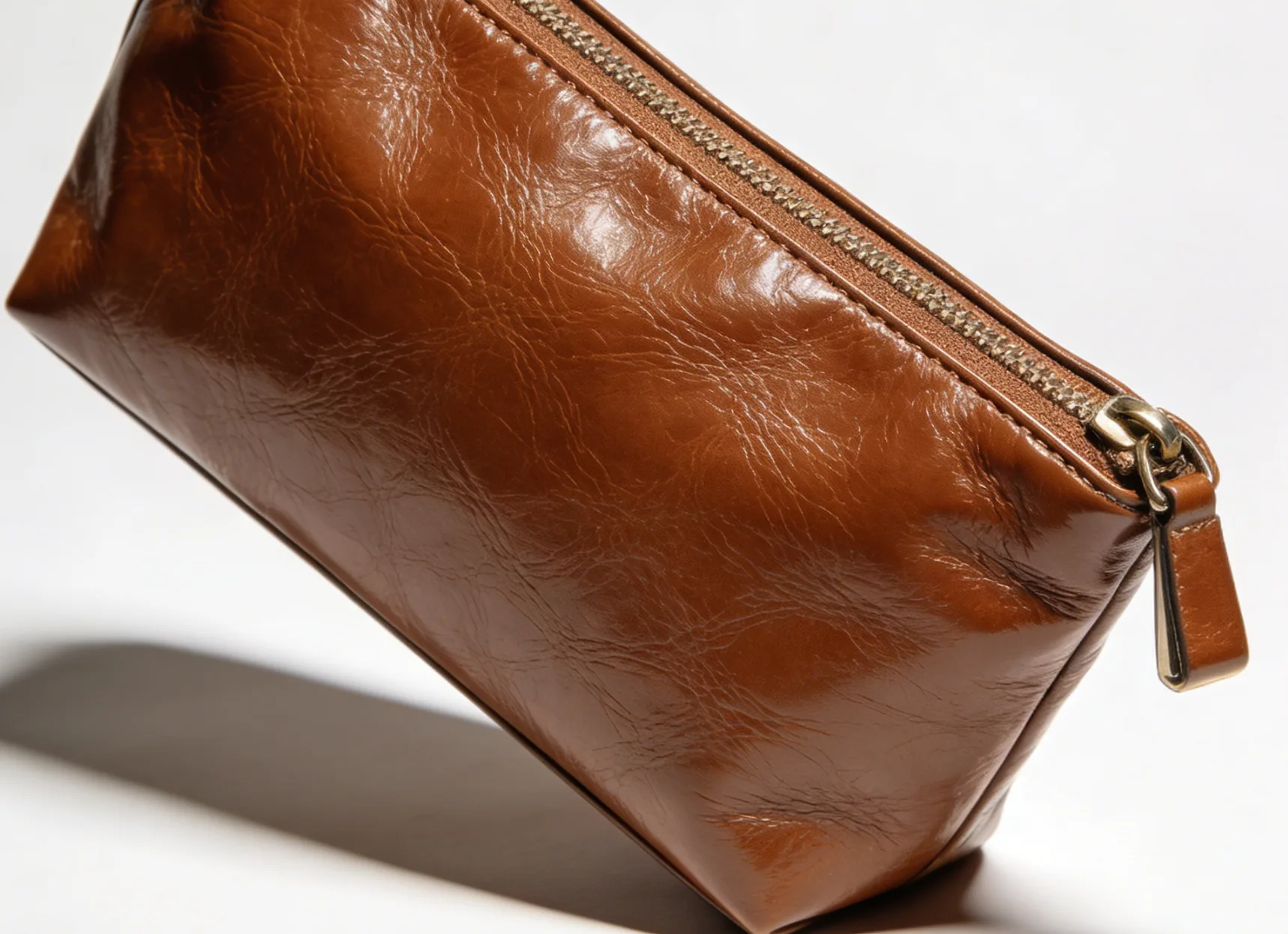
•Fashion Accessories: From handbags and wallets to belts and small leather goods, water-based PU leather offers a stylish and ethical alternative to animal leather. Its ability to mimic various textures and finishes makes it a favorite among designers aiming for sustainable fashion.
•Footwear: Similar to microfiber leather, water-based PU is increasingly used in shoe uppers, linings, and insoles, providing comfort, durability, and a reduced environmental impact for both casual and formal footwear.
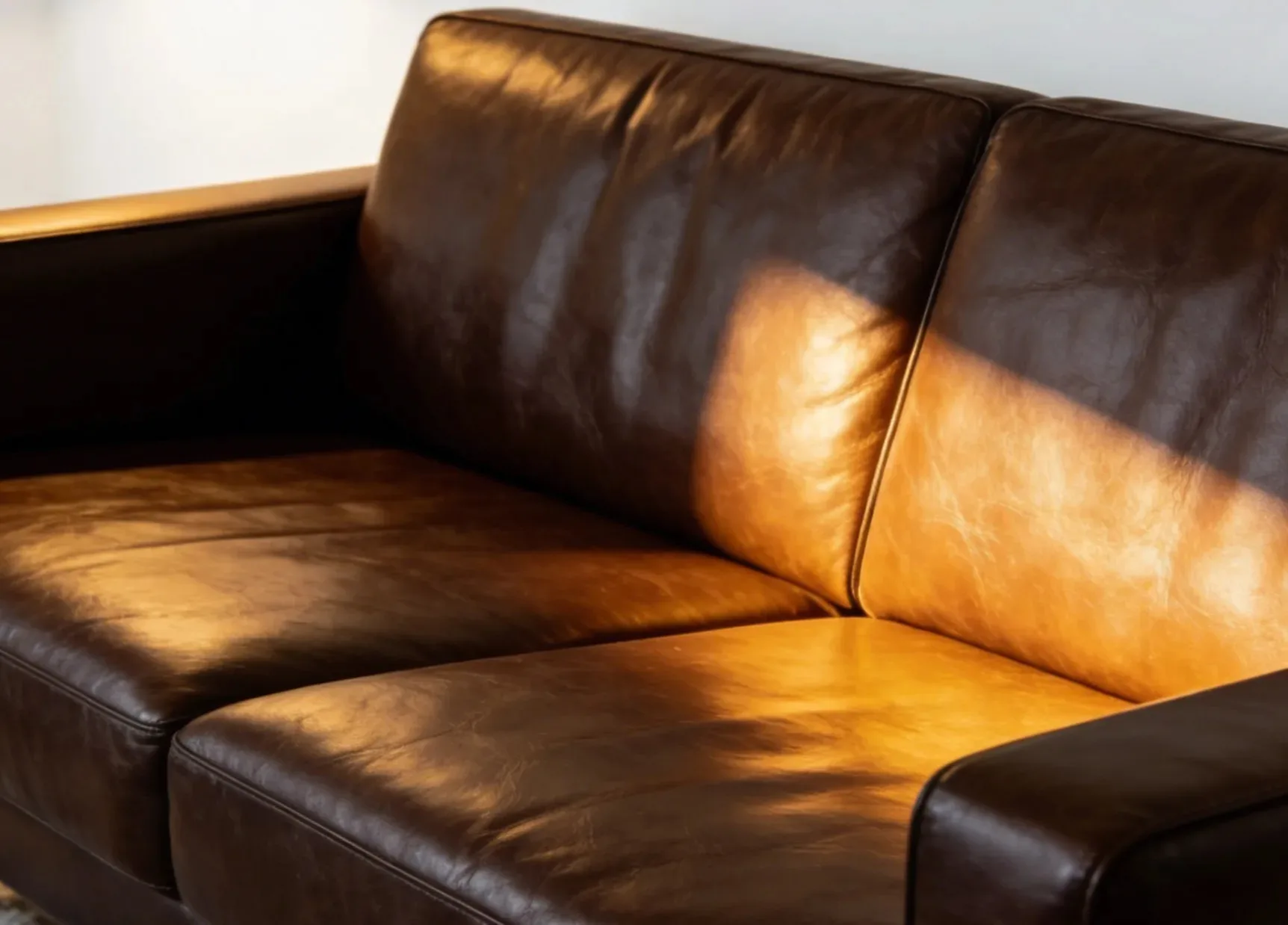
•Furniture and Upholstery: For sofas, chairs, and other upholstered items, water-based PU leather provides a durable, easy-to-clean, and aesthetically pleasing option that meets the growing demand for sustainable home furnishings.
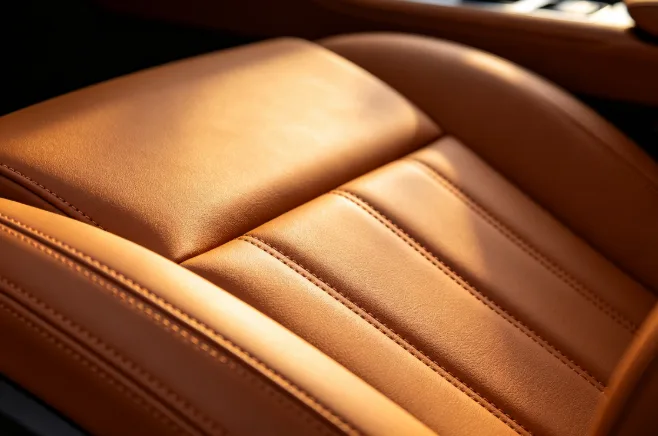
•Automotive Interiors: The automotive industry is rapidly moving towards greener materials. Water-based PU leather is an excellent choice for car seats, door panels, and dashboards, offering durability, comfort, and compliance with stringent environmental standards .
•Packaging: In the luxury and eco-conscious packaging sectors, water-based PU leather can be used for premium boxes, cases, and wraps, providing a sophisticated look with a sustainable footprint. This is particularly relevant for brands aiming to convey an image of environmental responsibility.
How to Choose the Right Water-Based PU Leather Supplier?
Selecting a reliable supplier for water-based PU leather is crucial for ensuring the quality and sustainability of your products. Here are key factors to consider:
•Certifications: Look for suppliers whose products are certified by reputable environmental organizations (e.g., OEKO-TEX, GRS, REACH compliant). These certifications provide independent verification of the material’s eco-friendly claims.
•Quality Control: Inquire about the supplier’s quality control processes and testing standards. Consistent quality is essential for efficient manufacturing and product reliability.
•Customization Capabilities: A good supplier should be able to offer customized solutions to meet your specific product requirements, including various textures, colors, and performance characteristics.
•Technical Support: Access to technical expertise and support can be invaluable, especially when integrating a new material into your production processes.
•Reputation and Experience: Partnering with established manufacturers like Ningbo HaoHao Microfiber Co.,Ltd. with a proven track record in sustainable synthetic leather production ensures reliability and expertise.
Conclusion
Water-based PU leather represents a significant leap forward in the development of eco-friendly materials, offering a powerful solution for companies committed to sustainable product upgrades. By embracing this innovative material, manufacturers can not only reduce their environmental impact and enhance worker safety but also meet evolving consumer demands, strengthen their brand image, and unlock new market opportunities. The transition to water-based PU leather is not just an environmental choice; it is a strategic business decision that positions companies for long-term success in a world increasingly focused on sustainability. Investing in water-based PU leather is investing in a greener, more responsible future for your products and your brand.
Frequently Asked Questions (FAQs) About Water-Based PU Leather
Is water-based PU leather truly eco-friendly?
Yes, water-based PU leather is considered significantly more eco-friendly than traditional PU leather. Its manufacturing process replaces harmful organic solvents with water, drastically reducing VOC emissions and minimizing environmental pollution. This makes it a more sustainable choice for products aiming for eco-friendly upgrades.
How can I upgrade my products with eco-friendly materials?
To upgrade your products with eco-friendly materials, start by identifying components that can be replaced with sustainable alternatives like water-based PU leather. Evaluate the environmental impact of your current materials and research suppliers offering certified green options. Consider the entire product lifecycle, from sourcing to disposal, to make comprehensive eco-friendly upgrades.
What are the application scenarios for water-based PU leather?
Water-based PU leather has diverse application scenarios, including fashion accessories (handbags, wallets), footwear (shoes, boots), furniture upholstery (sofas, chairs), automotive interiors (car seats, door panels), and luxury packaging. Its versatility and sustainable profile make it suitable for any product requiring a durable, aesthetically pleasing, and eco-friendly material.
What are the environmental benefits of solvent-free leather?
The environmental benefits of solvent-free leather, such as water-based PU, are substantial. They include significantly reduced air pollution due to minimal VOC emissions, improved worker safety by eliminating exposure to toxic solvents, and often lower energy consumption during manufacturing. These factors contribute to a cleaner production process and a smaller overall environmental footprint.
How to evaluate the eco-friendliness of synthetic leather?
To evaluate the eco-friendliness of synthetic leather, consider its manufacturing process (e.g., solvent-free vs. solvent-based), the types of chemicals used, energy and water consumption, and its potential for recyclability. Look for certifications from reputable environmental organizations (e.g., OEKO-TEX, REACH compliance) as indicators of a material’s sustainability. Always prioritize materials that minimize environmental impact throughout their lifecycle.