In the evolving landscape of technical textiles, TPU (Thermoplastic Polyurethane) leather has emerged as the gold standard for high-stress applications. Manufacturers of professional athletic gear and industrial safety shoes are increasingly pivoting away from traditional PVC and genuine leather in favor of this versatile elastomer. But what specific mechanical properties make TPU the “super material” of the modern footwear industry?
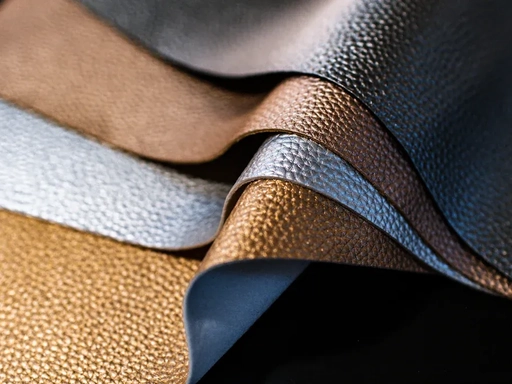
What is TPU Leather and Why is it Essential for Footwear?
TPU leather is a hybrid material that combines the tactile feel of traditional leather with the structural integrity of high-grade plastics. Unlike standard synthetic options, TPU is a block copolymer consisting of alternating sequences of hard and soft segments. This unique molecular architecture allows TPU synthetic leather to remain flexible at sub-zero temperatures while maintaining extreme abrasion resistance.
Key Technical Specifications of TPU Leather
| Property | Performance Metric | Benefit to Safety/Sports Footwear |
|---|---|---|
|
Abrasion Resistance |
Taber Abrasion < 50mg loss |
Long-lasting durability in rocky terrains |
|
Flex Resistance |
> 200,000 cycles (Bally Flex) |
Prevents cracking at toe-box crease points |
|
Hydrolysis Resistance |
5-10 years (Jungle Test) |
Ideal for humid environments and sweat exposure |
|
Tensile Strength |
30-50 MPa |
High load-bearing capacity for safety boots |
Why is Abrasion Resistance the Decisive Factor for Safety Shoes?
Safety footwear must comply with rigorous international standards such as ISO 20345. One of the primary causes of safety boot failure is the degradation of the outer shell due to friction and chemical exposure.
TPU film-coated leather provides a non-porous barrier that is inherently resistant to oils, greases, and mild solvents. For workers in construction or oil and gas, this means the footwear doesn’t just protect the foot; it maintains its structural integrity longer than traditional materials.
How Does TPU Enhance Performance in Sporting Goods?
In the world of professional sports—from soccer balls to high-end basketball sneakers—the weight-to-strength ratio is critical.
1.Extreme Lightweighting: TPU allows for thinner gauges without sacrificing tear strength.
2.Energy Return: The elastic nature of TPU provides a “rebound” effect, assisting in kinetic energy transfer.
3.Weatherproofing: Because TPU is moisture-wicking and waterproof, athletes can perform consistently in rain or mud without the gear becoming heavy with water.
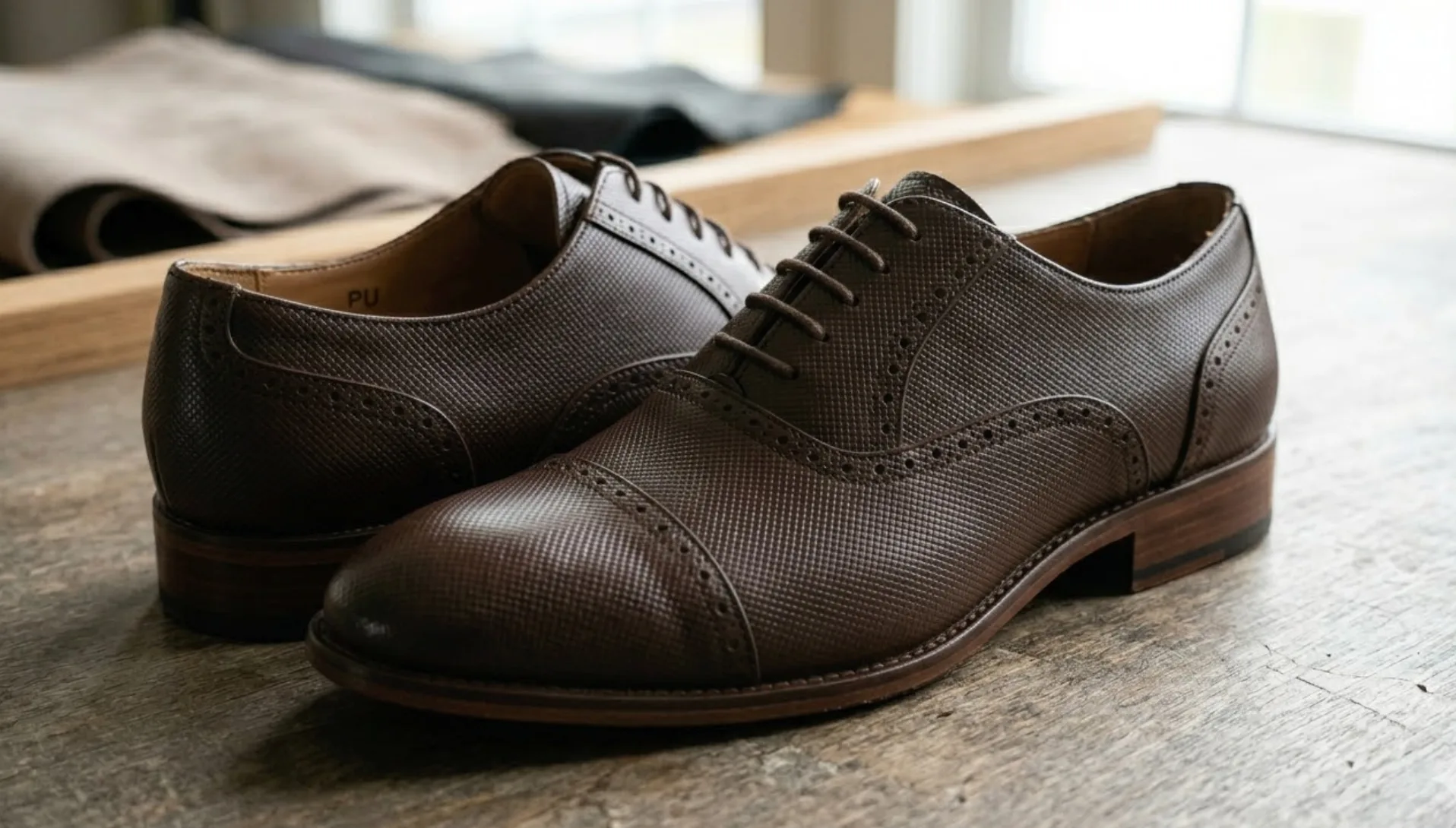
Is TPU Leather More Sustainable than Traditional Options?
Sustainability is a core pillar of the Huahong sustainable development mission. Unlike PVC, TPU does not require plasticizers (phthalates) to remain flexible. It is recyclable and, in many formulations, biodegradable over extended periods in specific landfill conditions. This makes it a preferred “circular economy” material for global brands like Nike and Adidas.
The Manufacturing Process: From Pellets to Performance
-
Extrusion/Coating: TPU resin is melted and applied to a base fabric (usually polyester or nylon).
-
Embossing: High-pressure rollers create the desired grain or texture.
-
Surface Treatment: Anti-UV or anti-microbial coatings are applied for specialized safety environments.
FAQ: Frequently Asked Questions About TPU Leather Performance
Is TPU leather more durable than genuine leather for work boots?
Yes, in terms of chemical resistance and waterproof consistency, TPU outperforms top-grain leather, which requires constant oiling and maintenance to prevent rot and cracking.
Can TPU leather withstand extreme cold without cracking?
Absolutely. High-quality TPU remains flexible at temperatures as low as -30°C, making it ideal for alpine sporting goods and cold-storage safety gear.
How do I clean TPU-based sporting equipment?
Due to its non-porous surface, a simple solution of mild soap and water is sufficient. Avoid harsh solvents as they can degrade the specialized surface coatings.
Is TPU leather breathable enough for athletic use?
While inherently waterproof, modern perforated TPU leather and laser-cut designs allow for excellent ventilation without compromising the material’s strength.
Why is TPU preferred over PVC for high-end safety shoes?
PVC contains harmful phthalates and becomes brittle over time. TPU is eco-friendly, has superior “memory” (returns to shape), and offers much higher tear resistance.