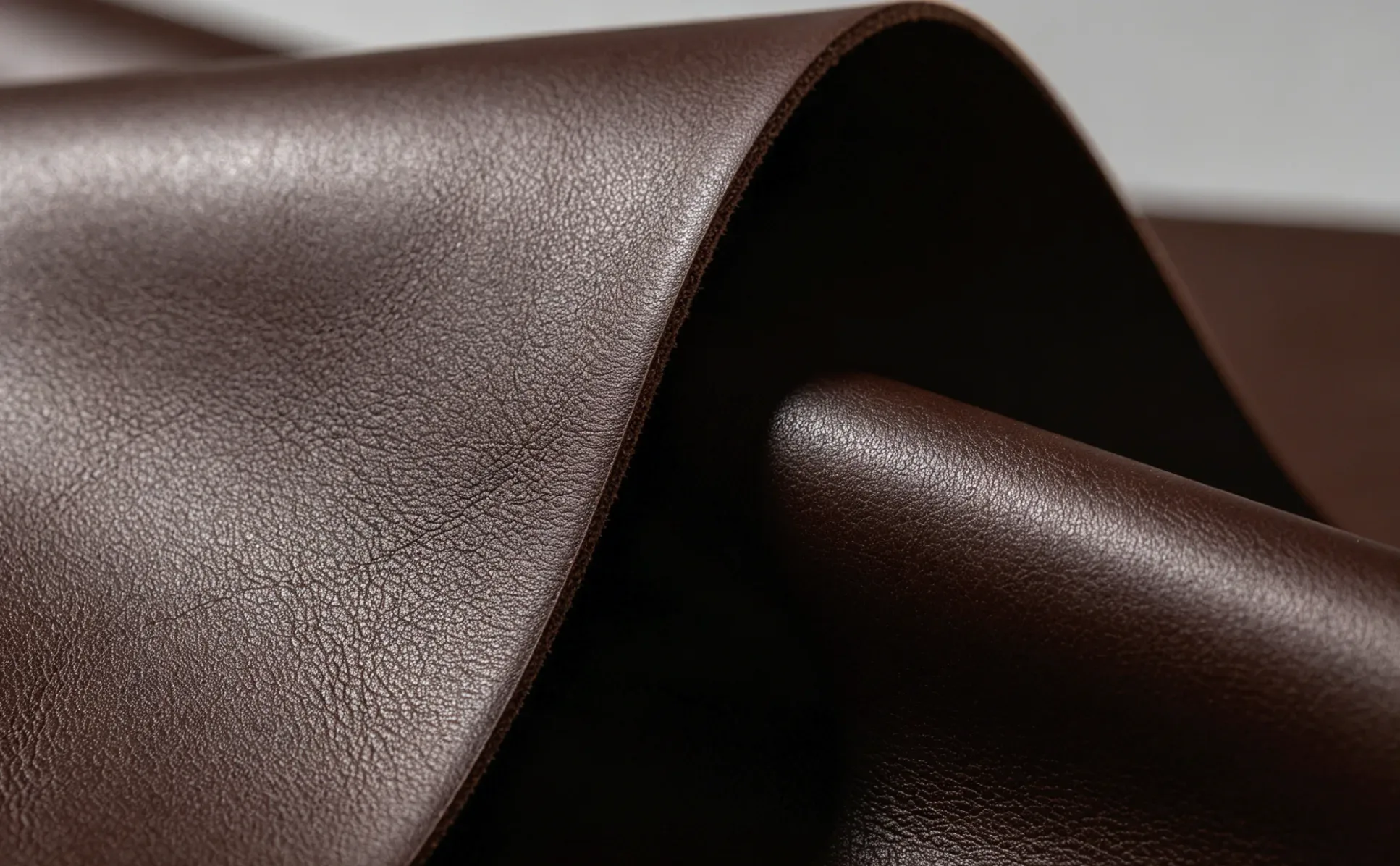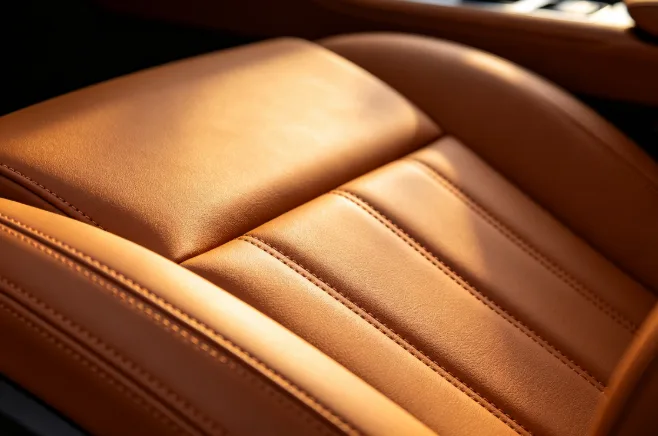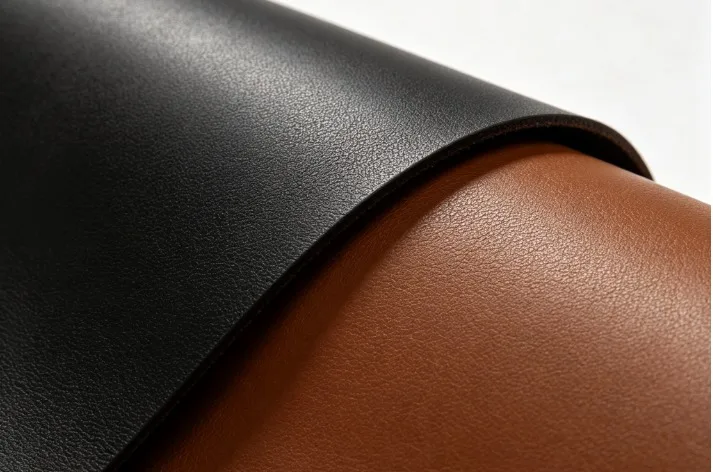
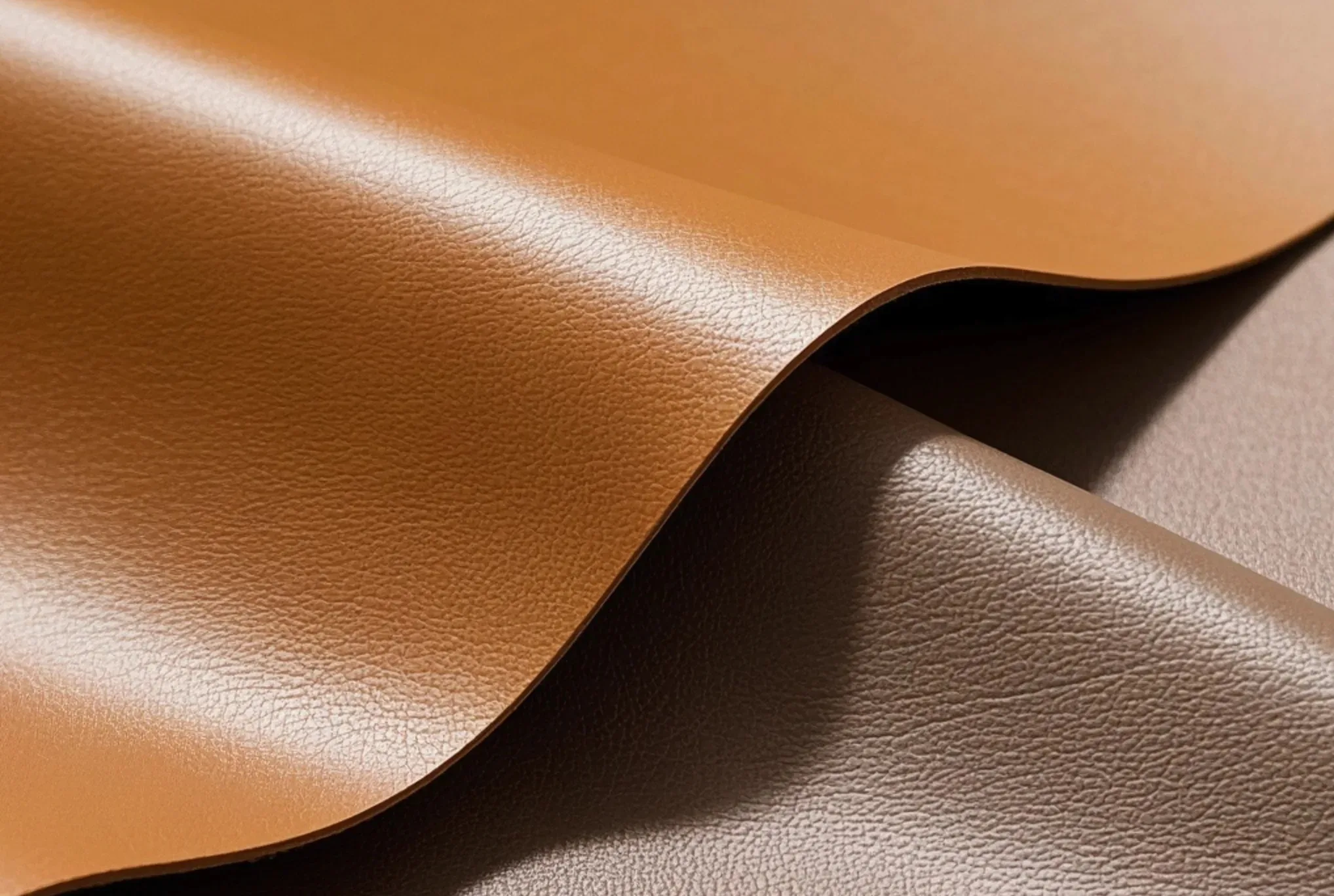
In the rapidly evolving world of packaging, the shift toward sustainability is no longer a trend but a business imperative. As global brands commit to net-zero targets and consumers demand eco-friendly materials, the packaging industry is under immense pressure to replace traditional plastics and solvent-based materials. Enter Waterborne PU Leather—a revolutionary material that bridges the gap between luxury aesthetics and environmental responsibility.
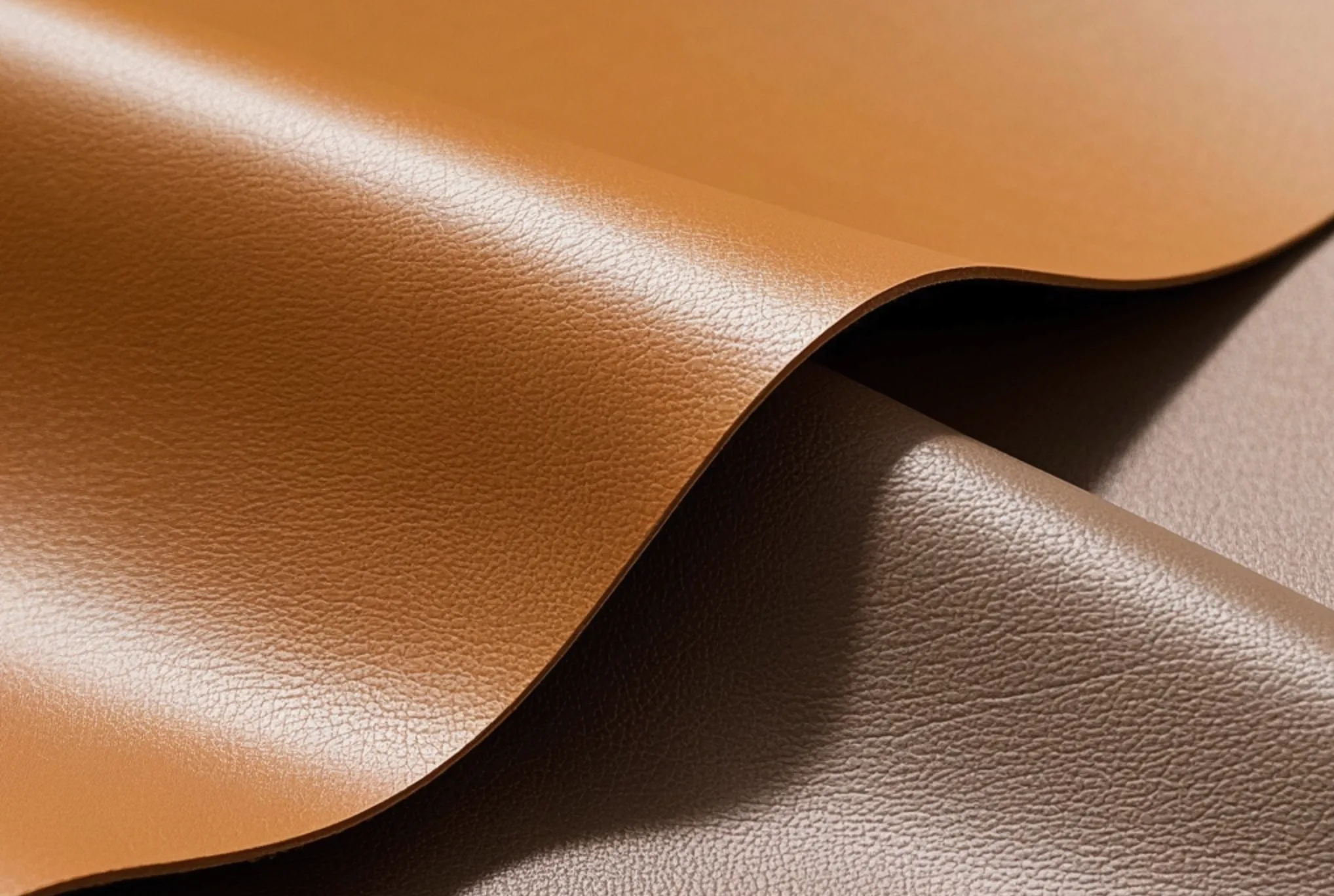
At Ningbo HaoHao Microfiber Co., Ltd. , we have spent over two decades pioneering advanced synthetic leather solutions. With an annual capacity of 50 million meters and a dedicated R&D focus, we are witnessing firsthand how waterborne polyurethane (PU) is redefining packaging applications, from high-end watch boxes to premium electronic cases. But why is this material specifically becoming the cornerstone of sustainable packaging? Let’s explore the technical, environmental, and commercial factors driving this shift.
What Is Waterborne PU Leather and How Does It Differ from Traditional Synthetic Leather?
To understand the sustainability impact, we must first define the material science. Traditional synthetic leather, such as PVC (Polyvinyl Chloride) or solvent-based PU, relies heavily on chemical solvents (like Dimethylformamide, DMF) to dissolve the resin before coating. This process results in high Volatile Organic Compounds (VOC) emissions and leaves chemical residues that are harmful to both installers and the environment.
Waterborne PU Leather utilizes water as the primary solvent to disperse the polyurethane resin. Instead of evaporating toxic chemicals into the atmosphere, waterborne technology relies on water evaporation to cure the material.
| Feature | Traditional Solvent-Based PU | Waterborne PU Leather |
|---|---|---|
|
Solvent Base |
DMF, MEK, Toluene (Toxic) |
Water (Non-toxic) |
|
VOC Emissions |
High; requires complex air treatment |
Near Zero; safe for indoor use |
|
Residual Odor |
Strong chemical smell |
Odorless |
|
Substrate Safety |
May cause corrosion or yellowing |
Non-corrosive; stable |
|
Regulatory Compliance |
Facing bans in EU/US |
Meets global environmental standards |
By switching the solvent from chemicals to water, manufacturers like HAOHAO can produce a material that is soft, durable, and entirely compliant with the world’s strictest environmental regulations—making it the ideal candidate for sensitive applications like packaging.
How Does Waterborne PU Leather Enhance the Performance of Packaging Materials?
When sourcing materials for packaging, industry leaders prioritize three factors: durability, tactile experience, and brand safety. Waterborne PU leather excels in all three.
1. Superior Surface Protection
Packaging is often the first physical touchpoint a consumer has with a luxury good. Waterborne PU leather offers exceptional abrasion resistance and colorfastness. Unlike paper or cardboard, it doesn’t tear. Unlike PVC, it does not leach plasticizers over time, which can fog up glass or metal products stored inside.
2. Unmatched Aesthetic Flexibility
Waterborne technology allows for microporous structures. This means the leather can “breathe” while maintaining a soft, full-grain leather feel. For packaging designers, this opens up possibilities for embossing, debossing, and high-frequency welding that rigid packaging materials cannot offer. It allows a simple box to become a reusable keepsake—a key factor in sustainable packaging philosophy (reduce waste by promoting reuse).
3. Hygienic and Safe
In packaging for cosmetics, food, or electronics, safety is paramount. Because waterborne PU contains no heavy metals or phthalates, it is safe for prolonged skin contact. It is also inherently anti-static and easy to clean, ensuring that the exterior of the packaging remains pristine throughout the supply chain.
Why Is the Packaging Industry Moving Away from PVC and Solvent-Based PU?
The shift is largely driven by regulatory pressure and life-cycle analysis. PVC (Polyvinyl Chloride) , historically used in packaging, requires the addition of plasticizers (often phthalates) to become flexible. These additives are increasingly regulated under REACH (EU) and Proposition 65 (California). Furthermore, PVC incineration releases dioxins, making it a nightmare for end-of-life disposal.
Solvent-based PU , while superior in texture to PVC, carries a high environmental cost during manufacturing. The production process for solvent-based leather requires energy-intensive solvent recovery incinerators. If not managed properly, wastewater from these factories can contaminate local water tables.
Waterborne PU Leather solves this through its manufacturing process. At facilities like HAOHAO, the use of water as a solvent drastically reduces the carbon footprint associated with production. It aligns with the circular economy model by offering a product that is both durable (extending the life of the packaging) and recyclable in the polyurethane waste stream.
What Are the Key Applications of Waterborne PU Leather in Packaging?
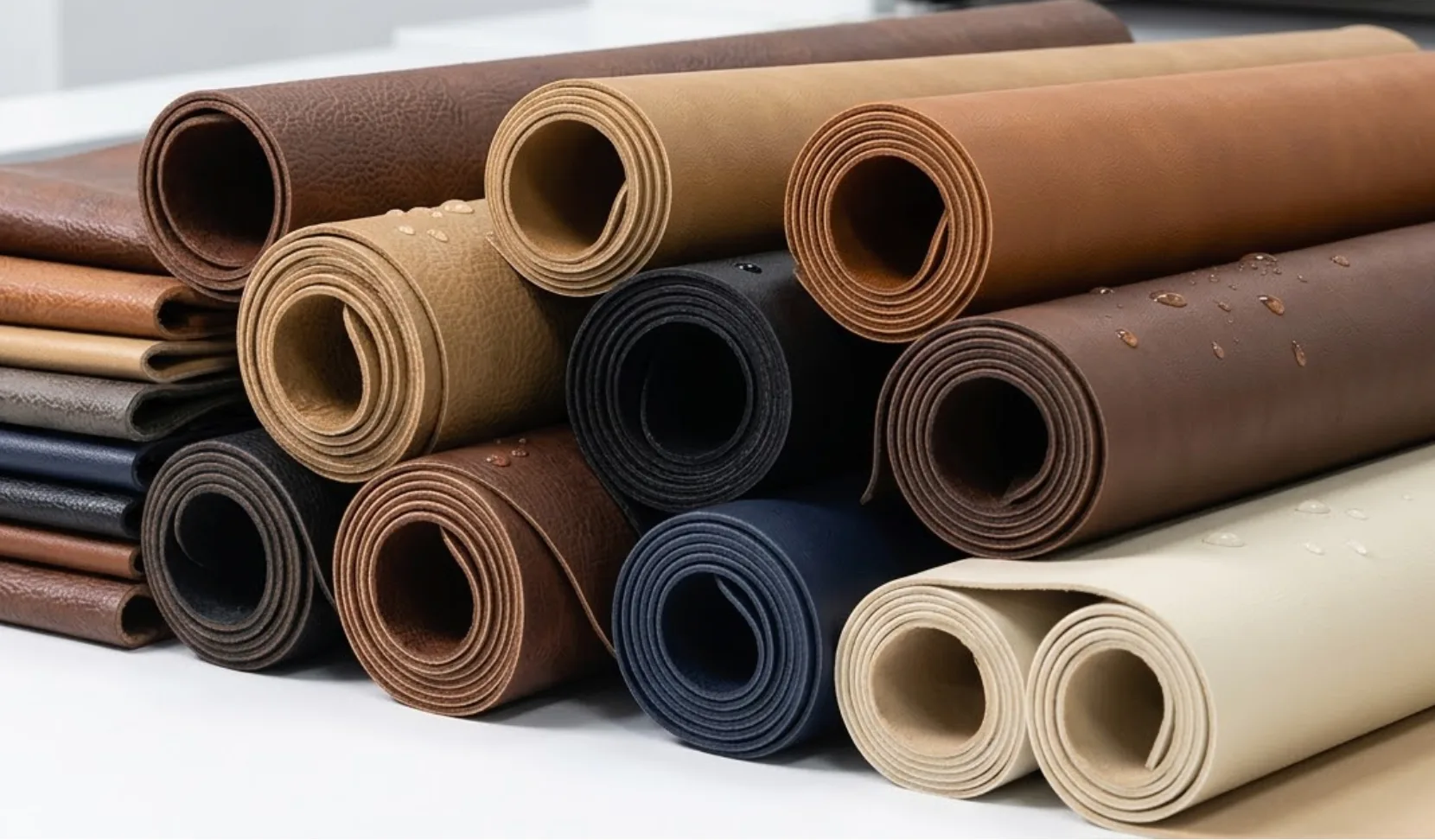
Waterborne PU leather is not a one-size-fits-all material; its versatility allows it to replace a variety of non-sustainable substrates across different packaging sectors.
Luxury Rigid Boxes: Used for jewelry, watches, and high-end spirits. The material wraps around rigid board to create a soft-touch exterior that rivals genuine leather without the ethical or environmental concerns associated with animal hides.
-
Electronic Gadget Cases: For headphones, portable chargers, and VR headsets. The lightweight nature and impact resistance of waterborne PU protect expensive electronics while offering a premium unboxing experience.
-
Cosmetics Packaging: Compact mirrors, palettes, and travel cases benefit from the stain-resistant properties and the ability to match complex brand colors without fading.
-
Medical Device Packaging: For portable diagnostic kits or home-use medical devices, the easy-clean and anti-bacterial surface properties of waterborne PU provide a safe, durable transport solution.
How to Verify the Authenticity of Sustainable Waterborne PU Leather?
For procurement specialists and brand owners, avoiding “greenwashing” is critical. Not all PU leather is eco-friendly. Here are three steps to ensure you are sourcing genuine sustainable material:
1.Request a Technical Data Sheet (TDS):Authentic waterborne PU will have specifications indicating the absence of DMF (Dimethylformamide) and low VOC content.
2.Look for Certification: Ensure the manufacturer complies with ISO 14001 (Environmental Management) and offers testing for REACH SVHC (Substances of Very High Concern) compliance.
3.Ask About the Base Fabric: The sustainability of waterborne PU also depends on the backing material. At HAOHAO, we combine waterborne technology with recycled polyester or microfiber bases to further reduce environmental impact, creating a truly sustainable synthetic leather solution.
Conclusion
As the packaging industry marches toward a future that demands both elegance and ecology, Waterborne PU Leather stands out as the definitive solution. It eliminates the toxic legacy of PVC and solvent-based materials while offering superior durability, tactile luxury, and design flexibility. For brands looking to elevate their packaging from mere protection to a statement of sustainability, waterborne PU is not just an option—it is the key to future-proofing their product presentation.
By partnering with experienced manufacturers who control the entire production chain, businesses can ensure that their packaging meets the highest standards of environmental stewardship without compromising on quality.
Frequently Asked Questions (FAQ)
Is Waterborne PU Leather truly biodegradable?
Waterborne PU leather is considered more eco-friendly in its production phase due to zero VOC emissions, but it is a durable synthetic material. While not fully biodegradable in a landfill setting, its longevity encourages reuse, and it is more compatible with chemical recycling processes than PVC or mixed-material laminates.
can Waterborne PU Leather be used for food packaging?
Yes, provided it is manufactured without heavy metals or toxic plasticizers. Waterborne PU is safe for external food packaging (such as wine boxes or gift baskets). For direct food contact, always verify certifications like FDA compliance with the manufacturer.
How does the cost of Waterborne PU compare to genuine leather or PVC?
Generally, waterborne PU is more affordable than genuine leather and comparable in price to high-end solvent-based PU. While it is typically more expensive than standard PVC, the cost is offset by regulatory compliance, brand safety, and the elimination of odor issues that plague PVC packaging.
Does Waterborne PU Leather yellow over time?
High-quality waterborne PU leather manufactured with UV-stabilized resins does not yellow easily. At HAOHAO, our advanced formulation ensures high resistance to hydrolysis and light exposure, making it ideal for packaging that may be stored in warehouses or retail displays for extended periods.
What are the limitations of using Waterborne PU Leather in packaging?
The main limitation is that it requires a skilled manufacturer to apply the waterborne coating correctly. Improper curing can affect adhesion. Additionally, while highly durable, it is a coated textile; sharp impacts or cuts can damage the surface, requiring careful handling during the assembly process.