
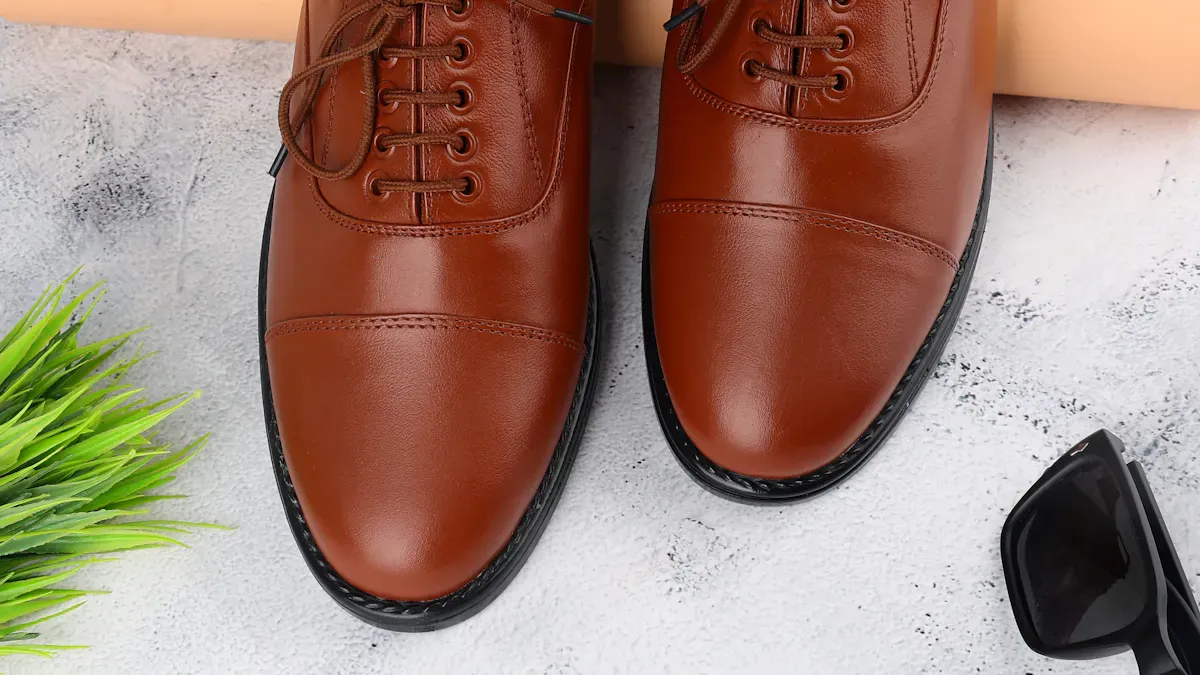
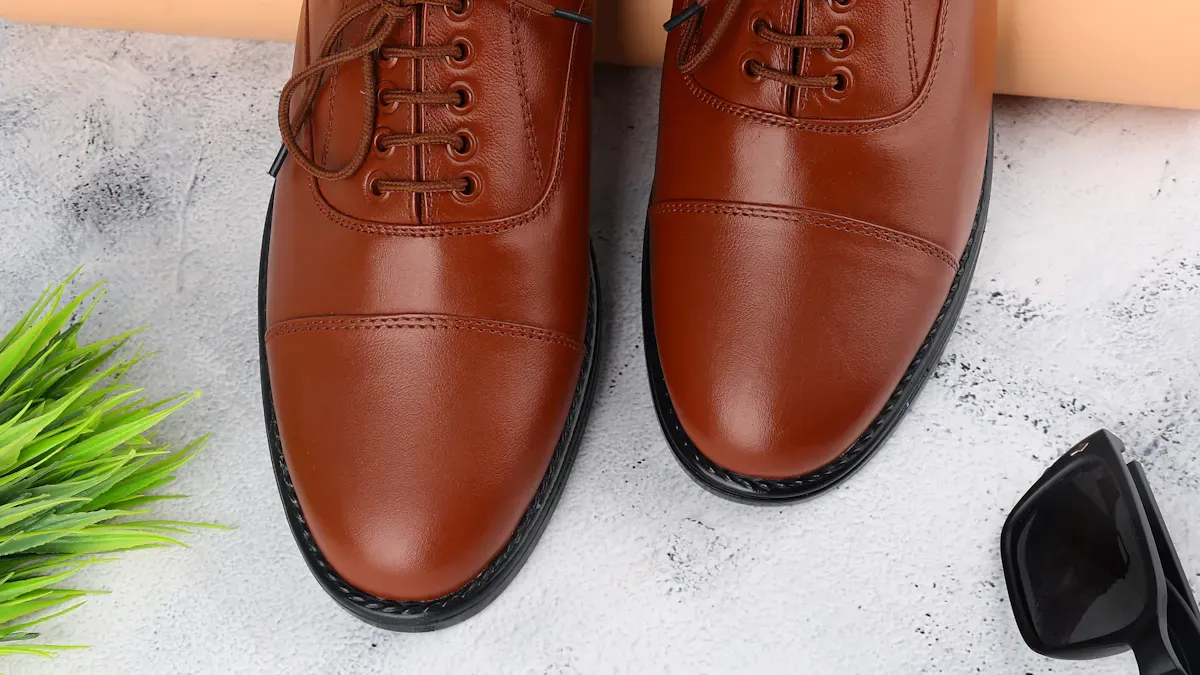
The debate over PU leather versus microfiber leather raises an important question for consumers: which material is better for shoes? Both PU leather and microfiber leather have carved out significant niches in the footwear industry, with PU leather expected to reach a global market value of $9.9 billion by 2025, where footwear accounts for over 35% of its revenue. Meanwhile, microfiber leather, favored for its durability and high-quality appearance, also holds a 35% share in the footwear market. As environmental awareness grows, manufacturers increasingly adopt sustainable practices in producing both types of synthetic leather for shoes. This dynamic landscape calls for a closer examination of PU leather vs microfiber leather durability, especially considering the rising popularity of microfiber leather for safety shoes and the demand for high performance synthetic leather.
Key Takeaways
- PU leather is affordable and versatile, making it a popular choice for casual and dress shoes.
- Microfiber leather offers superior durability and breathability, making it ideal for athletic and everyday footwear.
- Consider the intended use of shoes when choosing between PU leather and microfiber leather for comfort and performance.
- Both materials have environmental impacts, but microfiber leather may be a more sustainable option due to lower resource use.
- Investing in microfiber leather can save money in the long run due to its longer lifespan compared to PU leather.
Understanding PU Leather
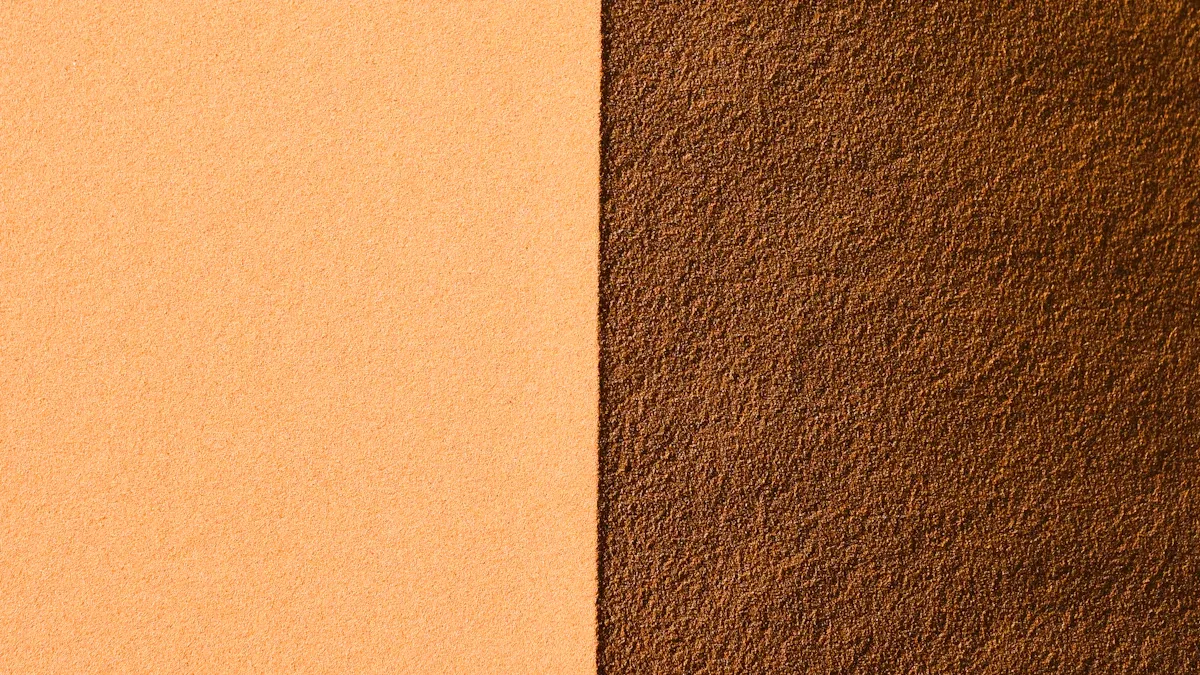
PU leather, or polyurethane leather, is a synthetic material designed to mimic the look and feel of genuine leather. This material has gained popularity in the footwear industry due to its affordability and versatility. Manufacturers create PU leather through a specific process that involves several key steps:
- Substrate Preparation: A fabric substrate, typically made from polyester or cotton, undergoes cleaning and treatment to ensure proper adhesion.
- PU Coating: A layer of polyurethane is applied to the substrate using methods such as direct or transfer coating.
- Foaming (Optional): Some manufacturers enhance the texture by applying a foaming process, which can be chemical or mechanical.
- Curing and Drying: The PU-coated substrate is cured and dried to bond the layers effectively.
- Finishing: Various treatments, including dyes and embossing, are applied to improve aesthetics and durability.
- Quality Control: The final product undergoes rigorous inspections to ensure strength, abrasion resistance, and water resistance.
The appeal of PU leather lies in its ability to provide a leather-like appearance without the ethical concerns associated with animal products. Additionally, it offers a range of colors and textures, making it suitable for various styles of footwear. However, while PU leather is often more affordable than genuine leather, it may not always match the durability and breathability of its natural counterpart.
Composition of PU Leather
PU leather consists of several key components that contribute to its unique properties. Understanding these elements helps consumers appreciate the material’s versatility and functionality. The primary components of PU leather include:
- Base Material: Typically, manufacturers use a fabric substrate made from polyester or cotton. This base provides strength and flexibility.
- Polyurethane Coating: A layer of polyurethane is applied to the substrate. This coating mimics the texture and appearance of genuine leather while offering water resistance.
- Additives: Various additives enhance the performance of PU leather. These may include:
- Plasticizers: These substances improve flexibility and softness.
- Stabilizers: They help maintain the material’s integrity over time.
- Colorants: Dyes and pigments provide a wide range of colors and finishes.
The production process involves several steps to ensure the quality of PU leather. First, manufacturers prepare the substrate by cleaning and treating it for optimal adhesion. Next, they apply the polyurethane coating through methods like direct or transfer coating. Some manufacturers may also incorporate a foaming process to enhance texture. After curing and drying, the final product undergoes quality control checks to ensure it meets industry standards.
Note: PU leather is often marketed as a more ethical alternative to genuine leather, appealing to environmentally conscious consumers.
Common Uses of PU Leather
PU leather serves a variety of purposes in the footwear industry due to its affordability and versatility. Manufacturers often choose this material for several types of footwear, making it a popular choice among consumers. Here are some common uses of PU leather in shoes:
- Casual Shoes: Many brands utilize PU leather for everyday footwear. Its stylish appearance and ease of maintenance make it a favorite for casual wear.
- Athletic Shoes: Some sports and training shoes incorporate PU leather for its lightweight properties and ability to withstand wear and tear.
- Dress Shoes: PU leather provides a polished look, making it suitable for formal occasions. Many dress shoes feature this material for its elegant finish.
- Safety Shoes: PU leather is also prevalent in safety footwear. Its durability and resistance to various elements make it ideal for protective shoes used in industrial settings.
The following table summarizes the types of footwear that commonly use PU leather:
| Footwear Type | Description |
|---|---|
| Shoes | General footwear |
| Safety Shoes | Protective footwear |
In addition to these categories, PU leather is often used in boots, sandals, and even specialty footwear. Its ability to mimic genuine leather while being more cost-effective appeals to a broad range of consumers. As manufacturers continue to innovate, the applications of PU leather in footwear will likely expand, further solidifying its place in the market.
Tip: When selecting shoes made from PU leather, consider the intended use. Different styles may offer varying levels of comfort and durability.
Advantages of PU Leather
PU leather offers several advantages that make it a popular choice for footwear. Its unique properties cater to both consumers and manufacturers, providing benefits that enhance the overall shoe experience. Here are some key advantages of using PU leather in shoe manufacturing:
- Affordability: PU leather is significantly more affordable than natural leather. This cost-effectiveness allows consumers to purchase stylish footwear without breaking the bank.
- Water Resistance: This material is inherently water-resistant, making it suitable for various environments. Shoes made from PU leather can withstand moisture better than many natural leather options.
- Easy Maintenance: Cleaning and maintaining PU leather is straightforward. A simple wipe with a damp cloth is often sufficient to keep shoes looking fresh.
- Flexibility: PU leather is flexible and resilient. It maintains its shape well and does not stretch out like natural leather, ensuring a consistent fit over time.
- Lower Environmental Impact: The production of PU leather does not involve animal farming, which reduces its environmental footprint compared to natural leather.
The following table summarizes the primary benefits of PU leather compared to natural leather:
| Benefit | PU Leather | Natural Leather |
|---|---|---|
| Affordability | More affordable choice | Generally more expensive |
| Water Resistance | Water resistant | Less water resistant |
| Maintenance | Easy to clean and maintain | Requires more care |
| Flexibility | Flexible but does not stretch out | Stretches and molds to foot shape |
| Environmental Impact | Lower impact, no animal farming | Higher impact due to farming |
These advantages make PU leather an appealing option for consumers seeking stylish, durable, and cost-effective footwear. As the demand for sustainable and ethical products grows, PU leather continues to gain traction in the footwear market.
Disadvantages of PU Leather
While PU leather offers several benefits, it also has notable disadvantages that consumers should consider when selecting footwear. Understanding these drawbacks can help individuals make informed choices.
-
Limited Lifespan: PU leather typically lasts only 2-5 years, significantly shorter than the 10-20+ years expected from full-grain leather. This limited durability can lead to more frequent replacements, increasing long-term costs.
-
Breathability Issues: PU leather generally lacks the breathability of genuine leather. This can cause discomfort, especially in warm weather. The material does not allow for adequate air circulation, leading to sweaty feet.
-
Environmental Concerns: The production of PU leather raises environmental issues due to the use of synthetic materials. These materials do not decompose naturally, contributing to landfill waste. Additionally, the manufacturing process may involve harmful chemicals that can impact the environment.
-
Comfort Problems: Many users report discomfort when wearing PU leather shoes. The lack of breathability can lead to overheating and moisture buildup, making them less suitable for extended wear.
The following table summarizes these disadvantages:
| Disadvantage | Description |
|---|---|
| Durability | Faux leather may wear out more quickly than real leather, leading to a shorter lifespan. |
| Breathability | Generally less breathable than real leather, causing discomfort in hot weather. |
| Environmental Concerns | Production of faux leather can have environmental impacts due to synthetic materials. |
| Comfort Issues | Faux leather is not as breathable as real leather, which can lead to discomfort. |
Exploring Microfiber Leather
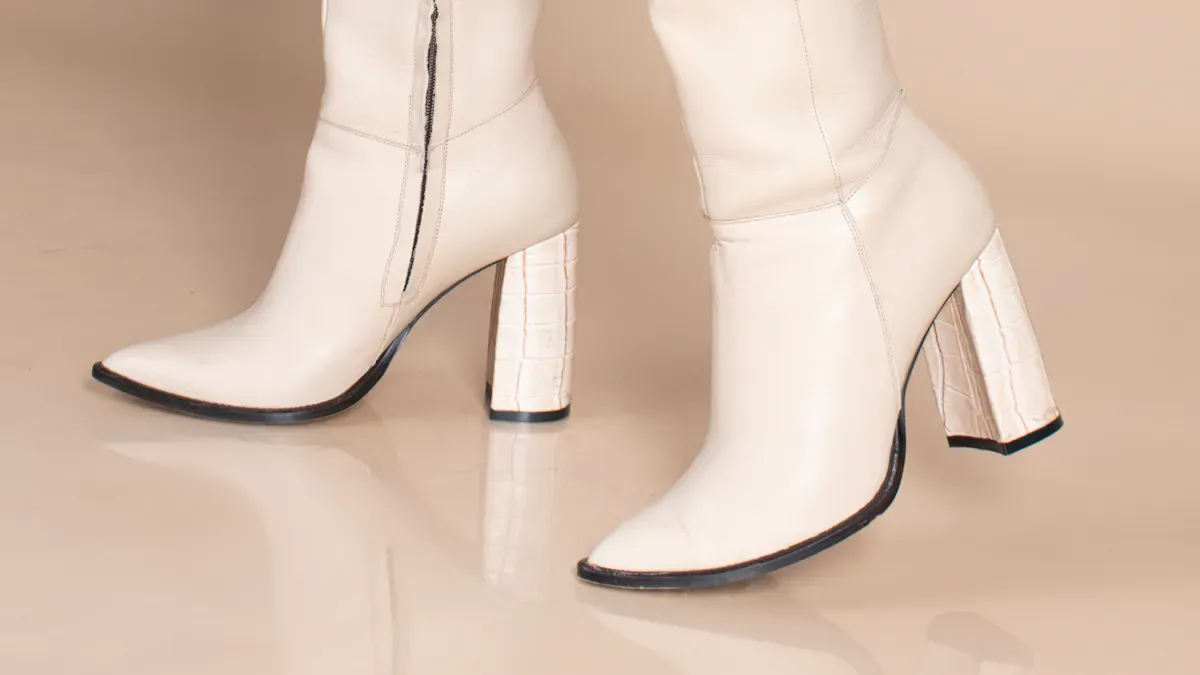
Microfiber leather, often referred to as synthetic leather, has gained popularity in the footwear industry due to its unique properties. This material consists of ultra-fine fibers, typically made from polyester and polyamide. The production process involves weaving these fibers together to create a durable and flexible fabric that closely resembles genuine leather.
Key Characteristics of Microfiber Leather
- Softness: Microfiber leather offers a soft and luxurious feel, making it comfortable for extended wear.
- Breathability: This material allows for better air circulation compared to PU leather, reducing moisture buildup and enhancing comfort.
- Durability: Microfiber leather is known for its strength and resistance to wear and tear. It can withstand daily use without losing its appearance.
- Water Resistance: Similar to PU leather, microfiber leather is water-resistant, making it suitable for various weather conditions.
Common Uses of Microfiber Leather
Microfiber leather finds applications in various types of footwear, including:
- Athletic Shoes: Many sports brands utilize microfiber leather for its lightweight and breathable qualities, enhancing performance during physical activities.
- Casual Footwear: The soft texture and stylish appearance make it a popular choice for everyday shoes.
- Dress Shoes: Microfiber leather provides an elegant finish, making it suitable for formal occasions.
Tip: When selecting shoes made from microfiber leather, consider the intended use. The material’s breathability and comfort make it ideal for active lifestyles.
Microfiber leather’s appeal lies in its ability to combine aesthetics with functionality. As consumers become more conscious of their choices, this material offers a sustainable alternative to traditional leather. Its versatility and performance make it a strong contender in the footwear market.
Composition of Microfiber Leather
Microfiber leather consists of ultra-fine synthetic fibers that create a durable and flexible material. The primary components of microfiber leather include:
- Fibers: Microfiber leather typically combines polyester and polyamide fibers. These fibers are much finer than human hair, allowing for a soft texture that closely resembles genuine leather.
- Weaving Process: Manufacturers weave these fibers together using advanced techniques. This process enhances the material’s strength and flexibility, making it suitable for various footwear applications.
- Coating: Some microfiber leathers undergo a coating process to improve water resistance and durability. This coating helps protect the fibers from wear and tear, extending the lifespan of the shoes.
Key Characteristics of Microfiber Leather
| Characteristic | Description |
|---|---|
| Softness | Offers a luxurious feel, enhancing comfort during wear. |
| Breathability | Allows for better air circulation, reducing moisture buildup. |
| Durability | Known for its strength, it withstands daily use without losing appearance. |
| Water Resistance | Similar to PU leather, it resists water, making it suitable for various conditions. |
Microfiber leather stands out due to its unique composition. The combination of fine fibers and advanced weaving techniques results in a material that not only looks good but also performs well.
Tip: When choosing shoes made from microfiber leather, consider their intended use. The material’s breathability and comfort make it ideal for active lifestyles.
This composition allows microfiber leather to serve as a sustainable alternative to traditional leather. As consumers seek eco-friendly options, microfiber leather continues to gain popularity in the footwear market.
Common Uses of Microfiber Leather
Microfiber leather has become a popular choice in the footwear industry due to its unique properties. This material finds applications across various types of shoes, appealing to a wide range of consumers. Here are some common uses of microfiber leather in footwear:
- Sneakers and Sports Shoes: Microfiber leather is favored for athletic footwear. Its lightweight nature, flexibility, and moisture resistance enhance performance during physical activities.
- Casual and Daily Wear Shoes: This category includes loafers and slip-ons. Microfiber leather offers comfort and style at an affordable price, making it ideal for everyday use.
- High-End Luxury Shoes: Premium microfiber provides a plush feel that rivals fine calfskin leather. Designers often choose this material for its luxurious appearance and texture.
- Work and Safety Footwear: Microfiber leather is commonly used in safety boots. Its durability and comfort make it suitable for demanding work environments.
- Fashion Footwear: Many designers employ microfiber leather for its adaptability and aesthetic versatility. This material allows for creative designs while maintaining a high-quality look.
Tip: When selecting shoes made from microfiber leather, consider the intended use. The material’s breathability and comfort make it particularly suitable for active lifestyles.
Microfiber leather’s versatility and performance make it a strong contender in the footwear market. As consumers increasingly seek sustainable and stylish options, this material continues to gain traction across various shoe categories.
Advantages of Microfiber Leather
Microfiber leather offers several notable advantages that make it a preferred choice for footwear. Here are some key benefits:
-
Softness and Comfort: Microfiber leather provides a soft, luxurious feel. This comfort makes it ideal for extended wear, especially in shoes designed for daily use.
-
Breathability: Unlike PU leather, microfiber leather allows for better air circulation. This feature helps reduce moisture buildup, keeping feet dry and comfortable.
-
Durability: Microfiber leather is known for its strength and resistance to wear and tear. It can withstand daily use without losing its appearance, making it a long-lasting option for consumers.
-
Water Resistance: Similar to PU leather, microfiber leather is water-resistant. This quality makes it suitable for various weather conditions, ensuring that shoes remain functional and stylish.
-
Customization: Microfiber leather is highly customizable in terms of color and finish. This flexibility allows manufacturers to create a wide range of styles, appealing to diverse consumer preferences.
The following table summarizes how microfiber leather compares to natural leather in terms of appearance and texture:
| Feature | Microfiber Leather | Natural Leather |
|---|---|---|
| Surface | Smooth, uniform surface | Natural grain variations |
| Color Depth | Lacks depth and richness over time | Develops depth and richness over time |
| Texture | Consistent and smooth | Varied and unique |
| Customizability | Highly customizable in color and finish | Limited customization |
Microfiber leather’s uniform texture resembles plastic more than natural leather. In contrast, natural leather features unique pores and a distinct smell, which are absent in microfiber leather.
Overall, the advantages of microfiber leather make it a compelling choice for consumers seeking stylish, durable, and comfortable footwear options.
Disadvantages of Microfiber Leather
Microfiber leather, while popular, has several disadvantages that consumers should consider when selecting footwear. Understanding these drawbacks can help individuals make informed choices.
-
Environmental Concerns: Microfiber leather is made from petrochemical-based materials. The production process can have negative impacts on the environment compared to traditional leather. This raises concerns for eco-conscious consumers who prioritize sustainability.
-
Breathability Issues: Although microfiber leather offers some advantages, it lacks adequate air circulation. This limitation can lead to discomfort in warm weather, as feet may become overheated and sweaty. Consumers seeking breathable footwear may find this aspect unsatisfactory.
-
Durability Limitations: While microfiber leather is known for its strength and resistance to wear, it may still break down over time with excessive use. Although it shows superior resistance to scratches and scuffs compared to PU leather, prolonged exposure to harsh conditions can affect its longevity.
-
Comfort Problems: Many users report discomfort when wearing shoes made from microfiber leather. The lack of breathability can lead to overheating, making these shoes less suitable for extended wear.
The following table summarizes the disadvantages of microfiber leather:
| Disadvantage | Description |
|---|---|
| Environmental Impact | Made from petrochemical materials, raising sustainability concerns. |
| Breathability Issues | Lacks adequate air circulation, causing discomfort in warm conditions. |
| Durability Limitations | May break down over time with excessive wear, despite initial strength. |
| Comfort Problems | Can lead to overheating and moisture buildup, making them uncomfortable. |
Comparative Analysis
When comparing PU leather and microfiber leather, several factors come into play. Each material has unique characteristics that affect its performance in footwear. This analysis will focus on key aspects such as durability, comfort, maintenance, and environmental impact.
Durability
Durability is a crucial factor for consumers when selecting footwear. PU leather typically lasts between 2 to 5 years, depending on usage and care. In contrast, microfiber leather often outlasts PU leather, with a lifespan that can extend beyond 5 years. This increased durability makes microfiber leather a more appealing option for those seeking long-lasting footwear.
Comfort
Comfort plays a significant role in footwear selection. PU leather can lead to discomfort due to its limited breathability. This lack of airflow can cause feet to overheat, especially in warm conditions. Microfiber leather, however, offers superior breathability, allowing for better air circulation. This feature helps keep feet dry and comfortable, making microfiber leather a preferred choice for active lifestyles.
Maintenance
Maintenance requirements differ between the two materials. PU leather is relatively easy to clean, requiring only a damp cloth for upkeep. However, it may show signs of wear more quickly than microfiber leather. Microfiber leather also requires minimal maintenance, but its resistance to stains and scuffs makes it easier to maintain its appearance over time. Consumers looking for low-maintenance options may find microfiber leather more suitable.
Environmental Impact
The environmental impact of both materials is a growing concern among consumers. PU leather production involves synthetic materials that do not decompose easily, contributing to landfill waste. Microfiber leather, while also synthetic, can be produced using more sustainable practices. However, both materials still raise environmental concerns compared to natural leather. Consumers who prioritize sustainability may need to weigh these factors carefully.
Cost
Cost is another important consideration. PU leather generally comes at a lower price point than microfiber leather. This affordability makes PU leather an attractive option for budget-conscious consumers. However, the longer lifespan of microfiber leather may justify its higher initial cost for those seeking durability.
Quality Comparison
When evaluating the quality of PU leather and microfiber leather, several key features emerge. Both materials have distinct characteristics that influence their performance in footwear applications.
Durability
Durability is a critical factor for consumers. Microfiber leather exhibits excellent abrasion resistance, making it less prone to wear or cracking. In contrast, PU leather offers good abrasion resistance but may not perform as well under extreme conditions.
Breathability
Breathability significantly impacts comfort. Microfiber leather is relatively breathable, which helps prevent wet feet during extended wear. On the other hand, PU leather has limited breathability, although some high-end options may offer improved airflow.
Cost
Cost considerations also play a role in quality comparison. Microfiber leather typically comes at a higher price due to its complex manufacturing process. Conversely, PU leather has a lower manufacturing cost, making it more price competitive in the market.
The following table summarizes these quality differences:
| Feature | Microfiber Leather | PU Leather |
|---|---|---|
| Durability | Excellent abrasion resistance, not easy to wear or crack | Good abrasion resistance, but less durable in extreme conditions |
| Breathability | Relatively breathable, can lead to wet feet | Limited breathability, but some high-end options exist |
| Cost | Higher due to complex manufacturing | Lower manufacturing cost, more price competitive |
Industry experts also provide insights into the quality of these materials. They rate PU leather as less durable and prone to cracking, while microfiber leather is highly durable and resistant to damage. Comfort levels differ as well, with microfiber leather offering better breathability and overall comfort. Additionally, microfiber leather tends to be more eco-friendly compared to PU leather.
The following table highlights expert ratings on quality:
| Feature | PU Leather | Microfiber Leather |
|---|---|---|
| Durability | Less durable, prone to cracking | Highly durable, resistant to cracking |
| Comfort | Limited breathability, can trap heat | Better breathability, more comfortable |
| Environmental Impact | Less eco-friendly | More eco-friendly |
Durability Comparison
Durability plays a crucial role in the selection of footwear materials. Both PU leather and microfiber leather have their strengths and weaknesses in this area.
- Lifespan: Shoes made from PU leather typically last between 2 to 5 years. Microfiber leather shows a similar longevity, also lasting 2 to 5 years under normal use. However, both materials may degrade faster when exposed to stress and elements like sunlight.
When it comes to standardized durability tests, microfiber leather outperforms PU leather significantly. The following table illustrates the differences in performance:
| Material Type | Tensile Strength (MPa) | Tear Strength (N/mm) | Abrasion Test Results |
|---|---|---|---|
| Microfiber Leather | 15-20 | >30 | No obvious changes after 5,000 repetitions |
| Ordinary PU Leather | 8-12 | 10-20 | May experience coating detachment or exposed base |
Microfiber leather exhibits superior wear resistance, tensile strength, and overall durability compared to ordinary PU leather. It withstands frequent use and stress more effectively, making it a better choice for footwear.
Comfort Comparison
When evaluating the comfort of shoes made from PU leather and microfiber leather, several factors come into play. Each material offers distinct characteristics that influence the overall wearing experience.
-
Surface Feel: Microfiber leather features a soft and smooth surface. This texture provides a pleasant feel against the skin, enhancing comfort during wear. In contrast, PU leather tends to feel firmer. After prolonged use, it can develop a plastic-like touch, which may reduce overall comfort.
-
Breathability: Microfiber leather excels in breathability. It allows air to pass through, preventing heat and moisture buildup. This feature contributes to a cooler and drier experience for the wearer. On the other hand, the dense coating of PU leather restricts airflow. This limitation can lead to discomfort over time, especially in warmer conditions.
-
Weight: The weight of the material also affects comfort. Microfiber leather is generally lighter than PU leather. This lightweight nature can make shoes feel less cumbersome, allowing for easier movement throughout the day.
-
Flexibility: Flexibility plays a crucial role in comfort. Microfiber leather offers greater flexibility, adapting well to foot movements. PU leather, while somewhat flexible, may not provide the same level of adaptability. This difference can impact how comfortable the shoes feel during extended wear.
Cost Comparison
When comparing the costs of PU leather and microfiber leather, consumers should consider both initial prices and long-term value. Here’s a breakdown of the cost factors for each material:
-
PU Leather:
- Generally, PU leather is more affordable than microfiber leather.
- Prices for PU leather shoes typically range from $30 to $100, depending on the brand and design.
- This lower price point makes PU leather an attractive option for budget-conscious shoppers.
-
- Microfiber leather tends to be pricier, with shoes often costing between $50 and $150.
- The higher cost reflects the advanced manufacturing process and superior quality of the material.
- Consumers may find that the investment in microfiber leather pays off over time due to its durability.
Long-Term Value
While PU leather offers a lower upfront cost, its lifespan is shorter, typically lasting 2 to 5 years. In contrast, microfiber leather can last 5 years or more with proper care. This difference in durability can influence overall value.
| Material Type | Initial Cost Range | Average Lifespan | Long-Term Value |
|---|---|---|---|
| PU Leather | $30 – $100 | 2 – 5 years | Lower |
| Microfiber Leather | $50 – $150 | 5+ years | Higher |
Tip: When choosing between PU leather and microfiber leather, consider not only the initial cost but also how long you expect the shoes to last. Investing in microfiber leather may save money in the long run due to its durability.
Environmental Impact Comparison
The environmental impact of PU leather and microfiber leather raises significant concerns for consumers. Both materials derive from petrochemicals, which contribute to pollution and resource depletion. However, they differ in specific aspects of their environmental footprint.
- Carbon Footprint: PU leather has a higher carbon footprint compared to microfiber leather. This difference arises from the energy-intensive processes involved in its production.
- Water Use: The production of PU leather typically requires more water than microfiber leather. This factor highlights the resource demands of creating synthetic materials.
- Biodegradability: Neither PU leather nor microfiber leather is biodegradable. Both materials can persist in the environment for hundreds of years, contributing to long-term pollution.
- Recyclability: While both materials have limited recyclability, microfiber leather can be recycled. However, the recycling process is complicated due to its complex composition, which includes polyester and polyurethane.
The following table summarizes the environmental impacts of PU leather and microfiber leather:
| Aspect | PU Leather | Microfiber Leather |
|---|---|---|
| Carbon Footprint | Higher than microfiber leather | Lower than real leather |
| Water Use | More than microfiber leather | Less than real leather |
| Biodegradability | Not biodegradable | Not biodegradable |
| Recyclability | Limited | Limited |
Despite these challenges, some consumers may prefer microfiber leather due to its lower carbon footprint and reduced water usage compared to real leather. However, the long-term environmental impact of both materials remains a concern. Much of the microfiber leather produced ends up in landfills, contributing to plastic waste.
Tip: When considering footwear options, consumers should weigh the environmental implications of both PU leather and microfiber leather. Sustainable choices can help reduce overall environmental harm.
In summary, both PU leather and microfiber leather offer distinct advantages and disadvantages for footwear. The comparison reveals that microfiber leather excels in durability, comfort, and environmental impact, while PU leather remains a cost-effective option for short-term use.
| Feature | PU Leather | Microfiber Leather |
|---|---|---|
| Durability | Low to moderate | High |
| Feel & Comfort | Moderate | Soft and breathable |
| Cost | Low | Moderate |
| Eco Impact | Moderate | Lower than PU |
For consumers seeking long-lasting and comfortable shoes, microfiber leather is the recommended choice. However, those on a budget may find PU leather suitable for casual or short-term footwear needs. Ultimately, selecting the right material depends on individual preferences and intended use.
FAQ
What is the main difference between PU leather and microfiber leather?
PU leather is made from a polyurethane coating over a fabric base, while microfiber leather consists of ultra-fine synthetic fibers. Microfiber leather typically offers better durability and breathability compared to PU leather.
How do I clean shoes made from PU leather?
To clean PU leather shoes, use a damp cloth to wipe away dirt and stains. Avoid harsh chemicals, as they can damage the material. Regular maintenance helps prolong the lifespan of the shoes.
Are microfiber leather shoes more expensive than PU leather shoes?
Yes, microfiber leather shoes generally cost more than PU leather shoes. The higher price reflects the advanced manufacturing process and superior quality of microfiber leather, which often results in better durability.
Can I wear PU leather shoes in wet conditions?
While PU leather offers some water resistance, it is not fully waterproof. Prolonged exposure to water can damage the material. It is best to avoid wearing PU leather shoes in heavy rain or wet environments.
Is microfiber leather a sustainable option?
Microfiber leather can be considered more sustainable than traditional leather due to its lower environmental impact during production. However, it is still made from synthetic materials, which raises concerns about biodegradability and pollution.