
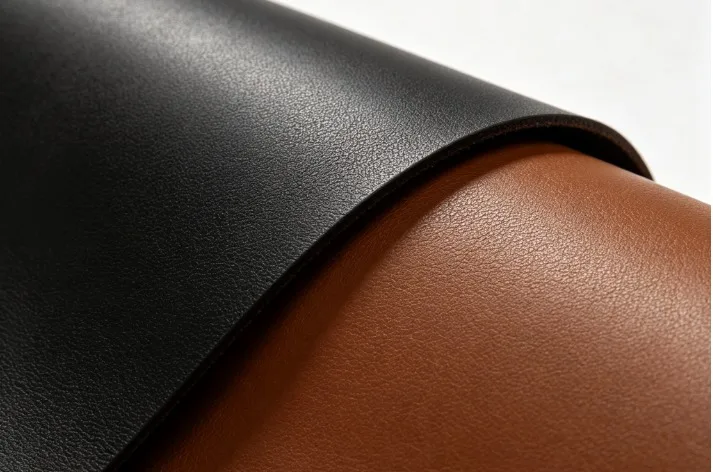
The global synthetic leather market is projected to reach USD 93.8 billion by 2030, growing at a CAGR of 5.3% from 2025, according to Grand View Research. This growth reflects a fundamental shift in how manufacturers across footwear, furniture, automotive, and fashion accessories source materials. Traditional animal leather, while historically dominant, faces mounting pressure from sustainability regulations, cost volatility, and supply chain complexity. Synthetic leather—including PU leather, microfiber leather, and waterborne PU leather—has emerged as the practical alternative that meets both production demands and environmental obligations.
Ningbo HaoHao Microfiber Co., Ltd., operating three manufacturing bases across Zhejiang, Jiangxi, and Anhui provinces with an annual capacity of 50 million meters, exemplifies the scale at which Chinese manufacturers now serve global brands. This article examines the technical properties, application-specific performance, and sourcing considerations that define the modern synthetic leather industry.
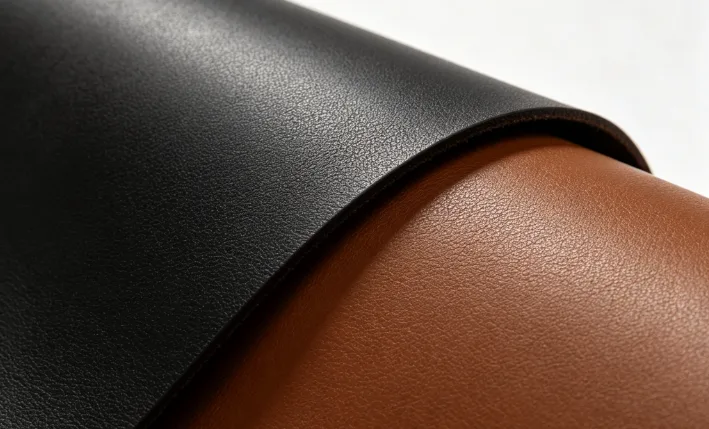
What Types of Synthetic Leather Do Manufacturers Offer Today?
The synthetic leather industry has evolved beyond a single product category. Three material types now dominate global manufacturing supply chains, each serving distinct application requirements.
PU leather (polyurethane leather) is the most widely used synthetic leather globally. It consists of a textile base coated with a polyurethane resin, offering reliable versatility at competitive pricing. PU leather is used extensively in footwear linings, bags, and furniture upholstery. Its production process is relatively straightforward, making it the default choice for mid-tier applications where cost control is prioritized over premium tactile properties.
Microfiber leather represents the higher-performance segment of the synthetic leather market. It is constructed from ultrafine fiber non-woven fabrics combined with polyurethane resin, creating a material structure that closely mimics the fiber architecture of natural leather. Laboratory testing indicates microfiber leather achieves breaking strengths of 166 N/cm in machine direction, compared to under 166 N/cm for traditional leather. Its superior abrasion resistance, consistent quality batch-to-batch, and customizable surface textures make it the preferred choice for automotive interiors and premium footwear.
Waterborne PU leather is the industry’s response to tightening environmental regulations. Unlike traditional solvent-based PU coating, waterborne systems disperse polyurethane particles in water, eliminating volatile organic compound (VOC) emissions during production. This matters: the leather tanning industry generates approximately 1.3 billion liters of polluted wastewater annually, according to UNEP. Waterborne technology directly reduces this environmental burden.
What Are the Key Applications of Synthetic Leather in Global Manufacturing?
Synthetic leather serves five primary industry segments, each with specific performance requirements that determine material selection.
Footwear and shoe lining represents the largest single application for synthetic leather globally. PU leather dominates shoe lining applications due to its balance of moisture resistance, flexibility, and cost efficiency. For safety shoes, microfiber leather is increasingly specified for its enhanced abrasion resistance and consistent thickness tolerance. HAOHAO’s shoe material category covers both standard and safety shoe requirements with dedicated product lines.
Furniture and sofa upholstery is the second-largest market. The segment prioritizes three properties: Martindale abrasion resistance (typically 30,000–100,000 cycles for contract furniture), color consistency across large surface areas, and ease of cleaning. Microfiber leather excels in all three metrics, making it the dominant choice for furniture manufacturers serving hospitality and contract markets. The sofa application category specifically addresses these requirements with dedicated thickness and finish options.
Automotive interiors demand the highest-quality synthetic leather due to strict durability specifications. Automotive seats must withstand UV exposure, perspiration, and mechanical stress over a 10–15 year service life. Microfiber leather with enhanced surface coatings is now specified by major automotive OEMs for seat facings, door panels, and headrest applications. The car interior category targets this premium segment with IATF 16949-compliant production.
Fashion accessories and luggage represent the most design-driven segment. Here, synthetic leather must achieve aesthetic standards—grain consistency, color depth, and surface feel—that rival natural leather. Both microfiber leather and high-quality PU leather serve this market, with customization through embossing, debossing, and digital printing driving brand differentiation.
Garment and gloves form a specialized application where synthetic leather must provide sufficient breathability alongside durability. Waterborne PU leather has gained traction in this segment due to its softer hand feel and reduced chemical残留 compared to conventional coatings.
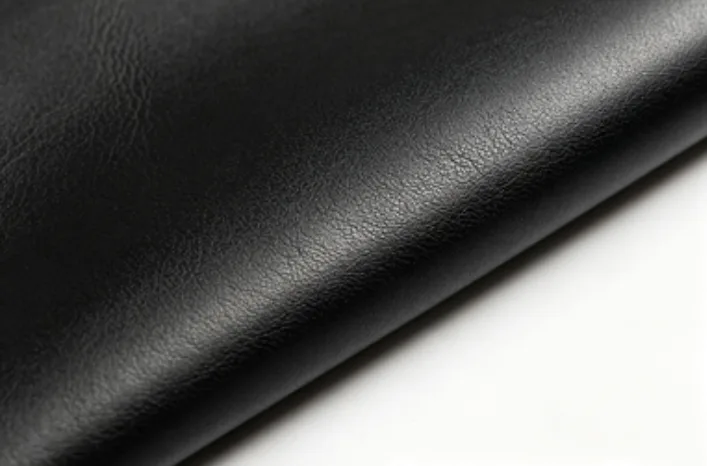
How Does PU Leather Compare to Microfiber Leather in Performance?
Material selection depends on matching performance characteristics to application requirements. The following comparison summarizes the key differentiators.
| Property | PU Leather | Microfiber Leather | Waterborne PU Leather |
|---|---|---|---|
| Tensile Strength | Moderate (80–120 N/cm) | High (140–166 N/cm) | Moderate to High |
| Abrasion Resistance | Good (20,000–50,000 cycles) | Excellent (50,000–100,000+ cycles) | Good to Excellent |
| Environmental Profile | Standard (VOC solvents) | Improved (recycled fiber options) | Best (water-based, low VOC) |
| Cost | Low to Moderate | Moderate to High | Moderate |
| Typical Applications | Shoe lining, bags, furniture | Automotive, safety shoes, premium furniture | Eco-focused brands, garments |
Key selection criteria: Microfiber leather is the correct choice when durability specifications are demanding and budget permits. PU leather is the practical choice for high-volume, cost-sensitive applications. Waterborne PU leather is the strategic choice for brands with environmental compliance requirements or sustainability commitments.
Why Is Waterborne PU Leather Emerging as the Sustainable Choice?
The shift toward waterborne PU leather is driven by regulatory pressure and brand-level sustainability commitments rather than consumer preference alone. Several structural factors accelerate this transition.
Regulatory drivers: The EU’s REACH regulation restricts the use of dimethylformamide (DMF) and other solvents in leather coatings. China implemented similar VOC emission standards for synthetic leather production in 2022. Manufacturers that have not transitioned to waterborne systems face restricted market access in regulated regions.
Production data: Waterborne PU leather production consumes approximately 50% less water than traditional solvent-based systems, according to industry lifecycle assessments. Additionally, waterborne systems eliminate solvent recovery costs, which can represent 15–20% of production expenses in solvent-based lines.
Product quality convergence: Early waterborne products suffered from inferior tactile properties and surface durability. Advances in polyurethane dispersion technology have largely resolved these deficiencies. Modern waterborne PU leather achieves surface abrasion resistance comparable to solvent-based products, making the environmental and operational benefits achievable without sacrificing functional performance.
HAOHAO’s waterborne PU leather product category specifically targets brands and manufacturers with verified sustainability requirements, offering OEKO-TEX compliant production where specified.
What Should Global Buyers Consider When Sourcing Synthetic Leather?
Sourcing synthetic leather for production requires evaluation across five dimensions that directly impact manufacturing outcomes and final product quality.
1. Technical specification alignment. Verify that supplier-specified Martindale abrasion cycles, thickness tolerance (+/- 0.05mm typical), and color fastness ratings (ISO 105-X12 for rubbing fastness) match your application requirements. Request laboratory test reports from the supplier’s in-house or third-party testing facilities.
2. Production capacity and lead time. Annual capacity is a direct indicator of supply reliability. HAOHAO’s 50 million meter annual capacity across three manufacturing bases provides scale flexibility that smaller manufacturers cannot match. Confirm that the supplier maintains buffer stock for your SKUs or offers production scheduling visibility for forward planning.
3. Customization capability. Brands requiring Pantone color matching, custom embossing, or exclusive formulation development must confirm the supplier’s R&D capability before committing to production. HAOHAO’s OEM/ODM services provide dedicated development resources for customer-specific material solutions.
4. Compliance and certifications. Verify material compliance with end-market regulations: REACH compliance for EU markets, CA Prop 65 for US market entry, and OEKO-TEX certification for textile and garment applications. Request current compliance documentation rather than relying on general marketing claims.
5. Sample validation protocol. Always validate production samples against your specifications before volume orders. Establish a written approval protocol covering color, texture, physical properties, and packaging requirements. This step prevents costly production errors and establishes clear quality benchmarks.
FAQ
What is the difference between microfiber leather and PU leather?
Microfiber leather uses ultrafine fiber non-woven fabrics as its base structure, creating a material that closely replicates the fiber density and mechanical properties of natural leather. PU leather uses a conventional textile base coated with polyurethane resin. Microfiber leather offers superior tensile strength (166 N/cm vs 80–120 N/cm for standard PU) and abrasion resistance, making it suitable for demanding applications like automotive interiors and safety shoes, while PU leather is preferred for cost-sensitive, high-volume applications like shoe linings and fashion accessories.
Is waterborne PU leather more expensive than traditional PU leather?
Waterborne PU leather carries a 10–20% cost premium due to higher raw material costs for water-based polyurethane dispersions. This premium is partially offset by eliminated solvent recovery costs and reduced regulatory compliance expenses in EU and US markets. For brands with sustainability mandates or regulated market access requirements, total cost of ownership often favors waterborne systems
What applications is synthetic leather most commonly used for?
Five primary segments: footwear (shoe linings, safety shoes), furniture upholstery (sofas, chairs), automotive interiors (seats, door panels, dashboards), fashion accessories and luggage, and garments and gloves. HAOHAO serves all five segments with dedicated product lines and customization capabilities.
How long does microfiber leather last compared to traditional leather?
Microfiber leather achieves a service life of 5–7+ years under standard use conditions, compared to 2–4 years for traditional leather. This advantage comes from superior abrasion resistance (50,000–100,000+ Martindale cycles), consistent quality batch-to-batch, and resistance to moisture and UV degradation.