
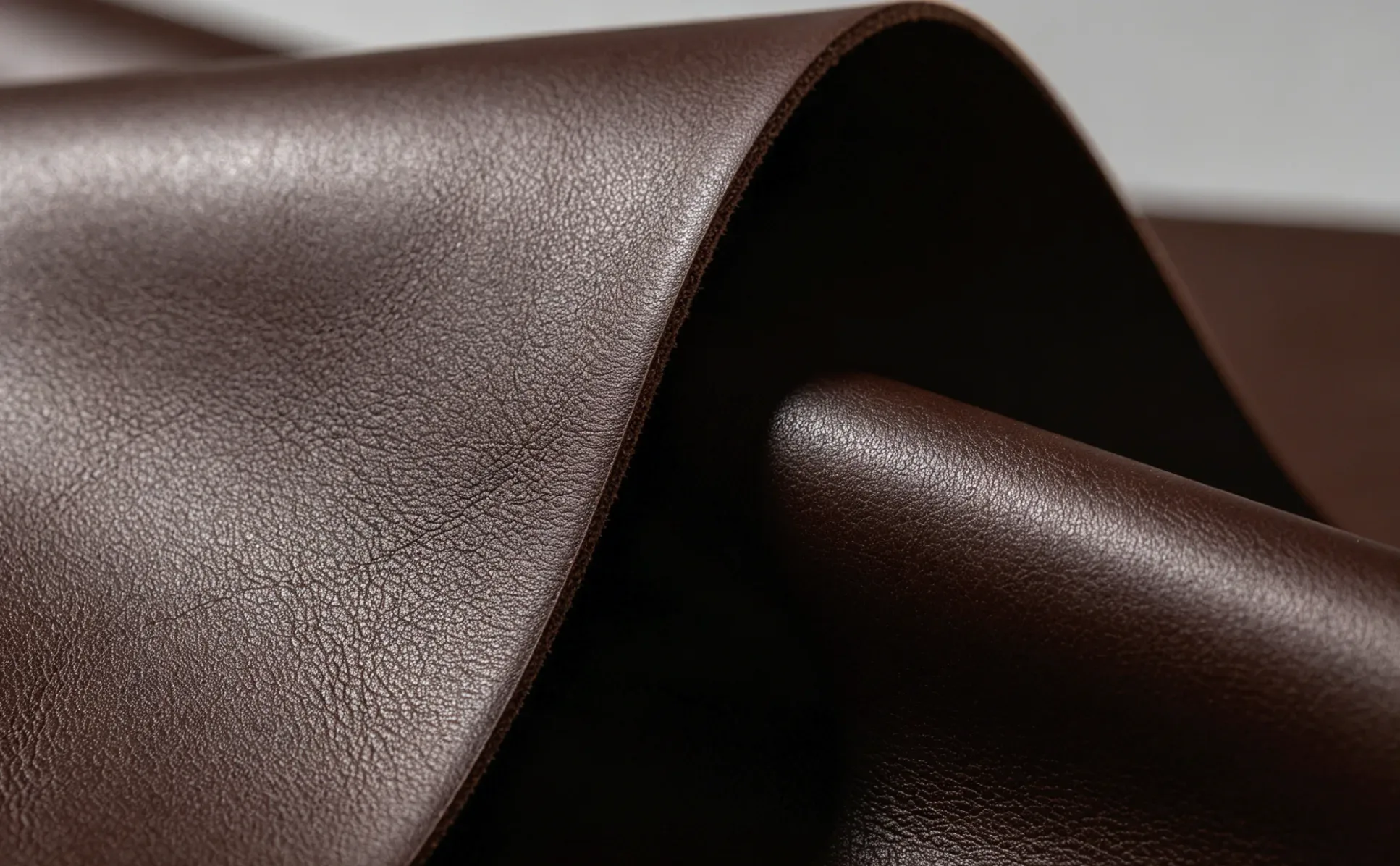
PU leather (polyurethane leather) is a synthetic material engineered by applying a polyurethane coating to a textile base such as polyester, cotton, or split leather. PU leather is widely used as an alternative to genuine leather in automotive interiors, footwear, upholstery, fashion accessories, and technical industrial coverings.
From a materials science perspective, PU leather is classified as a coated composite polymer system. The polyurethane layer provides surface texture, abrasion resistance, and water resistance, while the fabric base determines tensile strength and dimensional stability. According to material lifecycle assessments referenced by the U.S. Environmental Protection Agency, synthetic leather systems such as PU leather reduce dependence on animal-derived raw materials while increasing design flexibility in manufacturing processes.
Global demand for PU leather continues to expand due to cost efficiency, scalability, and regulatory pressure on traditional leather tanning processes. Industry reports from the European Chemicals Agency (ECHA) highlight that polyurethane-based coatings are increasingly regulated for VOC emissions control and chemical safety compliance in industrial applications.
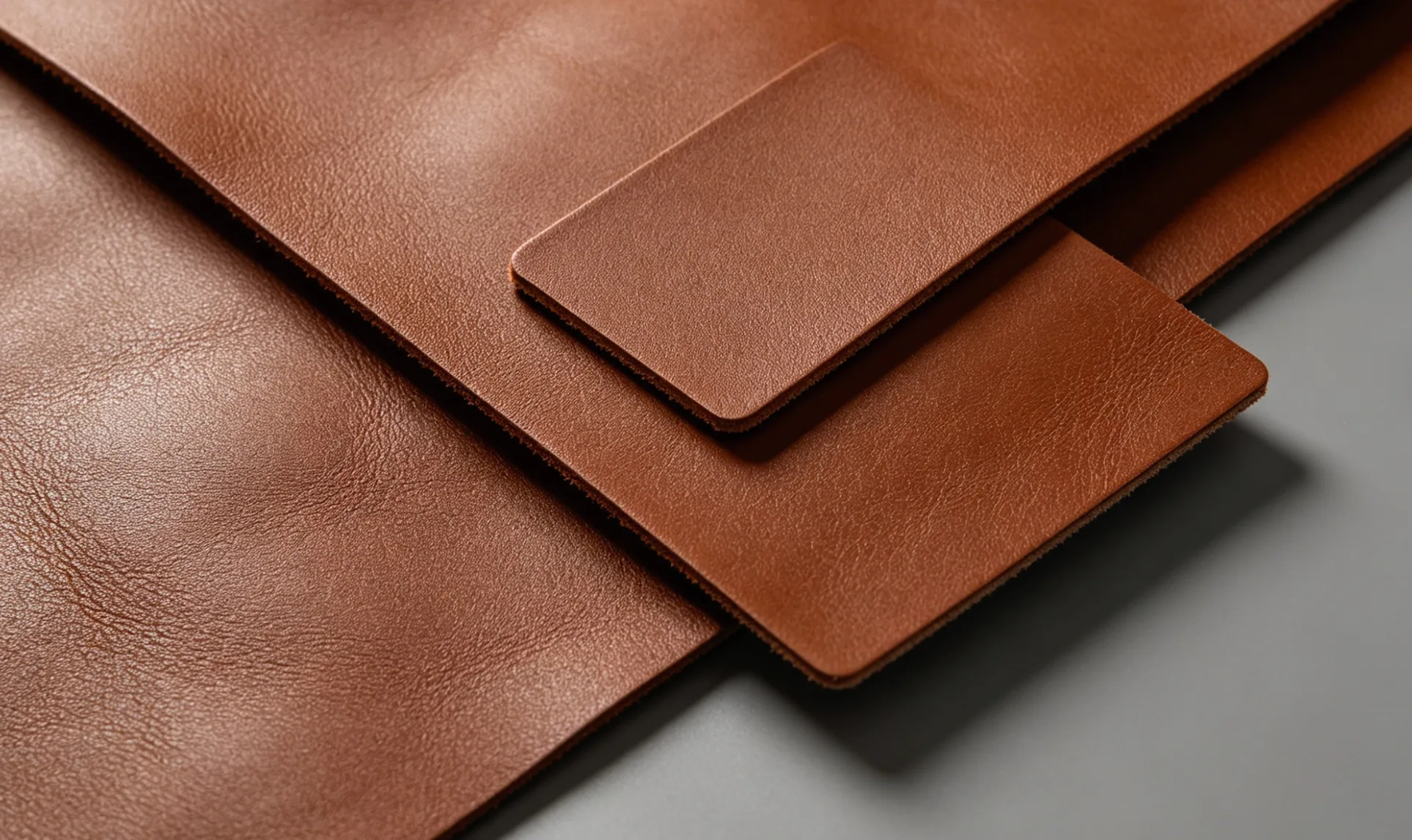
PU Leather Manufacturing Process and Industrial Production Workflow (PU Leather Production Technology)
The PU leather production process is typically divided into four core stages: substrate preparation, polyurethane coating, surface embossing, and finishing treatment. Each stage determines final product performance characteristics such as durability, softness, and hydrolysis resistance.
Typical manufacturing workflow includes:
-
Base fabric selection (polyester microfiber, nonwoven fabric, or cotton blend)
-
Polyurethane resin formulation and coating application
-
Drying and curing under controlled temperature conditions
-
Embossing for grain texture simulation
-
Surface finishing (anti-UV, anti-scratch, or flame-retardant treatment)
PU leather manufacturing technology has evolved significantly due to advancements in solvent-free polyurethane systems. Research published by MIT materials science departments highlights that water-based polyurethane systems reduce environmental impact while maintaining comparable tensile strength to solvent-based systems.
Modern industrial production lines often integrate automated coating systems. High-precision equipment such as those available in industrial material systems from HH-MF PU Materials support consistent thickness control and scalable output for global supply chains.
PU Leather Types and Technical Classification (Types of PU Leather Materials)
PU leather can be categorized based on structure, coating method, and performance grade. Each PU leather type serves different industrial requirements.
Table 1: PU Leather Classification Overview
| Type of PU Leather | Structure Composition | Primary Application |
|---|---|---|
|
Standard PU leather |
PU coating + fabric base |
Fashion accessories |
|
Microfiber PU leather |
Ultra-fine fiber base + PU layer |
Automotive interiors |
|
Embossed PU leather |
Textured surface finish |
Furniture upholstery |
|
Eco PU leather |
Water-based PU system |
Sustainable product lines |
Microfiber PU leather is considered a higher-performance category due to its dense fiber structure, which improves tear resistance and flexibility. According to research from the National Institute of Standards and Technology (NIST), microfiber composites exhibit improved mechanical durability under cyclic stress conditions compared to conventional textile coatings.
Specialized manufacturers such as HH-MF microfiber leather solutions focus on engineered PU leather variants designed for automotive and high-load applications.
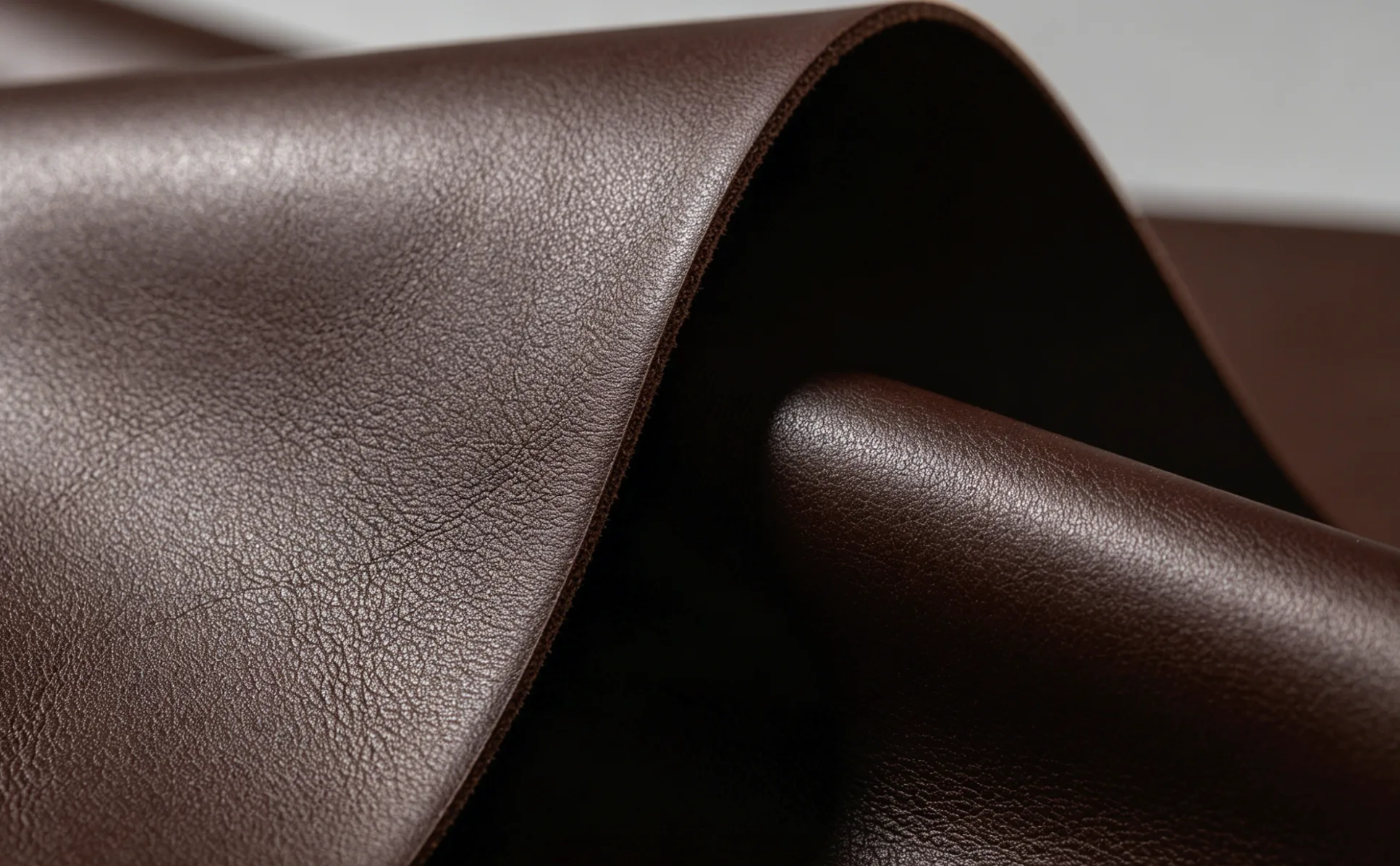
PU Leather vs Genuine Leather Comparison (PU Leather Performance Analysis)
PU leather and genuine leather differ significantly in structure, environmental impact, and lifecycle performance. PU leather is a polymer-based material, while genuine leather is derived from animal hides processed through tanning.
Table 2: PU Leather vs Genuine Leather
| Feature | PU Leather | Genuine Leather |
|---|---|---|
|
Raw material |
Synthetic polymer |
Animal hide |
|
Water resistance |
High |
Moderate |
|
Cost level |
Lower |
Higher |
|
Breathability |
Medium |
High |
|
Maintenance |
Low |
Medium |
PU leather demonstrates stronger uniformity in mass production due to controlled polymer processing. However, genuine leather generally provides higher breathability and long-term patina development.
The Ellen MacArthur Foundation reports that synthetic material systems, including PU leather, can contribute to circular economy models when integrated with recycling infrastructure and material recovery systems.
For manufacturers evaluating material selection, engineered products such as HH-MF synthetic leather products provide scalable alternatives for cost-sensitive applications.
PU Leather Applications Across Global Industries (PU Leather Use Cases 2026)
PU leather is applied across multiple industrial sectors due to its adaptability and controllable physical properties. The global application landscape continues to expand in 2026 due to regulatory shifts and cost optimization trends.
Key application areas include:
-
Automotive seat covers and dashboards
-
Furniture upholstery systems
-
Footwear uppers and linings
-
Fashion bags and accessories
-
Electronic device protective covers
Automotive applications represent one of the largest segments for PU leather consumption. Engineering specifications from ISO material durability standards indicate that coated textiles must withstand abrasion cycles, UV exposure, and thermal variation.
Manufacturing partners such as HH-MF automotive PU leather supply customized material systems for OEM and aftermarket automotive production.
PU Leather Environmental Impact and Regulatory Considerations (PU Leather Sustainability 2026)
PU leather sustainability depends on polymer formulation, production process emissions, and end-of-life recyclability. Water-based PU leather systems are increasingly preferred due to reduced volatile organic compound (VOC) emissions.
The U.S. Environmental Protection Agency highlights that VOC reduction strategies in polymer coatings improve indoor air quality and reduce environmental toxicity risks.
Key sustainability factors include:
-
Reduction of solvent-based chemical usage
-
Transition toward water-based PU systems
-
Improved recycling pathways for composite textiles
Research from OECD environmental studies indicates that synthetic material lifecycle optimization requires integration of circular economy frameworks at the design stage.
Industrial suppliers such as HH-MF eco PU leather materials are increasingly aligning production systems with environmental compliance requirements in export markets.
PU Leather Technical Advantages and Manufacturing Limitations (PU Leather Material Properties)
PU leather provides a balanced set of mechanical and aesthetic properties suitable for industrial use. However, performance varies depending on formulation and coating technology.
Key technical advantages:
-
Consistent surface texture across production batches
-
High scalability for industrial manufacturing
-
Adjustable physical properties through polymer chemistry
-
Lower cost compared to animal leather supply chains
Technical limitations:
-
Lower breathability compared to natural leather
-
Potential hydrolysis degradation under humidity exposure
-
Dependency on polymer stability over long lifecycle periods
Advanced PU leather systems developed by HH-MF high performance PU leather address some of these limitations through multi-layer coating technologies and reinforced fiber bases.
FAQ: PU Leather Technical Questions and Industry Applications
1. What is PU leather made of in industrial production?
PU leather is composed of a polyurethane coating applied to a textile substrate such as polyester or microfiber. The coating defines surface texture and resistance properties, while the base fabric determines mechanical strength and flexibility in end-use applications.
2. Is PU leather considered environmentally friendly compared to PVC leather?
PU leather generally has lower environmental impact than PVC leather because it does not rely on chlorine-based chemistry. Water-based PU systems further reduce VOC emissions, although lifecycle impact still depends on production energy and recyclability infrastructure.
3. What are the main durability limitations of PU leather?
PU leather durability is affected by hydrolysis, UV exposure, and mechanical abrasion over time. High-performance microfiber PU leather reduces these risks, but long-term stability still depends on formulation quality and coating thickness control.
4. How is PU leather selected for automotive applications?
Automotive-grade PU leather is selected based on abrasion resistance, flame retardancy, UV stability, and flexibility. Testing standards often include cyclic stress tests and thermal aging simulations to ensure compliance with interior safety requirements.
5. What is the difference between microfiber PU leather and standard PU leather?
Microfiber PU leather uses a denser fiber base structure, improving tensile strength and durability. Standard PU leather uses conventional fabric bases and is typically applied in lower-stress applications such as fashion accessories and decorative upholstery.