
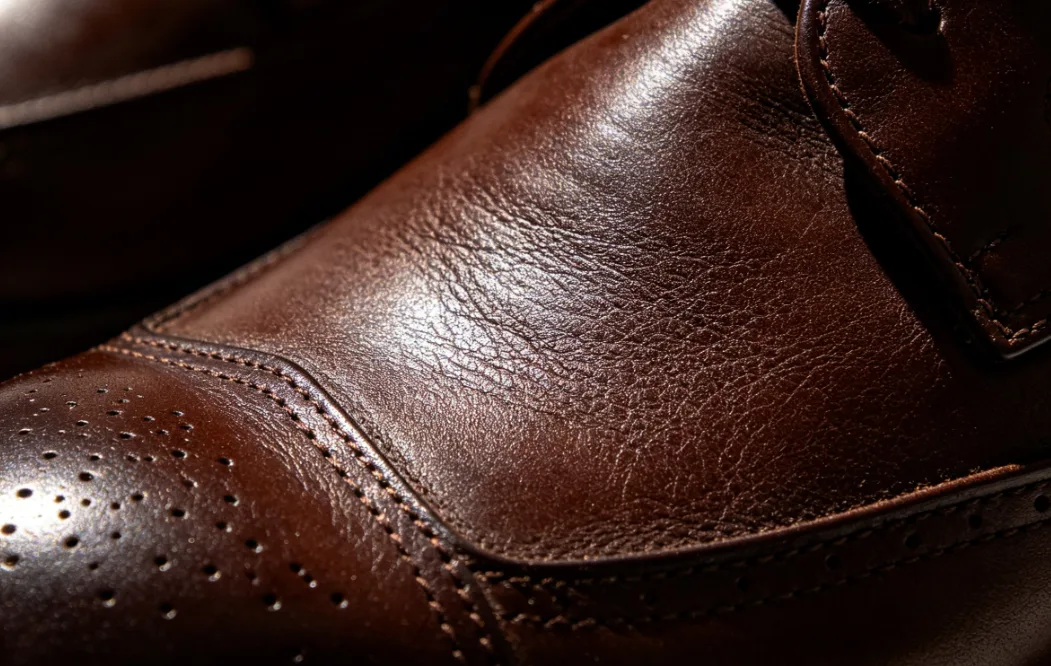
The selection of synthetic materials in footwear manufacturing directly impacts product durability, breathability, and cost-efficiency. Microfiber leather represents the highest grade of synthetic leather, utilizing a three-dimensional structure of ultra-fine fibers that mimics the collagen network of natural hide. While traditional PU leather (Polyurethane) offers a cost-effective solution for fast-fashion applications, microfiber leather demonstrates superior physical properties, including higher tensile strength and better moisture permeability. According to recent market research reports from Statista, the global demand for high-performance synthetic materials in footwear is projected to grow by 7.4% annually through 2026, driven by the shift toward sustainable and vegan alternatives.
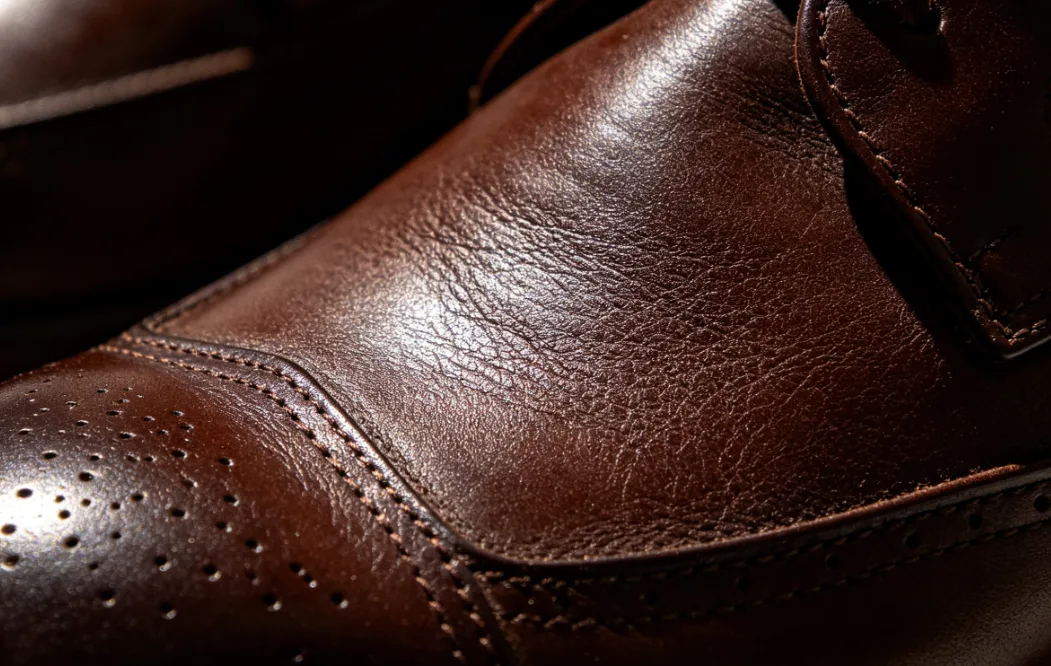
Structural Differences Between Microfiber Leather and Standard PU Materials
Microfiber leather is a sophisticated composite material consisting of high-performance polyurethane resin and sea-island microfibers. This structure differs significantly from standard PU leather, which typically comprises a textile base fabric coated with a plastic resin layer. The integration of polyamide (nylon) microfibers allows Microfiber Leather to achieve a texture and hand-feel that is nearly indistinguishable from genuine calfskin. Engineering tests indicate that the micro-porous structure of microfiber promotes better air circulation than the solid film layer found in basic PU coatings.
Technical Specification Comparison Table
The following table outlines the physical performance benchmarks for both materials based on standard ISO testing protocols used in the footwear industry.
|
Performance Indicator |
Microfiber Leather (Premium) |
Standard PU Leather |
Test Method |
|---|---|---|---|
|
Tensile Strength |
20–40 N/mm² |
8–20 N/mm² |
GB/T 1040 / ISO 527 |
|
Flex Resistance |
≥100,000 cycles (no cracking) |
20,000–50,000 cycles |
GB/T 4689.12 / ISO 5402 |
|
Wear Resistance |
≥1,000 cycles (Martindale) |
300–800 cycles |
GB/T 21196 / ISO 17704 |
|
Breathability |
5–15 mL/(cm²·s) |
1–5 mL/(cm²·s) |
GB/T 4689.4 / ISO 9237 |
|
Weight |
600–900 g/m² |
500–700 g/m² |
GB/T 4669 / ISO 3801 |
Durability and Mechanical Properties in Footwear Manufacturing
In the context of athletic and industrial footwear, the mechanical longevity of a material is a primary manufacturing concern. Microfiber leather exhibits exceptional resistance to “cold-cracking” and hydrolysis, two common failure points in standard PU footwear. Technical white papers from the National Institute of Standards and Technology (NIST) emphasize that the cross-linked structure of advanced polymers significantly enhances the material’s ability to withstand repetitive stress. For manufacturers, using Footwear Grade Microfiber reduces the rate of returns due to material peeling or surface degradation.
The manufacturing process for high-end boots often requires materials that can undergo lasting and heat-setting without losing structural integrity. Microfiber leather maintains its shape better than PU because the internal fiber matrix resists permanent deformation under heat. In contrast, standard PU leather may experience “plastic flow” when exposed to high-temperature shoe-molding processes, leading to inconsistent sizing or aesthetic defects on the shoe upper.
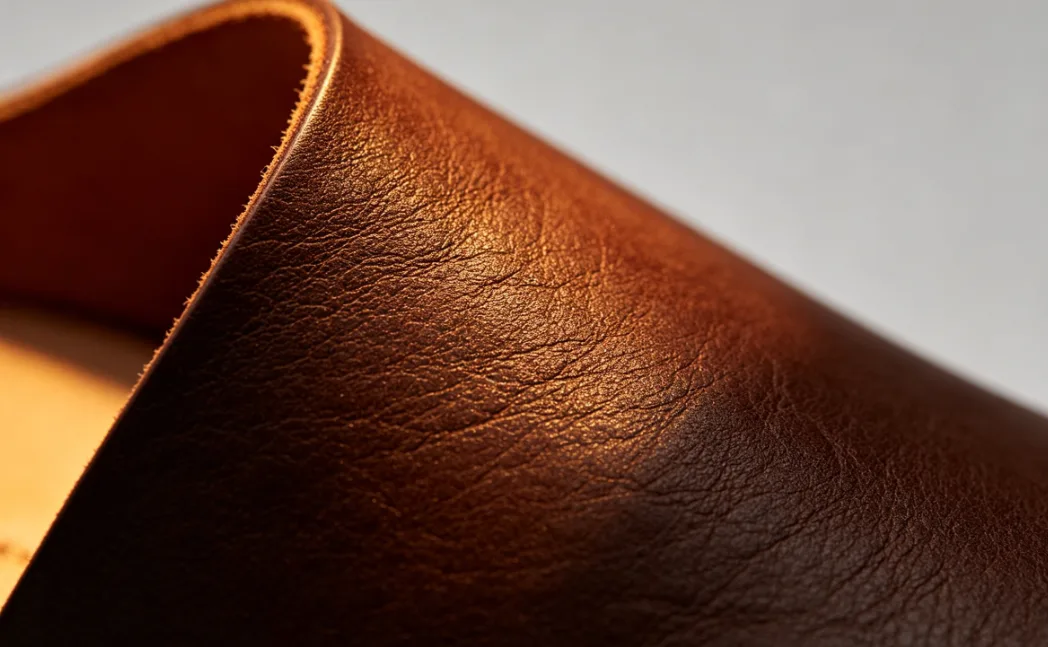
Environmental Impact and Sustainability Trends for 2026
The footwear industry is under increasing pressure to adopt materials with lower environmental footprints. According to the Environmental Protection Agency (EPA) sustainability guidelines, the transition toward solvent-free manufacturing processes is critical for reducing Volatile Organic Compound (VOC) emissions. Modern microfiber production increasingly utilizes water-based resins, making it a more eco-friendly choice compared to traditional solvent-based PU leather production. Furthermore, the longevity of microfiber products contributes to “slow fashion,” reducing the frequency of waste generation in the footwear lifecycle.
Sustainability Benchmarks for Synthetic Materials
-
Chemical Safety: Compliance with REACH and RoHS standards for heavy metal content.
-
Resource Efficiency: Utilization of recycled polyester (rPET) in the microfiber substrate.
-
Longevity: Minimum 5-year shelf life without hydrolysis in humid environments.
-
Waste Reduction: Precision cutting of rolls results in less than 5% scrap compared to 20% for natural leather hides.
Breathability and Comfort Factors for Shoe Uppers
Comfort in footwear is largely determined by the material’s ability to manage moisture and heat. Microfiber leather features a “breathable” structure that allows water vapor to escape while maintaining water resistance. This is achieved through the use of aqueous polyurethane that leaves microscopic gaps between the fiber bundles. Standard PU Shoe Material often acts as a vapor barrier, leading to heat accumulation and discomfort during prolonged wear. Data from the World Intellectual Property Organization (WIPO) shows a 15% increase in patent filings related to “breathable synthetic membranes” specifically for footwear uppers in the last three years.
Cost-Benefit Analysis for Industrial Footwear Production
While the initial procurement cost of microfiber leather is higher than PU, the total cost of ownership often favors microfiber for mid-to-high-end brands. The uniformity of Synthetic Leather Rolls allows for automated laser cutting, which maximizes material utilization. Standard PU, while cheaper per square meter, often suffers from lower durability, which can damage a brand’s reputation for quality. The following comparison highlights the economic trade-offs for manufacturers.
Economic Comparison of Material Usage
|
Factor |
Microfiber Suede |
Standard PU Leather |
|---|---|---|
|
Material Cost |
High (10–10–18/m) |
Low (3–3–7/m) |
|
Cutting Yield |
Up to 95% |
Up to 90% |
|
Labor Cost |
Lower (Easy to stitch) |
Moderate (Prone to tearing) |
|
Warranty Claims |
Low (<0.5%) |
Higher (2–5%) |
Performance of Microfiber vs PU in Safety Shoes
In the production of safety and work boots, microfiber leather is frequently preferred due to its chemical resistance and lightweight properties. Safety footwear must meet the EN ISO 20345 standards, which require specific levels of impact resistance and sole adhesion. Microfiber leather provides a more stable surface for adhesive bonding with TPU or Rubber outsoles compared to the oily surfaces sometimes found on low-grade PU. Additionally, Vegan Safety Shoe Leather made from microfiber is inherently resistant to oil and acid, which are essential requirements for industrial environments.
Applications in Specialized Footwear Categories
The versatility of Eco-friendly PU Leather and microfiber allows for widespread application across various footwear categories. Microfiber is the dominant choice for premium soccer cleats and hiking boots where weight reduction is a competitive advantage. Standard PU remains the staple for inner linings and decorative trims where high mechanical stress is not expected. By strategically combining these materials, manufacturers can optimize both the performance and the price point of the final product.
Frequently Asked Questions (FAQ)
Is microfiber leather as durable as genuine leather for work boots?
Microfiber leather often exceeds the durability of lower-grade genuine leathers in industrial settings. It offers superior resistance to acid, alkali, and hydrolysis. Unlike natural hide, it does not rot when exposed to consistent moisture and maintains its flexibility in temperatures as low as -20°C, making it ideal for rugged work environments.
How can manufacturers distinguish between high-quality microfiber and standard PU?
A primary identification method is the cross-section analysis. Microfiber leather displays a dense, intertwined fiber structure throughout the base, whereas standard PU shows a clear distinction between a fabric backing (knitted or woven) and a plastic surface coating. Additionally, microfiber leather has a significantly higher “rebound” elasticity when pressed.
What are the cleaning requirements for microfiber leather footwear?
Microfiber leather is easier to maintain than both natural leather and standard PU. It can be cleaned with a damp cloth and mild soap without the risk of water spotting. Because it lacks the porous grain of animal skin, it does not require conditioning oils or polishes to prevent cracking over time.
Does microfiber leather contribute to better foot health?
Yes, due to its moisture-wicking capabilities and antimicrobial treatments applied during the resin dipping process. By allowing water vapor to dissipate, it reduces the growth of fungi and bacteria within the shoe. This makes it a preferred choice for orthopedic footwear where hygiene and skin-friendly surfaces are paramount.
Why is there a price gap between different types of synthetic leather?
The price gap is driven by the production complexity of the “sea-island” fiber substrate and the quality of the polyurethane resin. High-end microfiber requires expensive nylon/polyester composite fibers and sophisticated coagulation baths, whereas standard PU uses simpler coating technologies and cheaper polyester cloth bases, leading to lower material costs.