
PU Leather in 2026: Market Relevance for Manufacturers
As global supply chains adapt to evolving environmental regulations and cost volatility in 2026, polyurethane (PU) leather remains a cornerstone material for industrial manufacturing. Synthetic leather production has scaled significantly, with top-tier suppliers managing capacities exceeding 50 million meters annually. For B2B procurement teams, distributors, and product developers, PU leather offers a critical bridge between the high-performance demands of end consumers and the stringent margin requirements of mass production.
The current market landscape is defined by a shift toward specialized formulations, including water-based and DMF-free PU variants, driven by tightening chemical compliance frameworks across North America and the European Union. Manufacturers must navigate these regulatory pressures while maintaining material consistency, ensuring that the synthetic textiles they procure meet exacting physical tolerances.
Applications across footwear, furniture, and automotive
The versatility of PU leather allows it to be engineered for distinct sector requirements. In the footwear industry, upper materials must withstand rigorous dynamic fatigue, often requiring flex resistance exceeding 100,000 cycles at room temperature without cracking. Linings demand high moisture vapor transmission rates (MVTR) to ensure breathability.
For commercial and residential furniture, the primary metrics are abrasion resistance and hydrolytic stability. Upholstery-grade PU leather is typically specified to endure 50,000 to 100,000 Martindale rubs, ensuring longevity in high-traffic environments. Meanwhile, the automotive sector demands strict adherence to safety and durability standards, such as the FMVSS 302 flammability test, alongside superior UV resistance to prevent degradation and color fading under prolonged sun exposure.
Key purchasing and sourcing pressures
Procurement professionals in 2026 face compounded pressures from fluctuating petroleum-derived raw material costs and stringent sustainability mandates. The transition toward eco-friendly PU alternatives, such as water-borne polyurethane, introduces new cost variables. While traditional solvent-based PU remains highly cost-effective, regulatory compliance with REACH and RoHS directives often necessitates investment in advanced, low-VOC materials.
Supply chain resilience is another critical pressure point. Buyers are increasingly consolidating their vendor bases, favoring suppliers with integrated R&D and multi-factory redundancy. This consolidation mitigates risks associated with geopolitical trade tariffs and localized disruptions, ensuring stable lead times that typically range from 15 to 25 days for bulk orders.
PU Leather Basics: Definition, Production, and Specifications
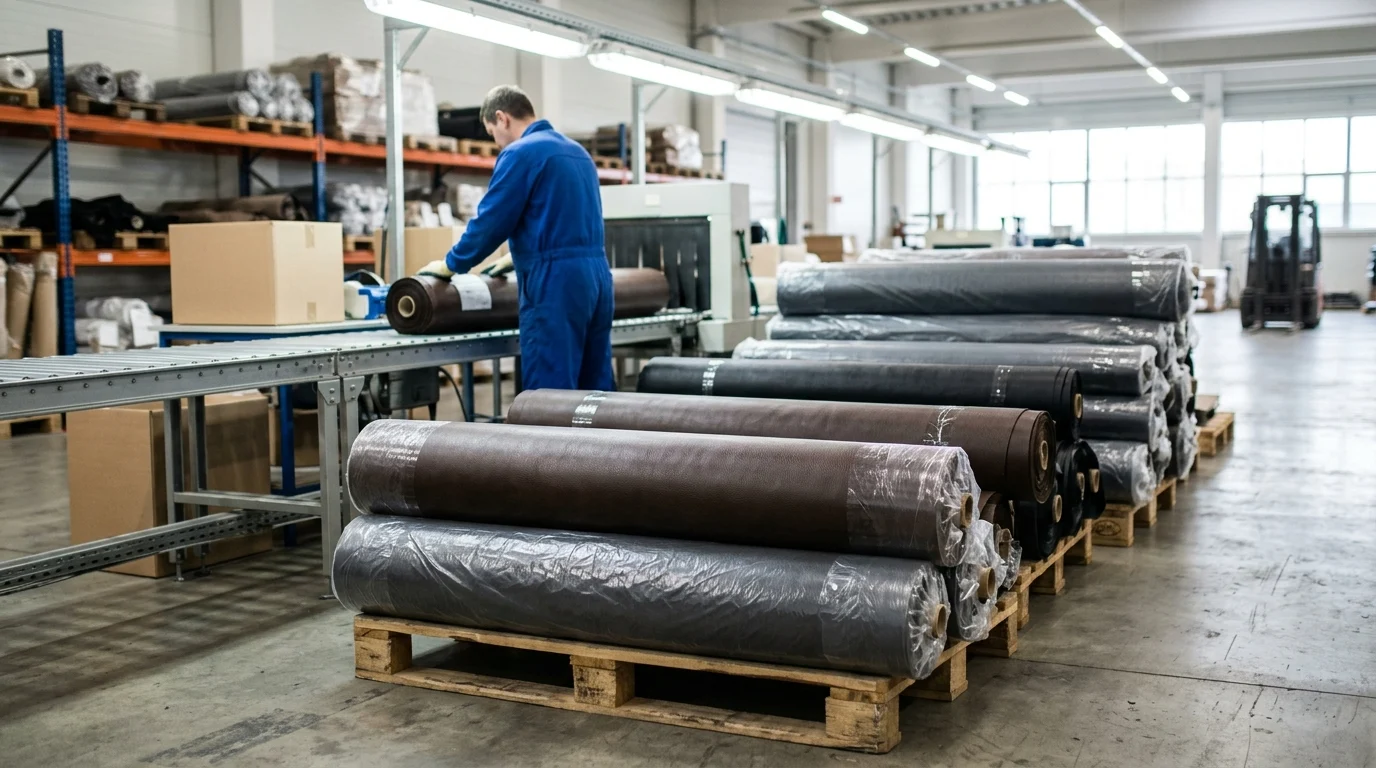
Understanding the foundational mechanics of PU leather is essential for accurate material specification. Unlike genuine leather, which is derived from animal hides, PU leather is an engineered composite material designed to replicate the aesthetic and tactile properties of natural leather while offering superior uniformity and yield.
Technical definition of PU Leather
At its core, PU leather consists of a polyurethane resin coating applied to a textile backing, which can be woven, non-woven, or knitted. The nature of the base fabric dictates the material’s structural integrity, tear strength, and stretchability. The polyurethane layer provides the surface finish, texture, and protective barrier. In technical procurement, PU leather is categorized by its manufacturing process—primarily wet process (coagulation) and dry process (transfer coating)—as well as its chemical composition, such as solvent-based or water-based resins.
Overview of the manufacturing process
The dry production process is the most prevalent for standard PU leather. It begins with a release paper that carries the desired surface grain. A layer of liquid polyurethane is coated onto this paper and partially cured. Subsequently, an adhesive layer is applied, and the backing fabric is laminated onto the PU film. The composite passes through a curing oven before the release paper is stripped away, leaving the textured PU leather.
The wet process involves impregnating a base fabric with a polyurethane solution and passing it through a coagulation bath, typically containing water and dimethylformamide (DMF). The solvent is extracted, leaving a microporous cellular structure that closely mimics the breathability and softness of natural leather. Modern facilities are increasingly adopting DMF-free processes to ensure residual chemical levels remain below the strict 30 ppm threshold required by international eco-labels.
Core specifications buyers should assess
To ensure product reliability, buyers must establish a clear specification sheet (spec sheet) during the sourcing phase. Critical parameters include thickness, weight, backing type, and physical strength metrics. Failure to define these variables can lead to catastrophic product failures in the field.
| Specification | Typical Commercial Range | Primary Testing Standard |
|---|---|---|
| Thickness | 0.5 mm – 2.0 mm | ASTM D1777 |
| Weight (Grammage) | 200 gsm – 800 gsm | ASTM D3776 |
| Peeling Strength | > 2.5 kg / 3 cm | ISO 2411 |
| Tear Strength | > 3.0 kg | ASTM D2261 |
| Flex Resistance | 50,000 – 100,000+ cycles | ISO 5402 |
These metrics should be calibrated based on the final application. For example, a heavy-duty automotive seat cover will require a thickness closer to 1.2 mm and a peeling strength exceeding 3.5 kg/3cm, whereas a lightweight fashion garment may only require 0.6 mm thickness and lower tensile thresholds.
PU Leather vs. Microfiber, PVC, and TPU
The synthetic leather market offers a spectrum of materials, each optimized for different cost-performance ratios. Procurement teams must frequently evaluate standard PU leather against alternatives like Microfiber leather, Polyvinyl Chloride (PVC), and Thermoplastic Polyurethane (TPU) to align raw material costs with end-product positioning.
Key performance and cost comparison
Each synthetic material possesses a distinct chemical structure that dictates its commercial viability. PVC is the most economical, utilizing plasticizers for flexibility, but lacks breathability and performs poorly in extreme cold. Microfiber leather represents the premium tier, featuring a high-density non-woven base of ultra-fine fibers coated with high-grade PU, offering performance that rivals or exceeds genuine leather. TPU is highly elastic and abrasion-resistant, often used in specialized athletic footwear or protective gear.
| Material Type | Estimated Cost Band (USD/meter) | Breathability | Abrasion Resistance | Eco-Compliance |
|---|---|---|---|---|
| PVC Leather | $1.20 – $2.50 | Low | High | Low (Phthalate concerns) |
| Standard PU | $2.50 – $5.00 | Medium | Medium-High | Medium-High |
| TPU Coated | $4.00 – $7.00 | Low | Very High | High |
| Microfiber PU | $6.00 – $15.00+ | High | Excellent | High |
When standard PU Leather is the right choice
Standard PU leather hits the optimal intersection of cost and aesthetic quality for mid-tier consumer goods. It is the definitive choice when the target retail price cannot absorb the $6.00+ per meter cost of microfiber, yet the product requires a softer hand-feel, lower weight, and better environmental profile than PVC. Standard PU is particularly dominant in fast fashion footwear, mid-market residential upholstery, and promotional accessories, where a lifespan of 2 to 5 years is deemed acceptable.
Commercial and channel implications
For B2B distributors, the choice of synthetic leather directly impacts inventory turnover and margin structures. Stocking standard PU leather offers high volume velocity due to its broad application base. However, distributors must manage the shelf-life of standard PU, as prolonged storage in high-humidity environments can trigger hydrolysis, degrading the material within 12 to 24 months if not properly formulated. Upgrading to hydrolysis-resistant PU (often guaranteed for 3 to 5 years) incurs a premium of $0.50 to $1.00 per meter but significantly reduces channel return rates and protects brand equity.
How to Source and Control PU Leather Quality
Sourcing synthetic leather at scale requires rigorous vendor vetting and systematic quality control. With the bulk of global production concentrated in Asia—particularly in specialized manufacturing hubs across Ningbo, Jiangxi, and Anhui—importers must implement robust supplier qualification frameworks to secure consistent material yields and avoid costly production delays.
Supplier qualification criteria
A qualified supplier should demonstrate over a decade of domain expertise and operate multiple specialized factories to ensure capacity redundancy. Buyers should prioritize manufacturers with integrated R&D and production control, allowing for rapid iteration of ODM/OEM solutions. Key audit checkpoints include ISO 9001 (Quality Management) and ISO 14001 (Environmental Management) certifications, alongside verifiable annual capacities exceeding 20 million meters to guarantee scalability during peak production seasons.
Quality control, testing, and compliance
Quality control must transition from reactive inspection to proactive inline monitoring. Contracts should mandate batch testing for colorfastness (targeting Grade 4 or higher on the grey scale), dimensional stability, and chemical compliance (e.g., REACH SVHC screening). Upon shipment, employing an Acceptable Quality Limit (AQL) standard of 2.5 for major defects and 4.0 for minor defects is standard industry practice. Advanced manufacturers utilize automated optical inspection (AOI) during the rolling process to detect pinholes, coating streaks, and backing fabric flaws, keeping total defect rates below 2% per roll.
MOQ, sampling, and negotiation points
Negotiating favorable commercial terms requires an understanding of standard production constraints. Minimum Order Quantities (MOQs) for custom-colored or custom-textured PU leather typically range from 500 to 1,000 meters per specification. For sampling, buyers should expect a 3 to 7-day lead time for lab dips and A4 swatches. Bulk production lead times generally span 15 to 20 days. When negotiating, volume buyers can often secure scaled pricing tiers, customized packaging (e.g., moisture-barrier wrapping and hard-tube cores to prevent crushing), and favorable Incoterms (such as FOB or CIF) by committing to quarterly forecasting and blanket purchase orders.
How to Choose the Right PU Leather for Your Product
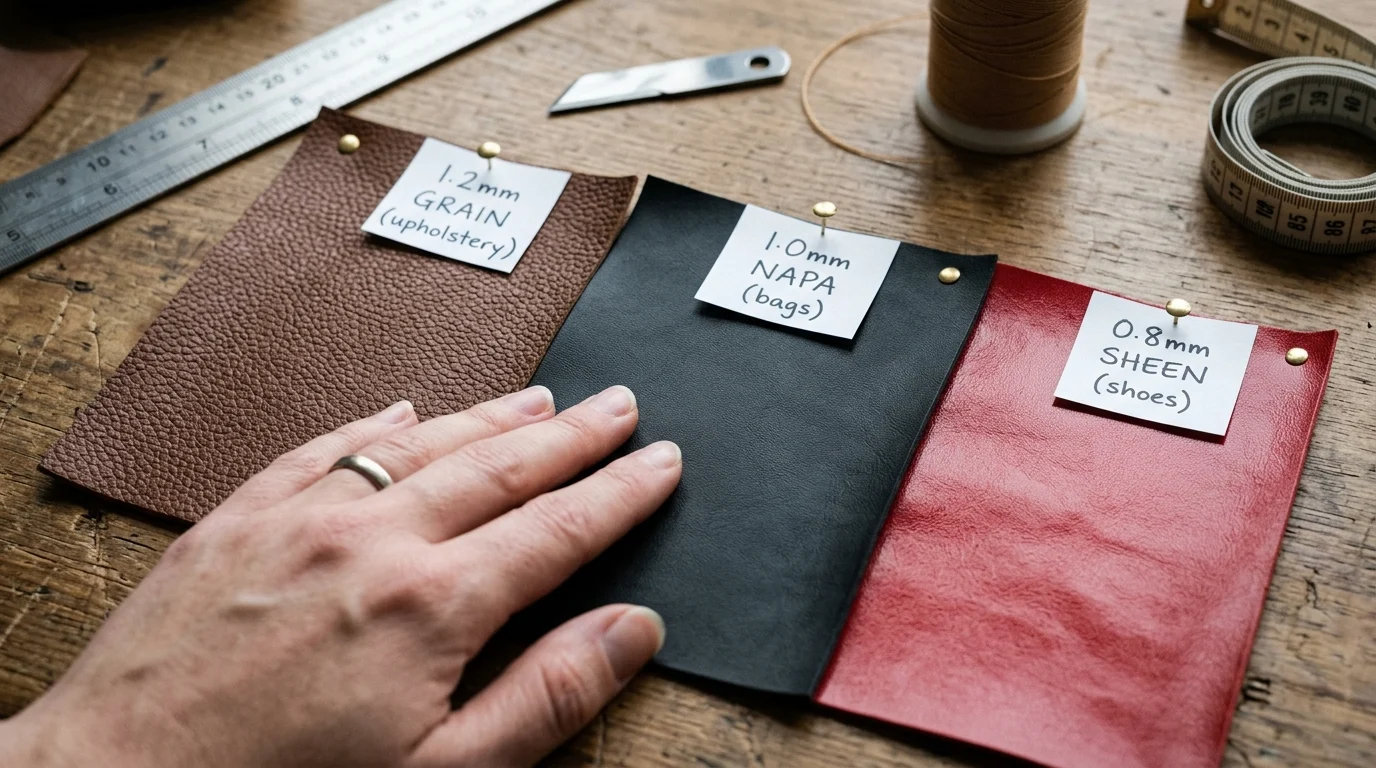
Selecting the precise PU leather formulation is not a generic exercise; it requires a strategic alignment between the material’s physical capabilities and the end product’s market positioning. Procurement teams must bridge the gap between industrial design intent and factory-floor realities.
Decision framework for material selection
The decision framework begins with defining the end-use environment. Products exposed to harsh outdoor climates require PU leathers formulated with UV stabilizers and anti-mildew agents. Next, buyers must establish the target cost of goods sold (COGS). If the material budget is strictly capped at $3.50 per meter, procurement must negotiate the best possible backing fabric (e.g., switching from a dense woven to a high-quality knit) without compromising the necessary tear strength. Finally, regional compliance dictates chemical limitations; a product destined for the EU market mandates a formulation strictly free of restricted phthalates and heavy metals, heavily influencing the resin selection.
How manufacturer capabilities affect fit
The ultimate success of a PU leather sourcing program hinges on the specific capabilities of the manufacturing partner. A supplier with over 20 years of expertise and a broad portfolio—spanning standard PU, water-based PU, and microfiber—offers procurement teams the flexibility to pivot material strategies without onboarding new vendors. Manufacturers that control the entire value chain, from formulating the polyurethane resin to weaving the base textiles across multiple affiliated sites, can tightly control batch-to-batch consistency. By leveraging suppliers equipped with rapid ODM/OEM development cycles, brands can accelerate their time-to-market while ensuring the chosen PU leather precisely meets their operational and aesthetic requirements.
Key Takeaways
- Wholesale sourcing and supply-chain implications for PU Leather
- Specifications, compliance, and commercial terms buyers should validate
- Actionable recommendations for distributors and procurement teams
Frequently Asked Questions
What is PU leather made of?
PU leather is a polyurethane coating bonded to a fabric backing such as knitted, woven, or nonwoven textile. The backing affects strength and stretch, while the PU layer provides the leather-like surface and protection.
How is PU leather different from genuine leather?
PU leather is engineered, so it offers more uniform color, thickness, and yield than animal leather. It is often more cost-stable and easier to customize for footwear, furniture, bags, and automotive uses.
Which PU leather specifications should manufacturers check before buying?
Focus on thickness, weight, backing type, abrasion resistance, flex resistance, hydrolysis performance, colorfastness, and compliance needs like REACH or RoHS. Match the spec sheet to the end use before sampling.
Is water-based PU leather better for regulated export markets?
Often yes. Water-based or DMF-free PU can help reduce VOC and chemical compliance risks for EU and North American markets. Confirm test reports and performance, because eco options must still meet durability targets.
Can hh-mf.com support large-volume custom PU leather orders?
Yes. Haohao highlights 20+ years of experience, 3 specialized factories, about 50 million meters annual capacity, and ODM/OEM development, which helps global buyers secure scalable supply and tailored material solutions.